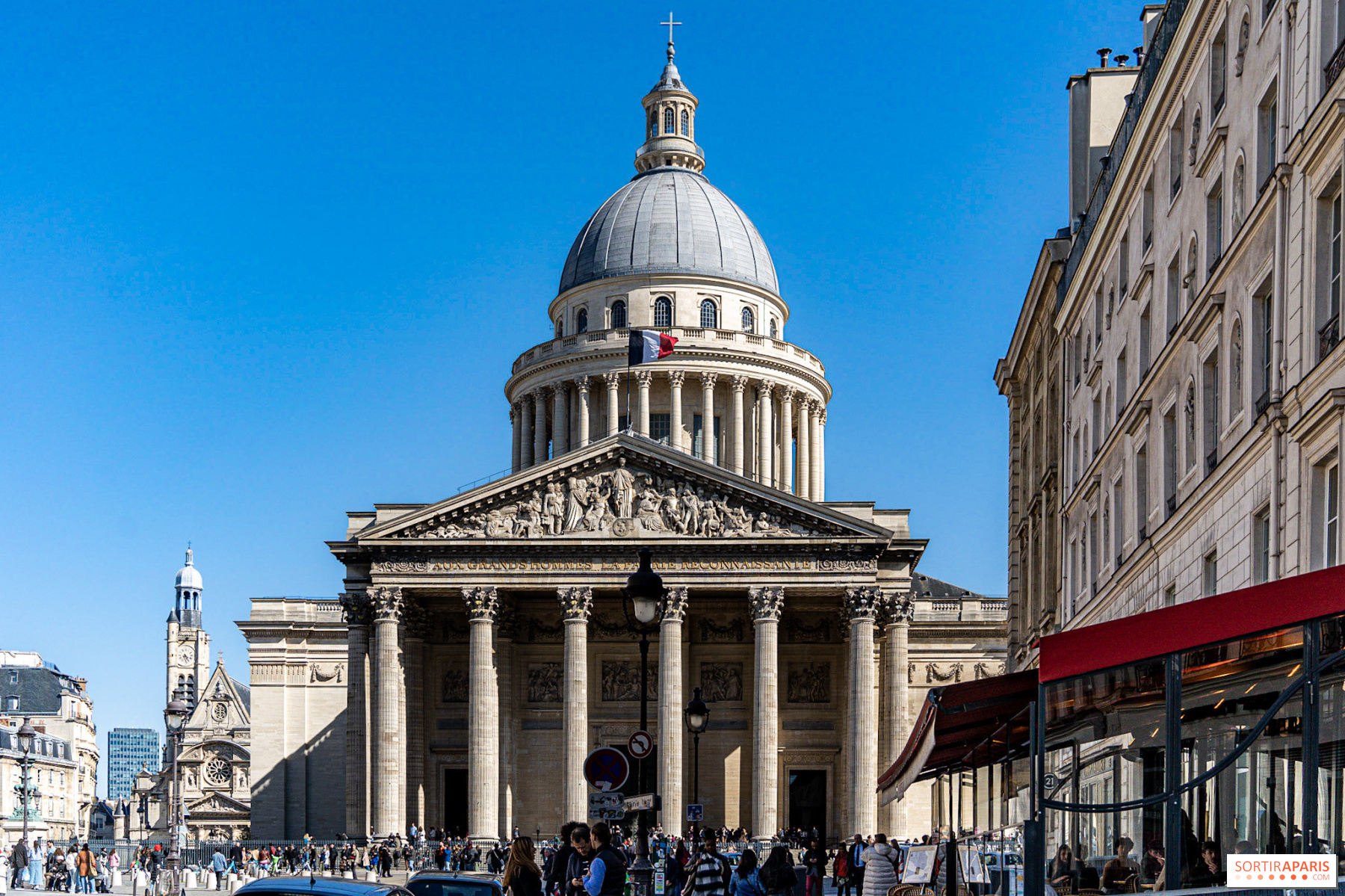
André Breton saw Paris as a dream laboratory, a place of experimentation where reality bends to desire. Through alleyways, passages, workshops and street names, fragments of his Parisian itinerary are still alive today.
Embark on an exploration of André Breton's Paris, his homes, his workshops, his literary episodes and the posthumous gestures that maintain his aura in the City of Light.
Founder of Surrealism, André Breton imposed a vision of the world in which dreams, chance and automatic writing were intertwined. Trained as a doctor, he frequented Dadaist circles before publishing the Manifesto of Surrealism in 1924, the birth certificate of an international artistic movement. From then on, his apartment at 42 rue Fontaine became a rallying point for artists from all over the world. Poet, essayist and collector, he remains a central figure in 20th-century art.
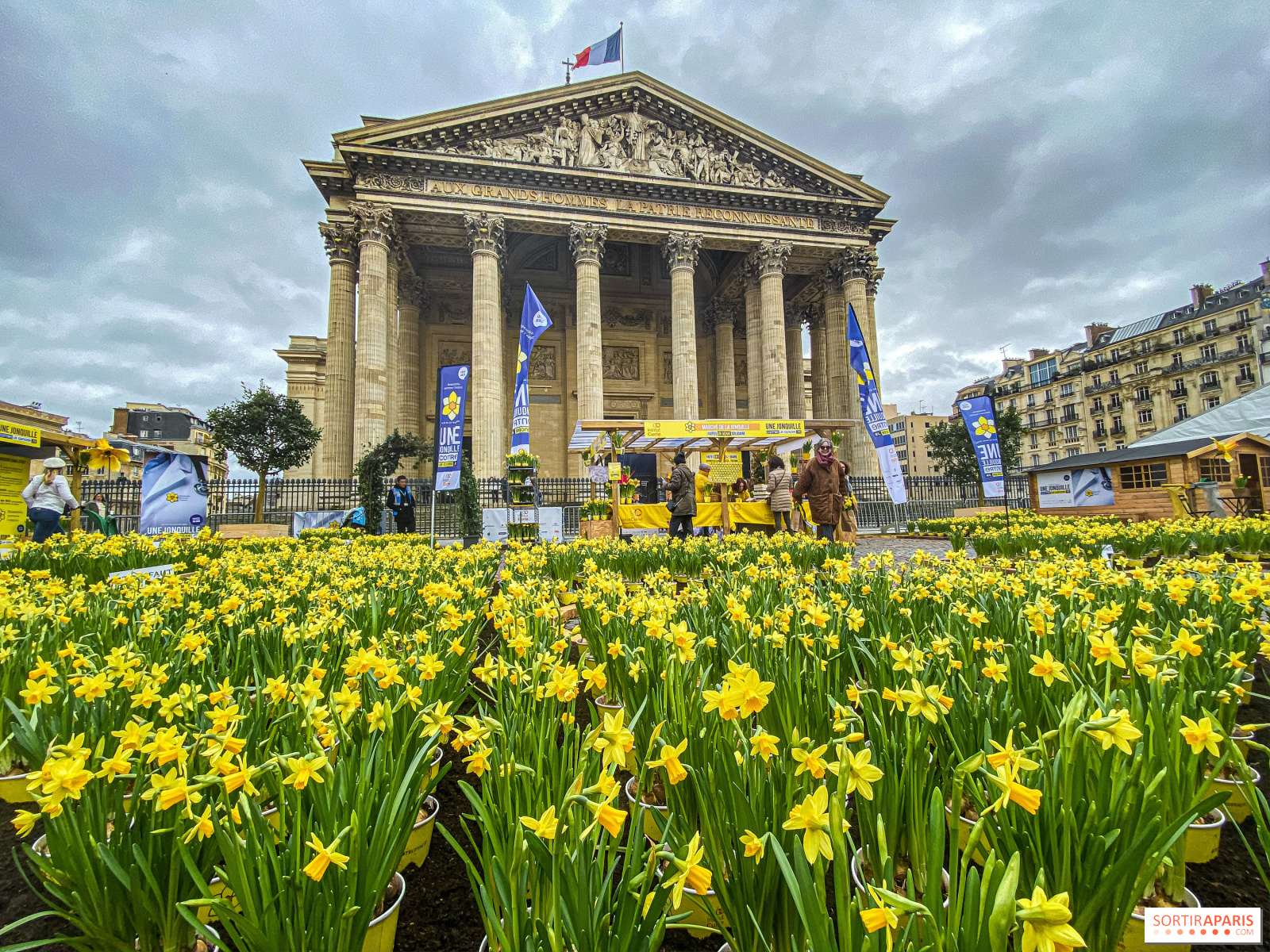
17 place du Panthéon (5ᵉ arr.). He occupies a room on the fourth floor with Philippe Soupault and Louis Aragon. It was here that together they experimented withautomatic writing, a veritable poetic rupture and collective invention.
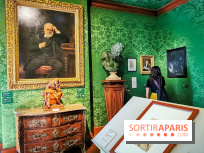
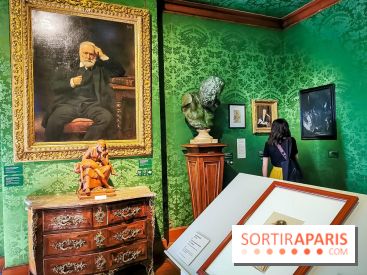
42 rue Pierre-Fontaine (9ᵉ arr.). It was in this apartment-workshop, a stone's throw from Montmartre, that from 1922 to 1966, he set up his "universe of objects" made up of works of art, masks, curiosities, books and finds of all kinds. And it was here that, for decades, he welcomed his Surrealist friends - Éluard, Aragon, De Chirico, Man Ray - and perpetuated his space for reflection. The apartment served as a residence, studio, artistic meeting place and cabinet of curiosities - with its famous'Breton wall'.
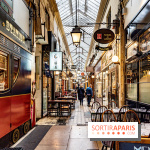
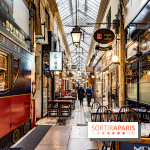
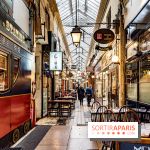
The Paris of his writings. In his autobiographical novel Nadja, Breton makes Paris a floating character, a place of poetic apparitions and detours - through, among other things, Paris passages such as the Passage Jouffroy (9ᵉ arr.) and the Passage Verdeau (9ᵉ arr.).
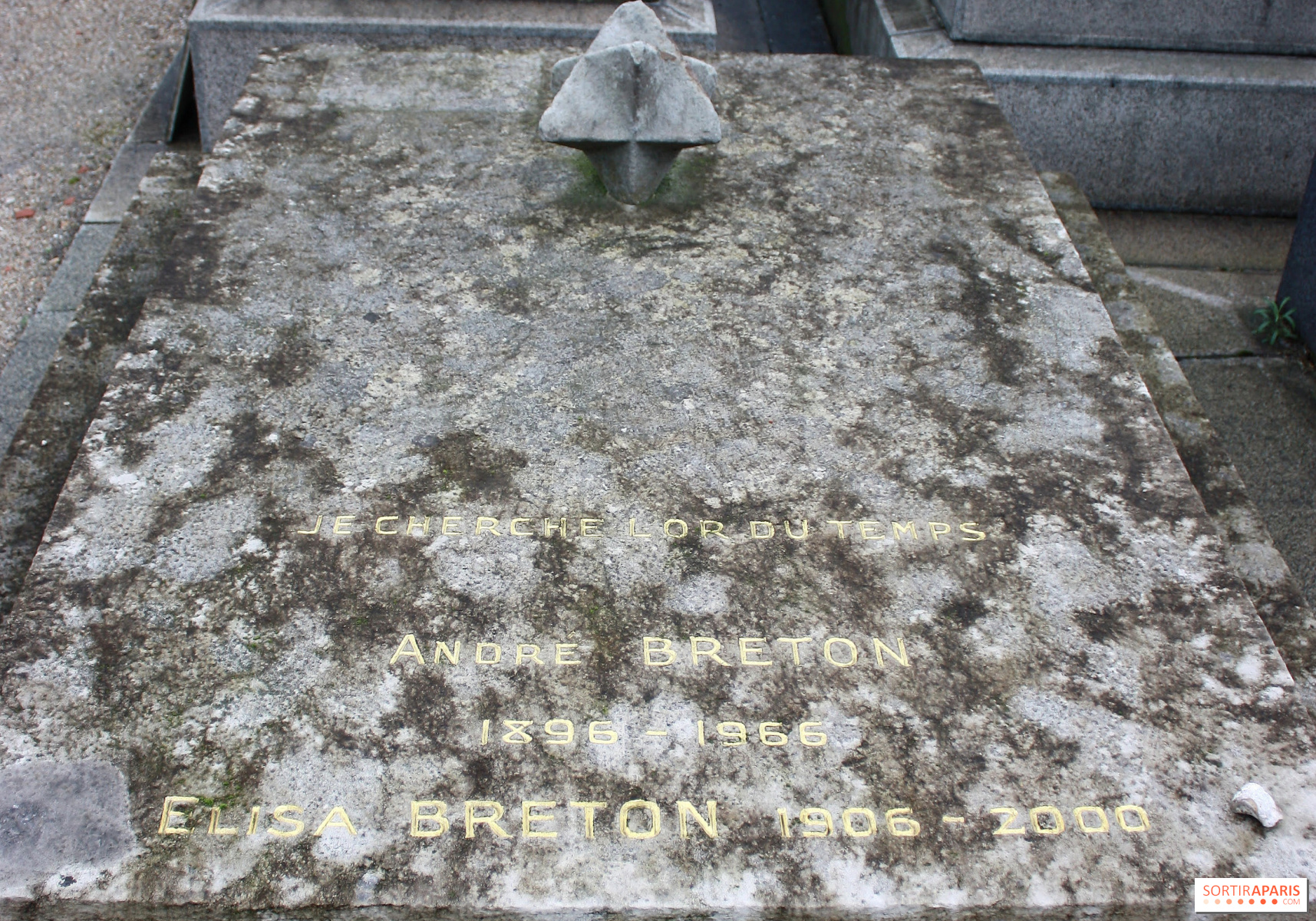
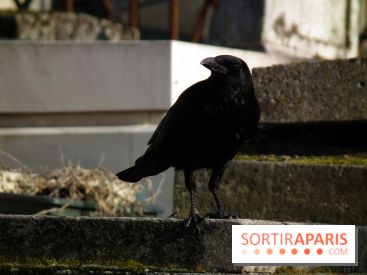
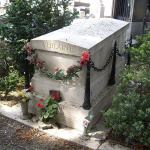
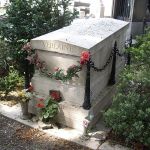
Batignolles cemetery (17ᵉ arr.). André Breton died on September 28, 1966 in Paris, having been brought back from his refuge at Saint-Cirq-Lapopie in the Lot region. He is buried in the Batignolles cemetery, in a simple tomb decorated with a starry octahedron, with the poetic phrase "Je cherche l'or du temps" (I seek the gold of time) as his epitaph.
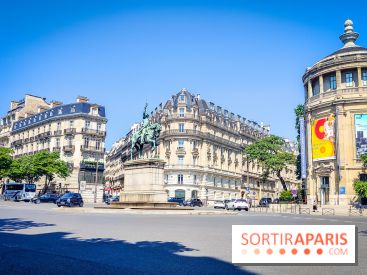
Place André-Breton (9ᵉ arr.).
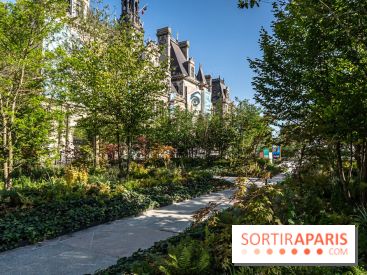
L'allée André-Breton (1ᵉ arr.), located in the Nelson-Mandela garden.
Discover Paris' most beautiful covered passageways
Maybe you didn't know it, but Paris is home to many covered passageways. Discover the 12 most beautiful covered passageways in Paris! [Read more]
In north-west Paris sets a cemetery quite out of favor and abandoned by tourists and locals: the Batignolles Cemetery. It’s up to you to make a big difference and discover the 15,000 graves including the ones of illustrious French artists. [Read more]
Location
Cimetière des Batignolles
75017 Paris
75017 Paris 17




 Discover Paris' most beautiful covered passageways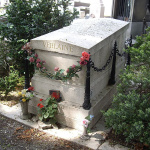

 Visiting the Batignolles Cemetery