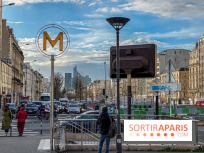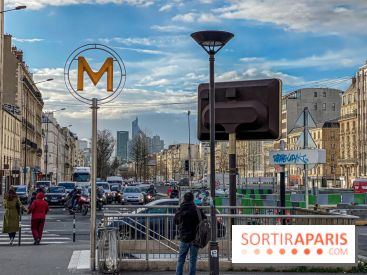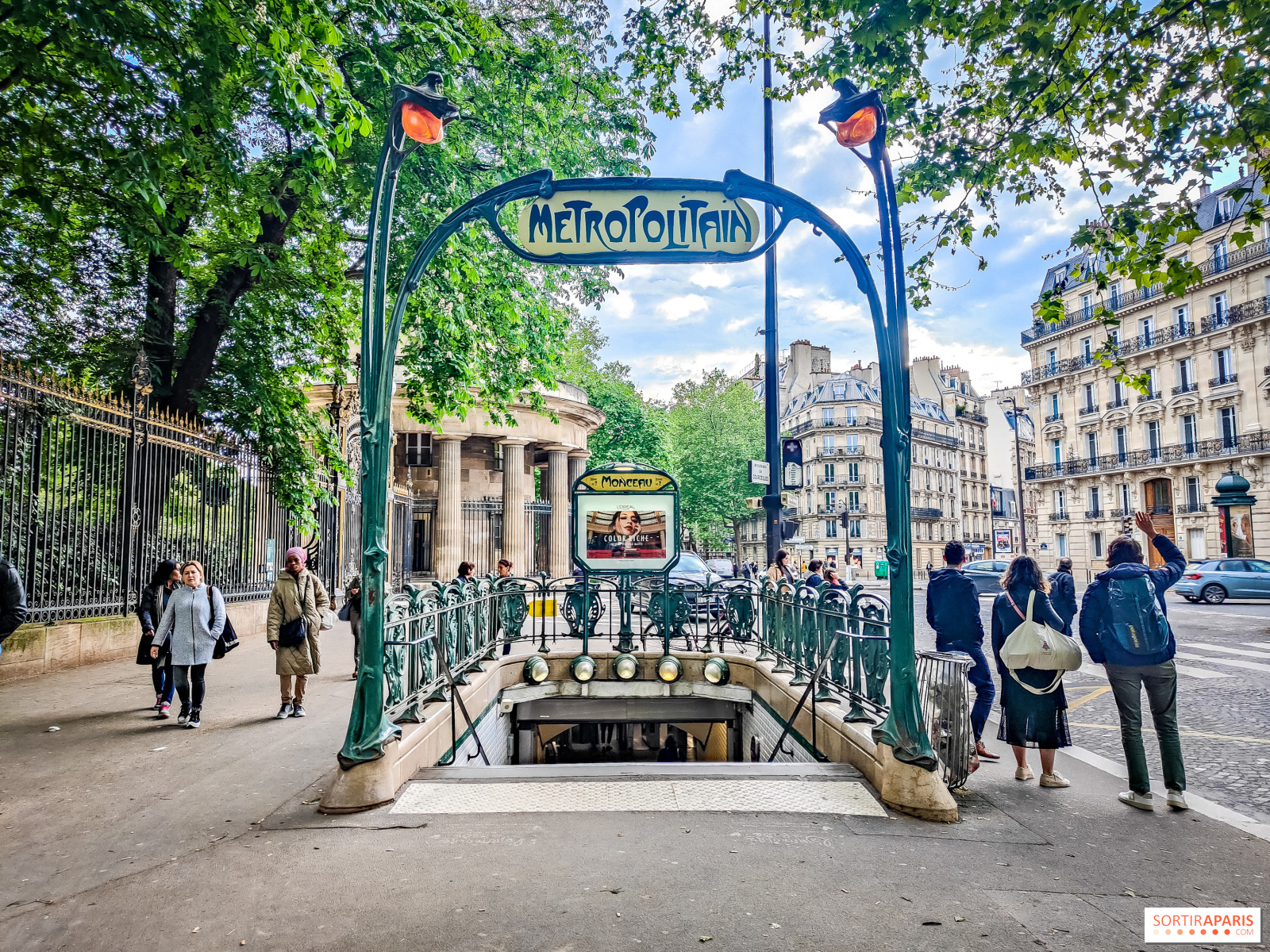
At the dawn of the 20th century, amid the excitement of the 1900 Universal Exhibition, Paris opened its first metro network. To give character to the 141 station entrances, the Metropolitan Railway Company turned to architect Hector Guimard. His goal? To make access to this new underground transportation, which was then viewed as intimidating, more inviting and visually appealing.
Did you know? There are seven Guimard metro kiosks outside Paris. Find out where they are located.
The capital doesn't have a monopoly on Guimard metro kiosks, as seven of them have surprisingly found their way far from the capital, as part of artistic exchanges. Discover their locations around the world! [Read more]
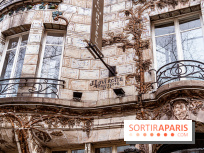
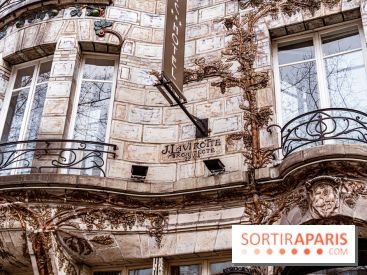
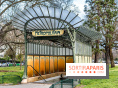
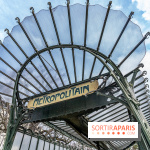
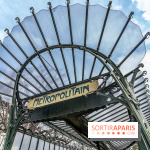
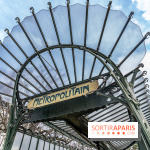
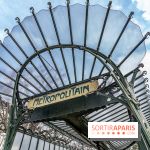
Guimard’s genius lay in his ability to seamlessly blend industry with organic forms, a hallmark of the Art Nouveau movement. Utilizing cast iron—a modern and affordable material—he crafted shapes inspired by nature: stylized lily of the valley stems intertwining, luminous bulbs resembling insect eyes, and flowing "Métropolitain" lettering that seem to grow naturally from plant tendrils.
Each small building is designed like a sculpture that interacts with the urban landscape, softening the strictness of the Haussmannian facades with a touch of whimsicality.
Did you know? Hector Guimard's last surviving type B kiosk, nicknamed La Libellule, is located at Porte Dauphine station in Paris. This exceptional Parisian metro entrance is one of the last original vestiges, and we tell you all about it. [Read more]
While Guimard's entrances are now celebrated as icons, they didn't always enjoy universal acclaim. Considered too "outdated" or "eccentric" in the post-war period, many were dismantled or replaced with simpler, more functional entrances.
Out of the original 141 creations, only about a hundred remain today, and just a few of them—such as Porte Dauphine or Abbesses—are fully covered kiosks. Their preservation is the result of a late awareness of their cultural and artistic significance.
This page may contain AI-assisted elements, more information here.




















 Did you know? There are seven Guimard metro kiosks outside Paris. Find out where they are located.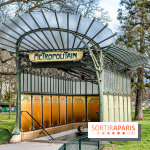
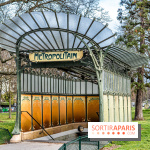
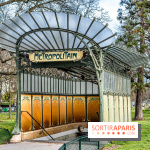
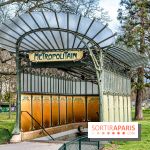 Did you know? This is the last of Hector Guimard's original Type B metro station aediculae.