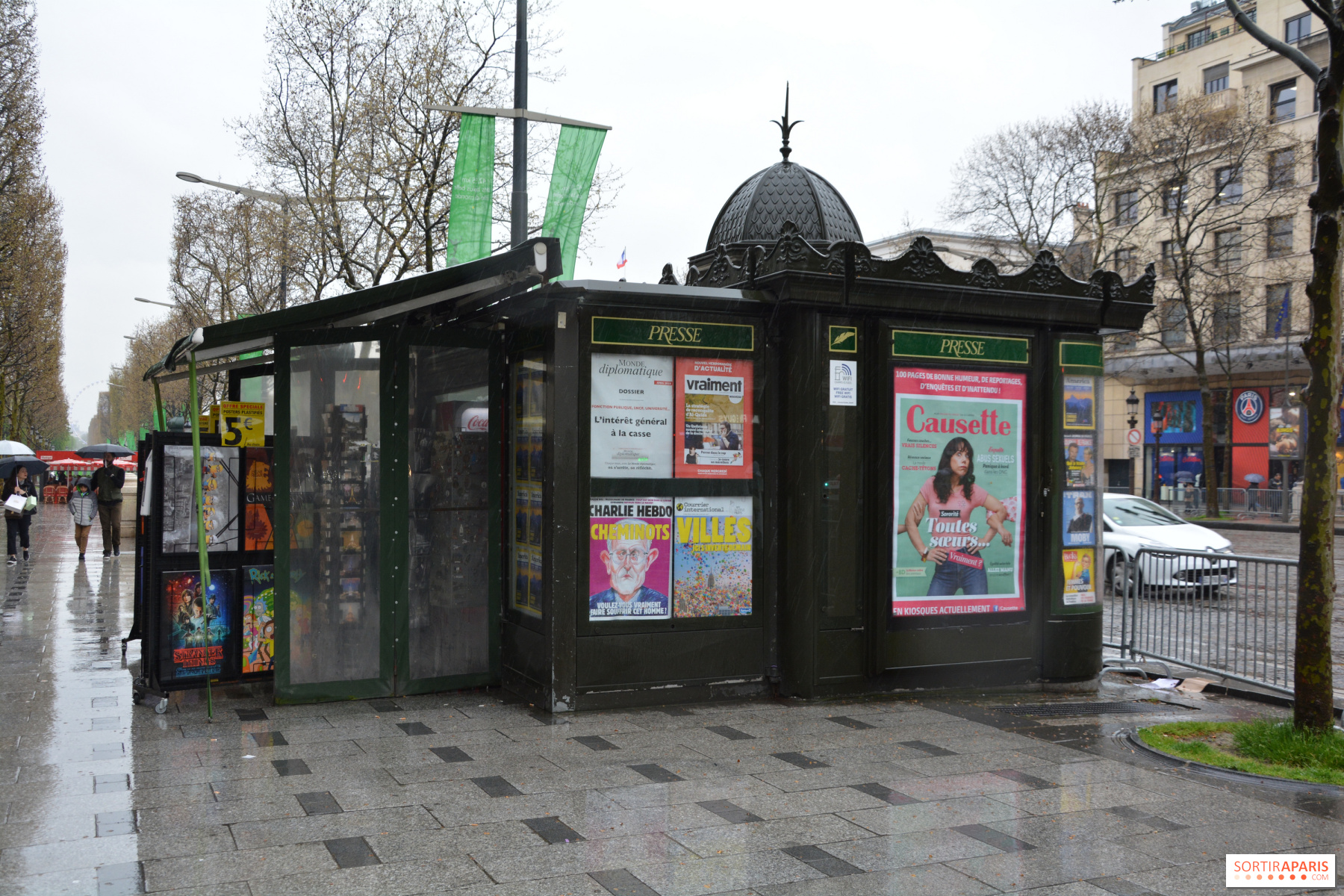
It’s in Paris, starting in 1857, that the first official kiosks begin to appear along the boulevards. Before then, newspapers were sold clandestinely or on makeshift stalls. It was the architect Gabriel Davioud, under the guidance of Baron Haussmann, who designed the classic cast-iron model identifiable by its domed roof and green hue. The goal? To facilitate newspaper sales, shield vendors from the elements, and provide a showcase fitting the modernity of Parisian life.
The kiosk has long been a focal point of Parisian debates. For over a century, Davioud’s design—with its decorative friezes and ornate canopy—embodied the romantic charm of old Paris.
However, in 2018, a major turning point took place: the city replaced the old kiosks with a more modern design created by Matali Crasset. This new, brighter and more open design preserved the Parisian green color to maintain the city's identity, while also providing better working conditions for kiosk operators (improved insulation, ample storage).
Beyond its architectural significance, the kiosk stands as a vital social hub. It’s the spot where everyday conversations happen between passersby and the kiosk operator, a profession that continues to endure despite the challenges facing the press industry.
In some neighborhoods, the kiosk has transformed into a mini concierge station: residents drop off their keys, ask for directions, or chat about current events. It’s a reminder that urban furniture isn't just an inanimate object, but a focal point of community life.
Why was the dome of the old kiosks covered with scale-like patterns? It wasn't just for aesthetic reasons Belle Époque. This design, inspired by the zinc roofing of Haussmannian buildings, allowed rainwater to drain efficiently without pooling, thus protecting the cast iron structure from rust. Even in modern times, Parisian design continues to prioritize functionality alongside style.
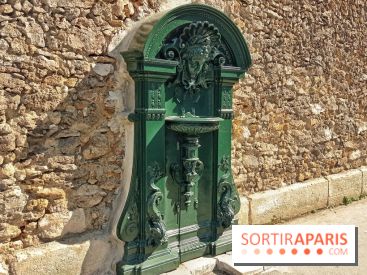
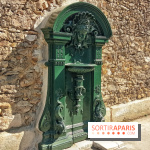
Did you know: why has dark green become the iconic color of Paris street furniture?
Discover why Parisian benches, fountains and kiosks sport this famous dark green: a tribute to nature, visual harmony, Haussmannian modernization and the capital's signature identity. [Read more]
This page may contain AI-assisted elements, more information here.



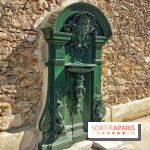 Did you know: why has dark green become the iconic color of Paris street furniture?