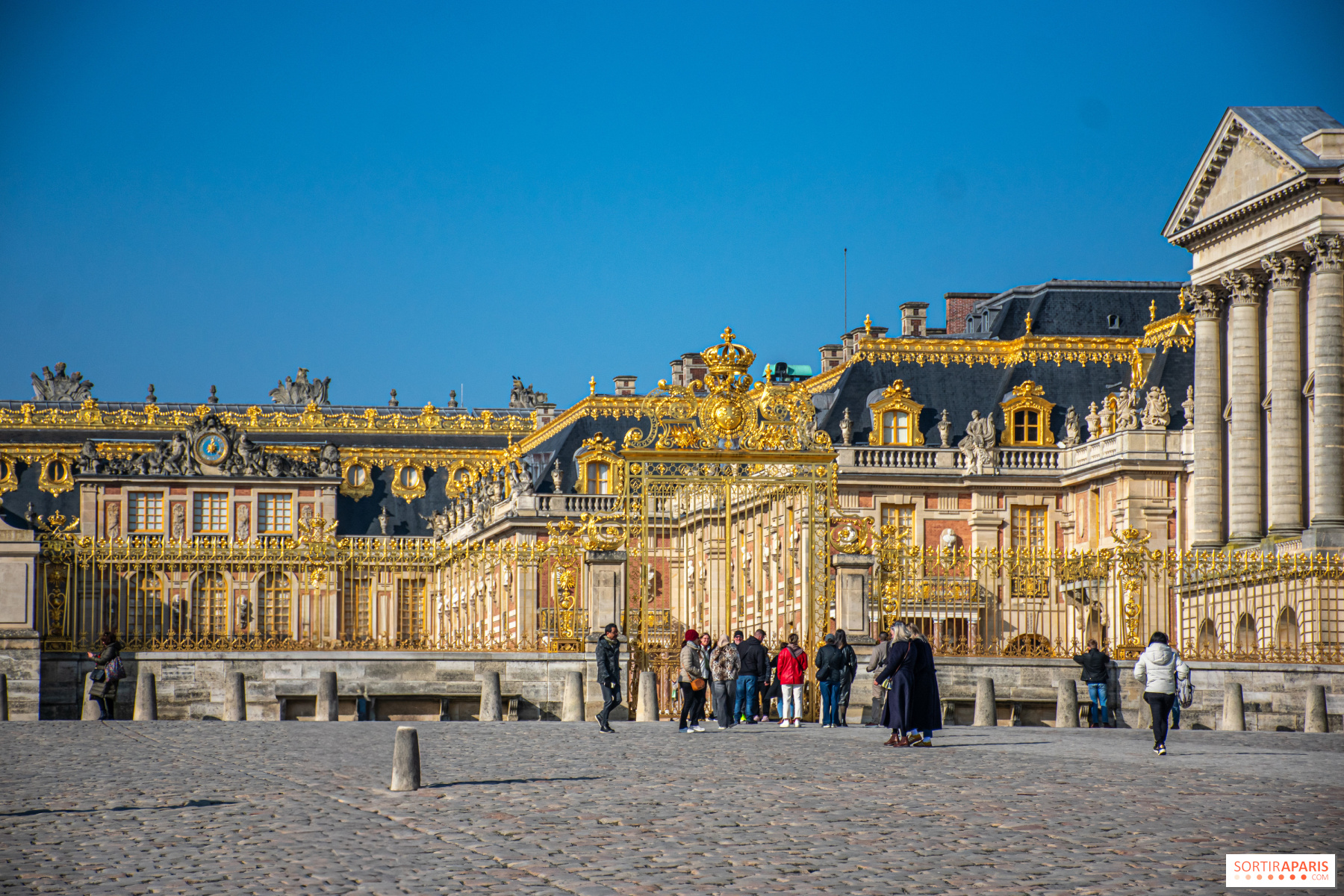
When we think of the French Revolution, our minds drift to toppled statues, hammered-flat royal emblems, and palaces stormed by the people. Yet the Château de Versailles, the residence of France’s kings for more than a century, is still standing. How did this immense symbol of the absolute monarchy manage to survive a period when everything tied to the Ancien Régime seemed doomed to disappear?
Contrary to popular belief, the Palace of Versailles was not stormed like the Bastille. On 5 and 6 October 1789, several thousand Parisians, largely women demanding bread, marched to Versailles. After deadly clashes, Louis XVI agreed to leave the palace for good and move to the Palace of the Tuileries in Paris. This departure marked the end of Versailles as a royal residence. The palace was gradually emptied of its inhabitants, servants and the Court. With no king, the château lost its primary function and stood deserted.
From 1793 onward, the fledgling Republic decided to sell a large portion of the royal furniture to replenish the state's coffers. For several months, an immense auction dispersed nearly 17,000 lots: chairs, dressers, tapestries, tableware, chandeliers and precious objects left Versailles for private buyers or merchants.
The most important artworks, however, are often transferred into the emerging national collections, notably to the future musée du Louvre. The building itself is not destroyed. On the one hand, demolishing it would be a colossal and extremely costly undertaking. On the other hand, some revolutionaries already regard the château as property that now belongs to the Nation.
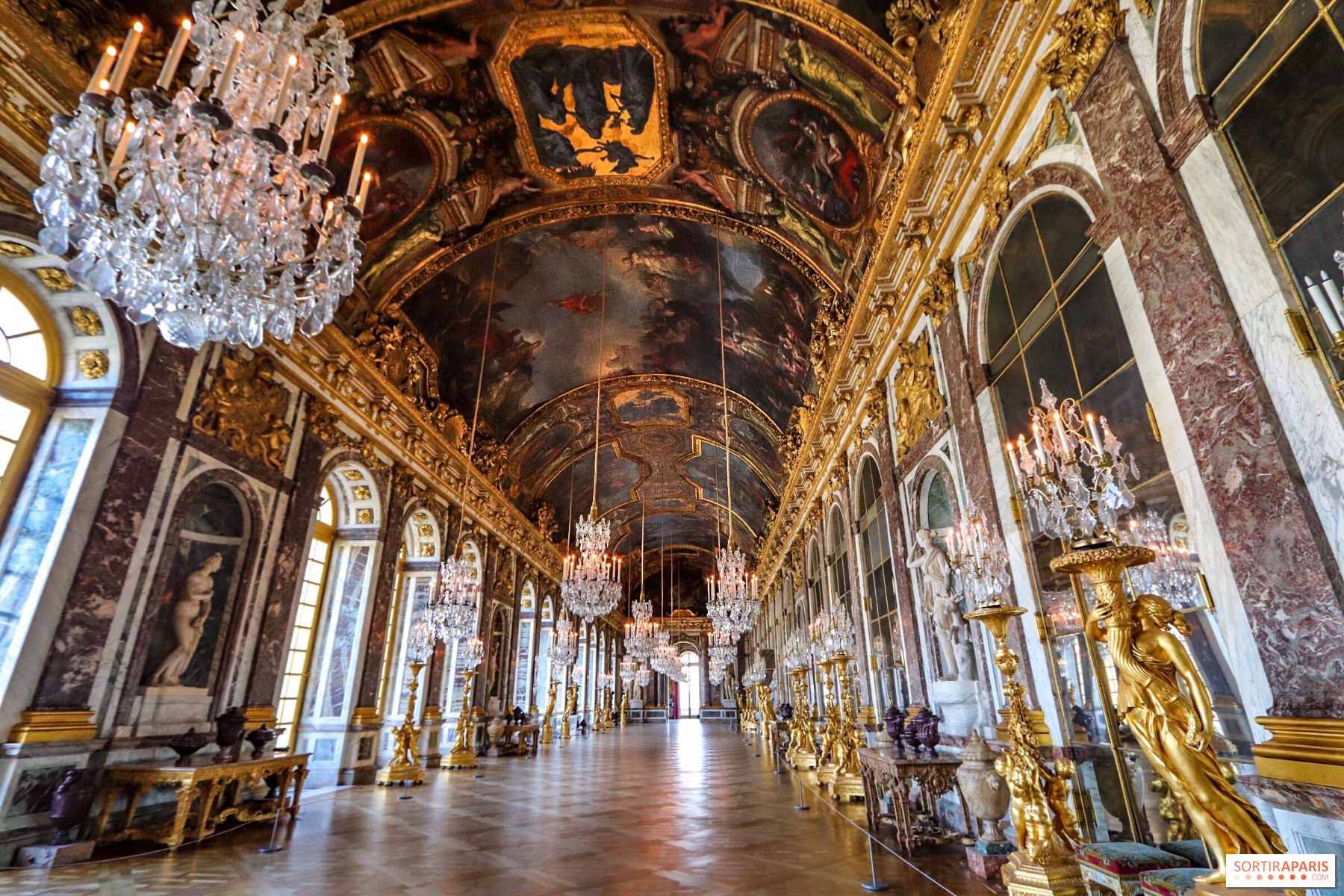
With the abolition of the monarchy, Versailles ceases to be the king’s palace and becomes a national treasure. The most visible symbols of royal power are sometimes removed or defaced. The fleurs-de-lis disappear from many decorations, and some statues are damaged. Yet the overall architecture of the château remains largely intact.
Even in the early years of the Revolution, some intellectuals and political leaders argued that France should protect its most remarkable monuments, even those inherited from the Ancien Régime. This line of thinking foreshadows the birth of France’s formal heritage protection policy.
The survival of the Palace of Versailles stands out all the more when you consider how several Île-de-France royal residences vanished in the wake of the Revolution. Take the Château de Marly, Louis XIV’s former retreat in the Yvelines. Pillaged during the revolutionary upheaval, the estate was sold as national property in 1799. Its new owner gradually tore down the buildings, leaving today only the park, the basins, and a few scattered remnants.

The Tuileries Palace met a different fate. Stormed on August 10, 1792, it became the scene of brutal fighting that hastened the fall of the monarchy, but it did survive the Revolution. Reused under the Empire, the Restoration and the Second Empire, it did not vanish until much later: burned during the Commune de Paris in May 1871, it remained in ruins for about twelve years before being razed.
In the footsteps of vanished monuments: Where can you see the remains of the Tuileries Palace in Paris?
Did you know? The famous Tuileries Gardens once housed a palace. It was the Palais des Tuileries. Remnants of this now defunct royal residence are now scattered around the world. Here's where to find them in Paris. Ready to explore the capital's past? [Read more]
Other royal or aristocratic residences in Île-de-France were likewise sold off, dismantled, or repurposed after 1789. Versailles could easily have met the same fate. But its colossal scale, its potential value to the nation, and a determination to protect its most prized works ultimately spared it from the wrecking crew.
The turning point in the castle’s fate comes a few decades later. In 1837, King Louis-Philippe inaugurated the Museum of French History at the Palace of Versailles. His aim was to reunite the French after the upheavals of the Revolution and the empire by turning the palace into a site devoted “to all the glories of France.”
Many rooms have been restored or completely redesigned, while the famous Gallery of Battles is created to recount France's great military victories. This shift in purpose ensures the castle's enduring preservation.
Inscribed on the UNESCO World Heritage List since 1979, the Versailles Palace today welcomes millions of visitors each year. It remains one of the most famous monuments in the world, not only for its architecture and the gardens laid out by André Le Nôtre, but also because it embodies several centuries of French history.
Irony of history: the palace that once embodied the absolute power of kings has become one of the great national museums. If the Révolution française profoundly transformed its role, it did not condemn it. By moving it from the royal domain to national heritage, it, paradoxically, helped safeguard it.
This page may contain AI-assisted elements, more information here.
































 In the footsteps of vanished monuments: Where can you see the remains of the Tuileries Palace in Paris?