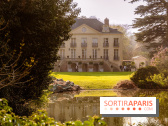
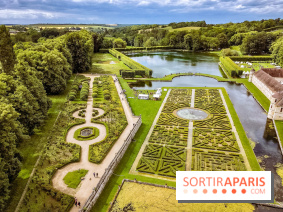
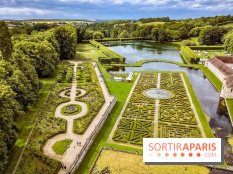
Free-entry château parks in Île-de-France: the best walking spots
Published by
My de Sortiraparis · Photos by
My de Sortiraparis · Updated on August 17, 2026 at 04:49 p.m.
Castle parks offer ideal strolls amid landscaped gardens and historic buildings. Did you know that many of them are free to visit around Paris, in the Île-de-France region? We’re taking a look at the options so you can walk, and perhaps even picnic, depending on the site.
Many people assume a castle must be paid for at the gate. That’s true for the interiors, but much less so for the surrounding parks. From the Seine-et-Marne to the Val-d'Oise, via the Yvelines, the Essonne and the Hauts-de-Seine, a large swath of Île-de-France’s grand estates keeps its gardens open to the public all year round, from sunrise to sunset. In the course of our discoveries, we’ve put together a list of places where a stroll costs nothing, and where you might find yourself returning more often than to the castle itself.
Seine-et-Marne (77)
The department covers two extremes: the vast wooded expanses of Fontainebleau and the meticulously designed gardens of Champs-sur-Marne, with, in addition, an urban fortress-style château in Nemours — a rare gem in Île-de-France.
The parc du château de Fontainebleau spans 130 hectares, about five times the size of the Jardin du Luxembourg. You can walk along the canal, wander the earthen paths, and the state forest starts just a few hundred meters away. The park is free to visit, while the castle itself requires a ticket—except on the first Sunday of each month (excluding July and August).
The Champs-sur-Marne Castle Park spans 85 hectares labeled as a Jardin remarquable, featuring a French-style section designed by Claude Desgots (Le Nôtre’s nephew) and an English-style park that cascades down terraces toward the Marne. The park is freely accessible, while the castle itself requires a ticket for entry. Two notes of caution: picnicking is not allowed and dogs are not permitted. Reachable from the Noisiel RER A station, then a twenty-minute walk.
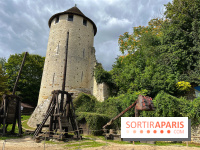
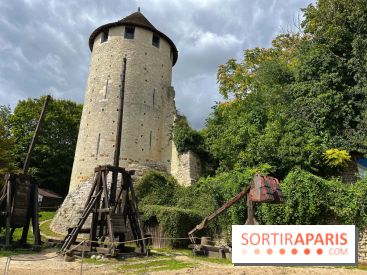
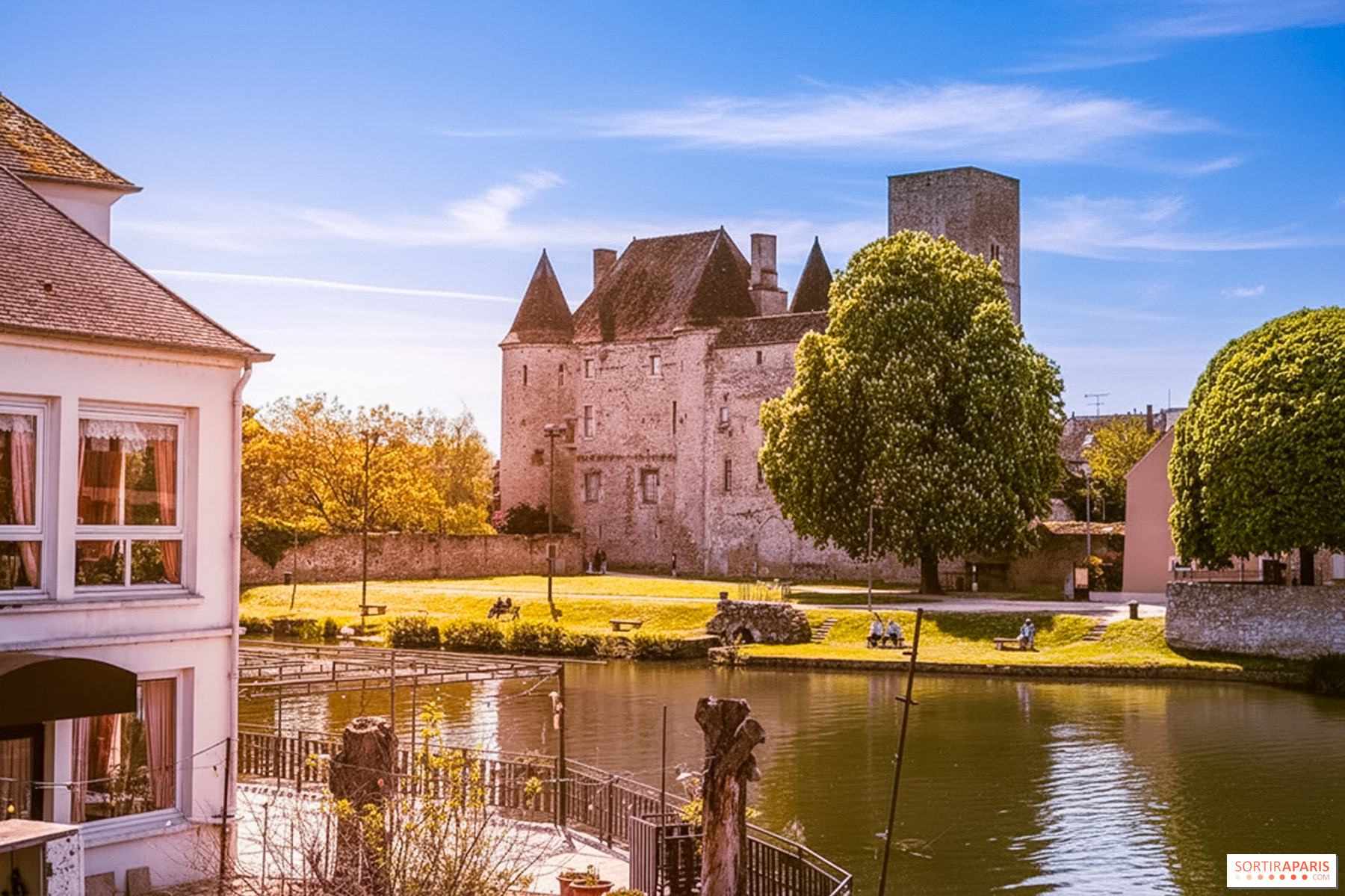
The château-musée de Nemours doesn’t boast a grand park, but offers freely accessible gardens at the foot of a 12th‑century fortress rising above the Loing — one of the rare medieval urban castles in Île-de-France still standing. The stroll continues along the river to a Natura 2000–listed island. The museum is paid, free on the first Sunday of every month all year round. About an hour by train from Gare de Lyon.
Yvelines Department (78)
The area renowned for its sweeping royal panoramas, with two national estates and an extraordinary urban park in Maisons-Laffitte.
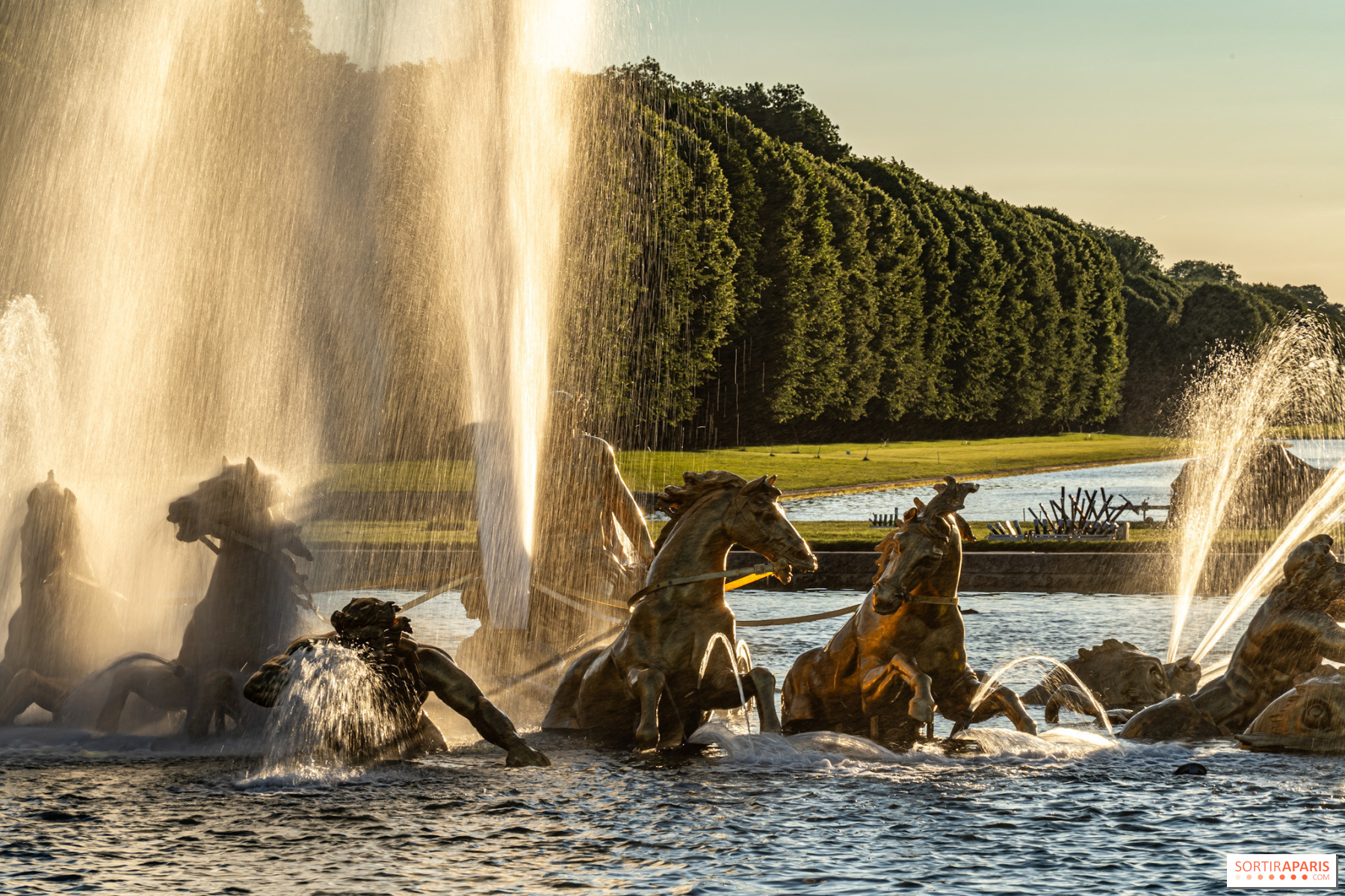
The parc du château de Versailles spans 815 hectares, making it the largest green space in Greater Paris. Access is free via the Queen’s Gate on Boulevard de la Reine, every day of the year. Note that the park and the gardens aren’t the same: the gardens require paid admission on Grandes Eaux et de Jardins Musicaux days. The Grand Canal, nearly two kilometers long, remains the best way to escape the crowds.
The park of the Rambouillet château blends an English garden, islands, meandering paths, expansive lawns and woodland areas, all cut through by the Guéville stream. The entrance is free every day, at Place du Rondeau, just a few minutes from Rambouillet station (line N). Marie-Antoinette never warmed to it, so much so that Louis XVI had a dairy built there: some would say they don’t share her taste.
The Maisons-Laffitte Park was laid out in 1833 by banker Jacques Laffitte and now accounts for about 60% of the town’s area. It can be explored freely year-round, between historic villas, bridle paths, and the training stables of racehorses, as detailed by the local tourism office. The château of François Mansart, meanwhile, is open to visitors with a ticket.
Essonne (91)
The department probably offers the two most generous spots in this selection, with departmental estates where even cultural programming is included at no extra cost.
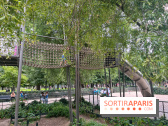
At the departmental estate of Chamarande, everything is free: the 98-hectare park labeled a Remarkable Garden, the contemporary art exhibitions, and the entire annual program. Marshes, meadows, forests, water features, artworks nestled among the trees, a playground, and seasonal boat rides. Must-sees: the Oriental plane and the bald cypress with its pneumatophores. The RER C drops you off just 200 meters from the entrance, and parking is free. Open year-round from 9:00, with closing times of 17:00 in winter and 20:00 from June to September.
The departmental estate of Méréville is the last great picturesque garden of Île-de-France, conceived at the end of the 18th century by François-Joseph Bélanger and later by the painter Hubert Robert. A diverted river, islands, bridges, caves and rockwork remain to this day. Open access is free, while guided tours carry a fee. Two caveats: the site is open seasonally (spring to autumn) and bicycles are not allowed.
On the outskirts of Paris, two gardens by Le Nôtre, one of which has lost its château but has retained the core of its original layout.
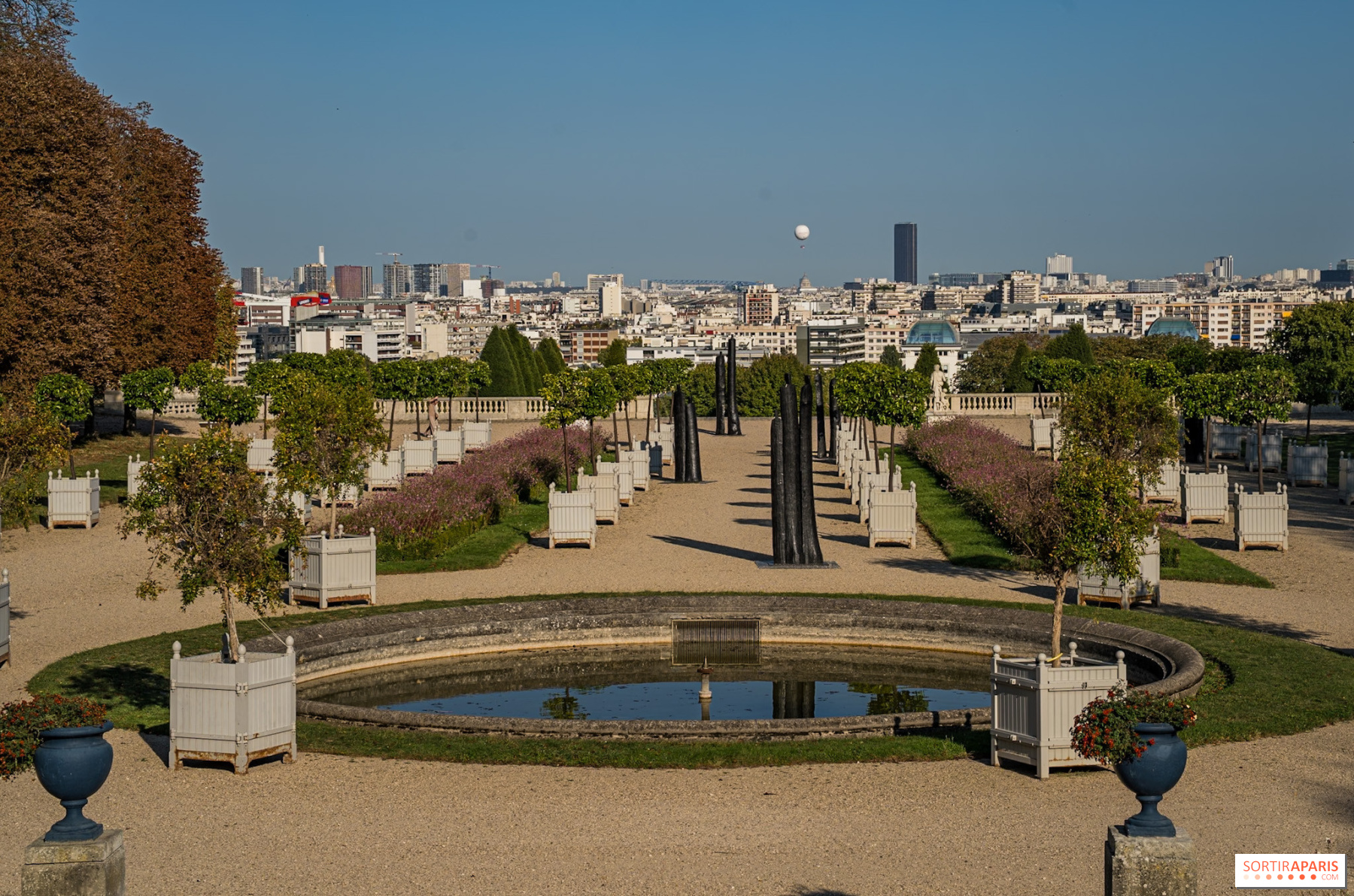
The Saint-Cloud National Domain spans 460 hectares of fountains, sculptures and a panoramic terrace overlooking Paris, even though the château burned down in 1870. Access is free for pedestrians, cyclists and riders, with car and motorized two-wheelers charged. Opening hours are 7:30 to 20:00 from November to February, until 21:00 in March, April, September and October, and until 22:00 from May to August. Handy tip: the Pieds à terre ferme initiative keeps some traffic-free streets on Sunday mornings from 7:30 to 11:30, March to October 2026 (excluding August).
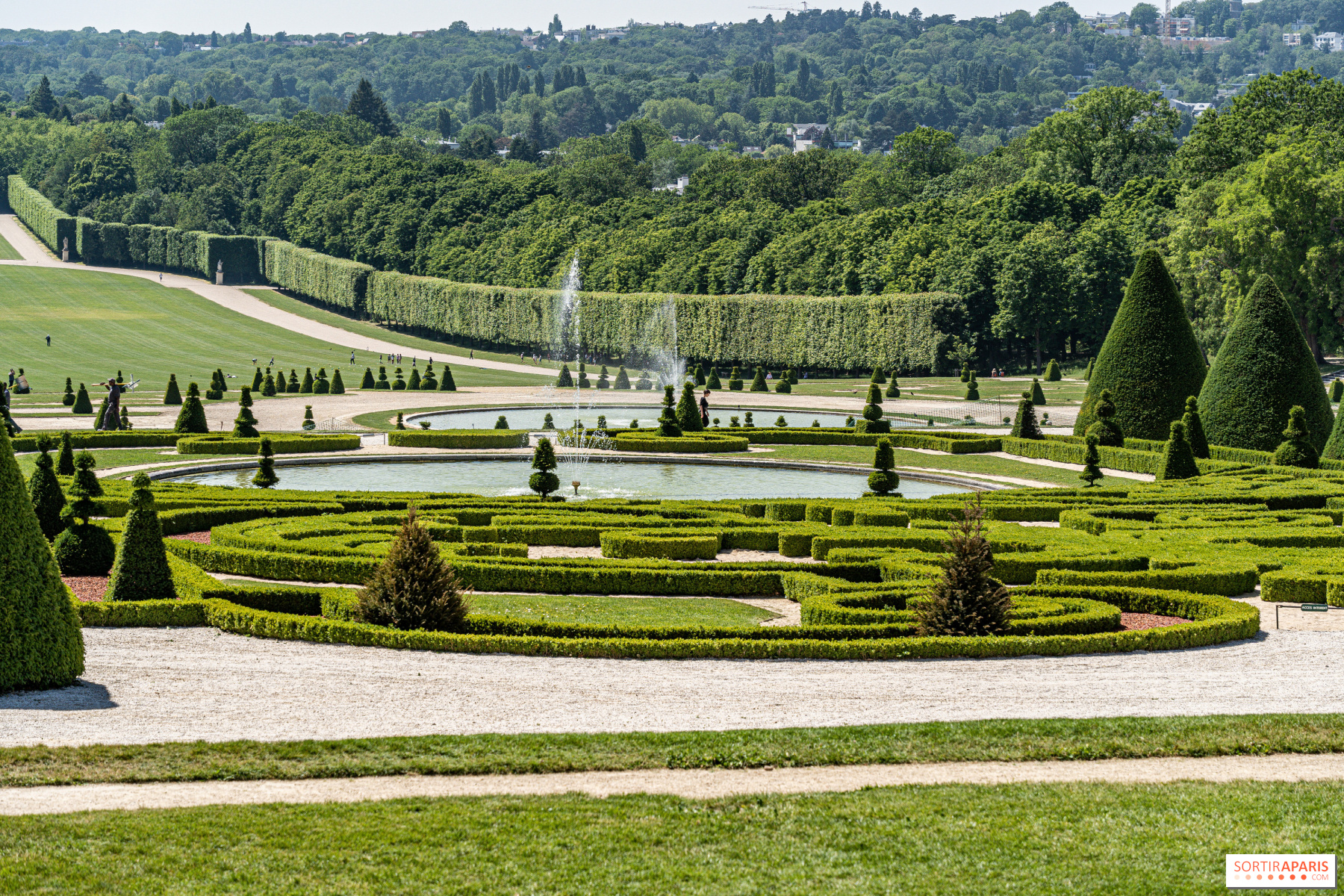
The Parc du Domaine départemental de Sceaux showcases Le Nôtre’s parterres, the double perspective, the Grand Cascade, the Octagon Basin, and a thousand-meter-long canal. The park is free to explore every day; the château houses the departmental museum and charges admission. Picnics are welcome on the lawns, parking is free, and the nearest RER B stops are Parc de Sceaux and Bourg-la-Reine. Spring’s cherry blossoms draw large crowds, so arrive early for the best experience.
Val-d'Oise (95)
The French Vexin hides the two standout surprises on this list, including a regional estate that houses two castles within the same park.
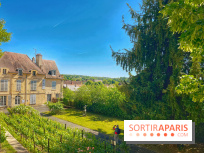
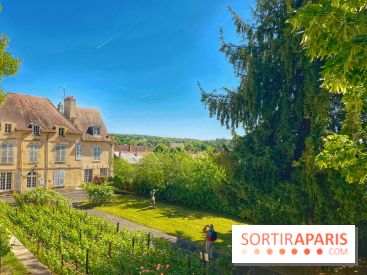
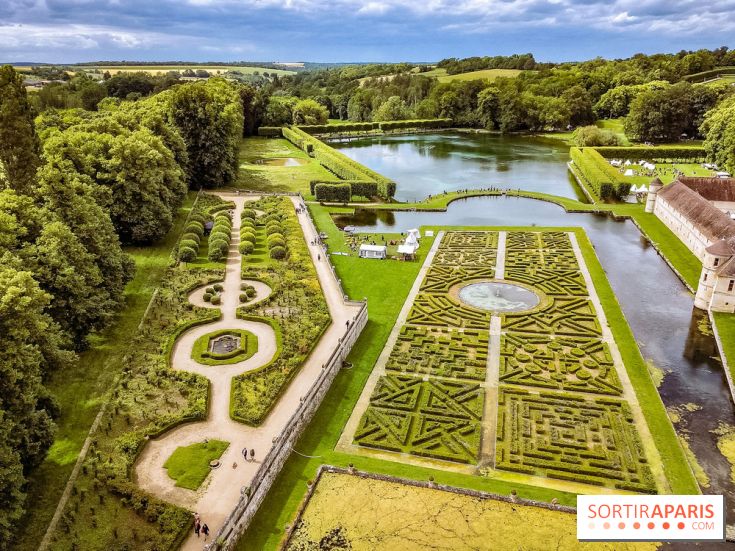
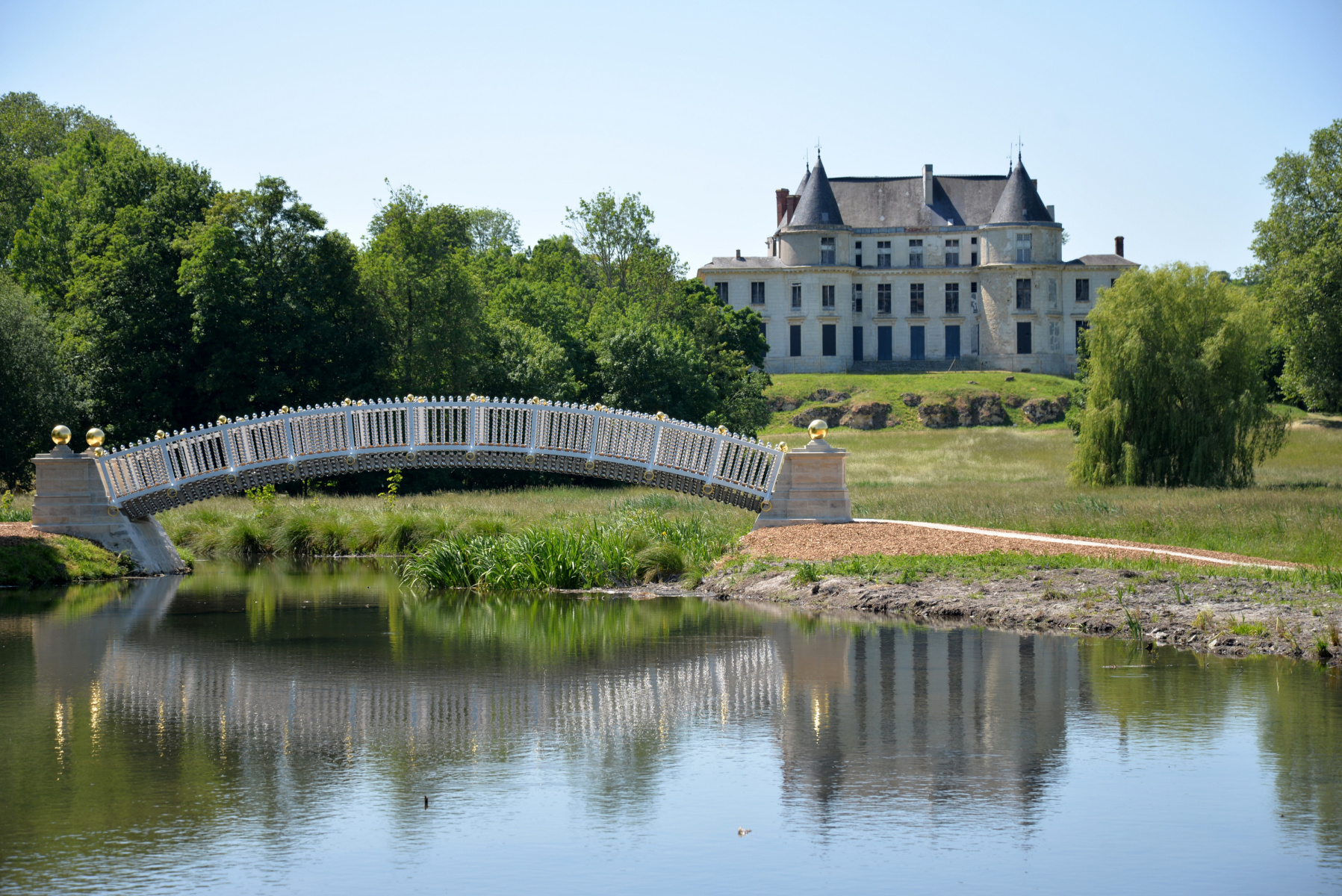
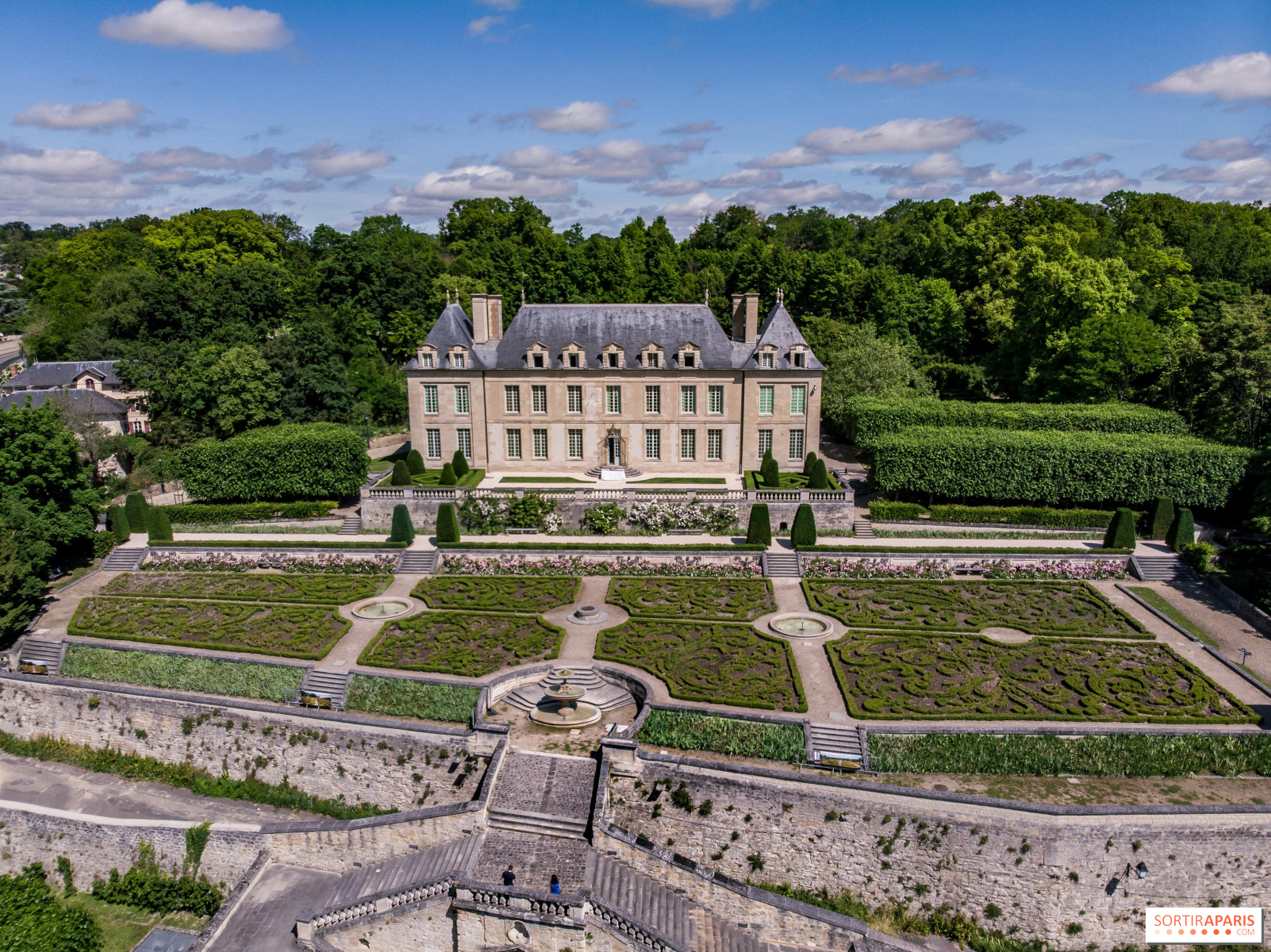
The park and gardens of the Château d'Auvers-sur-Oise blend three influences across 9 hectares: Italian-style terraces and viewpoints (the château was built around 1635 for Zanobi Lioni, a financier at the court of Marie de Médicis), French hedges in a buiswork, and English, meandering avenues. They’re joined by a hedge maze, a nympharium inlaid with seashells, an orangery, and a temporary garden. Access is free and open from Tuesday to Sunday and on public holidays, 9am–7pm April through October and 9am–6:30pm November through March, with Monday closed. The impressionist path installed inside the château remains ticketed.
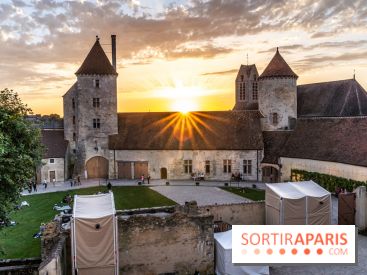
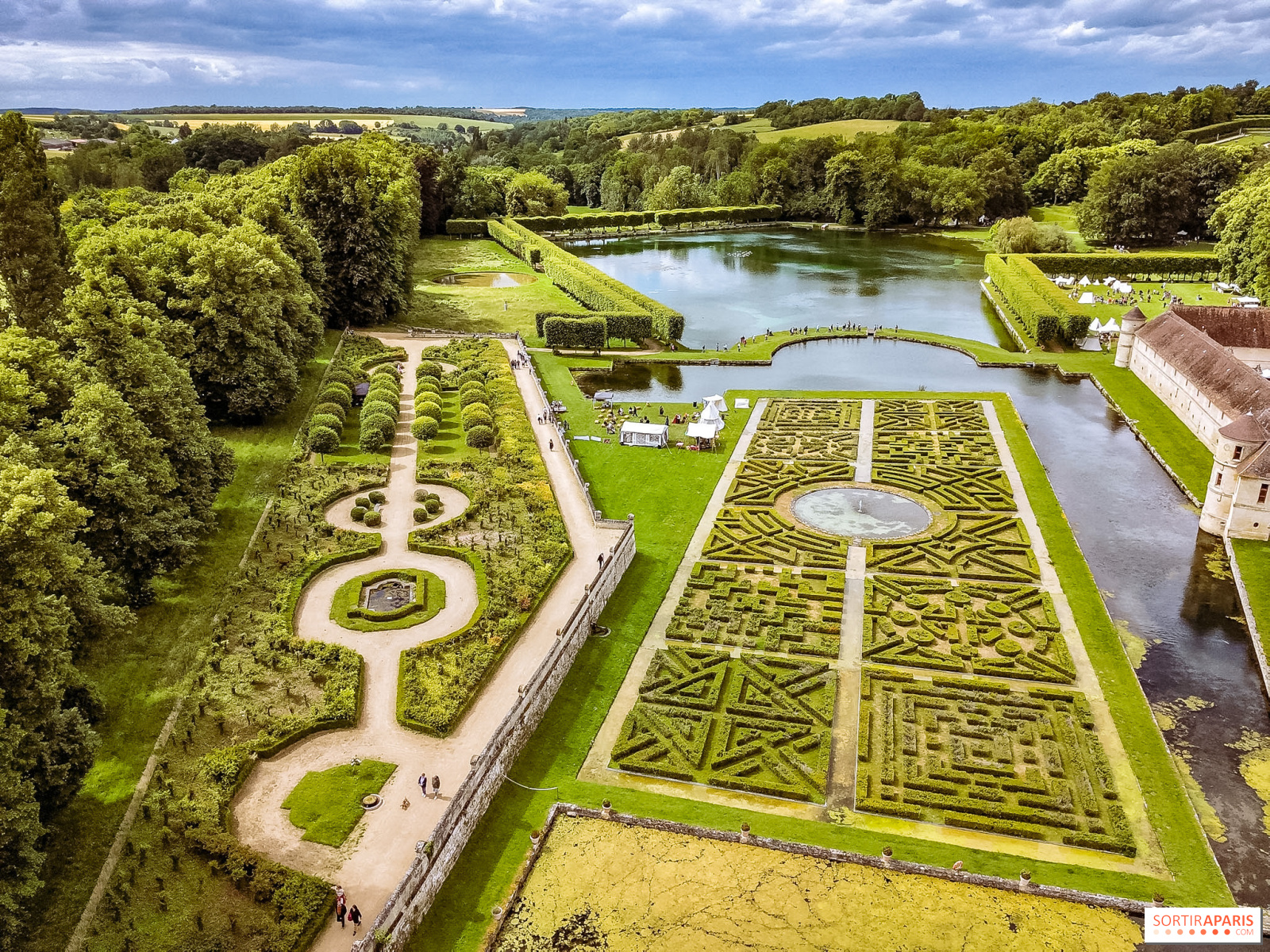
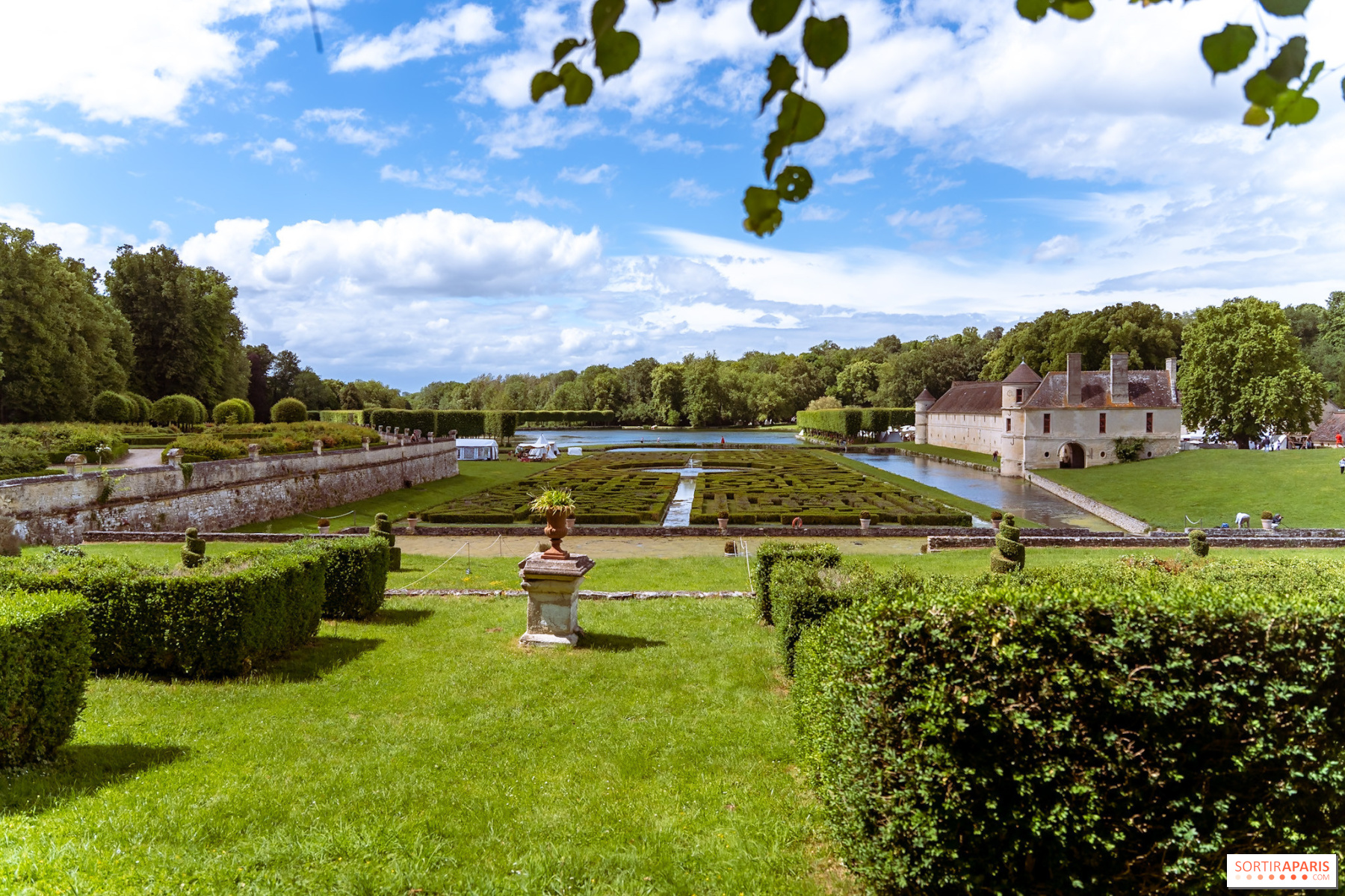
The Villarceaux regional domain spans 70 hectares listed as a Jardin remarquable in Chaussy, at the heart of the Parc naturel régional du Vexin français, with two châteaux classified as heritage. At the lower end sits the medieval manor and the Saint-Nicolas tower; at the upper end rise the Louis XV château and its orangery, linked by a vertugadin (an eighteenth‑century pannier‑skirt-inspired slope). Access is free, with a season of free animations running until 1 November 2026 and free guided tours on Saturdays at 2:30 PM and Sundays at 2:30 PM and 3:30 PM, no reservations required. Picnicking is forbidden except during “Samedis à la campagne,” dogs on a leash. No nearby train station: reachable by car via the D86 or Baladobus from Cergy-Pontoise.
Where can you picnic in free-entry castle parks?
That’s the question that comes up most often, and the answer isn’t obvious: free access doesn’t mean a free pass. In many areas, picnicking is prohibited to protect historic lawns, while others welcome it with designated spots. Here’s what you need to know before you fill your basket.
For the other estates in this selection (Saint-Cloud, Auvers-sur-Oise, Maisons-Laffitte and the Gardens of Nemours), it's wise to check the online visiting regulations before you go, as rules change from season to season. In Nemours, the banks of the Loing just downstream anyway make for an excellent fallback option.
Which castles offer free admission on the first Sunday of the month?
If you feel like stepping through the doors of a château, several Île-de-France monuments offer free access to their interiors on the first Sunday of the month, depending on the schedule.
A free reservation can be requested for certain sites, notably at Versailles, where time slots remain mandatory even for those eligible for free admission. A quick look at the Centre des monuments nationaux website helps you avoid any surprises.
What if we treated ourselves to a free stroll?
These estates are perfect for anyone looking to escape Paris on a budget with minimal planning. Most can be reached by RER or Transilien, and most allow picnics (except Champs-sur-Marne and Villarceaux). For a family outing, Chamarande and Sceaux lead the pack with playgrounds, boating, and wide grassy lawns. For long walks, Versailles, Saint-Cloud, and Fontainebleau offer miles of trails without ever retracing steps. And for those with a car craving a full change of scenery, Villarceaux remains our best surprise in Val-d’Oise.
Two quick cautions, because they come up often. First, free doesn’t mean open all the time: hours shift with the season, and several sites close on January 1, May 1, and December 25. Second, major events (festivals, fireworks, Grandes Eaux) can temporarily change access and sometimes even the free entry. A quick call or a check of the official website before you head out remains the best bet.







 7 castles with free admission this Sunday, September 6, 2026, in and around Paris — the first Sunday of the month