By the end of January 2026, good news emerged for heritage enthusiasts across Île-de-France. During its January 29 executive session, the Île-de-France Regional Council awarded the “Regional Heritage of Interest” label to four new sites. Launched in 2018, this initiative highlights locations that are not officially protected as Monuments Historiques, but nonetheless hold significant architectural, historical, or cultural value for the region. Thanks to these latest additions, a total of 247 sites now hold this prestigious recognition.
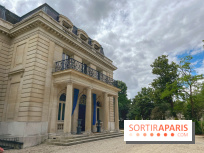
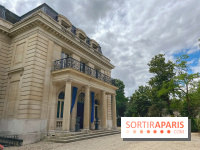
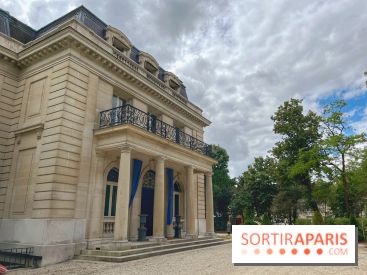
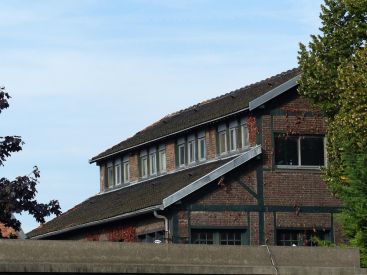
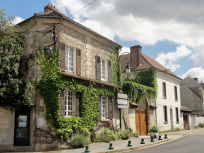
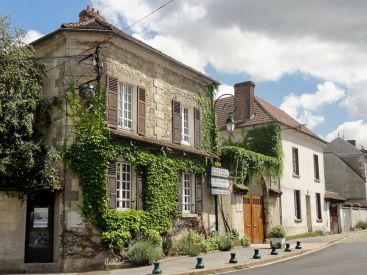
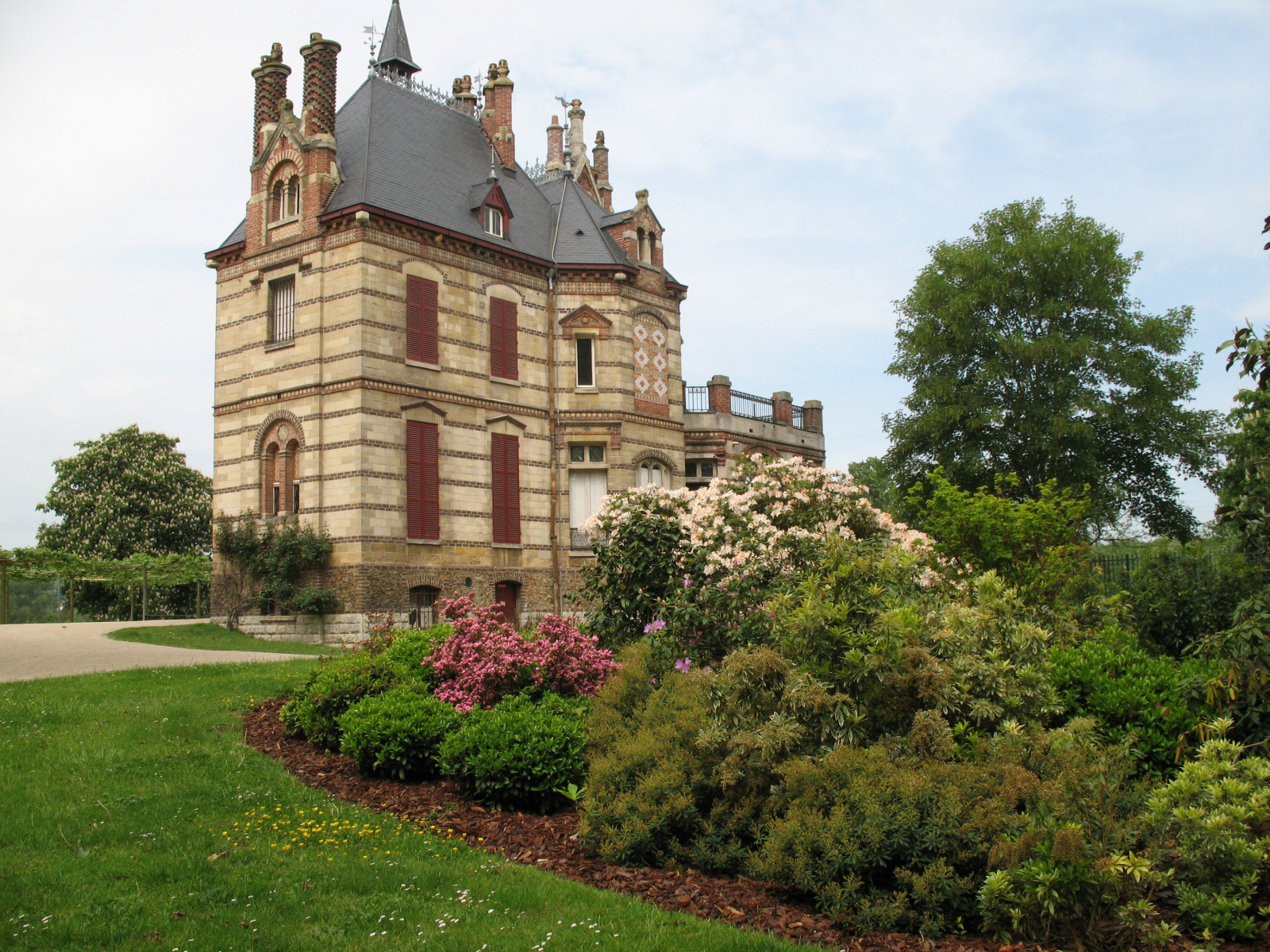
Among them is the Maison du Parc de l’Oseraie, located in Les Mureaux, in the Yvelines. Built in 1874 by architect Jules Saulnier, this house exemplifies the 19th-century craze for countryside retreats. During that era, the banks of the Seine drew families seeking fresh air and nature, just a few miles from Paris. The residence, remarkably well-preserved, has retained most of its original character. The only significant change came in the 20th century when its terrace was enclosed, slightly altering its appearance.
Nestled in the heart of a public park, this charming villa has just been officially designated as a site of regional heritage significance.
Tucked away in a lush green setting in Île-de-France, this charming villa, discreetly hidden behind centuries-old trees, surprises passersby when spotted unexpectedly in a public garden in the Yvelines. [Read more]
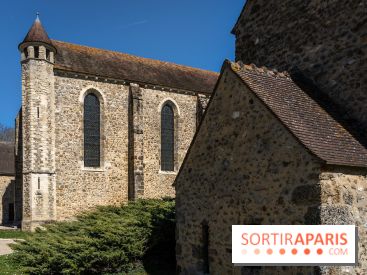
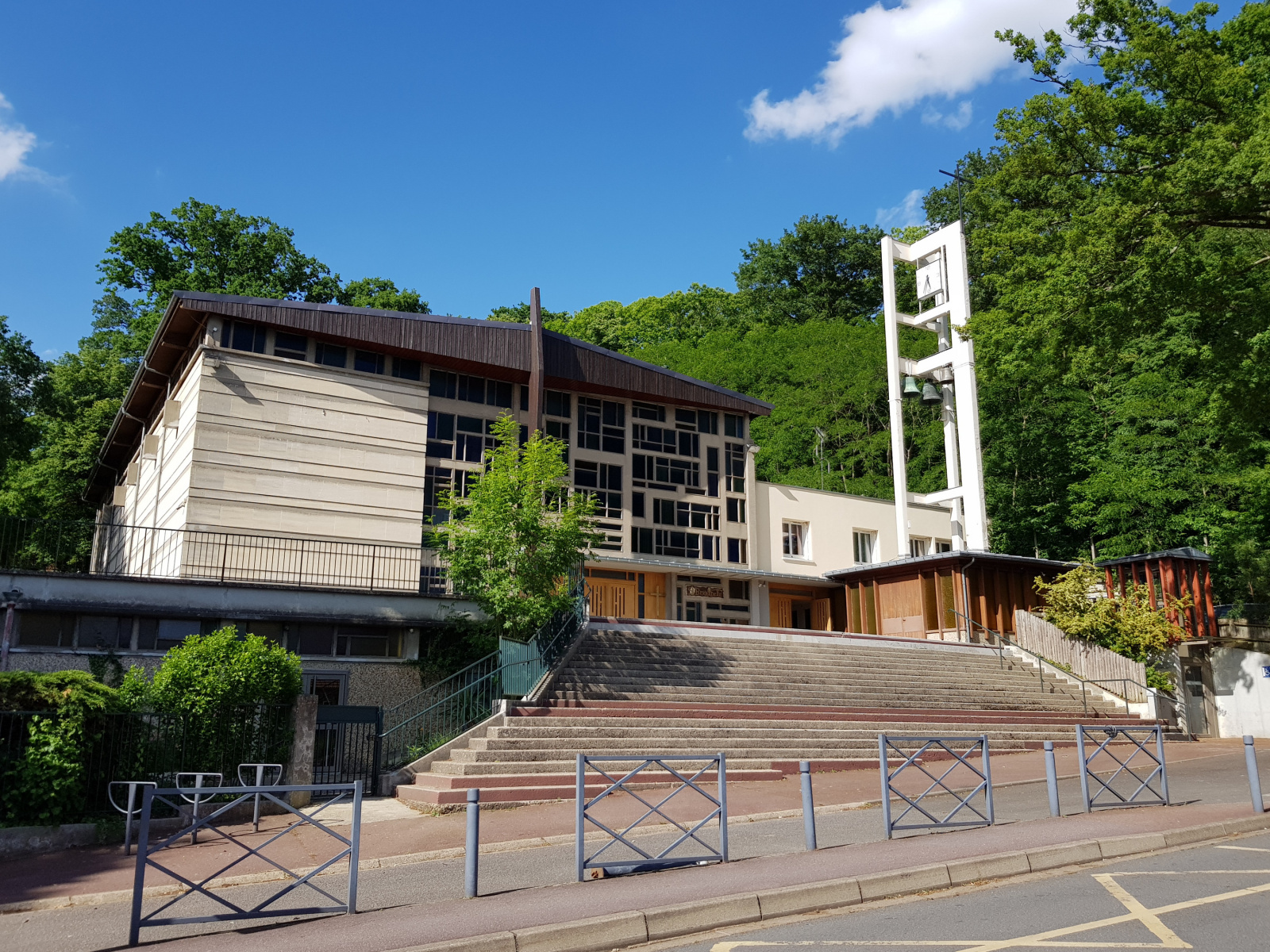
In Chaville, within the Hauts-de-Seine region, stands the Church of Sainte-Bernadette. Built between 1961 and 1962 by architect Robert Louard, it highlights a more contemporary chapter of local heritage. Its façade features a striking stained-glass wall that fills the interior with colorful light. The wooden framework, designed by master carpenter Raoul Vergès, along with artworks by Danièle Fuchs and Robert Bonfils, lend the structure a distinctive artistic presence. The building exemplifies the shift in religious architecture that took place in the 1960s.
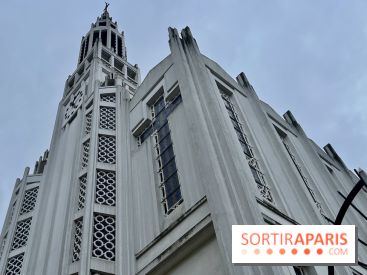
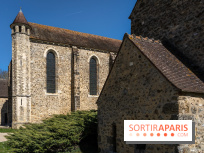
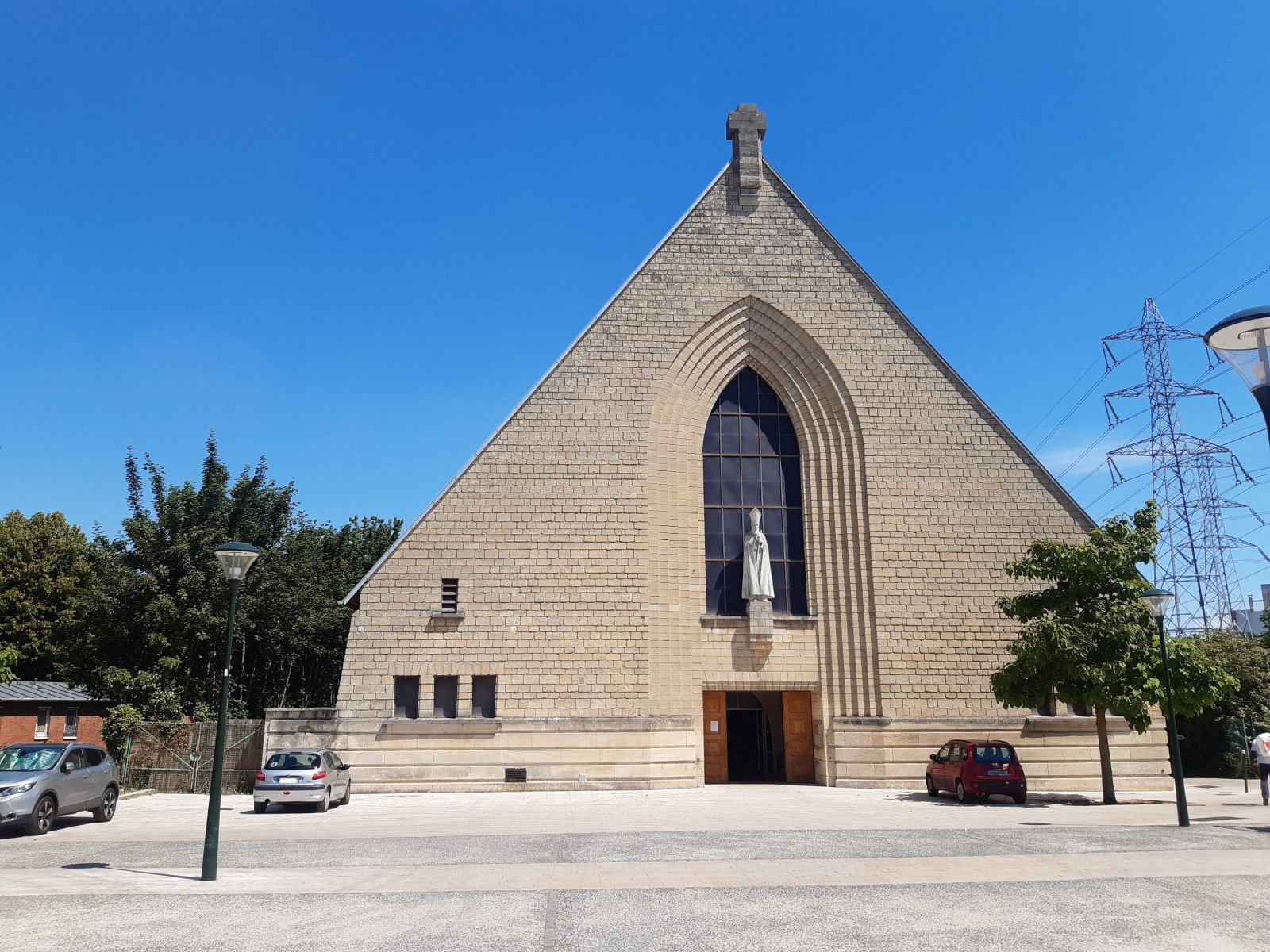
In Clamart, the Saint François de Sales church has now been added to the list. Built in 1933 under the direction of René Lacourrège, it was constructed during the urban expansion period between the wars. Its distinct silhouette stands out in the local landscape, while its interior notably features two stained glass windows crafted by the Barillet-Le Chevallier-Hanssen workshops—key figures in modern stained glass art. The building symbolizes a significant chapter in the architectural history of the town.
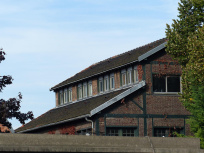
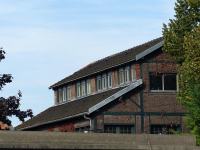
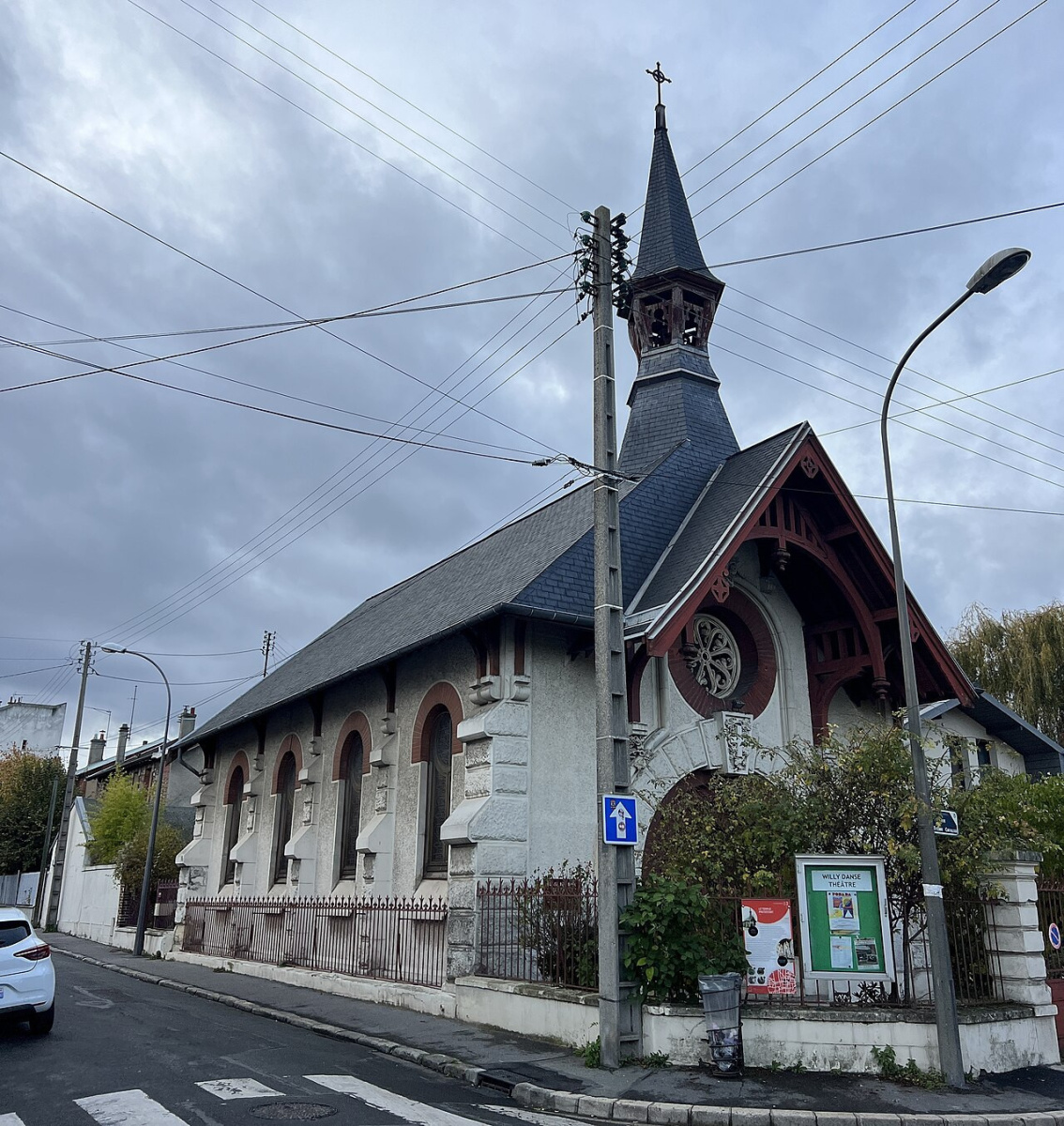
Finally, in Argenteuil, within the Val-d’Oise, the former Lutheran church built in 1895 by architect Augustin Rey completes this selection. Its distinctive architecture, characterized by a single nave and an overhanging roof, gives it a unique appearance. Inside, a strikingly carved pulpit and colorful, non-figurative stained glass windows draw the eye. The site offers a glimpse into the religious and social history of the town at the end of the 19th century.
These four new designations provide a fresh opportunity to rediscover those often-overlooked sites that play a key role in shaping the identity of the Île-de-France region!
This page may contain AI-assisted elements, more information here.





























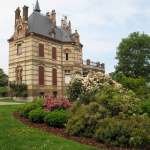

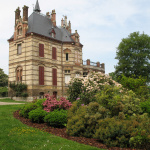
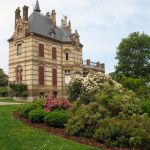 Nestled in the heart of a public park, this charming villa has just been officially designated as a site of regional heritage significance.