Heritage & architecture guide

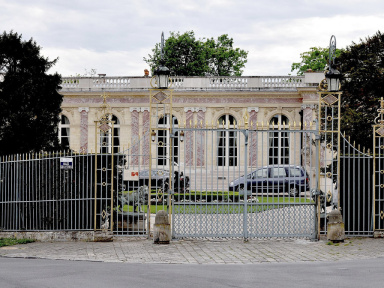
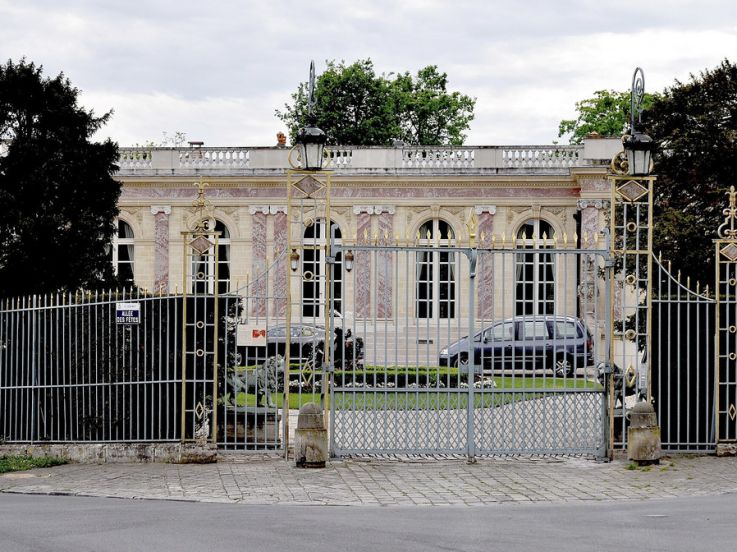
D'où vient ce sublime palais rose situé en région parisienne ?D'où vient ce sublime palais rose situé en région parisienne ?D'où vient ce sublime palais rose situé en région parisienne ?D'où vient ce sublime palais rose situé en région parisienne ?

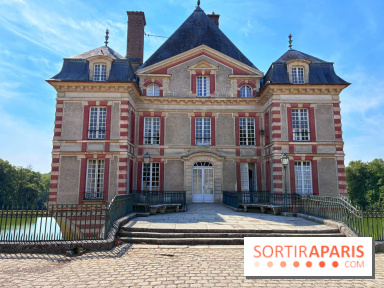
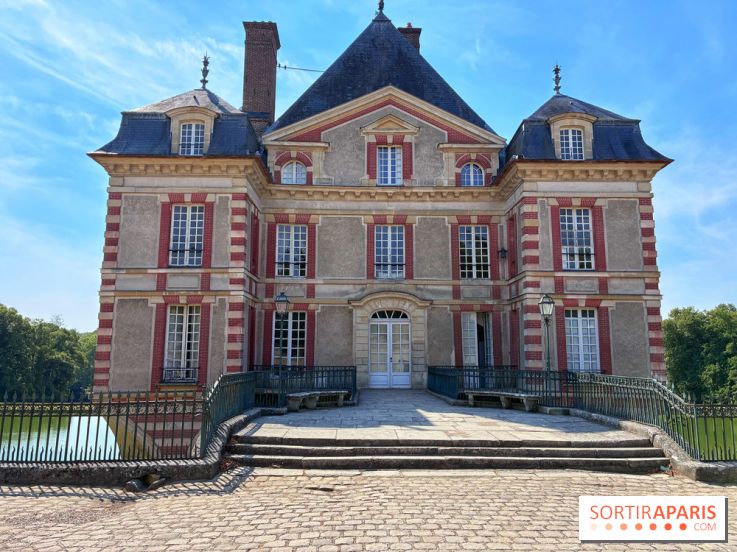
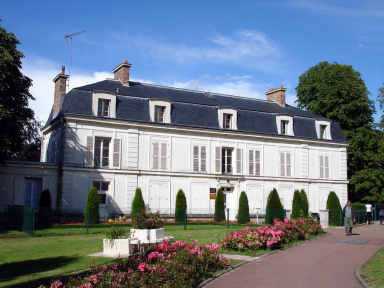
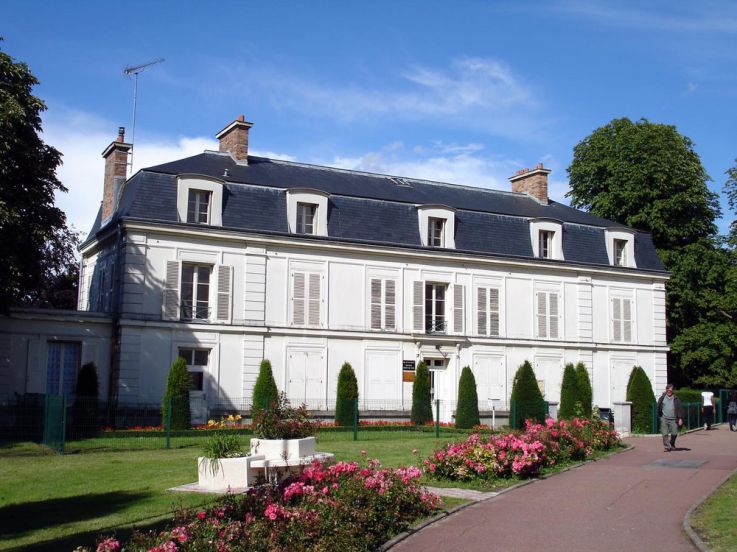
This splendid pink palace in the Paris region was the home of an eccentric Belle Époque marchioness.

In Le Vésinet, in the Yvelines, the Rose Palace fascinates as much with its Versailles-inspired architecture as with the incredible fate of one of its most famous inhabitants: the Marquise Luisa Casati, an eccentric figure of the Belle Époque.
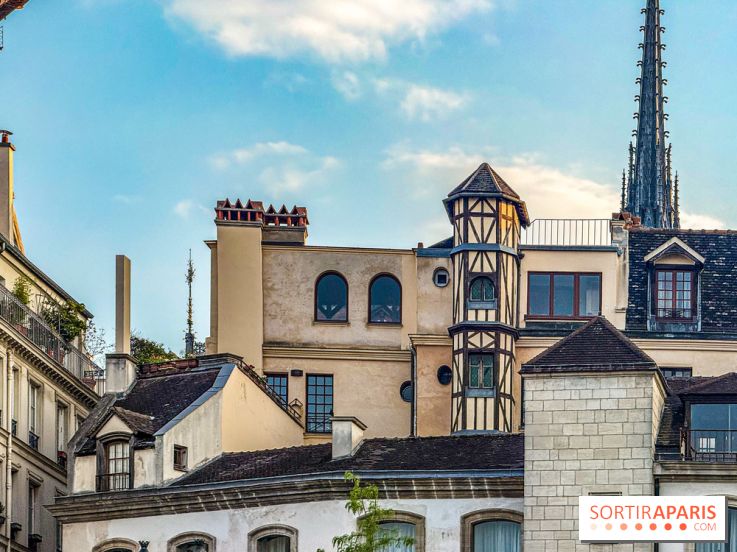
Fausse maison médiéval île de la Cité Notre DameFausse maison médiéval île de la Cité Notre DameFausse maison médiéval île de la Cité Notre DameFausse maison médiéval île de la Cité Notre Dame

Near Notre-Dame, this astonishing medieval-looking house is actually a 1950s-era creation.

On Île de la Cité, just a stone’s throw from Notre-Dame, a residence regularly catches the eye of passersby, especially when seen from the Seine on a cruise. With its turret, mullioned windows and medieval vibe, it seems to have traversed the centuries. Yet this house on Rue des Ursins is the work of architect Fernand Pouillon, completed in the late 1950s.
Cette cité-jardin des années 1930 cache un étonnant décor Art décoCette cité-jardin des années 1930 cache un étonnant décor Art décoCette cité-jardin des années 1930 cache un étonnant décor Art décoCette cité-jardin des années 1930 cache un étonnant décor Art déco

This 1930s garden city hides an astonishing Art Deco décor.

conceived in the 1930s as a true city within a city, this garden suburb brought together housing, schools, shops, bathhouses and green spaces. Its horseshoe-shaped layout and Art Deco architecture still offer, today, a different way of imagining the working-class suburb.
Château d'OrmessonChâteau d'OrmessonChâteau d'OrmessonChâteau d'Ormesson

The Château d’Ormesson and its vast estate will open to the public for the first time this summer, 2026.

One of Val-de-Marne’s best-kept secrets reveals its treasures to the public this summer for the first time, from July 27 to September 4, 2026. The Château d'Ormesson, a 16th-century estate that has remained in the same family for generations, invites walkers to explore its historic grounds and its sumptuous interior.
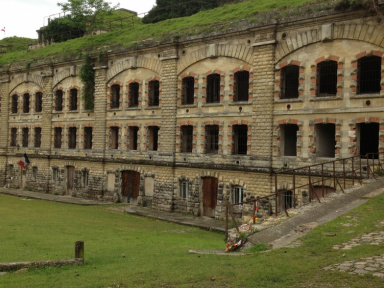
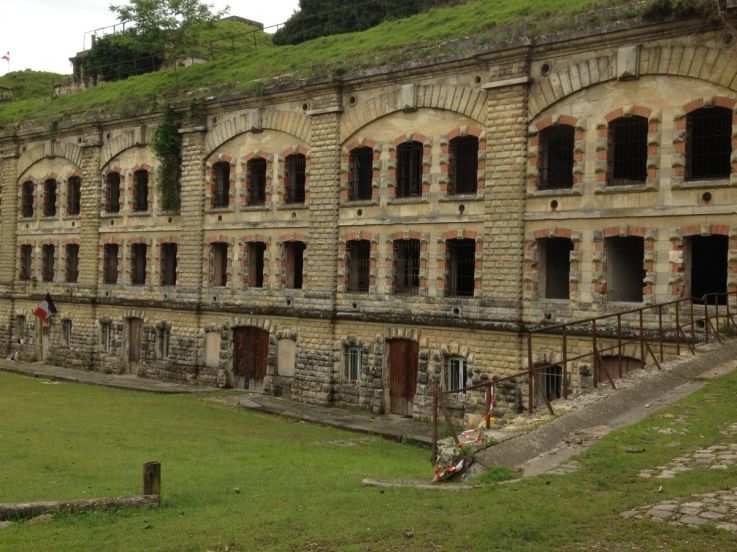
Avec celui de Cormeilles, ce fort militaire formait l’un des verrous défensifs de ParisAvec celui de Cormeilles, ce fort militaire formait l’un des verrous défensifs de ParisAvec celui de Cormeilles, ce fort militaire formait l’un des verrous défensifs de ParisAvec celui de Cormeilles, ce fort militaire formait l’un des verrous défensifs de Paris

Together with the Cormeilles fort, this military strongpoint formed one of Paris's defensive bulwarks.

With its neighbor a little further to the west, this imposing military work formed one of the main defensive bottlenecks protecting the capital’s northern approaches in the wake of the Franco-Prussian War. Still owned by the Ministry of the Armed Forces, it has retained its military character and much of its original fittings, making it a rare witness to the fortification system conceived at the end of the 19th century.
Journées du Patrimoine 2022 : visite et animations au Fort de Cormeilles-en-Parisis (95)Journées du Patrimoine 2022 : visite et animations au Fort de Cormeilles-en-Parisis (95)Journées du Patrimoine 2022 : visite et animations au Fort de Cormeilles-en-Parisis (95)Journées du Patrimoine 2022 : visite et animations au Fort de Cormeilles-en-Parisis (95)

This 43-hectare fortress in Val-d'Oise is among the best-preserved in France.

Built to defend Paris after the Franco-Prussian War of 1870, this military fort has weathered nearly 150 years of history without losing the essence of its architecture. With its ramparts, casemates and vast, still-intact spaces, it today ranks among the best-preserved fortified works in Île-de-France.
Sous le parc de ce château se cache une étonnante glacière vieille de plusieurs sièclesSous le parc de ce château se cache une étonnante glacière vieille de plusieurs sièclesSous le parc de ce château se cache une étonnante glacière vieille de plusieurs sièclesSous le parc de ce château se cache une étonnante glacière vieille de plusieurs siècles

Hidden beneath the park of this château lies a remarkable icehouse, its origins dating back several centuries.

Beneath the castle’s park lies a rare underground icehouse, once used to store ice year-round. An astonishing relic that completes the estate’s story, perched between an 18th-century residence, a landscaped park, and everyday heritage.
Avec ses airs de villa italienne, ce château surprend en pleine Île-de-FranceAvec ses airs de villa italienne, ce château surprend en pleine Île-de-FranceAvec ses airs de villa italienne, ce château surprend en pleine Île-de-FranceAvec ses airs de villa italienne, ce château surprend en pleine Île-de-France

With its Italian villa vibe, this château stands out in the heart of Île-de-France.

With brick and stone façades, turrets, loggias and terraces, this elegant residence looks straight out of a grand Italian Renaissance villa. Yet this setting is right here in Île-de-France, where it tells the story of a leisure estate nestled in a park that has been shaped for more than three centuries.
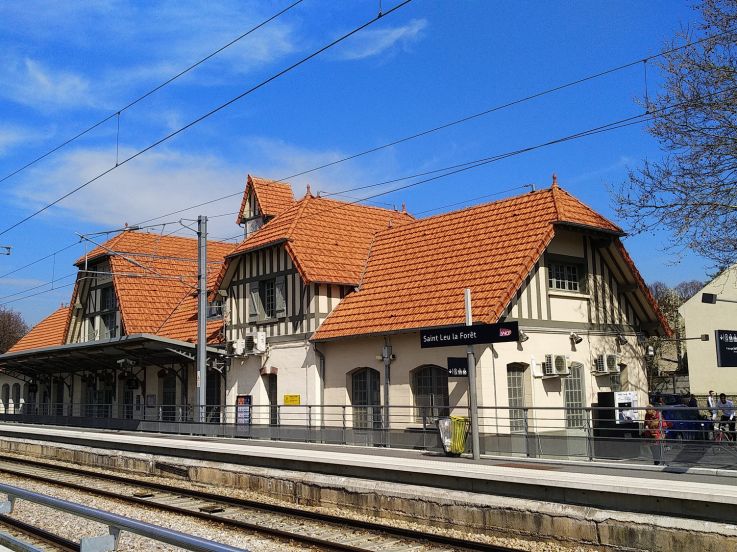
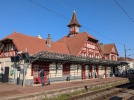
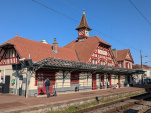
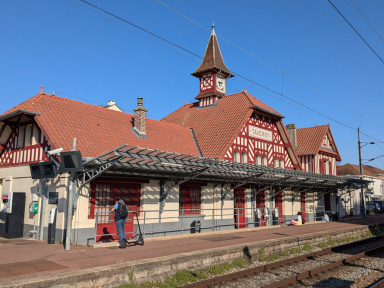
Gare de Saint-Leu-la-Forêt Patrimoine d'intérêt regionalGare de Saint-Leu-la-Forêt Patrimoine d'intérêt regionalGare de Saint-Leu-la-Forêt Patrimoine d'intérêt regionalGare de Saint-Leu-la-Forêt Patrimoine d'intérêt regional

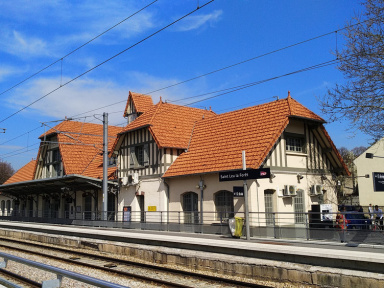
With its clock tower and timber-framed façade, this Val-d’Oise railway station looks as if it were from another era.

With its postcard-perfect silhouette, a clock tower that towers over the platforms, and half-timbered façades, this station stands out from the usual image of suburban stations. Heir to the sweeping railway transformations of the interwar period, it preserves a distinctive charm that whisks travelers to another era, long before daily commutes and information screens.
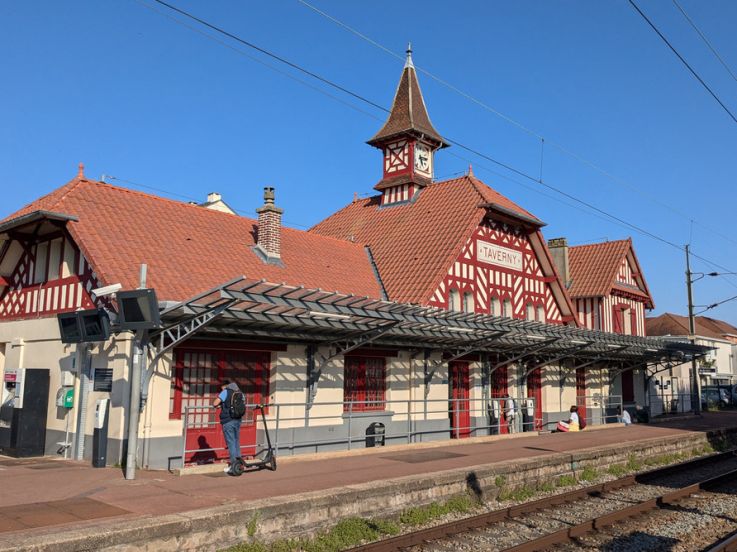
Cette gare à colombages et tour-horloge est l’une des plus étonnantes d’Île-de-FranceCette gare à colombages et tour-horloge est l’une des plus étonnantes d’Île-de-FranceCette gare à colombages et tour-horloge est l’une des plus étonnantes d’Île-de-FranceCette gare à colombages et tour-horloge est l’une des plus étonnantes d’Île-de-France

This timber-framed station with a clock tower stands out as one of the most remarkable in Île-de-France.

With its unconventional silhouette, its clock tower and timber-framed façades, this station stands out from the usual image of suburban rail hubs. Behind this almost picturesque setting lies the history of a railway building transformed in the early 20th century, which over the decades became a true architectural landmark for everyday travelers.
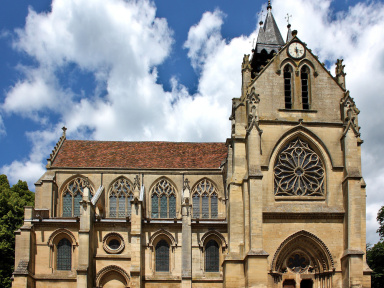
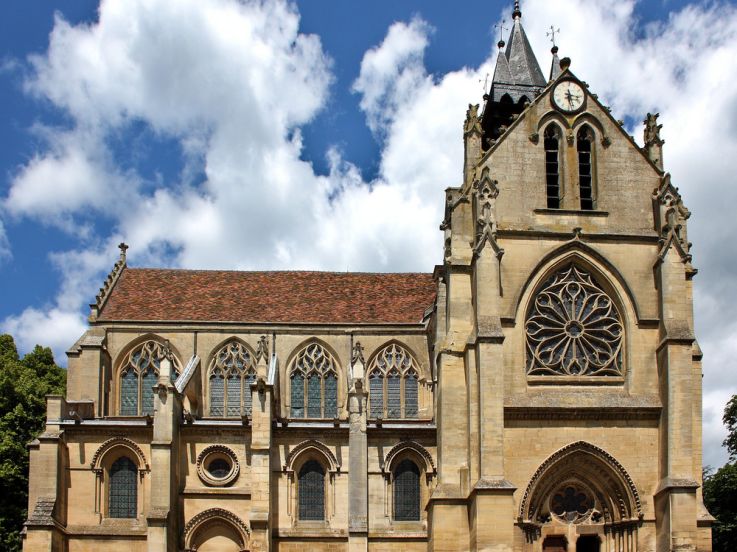
Chapelle des Rohan Chabot TavernyChapelle des Rohan Chabot TavernyChapelle des Rohan Chabot TavernyChapelle des Rohan Chabot Taverny

This neo-Gothic chapel conceals the burials of a prominent French family.

Behind the walls of this discreet chapel lies the story of one of the great lineages of French nobility. With its neo-Gothic architecture, an atmosphere that feels almost timeless, and the tombs it shelters, this place of memory tells, in its own way, centuries of family heritage — far from the pomp of grand châteaux, but no less rich in tales.

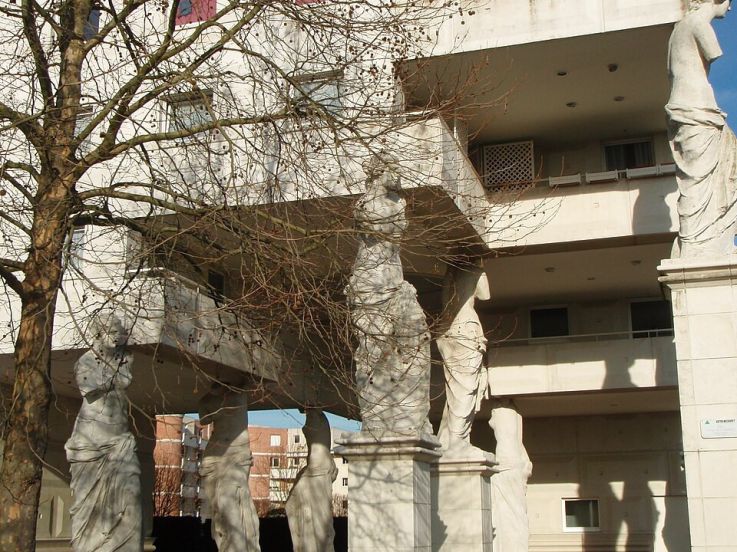
En région parisienne, cet immeuble suspendu sur des sculptures est un trésor du patrimoine contemporainEn région parisienne, cet immeuble suspendu sur des sculptures est un trésor du patrimoine contemporainEn région parisienne, cet immeuble suspendu sur des sculptures est un trésor du patrimoine contemporainEn région parisienne, cet immeuble suspendu sur des sculptures est un trésor du patrimoine contemporain

In the Île-de-France region, this building perched atop sculptures is a treasure of contemporary heritage.

In the Yvelines, in Guyancourt, there is a building literally supported by sculptures inspired by the famous Venus de Milo. Here’s more on this architectural curiosity!
Villa Mauresque HerblayVilla Mauresque HerblayVilla Mauresque HerblayVilla Mauresque Herblay

This house, with its Oriental-palace vibe, labeled Regional Heritage of Interest, stands out along the Seine.

With its oriental-palace aura along the water, this singular residence stands out in the Île-de-France landscape. Part architectural whimsy, part décor drawn from distant shores, and rooted in local history, the site—now labeled Regional Heritage of Interest—draws as much for its striking silhouette as for the precious heritage it preserves.
Conflans-Sainte-Honorine (78)Conflans-Sainte-Honorine (78)Conflans-Sainte-Honorine (78)Conflans-Sainte-Honorine (78)

This modernist riverside building in the Yvelines conceals a landmark of the boatmen’s world.

At the crossroads of the rivers, this modernist building preserves the memory of a time when boatmen still came here to load their freight. Today designated as a Regional Heritage Site, it bears witness to both the history of river transport and an architecture conceived to live in sync with the cadence of the water.
Cette demeure bourgeoise de style Napoléon III...Cette demeure bourgeoise de style Napoléon III...Cette demeure bourgeoise de style Napoléon III...Cette demeure bourgeoise de style Napoléon III...

This Napoleon III–style bourgeois mansion hides a little-known park along the Oise.

Elegant 19th-century silhouette posed within a vast green setting, this property on the banks of the Oise tells, in its own way, another story of Île-de-France's heritage. Between bourgeois architecture, a tree-lined park, and local memory, this site—today designated Regional Heritage—retains a discreet charm that deserves a visit.
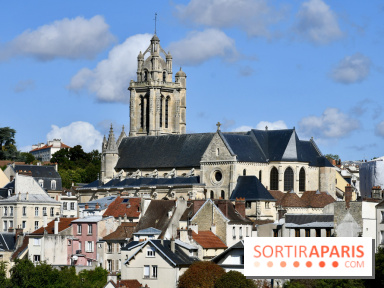
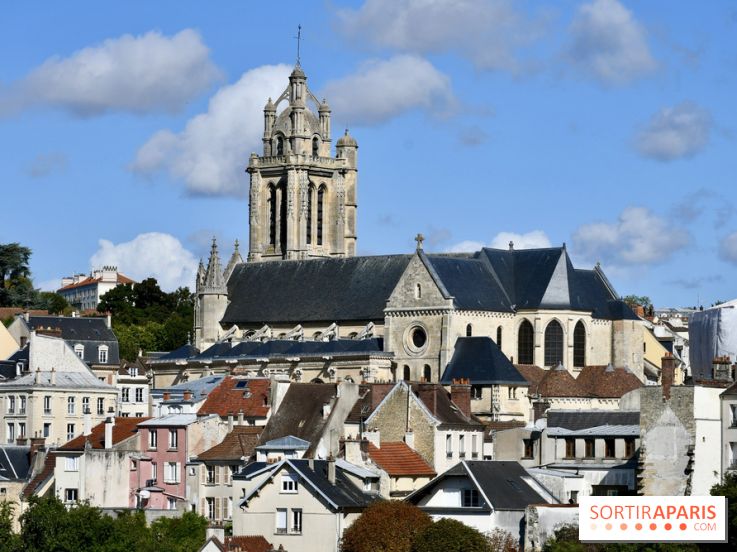
Cathédrale Saint-Maclou Pontoise Val d'OiseCathédrale Saint-Maclou Pontoise Val d'OiseCathédrale Saint-Maclou Pontoise Val d'OiseCathédrale Saint-Maclou Pontoise Val d'Oise

This boathouse in Île-de-France, designated as Regional Heritage of Interest, hides a rare treasure from the shores of the Oise.

Set on stilts at the water’s edge, this striking wooden chalet evokes the era of river leisure and canoeing. Restored and today designated as Regional Heritage, it remains one of the few surviving witnesses to this chapter of life along the Oise.
Encore plus d'Auvers-sur-OiseEncore plus d'Auvers-sur-OiseEncore plus d'Auvers-sur-OiseEncore plus d'Auvers-sur-Oise

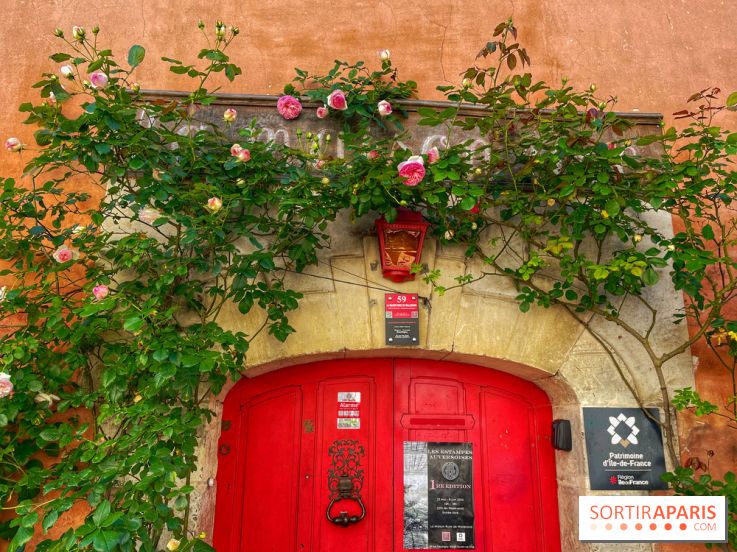
This elegant historic building with its pink-hued façade in Île-de-France has been designated as a Regional Heritage asset.

On the edge of the Vexin, in Île-de-France, this artist’s house with its rosy façade catches locals by its character, and above all by the summer cultural events held during artist residencies. Discover this charming building where Charles-François Daubigny lived, as well as the painter Wallerand, now bearing the Regional Heritage label.
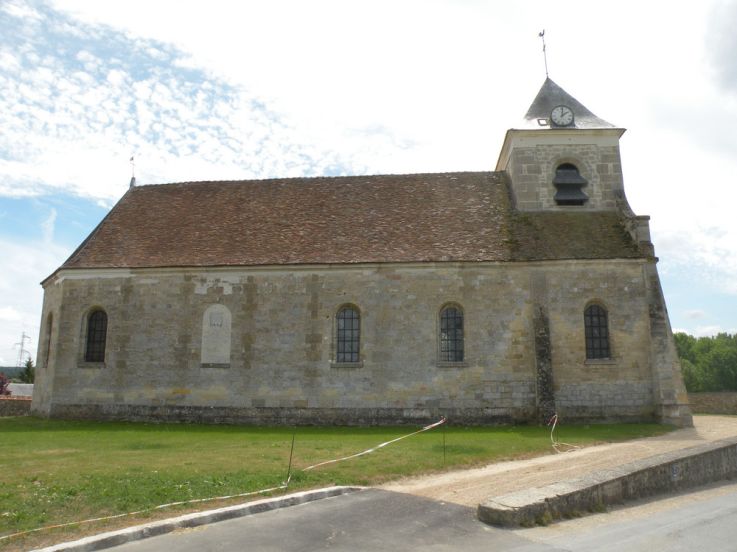
Eglise Saint-Sulpice SagyEglise Saint-Sulpice SagyEglise Saint-Sulpice SagyEglise Saint-Sulpice Sagy

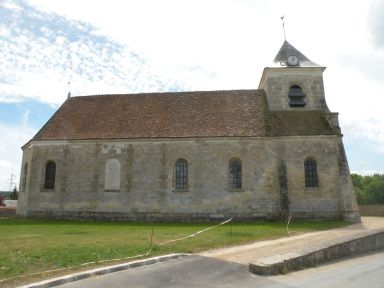
This discreet church in the Vexin, designated Regional Heritage of Interest, conceals a little-known facet of Île-de-France’s heritage.

Rebuilt in the 18th century in a rural setting in the Vexin, this place of worship captivates with its sobriety and its turbulent history. Today labeled Regional Heritage of Interest, it embodies a discreet Île-de-France heritage, far from insignificant.
Cette maison méconnue labellisée Patrimoine d’intérêt régional abrite aussi un jardin remarquableCette maison méconnue labellisée Patrimoine d’intérêt régional abrite aussi un jardin remarquableCette maison méconnue labellisée Patrimoine d’intérêt régional abrite aussi un jardin remarquableCette maison méconnue labellisée Patrimoine d’intérêt régional abrite aussi un jardin remarquable

This little-known house in Île-de-France, labeled as regional heritage, also features a remarkable garden.

This Île-de-France house, awarded the Regional Heritage of Interest label, hides an astonishing rural past and, through its preserved architecture, narrates a part of the history of the French Vexin.
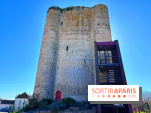
Donjon de HoudanDonjon de HoudanDonjon de HoudanDonjon de Houdan

In Yvelines, you can climb to the top of this tower for a sweeping view of the medieval town.

Rising 25 metres above the Yvelines, Houdan's keep hides a history as solid as it is unusual. A survivor from the 12th century, this stone colossus weathered demolition by being transformed into a functional water tower for nearly a century. An architectural curiosity that today offers an exceptional panorama of the medieval town.