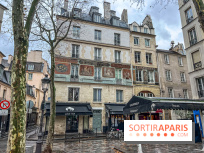
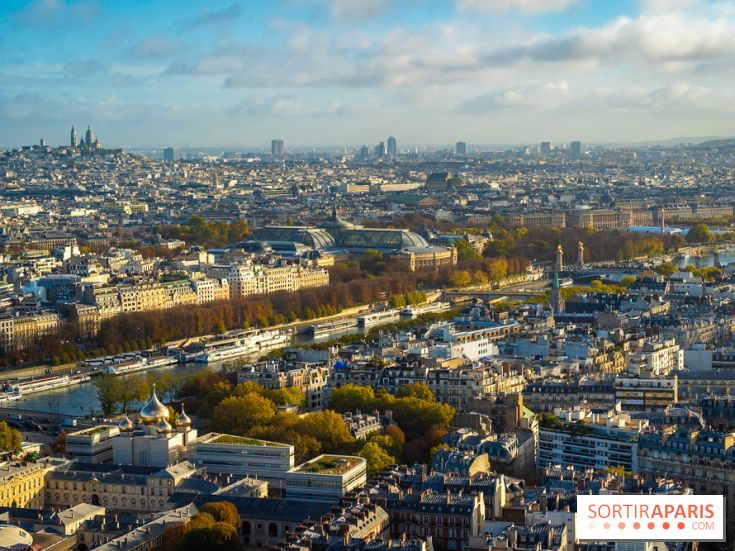
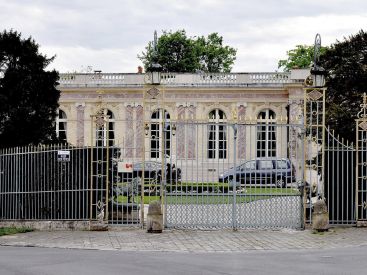
Facing the Seine, between the Concorde Bridge and the Invalides, rises a massive stone building whose majestic façades are familiar to anyone strolling along the Parisian quays. Yet few people truly know the history of this emblematic monument.
Since the mid-19th century, this palace has housed the ministry responsible for France's international relations. Over the decades, it has welcomed ambassadors, heads of state and sovereigns, ministers and negotiators from around the world. Within these walls, numerous international summits are prepared, foreign delegations are received, and some of the Republic's most significant diplomatic agreements are negotiated.
The building is so closely tied to this mission that its address has become a byword: when the media mention a statement from the "Quai d'Orsay," they are actually referring to the Ministry of Foreign Affairs.
Unlike many ministères housed in former hôtels particuliers, the Quai d'Orsay is one of the first Parisian buildings conceived from the start to house an administration. Construction began in 1845, during the July Monarchy, based on the plans of architect Jacques Lacornée, before being carried forward by Joseph-Louis Duc, who introduced several modifications to the project.
The ministry gradually moved in starting in 1853, under the Second Empire. The architecture reflects the importance attached to French diplomacy: vast galleries, richly decorated reception rooms, monumental staircases, and long rows of offices designed to welcome diplomats and senior officials.
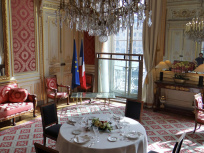
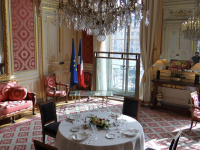
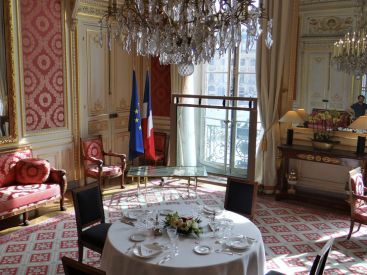
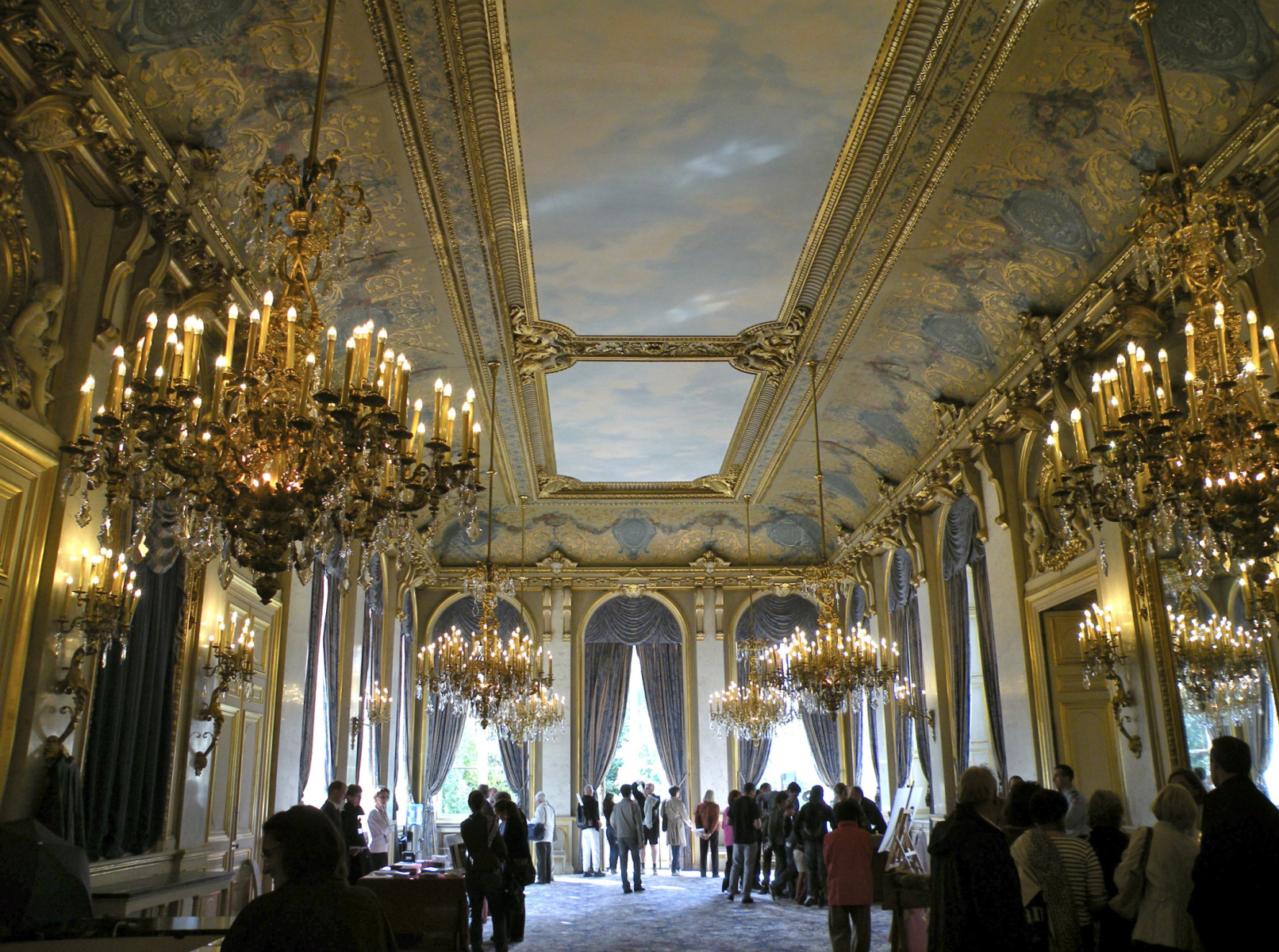
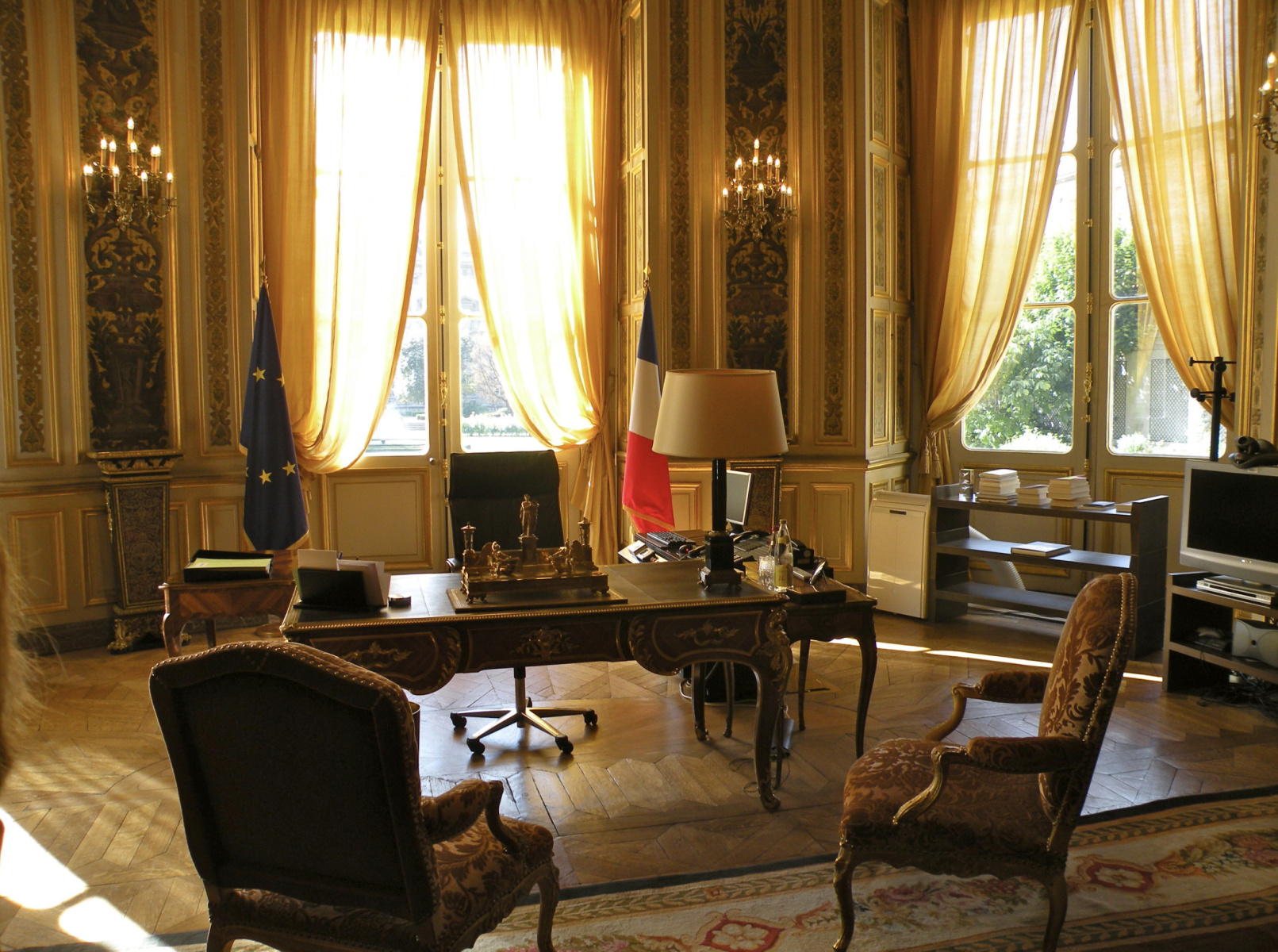
One of the ministry's crown jewels is undoubtedly its Clock Salon, renowned for hosting significant international negotiations. But it is above all the spectacular Banquet Hall that leaves visiting guests truly impressed as they step inside. With its gilding, its monumental chandeliers, its painted ceilings, and the vast bay windows that overlook the gardens, it rivals the finest salons of France's official palaces.
This hall today still hosts diplomatic receptions, the signing of international agreements, and official ceremonies.
The Quai d'Orsay has long been the stage for major diplomatic milestones. One of the best known remains the Paris Peace Conference of 1919, convened at the end of World War I. For months, delegates from the leading Allied powers gathered there to redraw Europe’s borders and lay the groundwork for the treaties that would formally end the war.
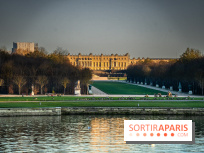
The Treaty of Versailles, signed on June 28, 1919 in the Hall of Mirrors at the Palace of Versailles, was largely drafted at the Quai d'Orsay, where much of the diplomatic negotiations leading up to it took place. Since then, the building has remained associated with the major international conferences organized by France.
Like "Beauvau" or "Matignon", the term "Quai d'Orsay" has become a true metonymy. In France as well as abroad, it denotes not only the riverside building, but the entire French diplomacy. Official statements, geopolitical analyses and the media use this expression every day, a testament to the ministry's historic reach.
Even more unusually, the name "Quai d'Orsay" has become famous in the world of comics thanks to the eponymous album by Abel Lanzac and Christophe Blain, inspired by how the ministry operates. Its film adaptation in 2013 helped reveal the inner workings of French diplomacy to a wide audience.
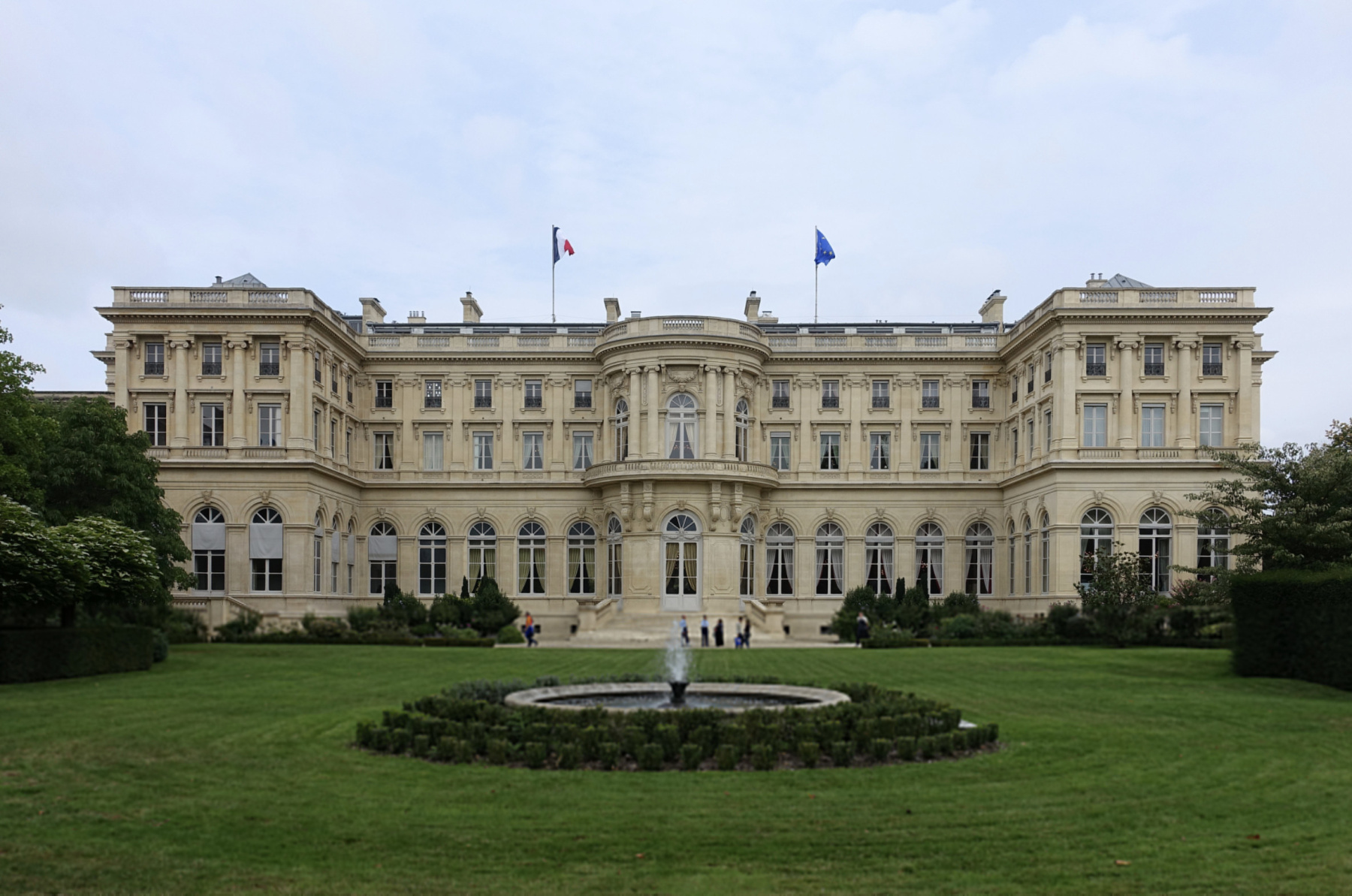
Beyond its diplomatic role, the Quai d'Orsay preserves a remarkable artistic heritage. The salons are adorned with Gobelins tapestries, period furniture, sculptures, paintings and décors by several great 19th-century artists. The gardens, hidden from the street, offer an unexpected green oasis in the heart of the capital. They provide a privileged view of the Seine and the Invalides, in a setting usually reserved for official delegations.
The entire building is classé au titre des monuments historiques, underscoring its architectural significance as well as its role in French political history.
Yes, but only on an exceptional basis. The Ministry for Europe and Foreign Affairs is not open to the public on a daily basis, due to its ongoing diplomatic work. It does, however, regularly participate in the European Heritage Days, which allows visitors to explore the grand rooms, the Salle des fêtes, the Salon de l’Horloge, some ceremonial staircases, and a portion of its art collections.
Registrations, when they open, usually sell out within a few hours! So, if you can’t step through its doors, you can still admire from the banks of the Seine the elegant façade of this republican palace whose walls have housed, for nearly two centuries, a part of France's diplomatic history.
These Paris spots people think are closed… but you can actually visit them (and here’s how).
Discover these iconic Parisian sites that many assume are off-limits to the public, reserved for institutions or officials, yet they actually open their doors to visitors. The Élysée Palace, the Hôtel de Matignon, the Senate, religious monuments… Here’s when and how to visit. [Read more]
This page may contain AI-assisted elements, more information here.
Dates and Opening Time
Next days
Monday:
from 12:00 a.m. to 11:59 p.m.
Tuesday:
from 12:00 a.m. to 11:59 p.m.
Wednesday:
from 12:00 a.m. to 11:59 p.m.
Thursday:
from 12:00 a.m. to 11:59 p.m.
Friday:
from 12:00 a.m. to 11:59 p.m.
Saturday:
from 12:00 a.m. to 11:59 p.m.
Sunday:
from 12:00 a.m. to 11:59 p.m.
Location
Ministry of Foreign Affairs
37, Quai d'Orsay
75007 Paris 7
Route planner

























 These Paris spots people think are closed… but you can actually visit them (and here’s how).