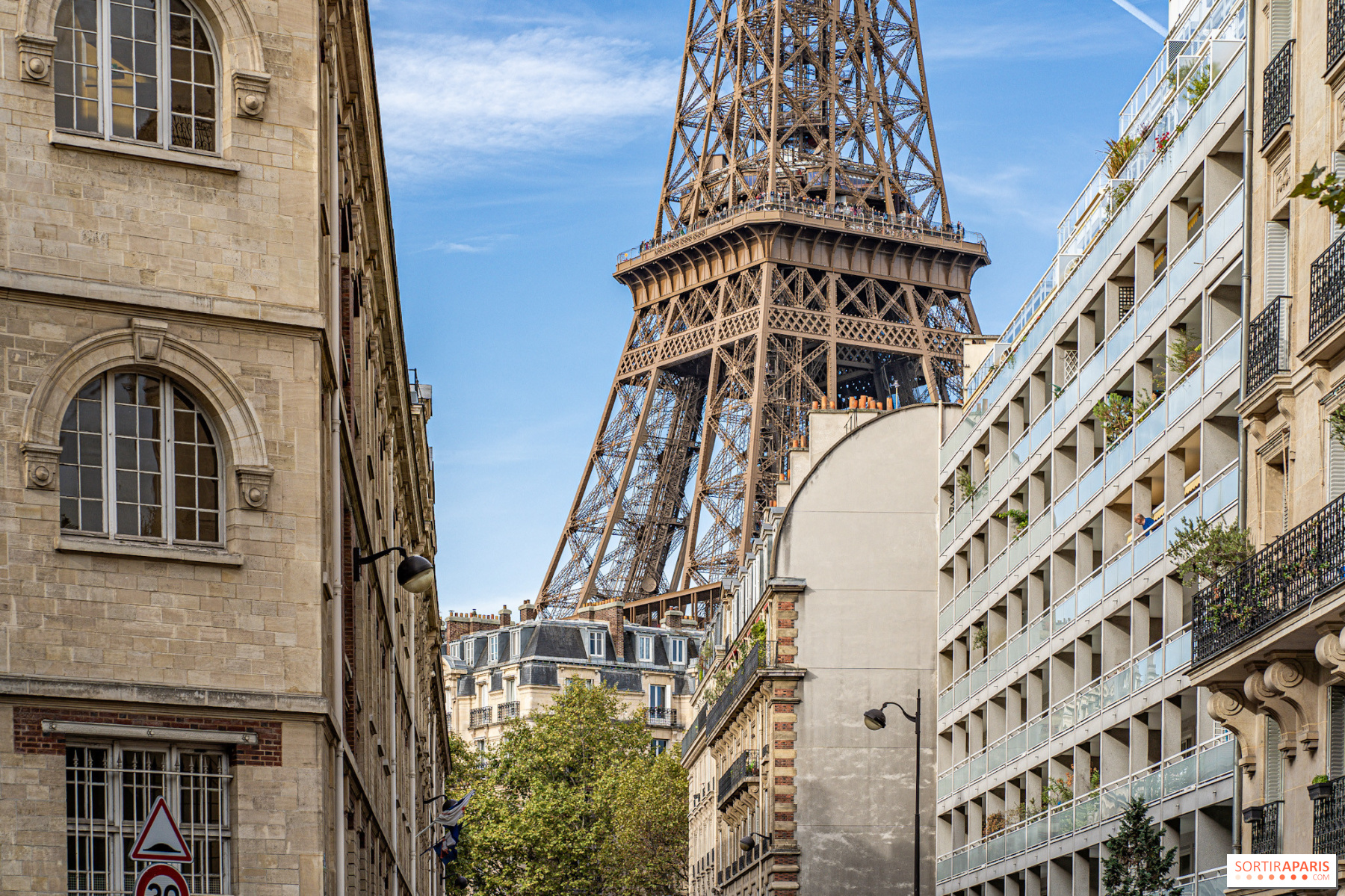
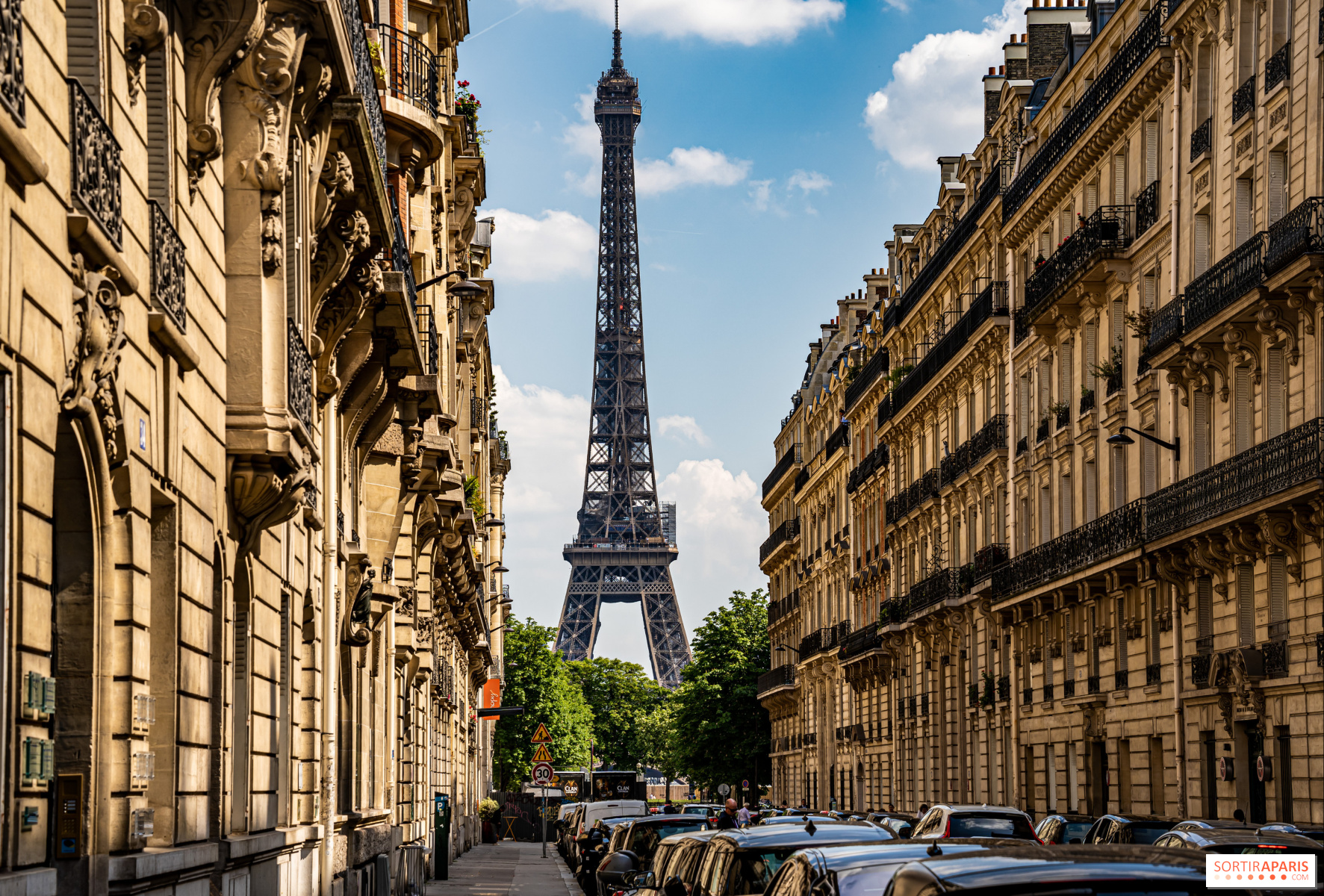
Each year, millions of visitors climb the Eiffel Tower to take in the panorama of Paris. Behind the metal girders and elevators that seem to run smoothly lies a hidden, invisible world. The Dame de Fer isn’t merely an iconic monument; it’s also a feat of engineering that requires daily maintenance and highly sophisticated technical installations.
Since its inauguration in 1889, the tower has operated as a true machine. Dozens of technicians, engineers, and artisans work there every day to ensure visitor safety and preserve this metallic masterpiece. A large part of these spaces remains inaccessible to the public. We reveal them to you.
When Gustave Eiffel unveiled his tower for the occasion of the 1889 World’s Fair, the challenge wasn’t merely to build a structure over 300 meters tall. It also had to grant visitors access to it. For the era, elevators represented a spectacular innovation.
The main challenge lies in the slope of the pillars: the cabins must follow an inclined path before reaching the horizontal platforms. Engineers then develop hydraulic mechanisms that are especially complex, which will make the Eiffel Tower a global showcase of French industrial know-how.
At the base of the tower lie several salles des machines designed to power the elevators. They house hydraulic pumps, pressure accumulators, pistons and control devices. By the end of the 19th century, this machinerie impressed as much as the metal structure itself. Simply put: visitors come as much to admire this cutting-edge technology as to enjoy the view from the upper levels!
Over the decades, the original installations have gradually been replaced by higher-performance electrical equipment. The current systems, regularly modernized, meet demanding safety standards while preserving the principle of movement tailored to the unique geometry of the pillars.
Among the best-preserved treasures is the hydraulic machinery of the East Pillar elevator. Put into service at the end of the 19th century and updated over the decades, it stands as an exceptional testament to the engineering of the era. Due to its heritage value, this installation was classified as a historic monument in 1986, along with the Eiffel Tower as a whole.
Moreover, unlike many monuments of its era, the Eiffel Tower never sought to conceal how it worked. Gustave Eiffel, on the contrary, regarded technique as a element of beauty. The rivets, the metal beams, and even the elevator mechanisms contributed to the structure’s aesthetics.
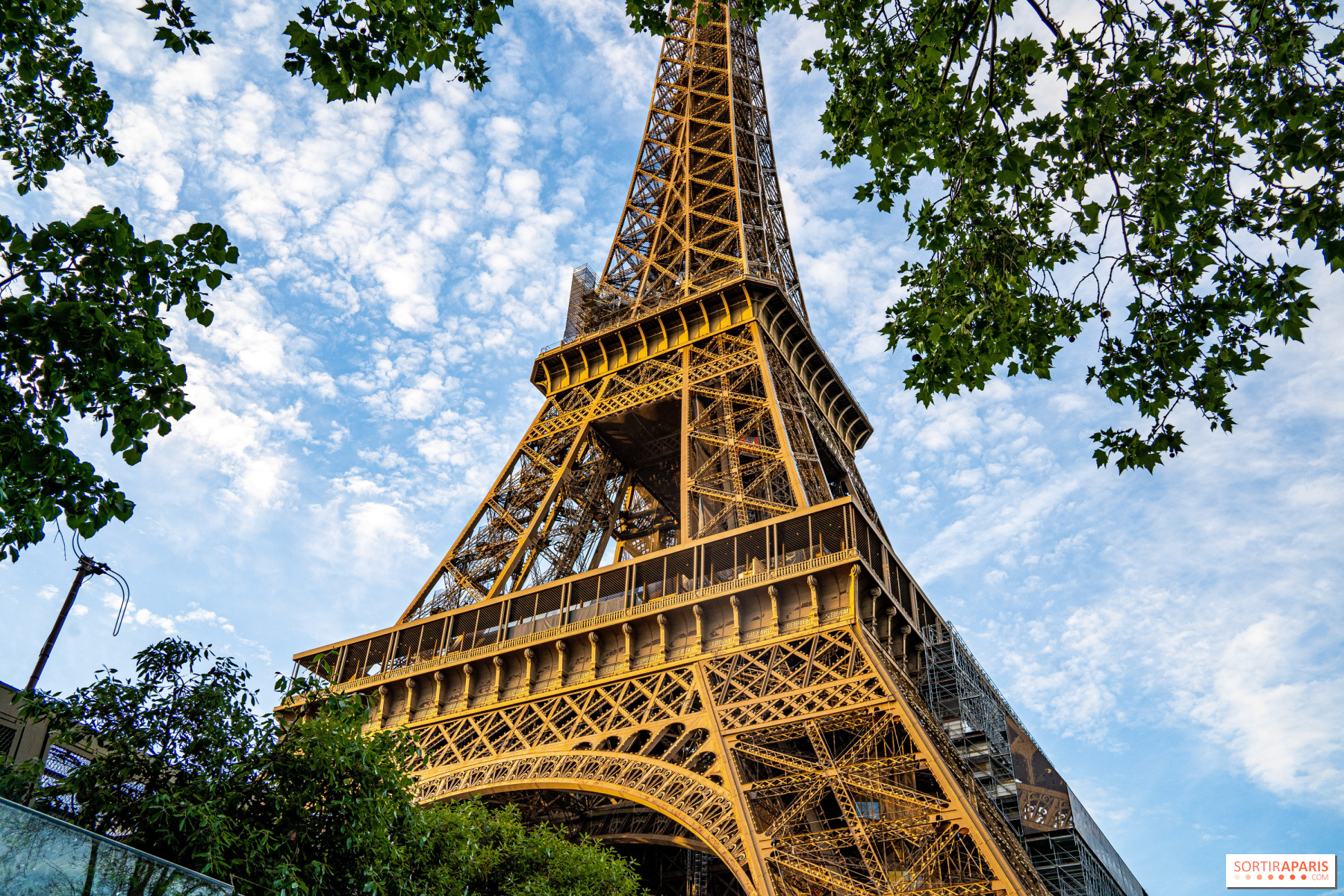
Contrary to what one might imagine, the Eiffel Tower never truly stops operating. Each day, specialized teams intervene in workshops and technical rooms spread across different levels of the monument. Mechanics, metalworkers, locksmiths, electricians, automation specialists and elevator technicians ensure the maintenance of the installations, inspect the equipment and replace wear parts when necessary.
The renowned painting campaign, carried out roughly every seven years, also mobilizes dozens of workers for many months. This operation is essential to protect the roughly 18,000 metal pieces assembled by more than 2.5 million rivets, which comprise the structure conceived by Gustave Eiffel.
Among the most enigmatic spaces is a bunker located near the South Pillar. Its existence is real, even though it sometimes feeds heavily romanticized legends. This underground structure, linked to the Military School by an old technical tunnel, was built in the 20th century to meet protection and security needs.
Contrary to some urban legends, this isn’t a sprawling secret complex hidden beneath Paris, but a technical space with access is strictly reserved. Its exact location and layout are not publicly disclosed for security reasons.
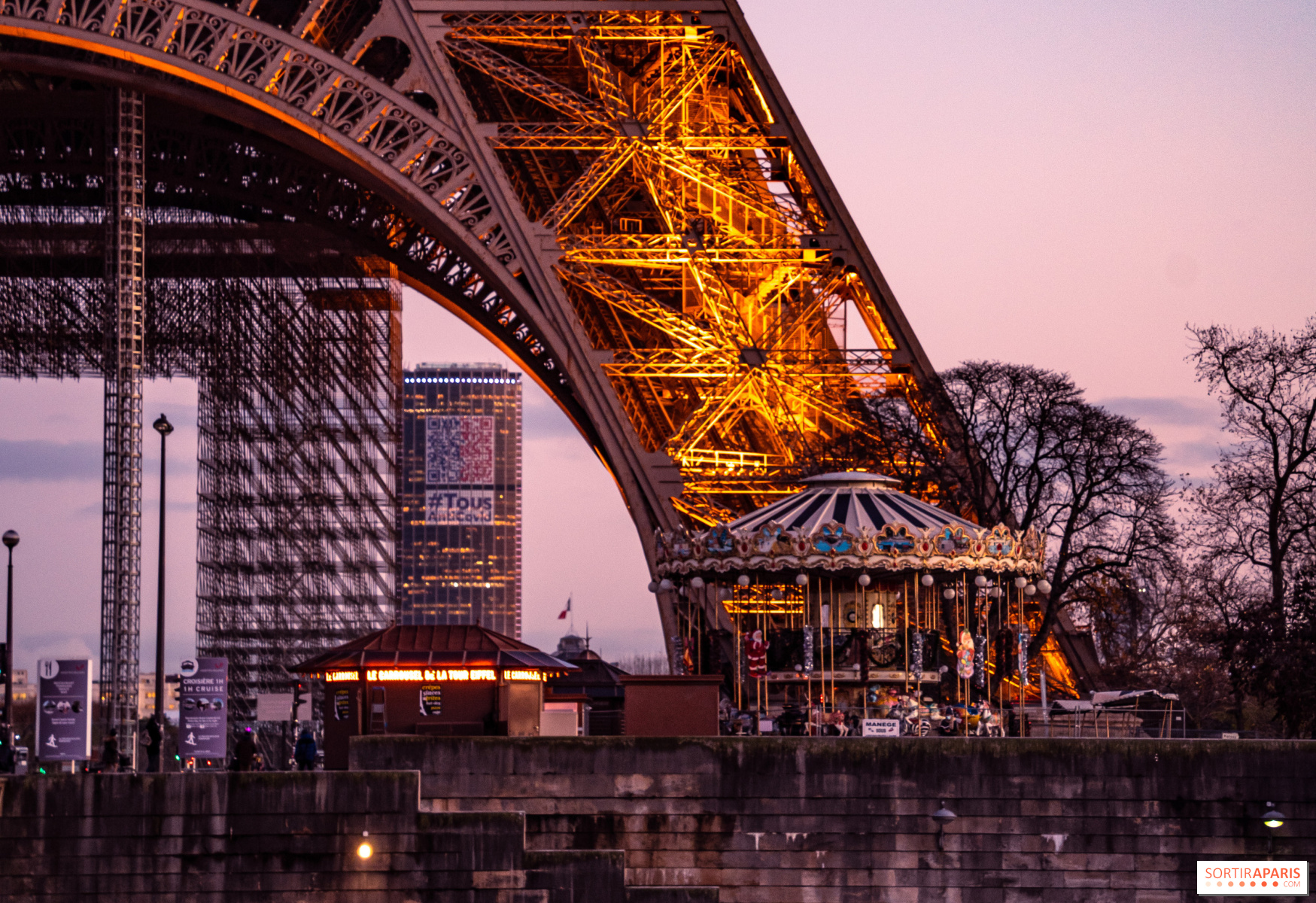
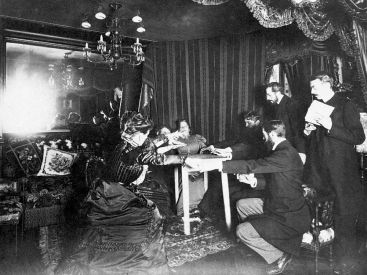
At nearly 300 meters up, there is another site that has long fed visitors' curiosity: the private apartment of Gustave Eiffel. The engineer hosted prestigious guests there, including Thomas Edison, who came to call on him in 1889. The space was also used to conduct scientific experiments focused on meteorology, aerodynamics, and physics.
Today, the apartment has been recreated with its period furnishings and with wax figures of Gustave Eiffel, his daughter Claire, and Thomas Edison. It is visible behind a bay window from the top of the tower, but entry is no longer possible.
Beyond the machine rooms, the Eiffel Tower hides a number of essential spaces that keep it running: control posts, electrical rooms, workshops, equipment stores, safety systems, and technical access routes that allow rapid work on the lifts and the structure.
These spaces are not only of historical interest. They still play an essential role in the day-to-day operation of the monument. Their access is reserved for authorized personnel, both for safety reasons and to ensure the smooth functioning of the tower.
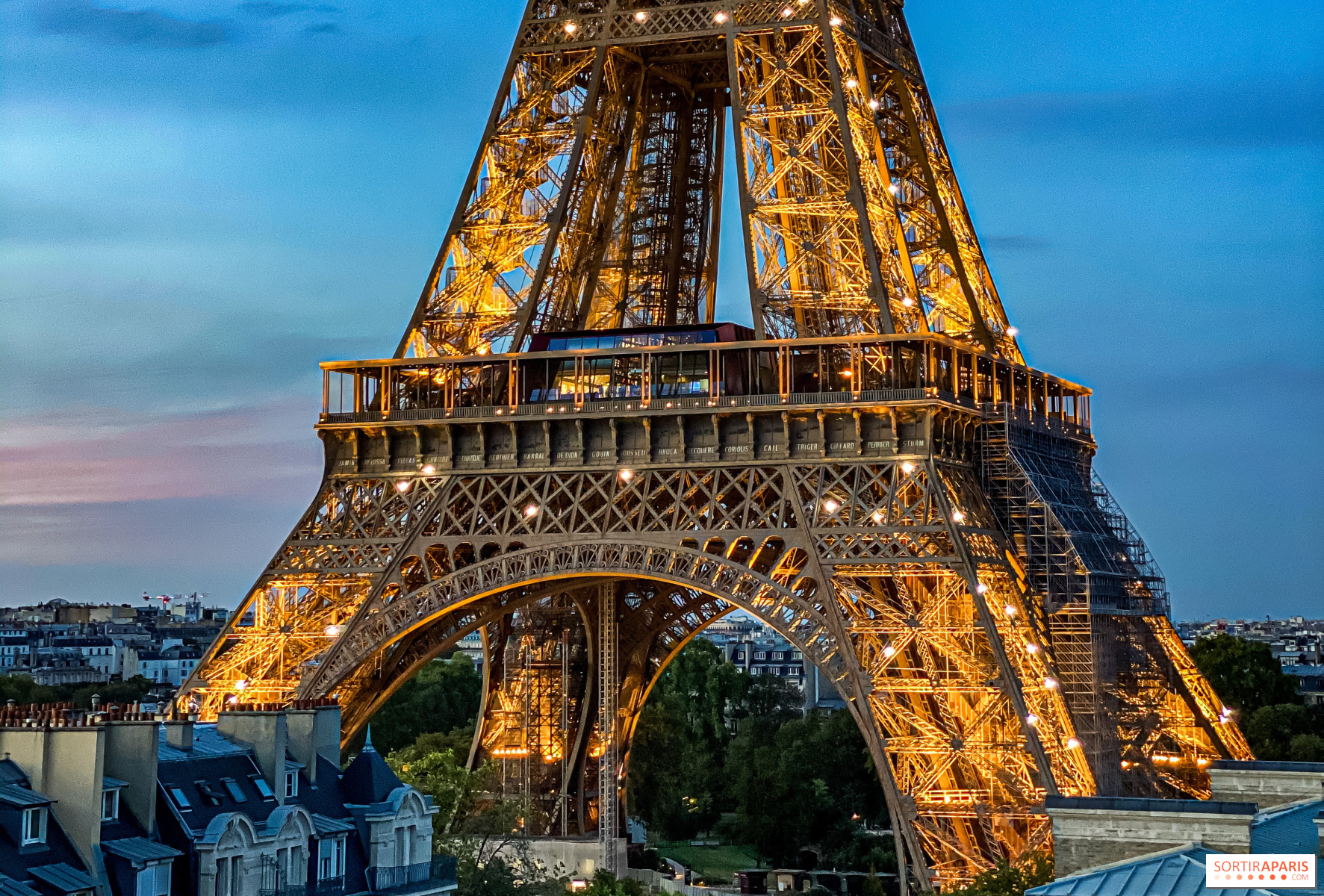
No. Contrary to popular belief, the machine rooms, maintenance workshops, the bunker, and other technical spaces are not open to the public; they remain reserved for the operating teams. The Eiffel Tower Operating Company currently offers no regular tours of these behind‑the‑scenes areas.
But visitors can still explore the different levels of the tower, soak in the panorama over Paris, and glimpse Gustave Eiffel’s reconstructed apartment at the summit!
These Paris spots people think are closed… but you can actually visit them (and here’s how).
Discover these iconic Parisian sites that many assume are off-limits to the public, reserved for institutions or officials, yet they actually open their doors to visitors. The Élysée Palace, the Hôtel de Matignon, the Senate, religious monuments… Here’s when and how to visit. [Read more]
This page may contain AI-assisted elements, more information here.
Dates and Opening Time
Next days
Wednesday:
from 09:00 a.m. to 12:00 a.m.
Thursday:
from 09:00 a.m. to 12:00 a.m.
Friday:
from 09:00 a.m. to 12:00 a.m.
Saturday:
from 09:00 a.m. to 12:00 a.m.
Sunday:
from 09:00 a.m. to 12:00 a.m.
Monday:
from 09:00 a.m. to 12:00 a.m.
Tuesday:
from 09:00 a.m. to 12:00 a.m.
Location
Eiffel Tower
Avenue Gustave Eiffel
75007 Paris 7
Route planner
Accessibility info
Access
Metro and RER: Line 6 or 9 "Trocadéro" station Line 6 "Bir-Hakeim" station RER C "Champ de Mars - Tour Eiffel" station
Official website
www.toureiffel.paris
Booking
www.toureiffel.paris














 These Paris spots people think are closed… but you can actually visit them (and here’s how).