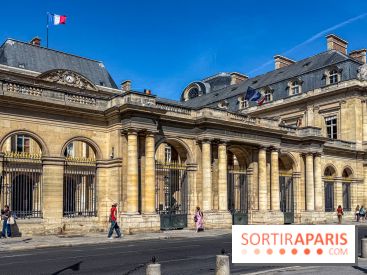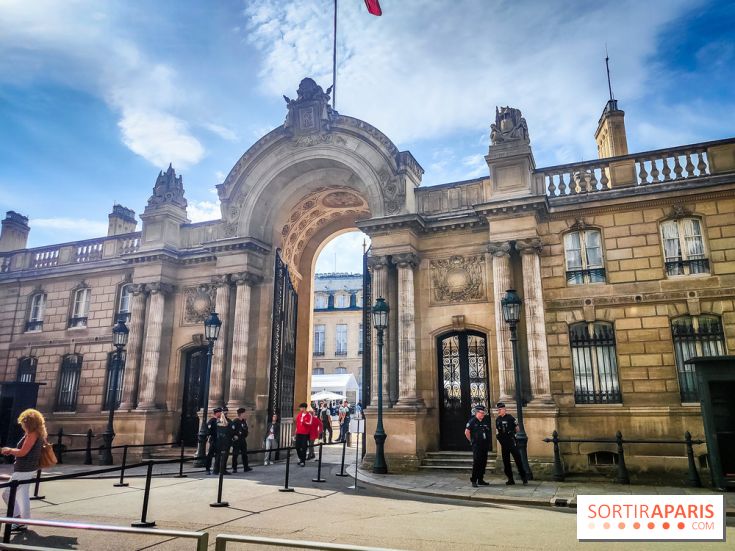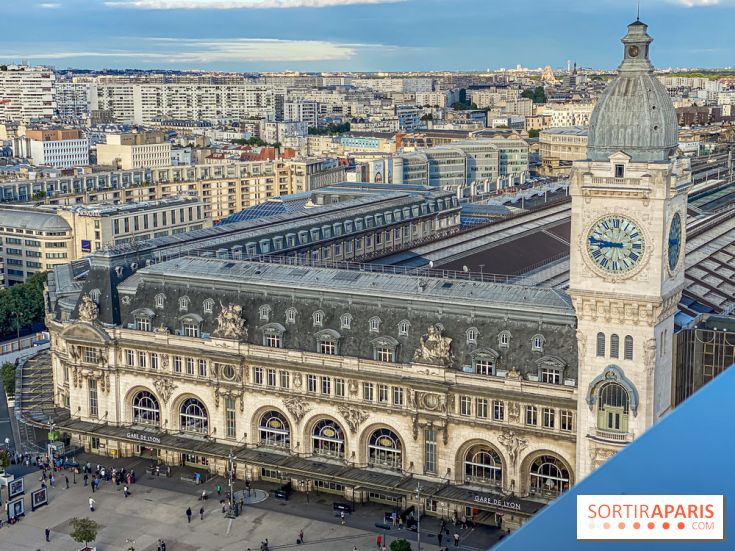
Just steps from the place Vendôme and the Jardins des Tuileries, an imposing building rises that thousands of Parisians walk past every day without knowing its history. The Palais Cambon is, however, one of the flagship sites of the French institutions. For more than a century, it has housed the Cour des comptes, the court responsible for overseeing the use of public money and evaluating how administrations, local authorities, and many public bodies are managed.
Though its role is crucial to the running of the state, the building remains largely overlooked. Unlike the grand national palaces, it was never meant to dazzle the masses, but to provide the institution with a home worthy of its stature.
But the Court of Audit didn’t spring from the Cambon Palace. It was established in 1807 by Napoleon I to replace the old financial jurisdictions of the Ancien Régime. Its mission is clear: to verify the regularity of public accounts and to ensure the proper use of state funds. For decades, the Court sat in the Palace of Orsay, a vast building on the Left Bank of the Seine.
But this one was set ablaze during the Paris Commune in May 1871. The flames destroyed a large portion of the archives and rendered the premises unusable. It then became essential to build a new headquarters tailored to the institution's needs.
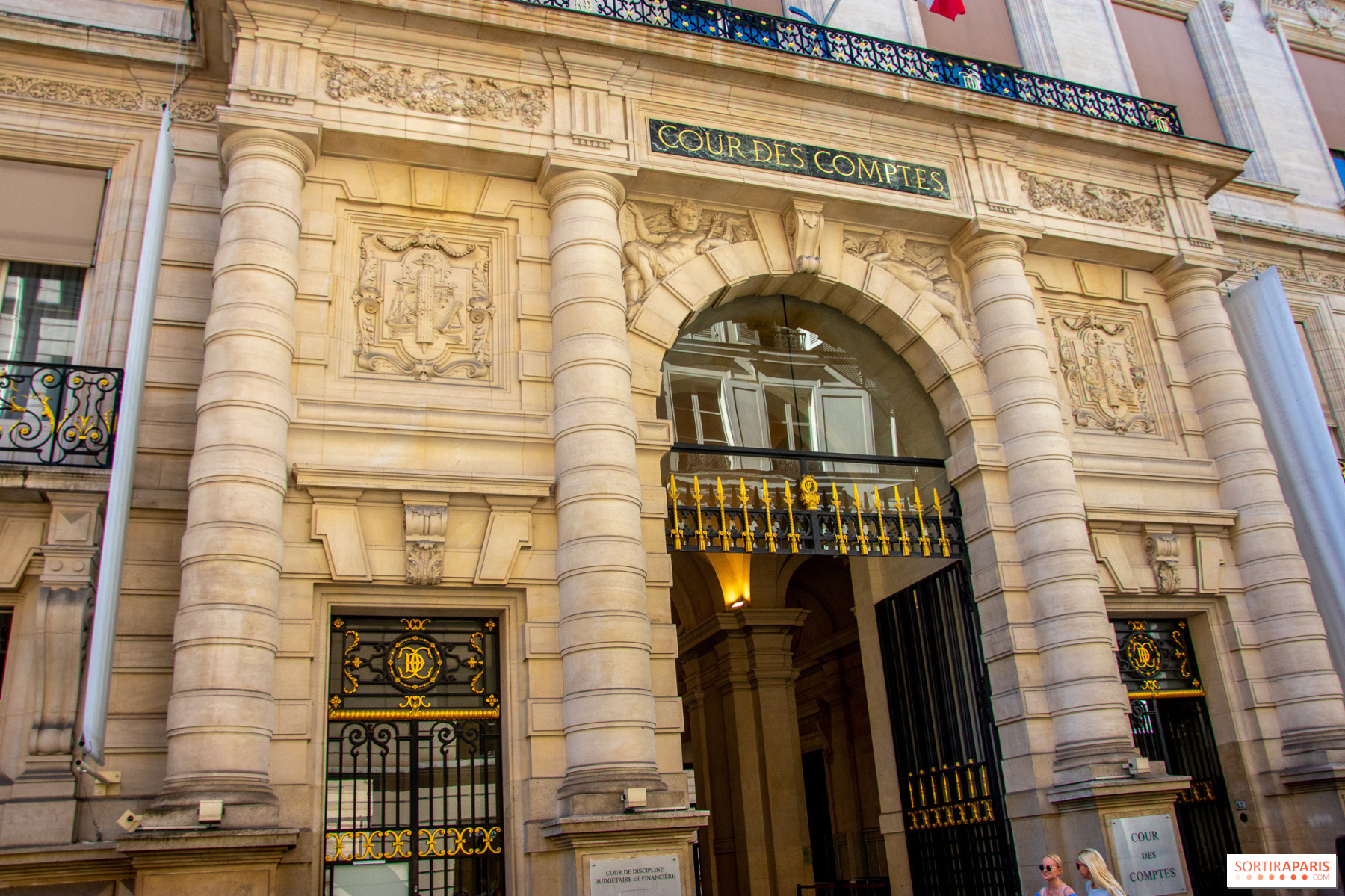
The site on Rue Cambon, in the 1st arrondissement. The construction of the new Palais Cambon begins in the late 19th century under the direction of architect Constant Moyaux, renowned for institutional architecture. After his death, his pupil Paul Guadet takes up the project, which is completed in the early 20th century. Inaugurated in 1912, the Palais Cambon adopts a monumental design inspired by French classicism.
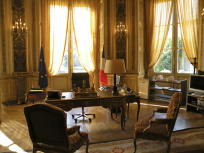
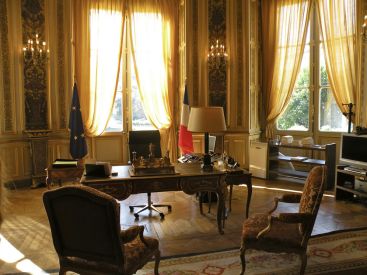
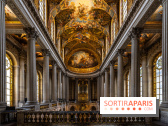
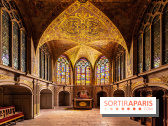
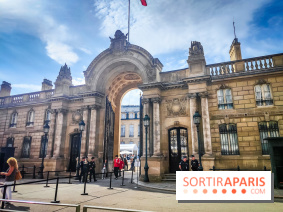
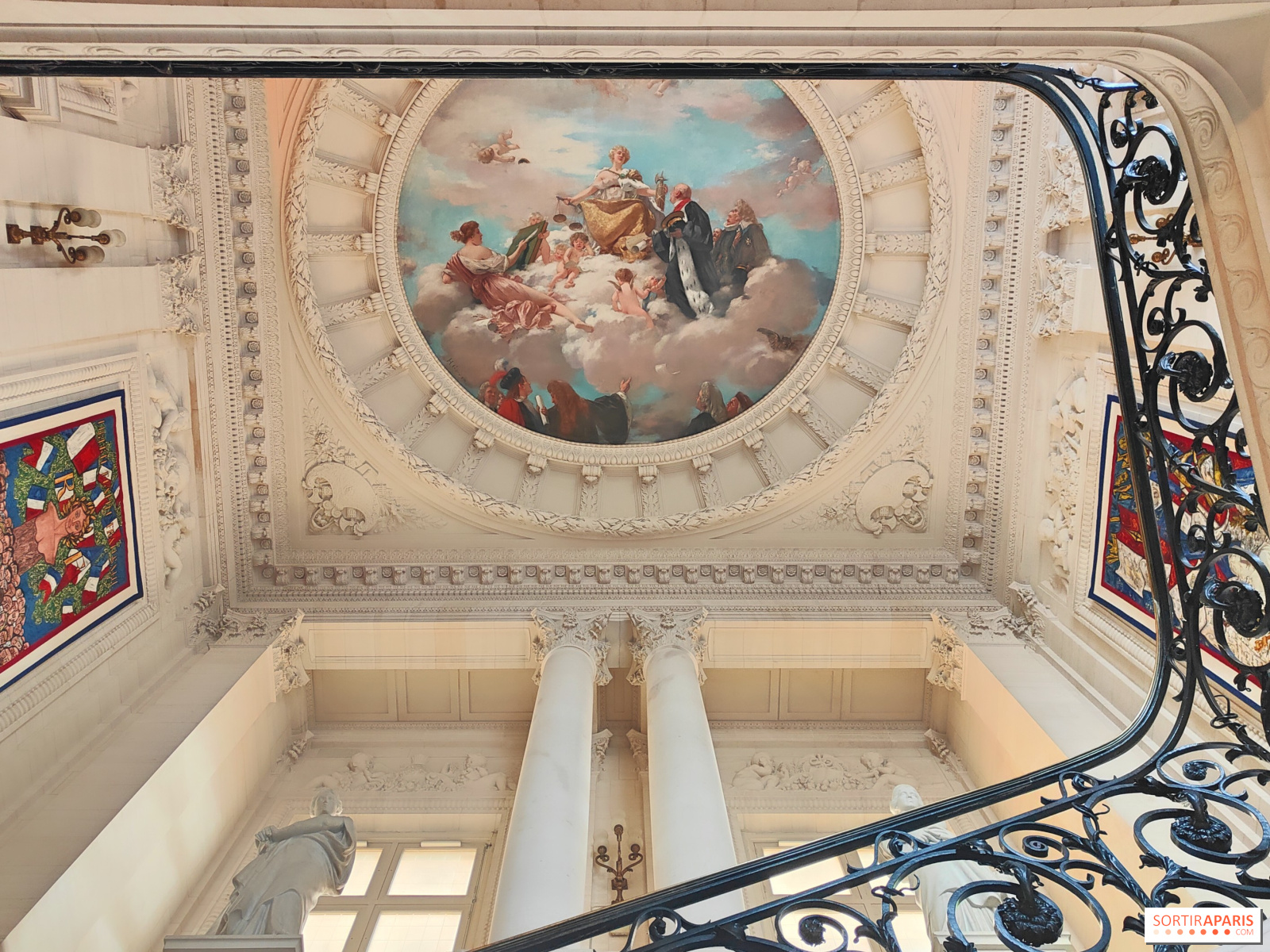
Its façade, sober and majestic, contrasts with the richness of its interior spaces. The building is organized around several courtyards and galleries, while its monumental staircases, painted ceilings, its polychrome marbles and sculpted decorations bear witness to the craftsmanship of the artisans of the Belle Époque.

One of the most impressive rooms is the Grand'Chambre, where the audiences of the Court of Accounts are held. Its décor leans more toward a reception hall than a courtroom: carved woodwork, tall columns, hangings, gilding and an imposing ceiling give the whole space a marked sense of solemnity.
The aim was to remind the public of the authority of this institution charged with overseeing public finances on behalf of the citizens. The palace also houses a significant legal library as well as numerous works of art, including allegorical paintings dedicated to justice, the law, and good governance.

Few visitors know this, but some decorative elements from the Palais d'Orsay, destroyed in 1871, were saved before the ruins were demolished. Several sculptures, woodwork and architectural features were reused or preserved by the Court of Auditors. They recall the link between the Napoleonic-era institution and its former seat, now almost completely gone from the banks of the Seine.
Another curiosity: despite its name, the Cambon Palace is not an ancient royal or princely palace. It simply owes its appellation to Cambon Street, itself named in honor of the revolutionary Pierre-Joseph Cambon, known for his role in reorganizing public finances during the French Revolution.
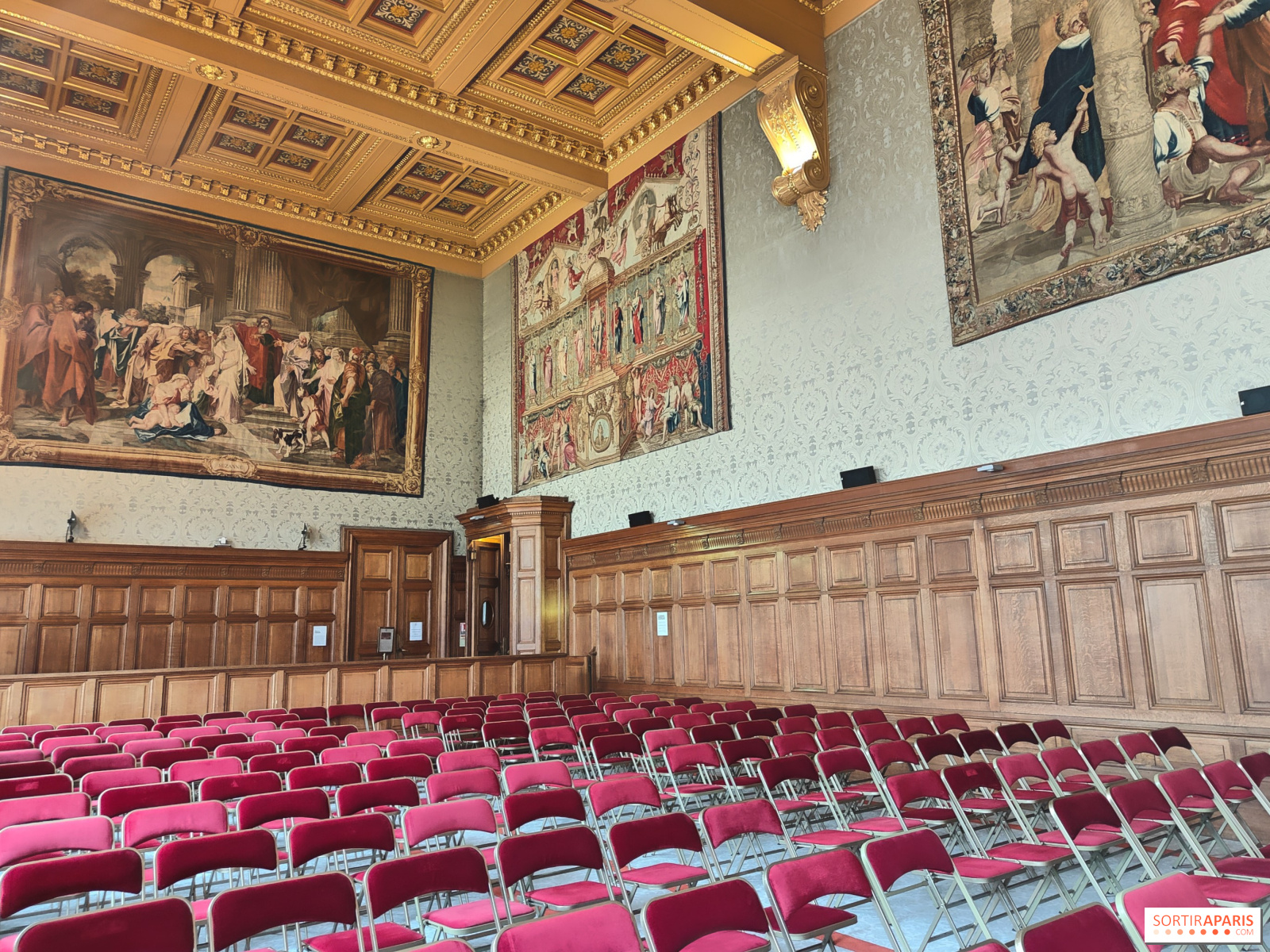
Yes, but only on rare occasions. The Cambon Palace is not open to daily tours, as it remains the active headquarters of the Court of Auditors and several financial jurisdictions. The public can nonetheless discover it during the Journées européennes du patrimoine, when the constraints linked to its operation allow. Visitors can then admire the Grand'Chambre, the grand staircases, some salons, and the remarkable interior decorations, usually reserved for magistrats and the institution's staff.
Apart from these exceptional openings, only participants in certain official or professional events are allowed to enter the building!
These Paris spots people think are closed… but you can actually visit them (and here’s how).
Discover these iconic Parisian sites that many assume are off-limits to the public, reserved for institutions or officials, yet they actually open their doors to visitors. The Élysée Palace, the Hôtel de Matignon, the Senate, religious monuments… Here’s when and how to visit. [Read more]
Dates and Opening Time
Next days
Thursday:
from 07:30 a.m. to 07:30 p.m.
Friday:
from 07:30 a.m. to 07:30 p.m.
Monday:
from 07:30 a.m. to 07:30 p.m.
Tuesday:
from 07:30 a.m. to 07:30 p.m.
Wednesday:
from 07:30 a.m. to 07:30 p.m.
Location
Court of Auditors
13 Rue Cambon
75001 Paris 1
Route planner







 These Paris spots people think are closed… but you can actually visit them (and here’s how).