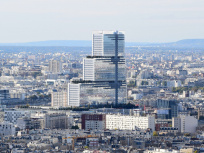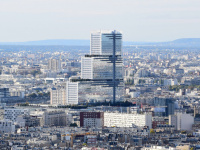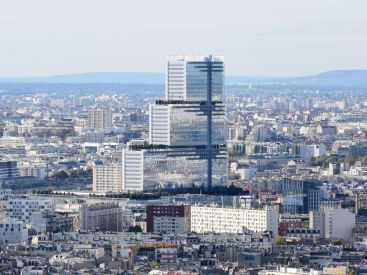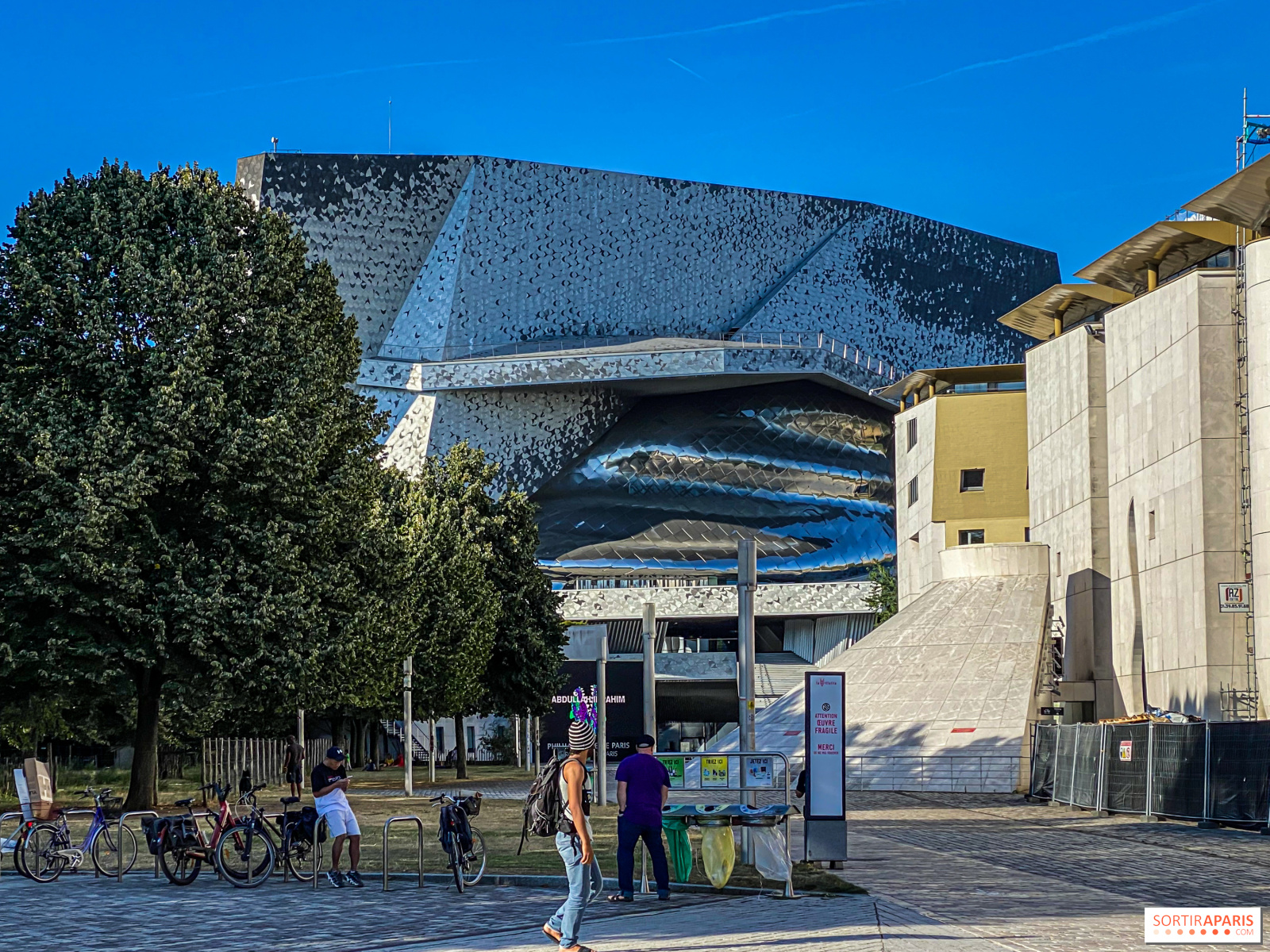
As you enter the Parc de la Villette in the 19ᵉ arrondissement, the Philharmonie de Paris immediately catches the eye. Opened in 2015, this expansive cultural complex hosts hundreds of concerts, as well as exhibitions, workshops and activities for all audiences each year.
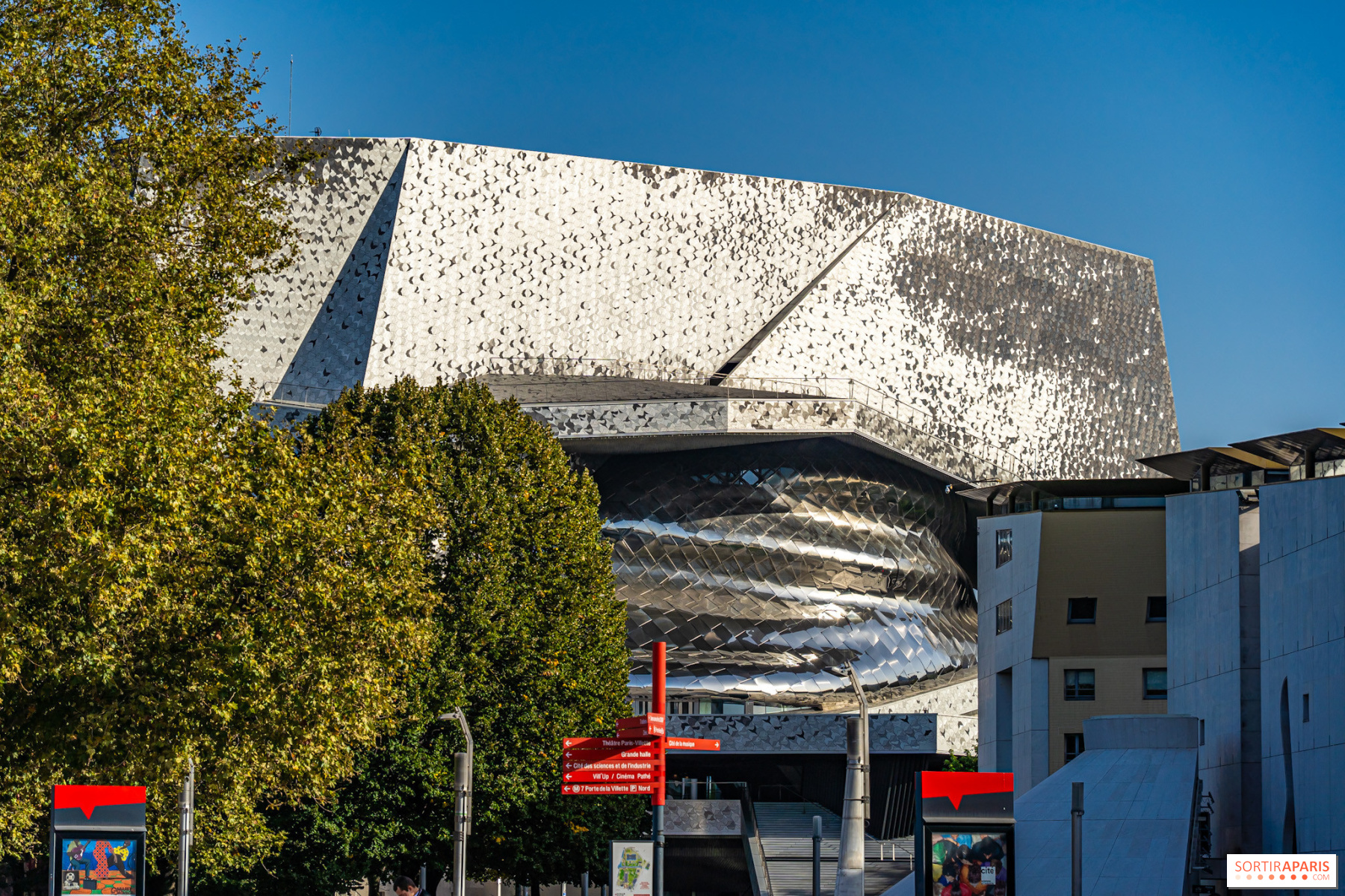
Designed to bring classical music closer to other musical styles and to reach a wider audience, the building is also a architectural landmark in its own right, conceived by Jean Nouvel.
The idea of a new grande salle de concert in Paris surfaces in the 1990s. At that time, the capital lacks any modern, high-capacity symphonic venue comparable to those in Berlin, Amsterdam, or Los Angeles. The project is launched in the early 2000s to complement the Cité de la musique, which opened in 1995 right next door.
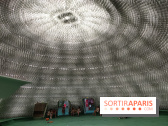
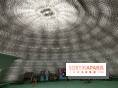
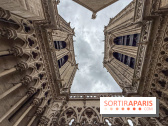
The Philharmonie opens on January 14, 2015. Its architecture was entrusted to Jean Nouvel, who envisions a building cloaked in about 340,000 aluminum birds forming a vast mosaic visible from afar. The edifice gradually integrates into the La Villette landscape while asserting a distinctly contemporary identity.
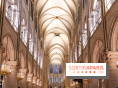
At the heart of the building sits the Pierre Boulez Grand Hall, a venue that can seat nearly 2,400 people. Unlike traditional concert spaces, the audience almost envelops the stage thanks to suspended balconies, bringing musicians and listeners closer than ever. Its acoustics, developed with New Zealand expert Harold Marshall and the Japanese firm Nagata Acoustics, are now regarded as among the best in the world.
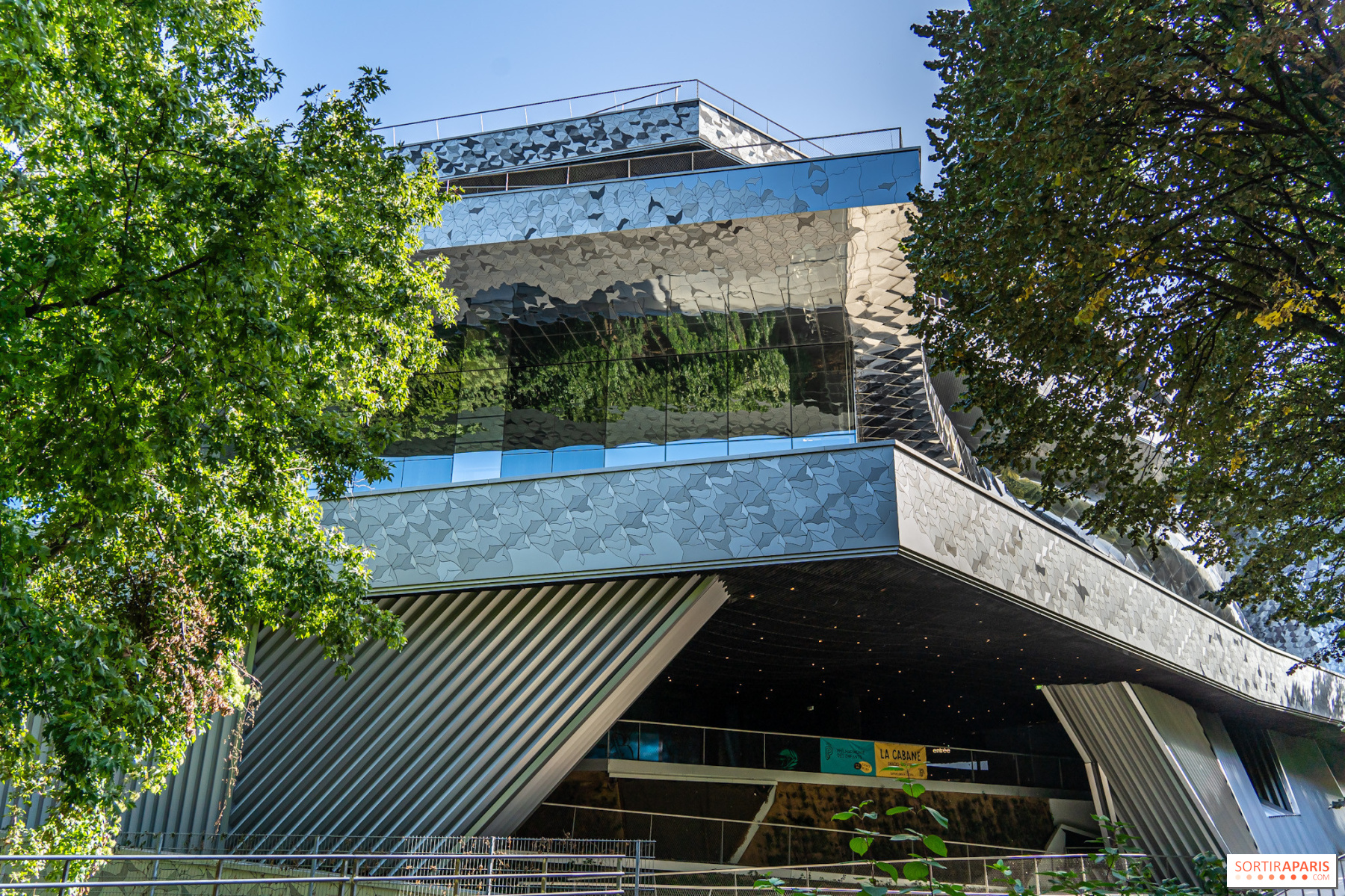
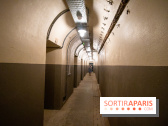
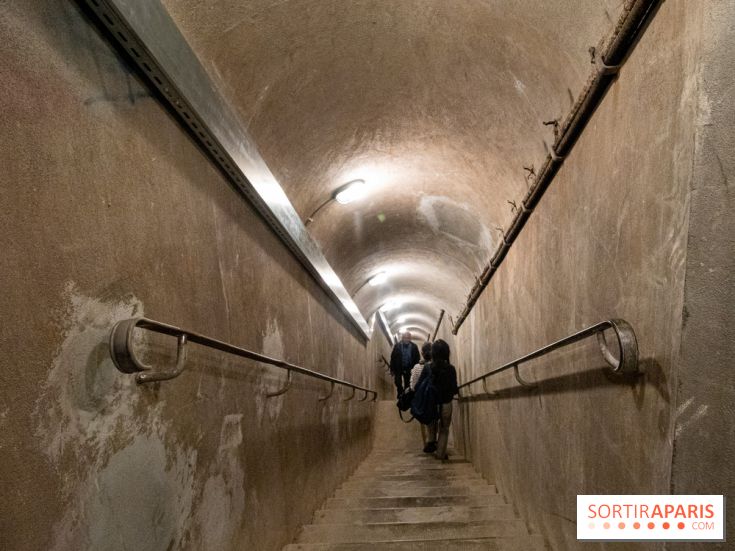
Behind the performances lies a true technical powerhouse. Under the stage sit dressing rooms, rehearsal rooms, workshops, instrument storage areas, and freight hoists capable of moving set pieces and the imposing platforms used by the orchestras.
Several technical catwalks wind through the upper levels of the venue to manage lighting, stage equipment and acoustics. The artists have fully dedicated spaces to prepare for performances, while the technical crews coordinate the set changes—often completed in as little as a few dozen minutes between shows.
These spaces are usually closed to the public but can be explored during special tours organized by the Philharmonie. Another feature of the building is its rooftop, accessible part of the year, which offers a panoramic view over the Parc de la Villette, Montmartre, the ring road, and a large swath of northeast Paris.
With nearly 450 concerts a year, the venue also hosts jazz, world music, pop, rock, hip-hop, and family-friendly performances. The building also houses the Musée de la musique, which preserves thousands of instruments and artifacts tracing the history of music from the 16th century to today, as well as spaces for temporary exhibitions and the Philharmonie des enfants. This diversity today makes the Philharmonie one of Europe’s largest cultural venues dedicated to music!
Yes, all year round. The Philharmonie de Paris offers guided tours that reveal the Pierre Boulez Grand Hall and a selection of spaces normally closed to the public. Depending on the season and programming constraints, these itineraries may include backstage areas, the box seats, technical rooms, and catwalks that overlook the concert hall.
Guided tours also spotlight Jean Nouvel's architecture, the auditorium’s acoustic design, and the backstage work involved in putting on a concert. Moreover, the Philharmonie takes part each year in the European Heritage Days, with exclusive tours of its technical spaces and free activities!
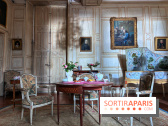
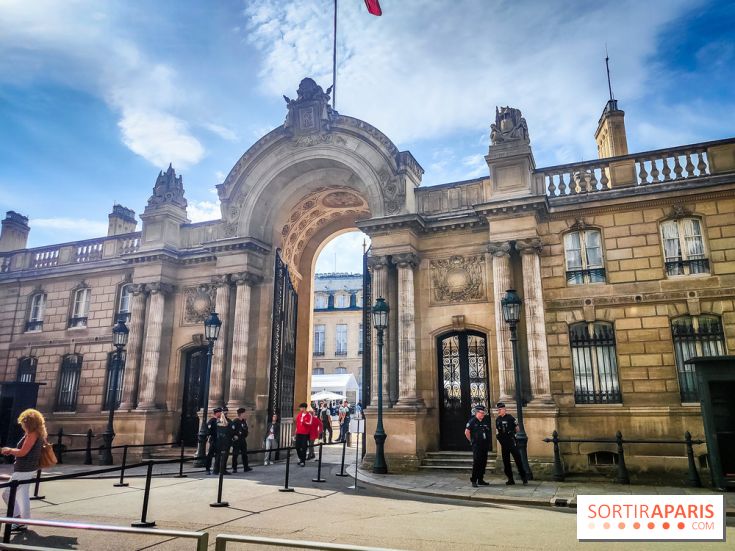
These Paris spots people think are closed… but you can actually visit them (and here’s how).
Discover these iconic Parisian sites that many assume are off-limits to the public, reserved for institutions or officials, yet they actually open their doors to visitors. The Élysée Palace, the Hôtel de Matignon, the Senate, religious monuments… Here’s when and how to visit. [Read more]
Dates and Opening Time
Next days
Tuesday:
from 12:00 a.m. to 11:59 p.m.
Wednesday:
from 12:00 a.m. to 11:59 p.m.
Thursday:
from 12:00 a.m. to 11:59 p.m.
Friday:
from 12:00 a.m. to 11:59 p.m.
Saturday:
from 12:00 a.m. to 11:59 p.m.
Sunday:
from 12:00 a.m. to 11:59 p.m.
Monday:
from 12:00 a.m. to 11:59 p.m.
Location
Philharmonie de Paris
221 Avenue Jean Jaurès
75019 Paris 19
Route planner
Accessibility info
Access
Metro line 5 "Porte de Pantin" station
Official website
philharmoniedeparis.fr




 These Paris spots people think are closed… but you can actually visit them (and here’s how).