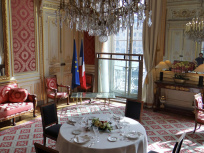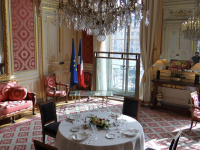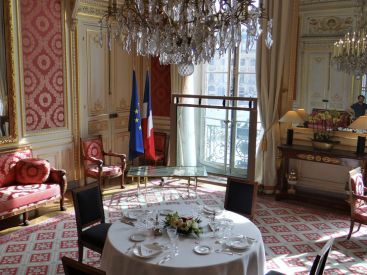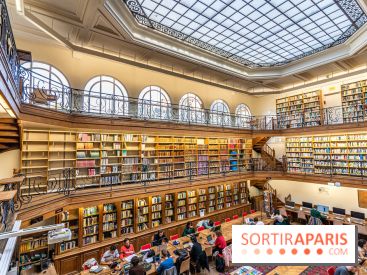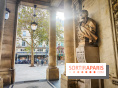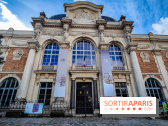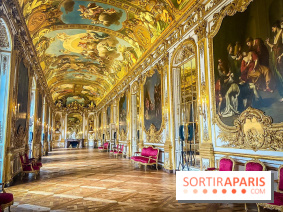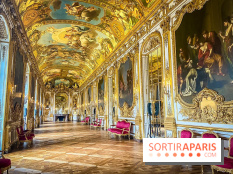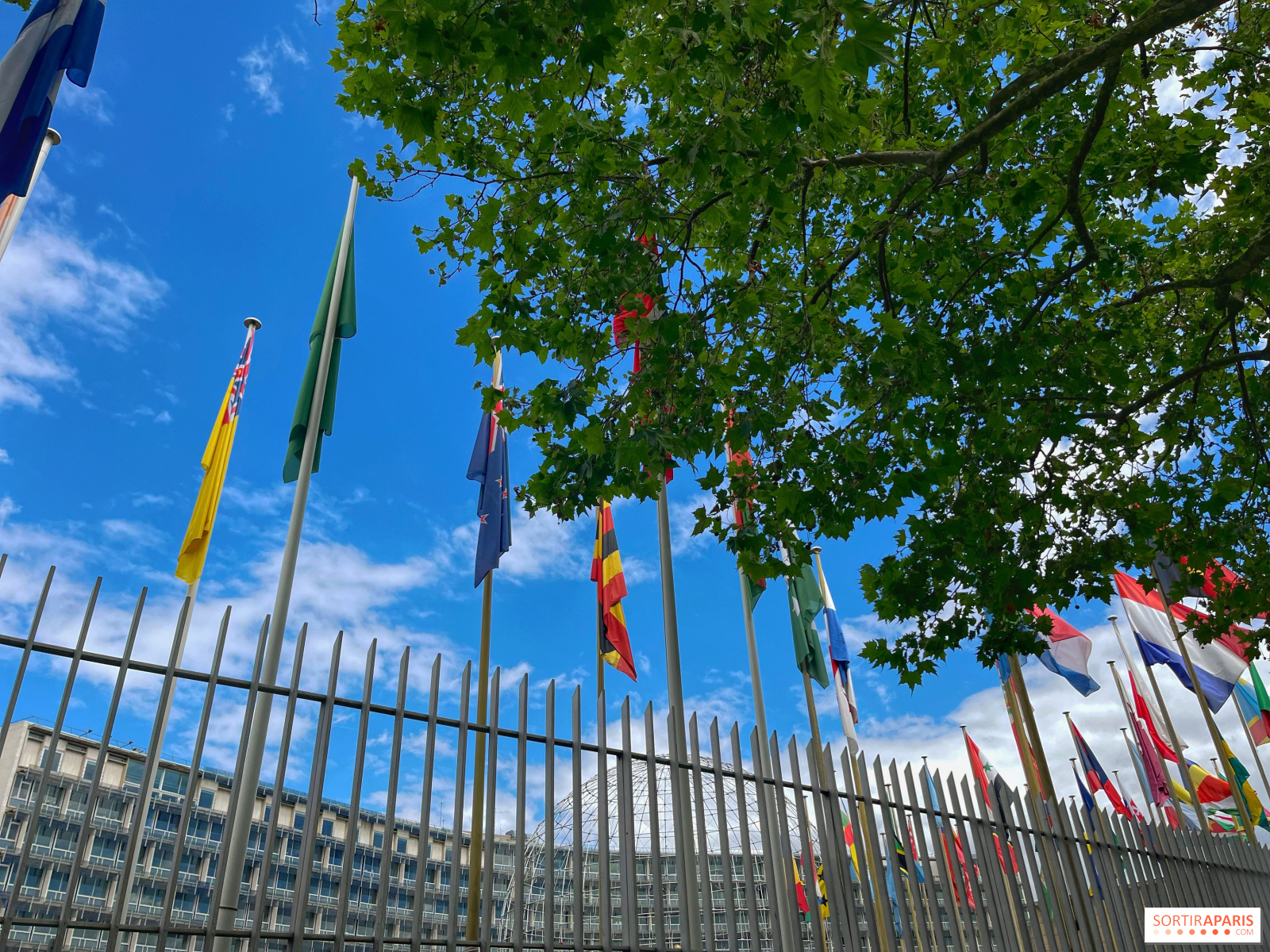
Just steps from the École militaire and the Champ-de-Mars, UNESCO's headquarters is the global hub of a United Nations agency devoted to education, science, culture and the preservation of heritage.
Inaugurated in 1958, this modernist building has, over the decades, become a symbol of international cooperation, as well as a genuine indoor museum of contemporary art.
Created in 1945, in the immediate aftermath of World War II, the United Nations Educational, Scientific and Cultural Organization (UNESCO) set up its permanent headquarters in Paris a few years later. After several provisional locations, a design competition was launched to build a building capable of embodying the values of dialogue and peace that the institution defends.
The building was inaugurated on November 3, 1958 at 7 Place de Fontenoy, in the 7ᵉ arrondissement. Its design was entrusted to three internationally renowned architects: Bernard Zehrfuss, Marcel Breuer and Pier Luigi Nervi, under the supervision of a committee that notably included Le Corbusier, Walter Gropius and Lucio Costa.
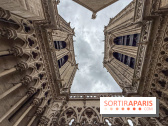
The result is spectacular: a main building shaped like a Y, often nicknamed "the three-armed star," resting on 72 concrete piles. The complex is completed by 3 other buildings of very different forms, including the famous Hall I, recognizable by its copper, pleated roof, where the member states of the Organization convene.
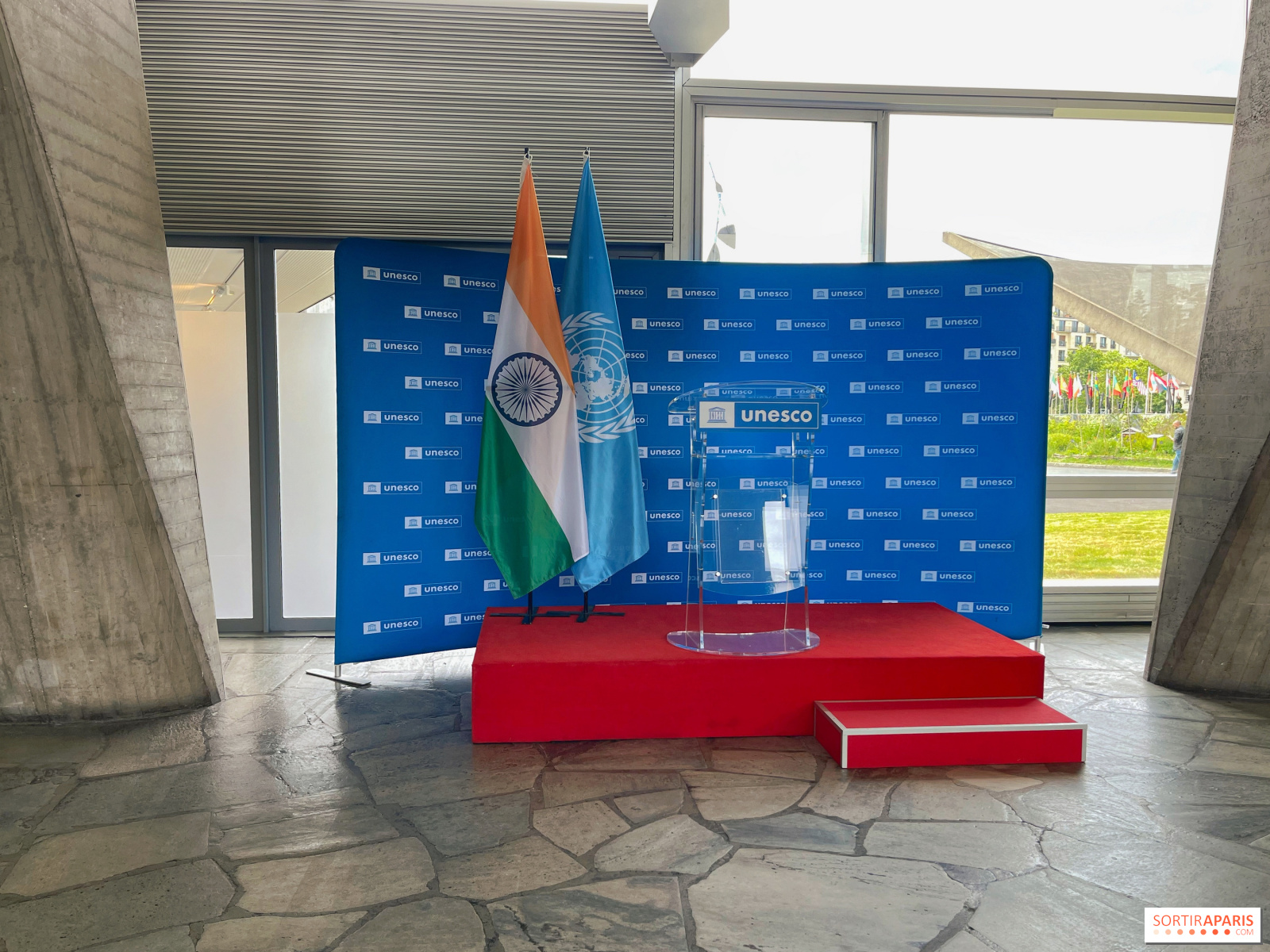
From the outset, the organization aimed to make its headquarters a place where art engages in dialogue with architecture. Today, the site houses more than 1,000 works created by some of the greatest artists of the 20th and 21st centuries. Visitors can notably admire works by Picasso, Alexander Calder, Alberto Giacometti, Joan Miró, Henry Moore, and Mircea Cantor.
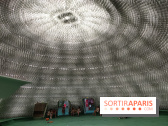
The artworks are spread across the halls, corridors, gardens and reception spaces, turning the headquarters into a true museum. Among the most remarkable spaces is also the Japanese garden designed by sculptor Isamu Noguchi, a true pause of calm in the middle of the complex. More recently, a meditation room designed by the Japanese architect Tadao Ando has enriched this architectural heritage.
The Paris headquarters plays host to the UNESCO's flagship conferences, sessions of the General Conference and the Executive Board, as well as numerous diplomatic meetings focused on safeguarding world heritage, press freedom, education, and scientific research.
This is also where UNESCO World Heritage Site nominations are reviewed, even though the final decisions are made by the World Heritage Committee during its sessions held in different countries. The building also hosts year-round visits from heads of state, researchers, artists, and representatives from nearly 200 member states.
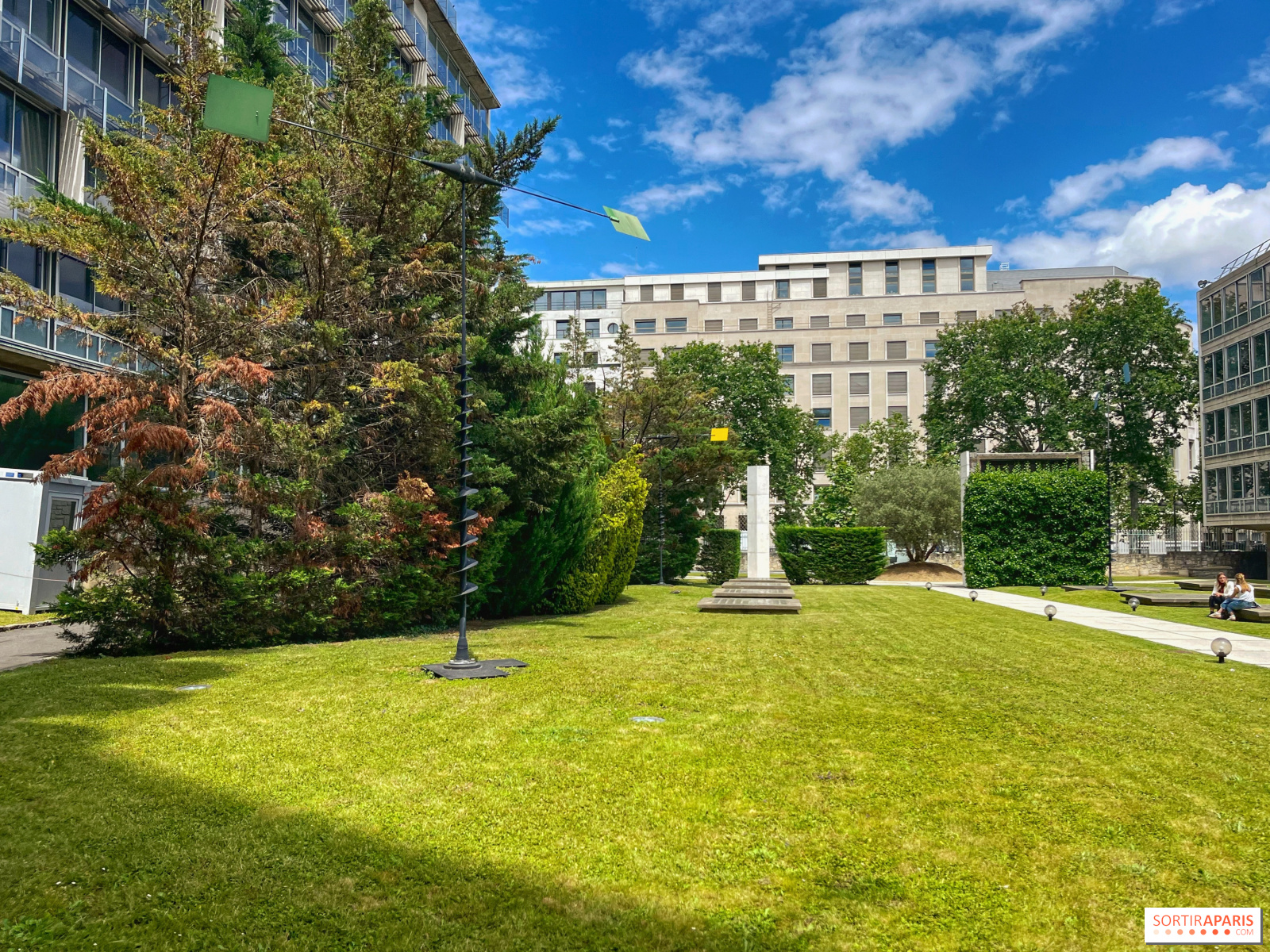
Yes, and contrary to a common belief, it is possible to discover UNESCO's headquarters outside the European Heritage Days. The organization offers guided tours of about 1h30, by reservation, allowing visitors to explore the main areas of the complex. Visitors discover the building's architecture, the artworks, the Japanese garden, the meditation room as well as the functioning and missions of UNESCO.
The venue also swings its doors wide open for the European Night of Museums and the European Heritage Days, with free animations, specific tours and access to spaces rarely open to the public. Throughout the year, the building also hosts a number of exhibitions, talks, concerts and screenings open to the public by registration!
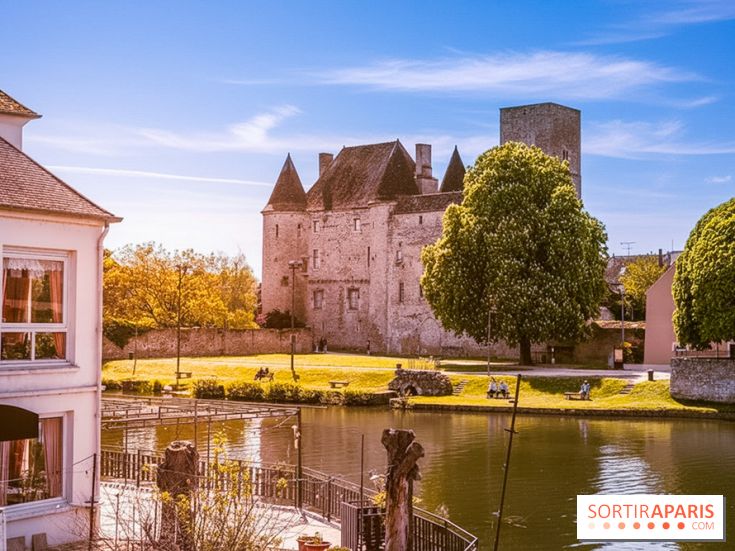
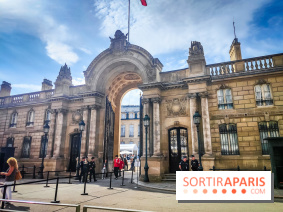
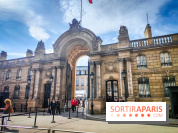
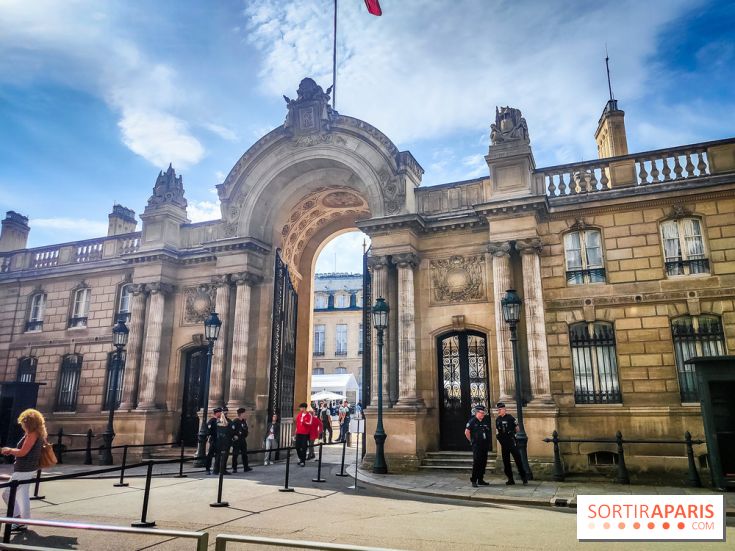
These Paris spots people think are closed… but you can actually visit them (and here’s how).
Discover these iconic Parisian sites that many assume are off-limits to the public, reserved for institutions or officials, yet they actually open their doors to visitors. The Élysée Palace, the Hôtel de Matignon, the Senate, religious monuments… Here’s when and how to visit. [Read more]
Dates and Opening Time
Next days
Tuesday:
from 09:00 a.m. to 06:00 p.m.
Wednesday:
from 09:00 a.m. to 06:00 p.m.
Thursday:
from 09:00 a.m. to 06:00 p.m.
Friday:
from 09:00 a.m. to 06:00 p.m.
Monday:
from 09:00 a.m. to 06:00 p.m.
Location
Unesco House
7 Place de Fontenoy
75007 Paris 7
Route planner
Access
Metro line 6 "Cambronne" station, line 10 "Ségur" station
Official website
www.unesco.org




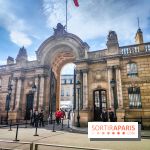 These Paris spots people think are closed… but you can actually visit them (and here’s how).