Every French citizen has already held in their hands a coin minted by the Monnaie de Paris. Yet few know that this institution, founded in 864 under the reign of Charles the Bald, is considered the oldest company in France still in operation.
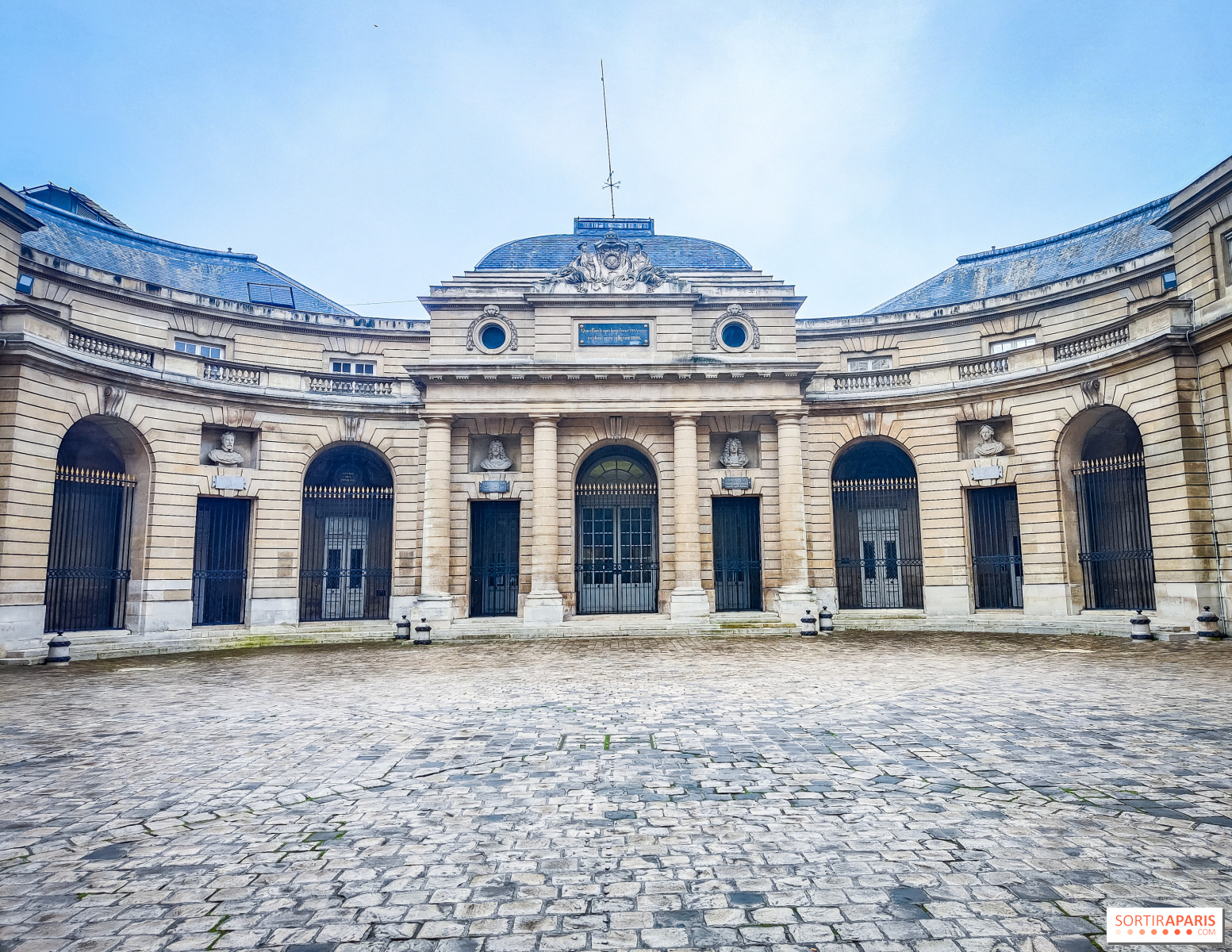
Housed since the 18th century in a majestic neoclassical palace on the Quai de Conti, facing the Louvre, it keeps alive rare artisanal trades, produces medals, official decorations, and collectible coins, and hosts a museum that reveals part of its behind-the-scenes.
In the 18th century, Paris’s old royal mint workshops no longer meet the kingdom’s needs. Louis XV then decides to build a modern establishment capable of housing all manufacturing activities. The project is entrusted to architect Jacques-Denis Antoine, who envisions a grand neoclassical complex whose construction begins in 1771.
Inaugurated in 1775, the building quickly set the standard. It was conceived as a true industrial palace, bringing together workshops, offices, storerooms, service yards and spaces for presentation within a single structure. This arrangement was innovative for its time and highlighted the strategic importance of minting for the kingdom.
While most of France's circulating coins are today minted at the Pessac industrial site in Gironde, the Quai de Conti remains the historic and artistic heart of the institution. It is here that collector coins, medals, and official decorations such as the Légion d'honneur are designed, along with creations produced by some of France's most renowned engravers and master artisans.
The site is home to rare crafts: direct-carve engravers, chisellers, metal founders, enamellers, polishers, and patinators. Many of these skills have been passed down for generations and require years of training. Each piece is the fruit of a meticulous work, where traditional techniques now sit alongside ultra-precise digital tools.
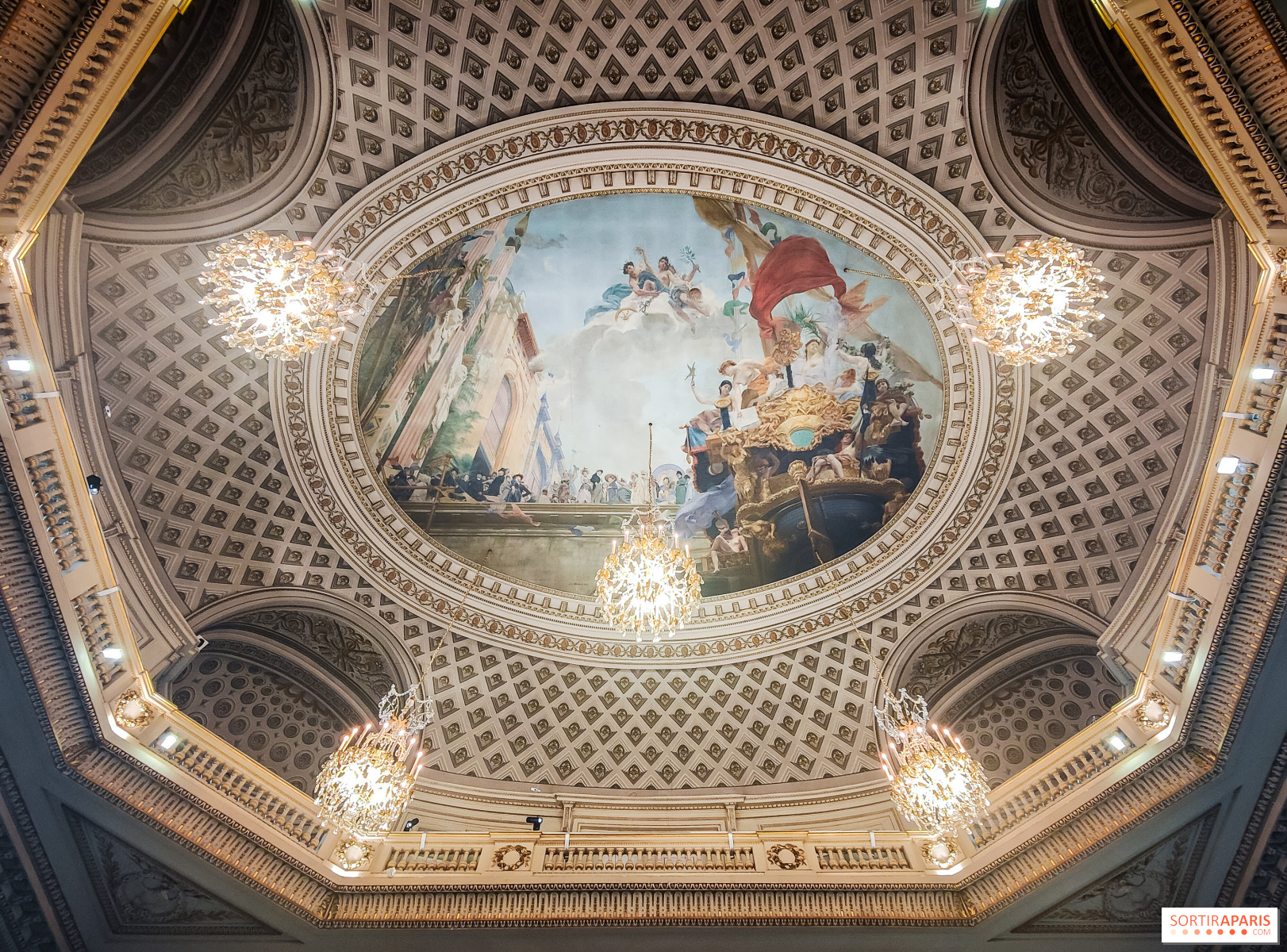
The architecture of the Monnaie de Paris also reflects the institution's prestige. As you move through the inner courtyards and the ceremonial salons, visitors encounter a refined setting designed to welcome the representatives of royal power, then the highest authorities of the state.
Woodwork, grand staircases, sculptures and classical décor remind us that coinage was a sovereign prerogative. Even today, some of these spaces host official ceremonies or cultural events.
Did you know? Before the advent of mechanical presses, coins were hand-struck! The engraver carved two dies bearing the design, with each die showing a recessed image. A metal planchet was placed between them, and one or several hammer blows forced the design onto the coin. The method demanded great precision and explains the slight variations you see on ancient coins.
From the 16th century, techniques gradually evolved thanks to lever presses, long before the arrival of modern industrial equipment that today enables the production of parts with exceptional precision.
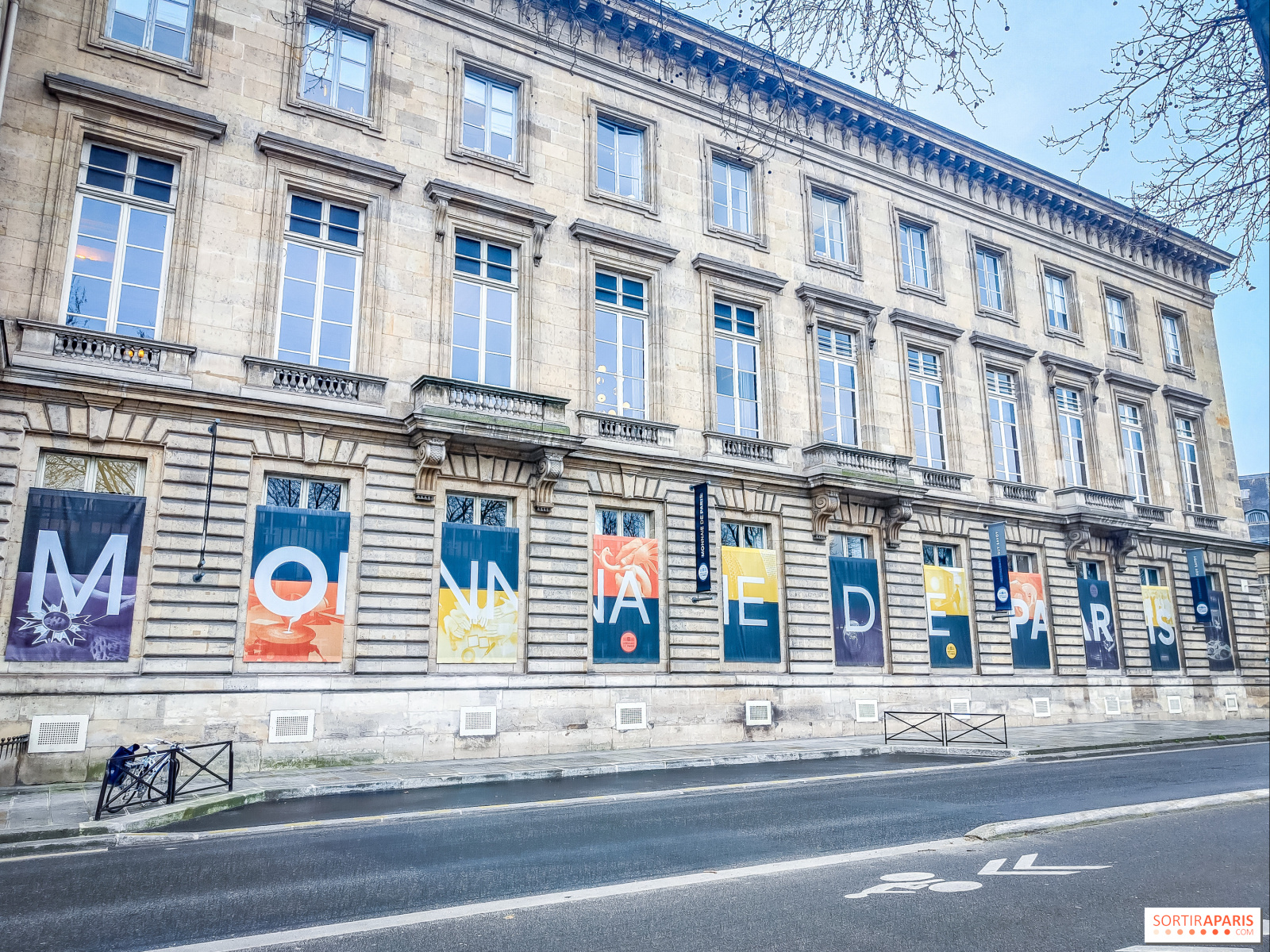
Unlike many history-focused museums, the Monnaie de Paris remains an active institution. The visitor route offers a look at the history of money, the evolution of minting techniques, and several demonstrations tied to the artisan trades.
Depending on the schedule of exhibitions and workshop activities, visitors can also observe some artisans at work through dedicated viewing spaces. This living dimension is the core appeal of the site: it isn’t just a historic monument, but an institution that continues to create and innovate!
Yes, partly. The Monnaie de Paris is open to the public year-round. The admission ticket grants access to the museum, the historical galleries, the temporary exhibitions, as well as the route devoted to the history of coin production and the crafts of art. Depending on the day and the workshop activity, you may also glimpse some artisans in the middle of a demonstration.
By contrast, the true production spaces, the most sensitive workshops, the reserves, the zones for storing precious metals, and several institutional salons are not accessible during standard tours. These areas remain off-limits to the public and are reserved for staff and professionals for security and confidentiality reasons!
On the occasion of the European Heritage Days or of exceptional events, the Monnaie de Paris sometimes opens spaces that are normally closed to the public. These tours, offered in limited numbers, provide a rare opportunity to discover the behind-the-scenes of this institution more than a millennium old.
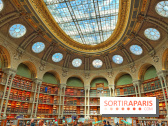
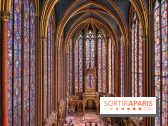
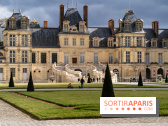
These Paris spots people think are closed… but you can actually visit them (and here’s how).
Discover these iconic Parisian sites that many assume are off-limits to the public, reserved for institutions or officials, yet they actually open their doors to visitors. The Élysée Palace, the Hôtel de Matignon, the Senate, religious monuments… Here’s when and how to visit. [Read more]
This page may contain AI-assisted elements, more information here.
Dates and Opening Time
Next days
Tuesday:
from 11:00 a.m. to 06:00 p.m.
Wednesday:
from 11:00 a.m. to 09:00 p.m.
Thursday:
from 11:00 a.m. to 06:00 p.m.
Friday:
from 11:00 a.m. to 06:00 p.m.
Saturday:
from 11:00 a.m. to 06:00 p.m.
Sunday:
from 11:00 a.m. to 06:00 p.m.
Location
Paris Mint
11 Quai de Conti
75006 Paris 6
Route planner
Accessibility info
Official website
www.monnaiedeparis.fr
























 These Paris spots people think are closed… but you can actually visit them (and here’s how).