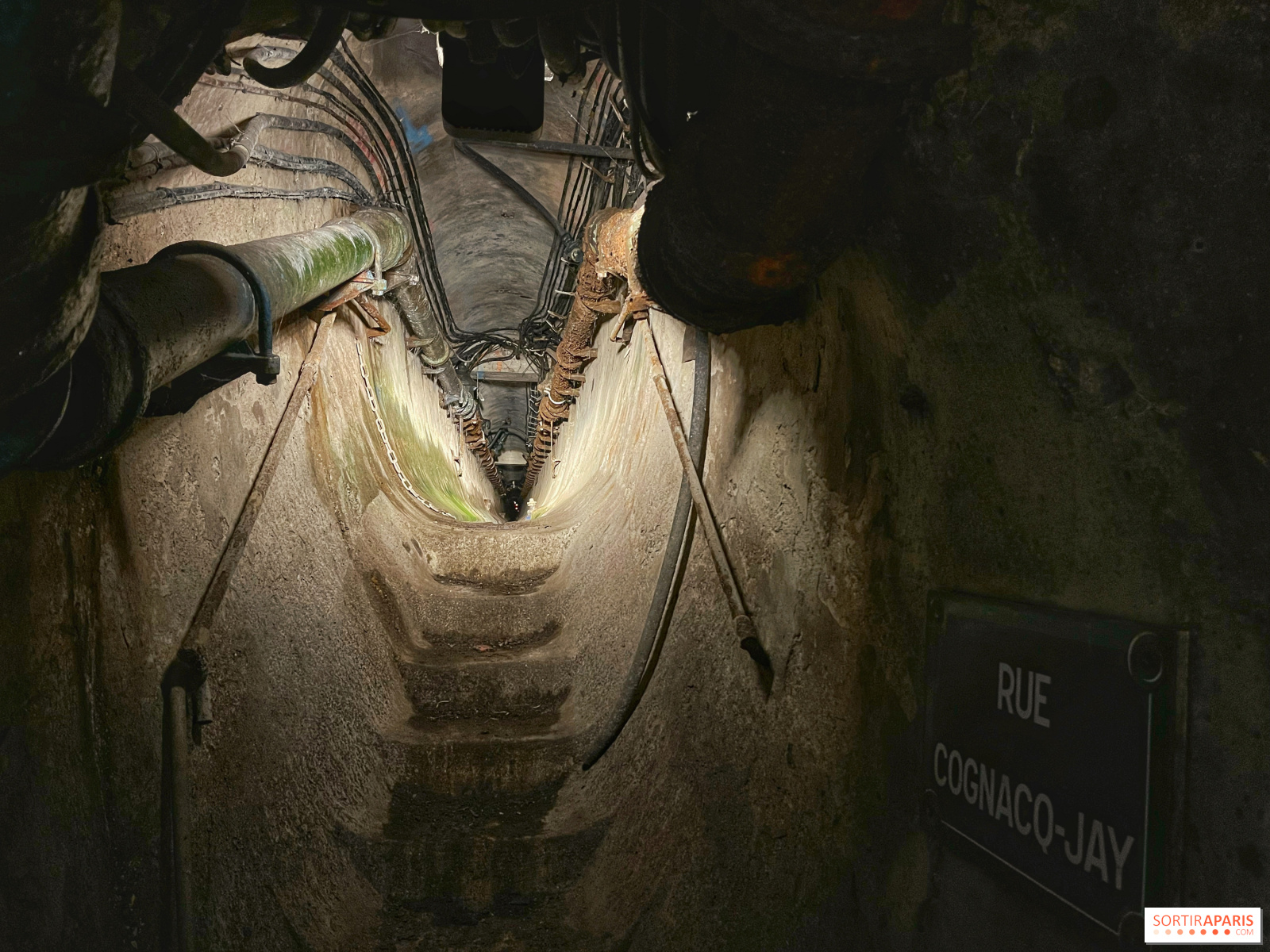
Under Paris's bustling boulevards and monuments lies a sprawling underground network spanning more than 2,600 kilometers: the capital's sewers. A true engineering feat, they inspired Victor Hugo, hosted official visits, and today continue to play a vital role in the daily life of Parisians.
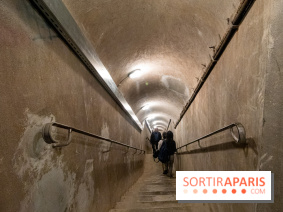
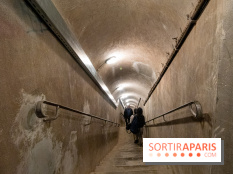
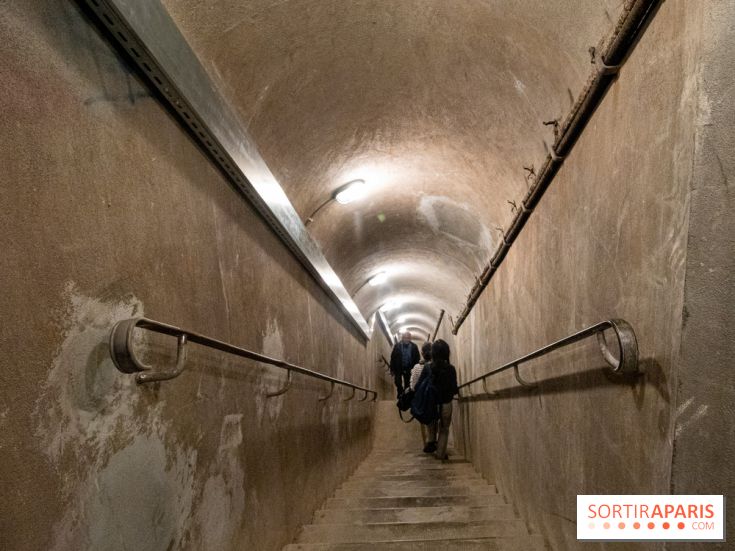
Far from the catacombs, Paris’s sewers form a true underground city, laid out just like the network above ground. The galleries are named after the streets they run along, signs indicate directions, the pipes are clearly identified, and teams circulate there daily to keep them in good repair.
Discover the fascinating history of these little-known galleries... and how to visit them.
Until the 19th century, Paris’s sewage disposal was woefully inadequate. Many streets were lined with open ditches, while some dirty water was simply discharged into the Seine, with health consequences that speak for themselves. The transformation truly began under the Second Empire.
Tasked by Napoleon III with modernizing Paris, the prefect Georges-Eugène Haussmann entrusts the engineer Eugène Belgrand with creating a completely redesigned sanitation network. Belgrand imagines galleries far larger than the old conduits.
Their height allows inspectors to move about while standing, to inspect the works and carry out maintenance without interrupting the network’s operation. It also develops a coherent system of collecte des eaux usées and stormwater collection, which will accompany the capital’s immense transformation. This modern vision will be emulated by many cities around the world.
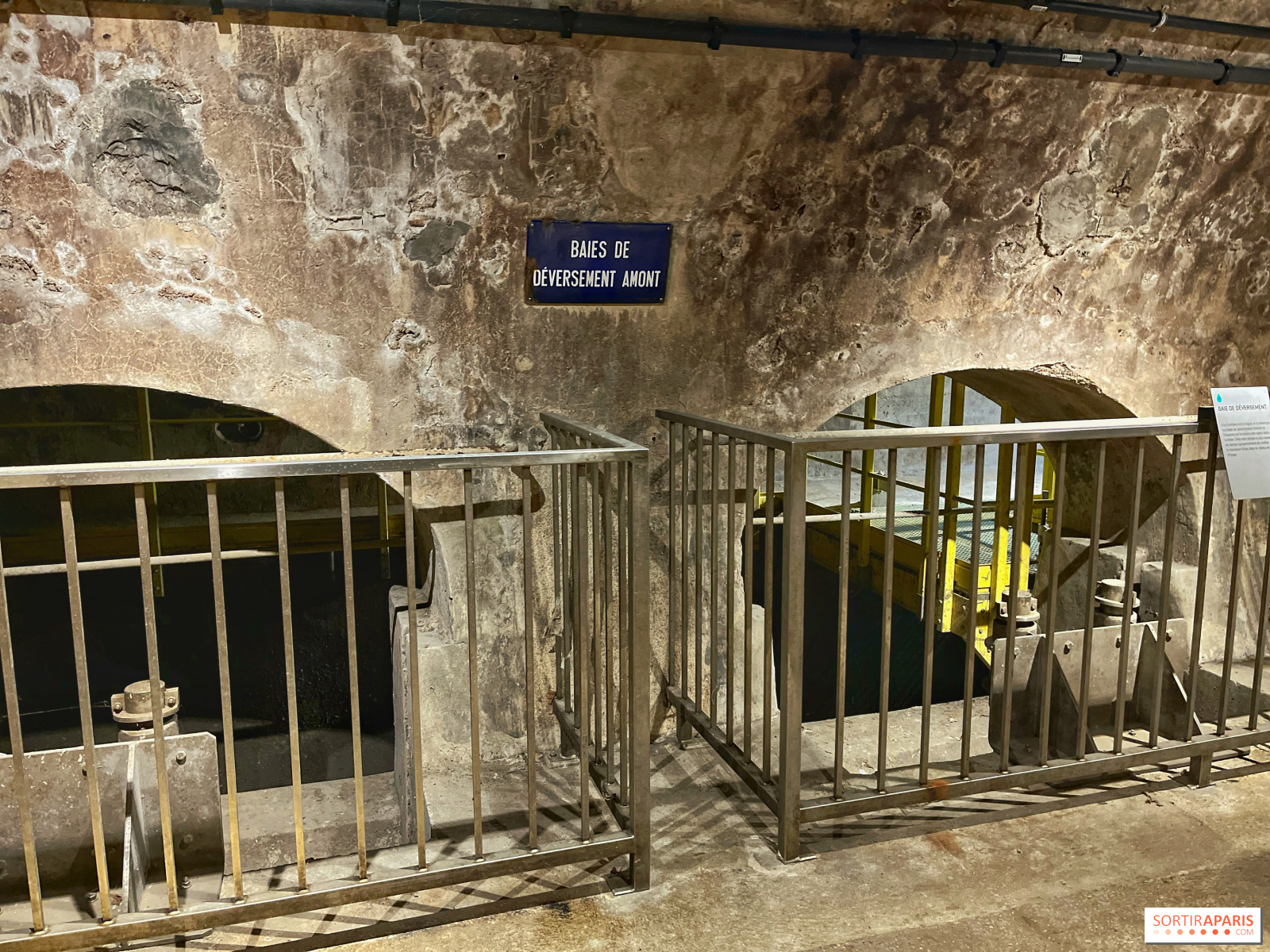
The new sewers quickly aroused curiosity. As early as the 1860s, the City of Paris organized tours for foreign dignitaries and visitors to the World's Fair. Tourists then discovered the galleries aboard small boats, and later, wagonnets running on tracks laid out in the sewers.
This unusual attraction has proven to be a real success. At a time when hygiene is a mark of modernity, Paris's sewer system is presented as a showcase of French know-how. The network thus becomes one of the rare technical works in the world to be proudly exhibited to the general public.
You can't discuss Paris's sewers without mentioning Misérables. In his 1862 novel, Victor Hugo devotes a lengthy chapter to this subterranean labyrinth. It is in the sewers that Jean Valjean carries Marius, wounded during the June 1832 uprising, in a bid to save his life.
The writer sees there far more than a simple sewer network. He portrays the sewers as the hidden reflection of the city, a place where misery, progress, and the contradictions of Parisian society intersect. This passage has done much to fuel the collective imagination around the underground galleries.
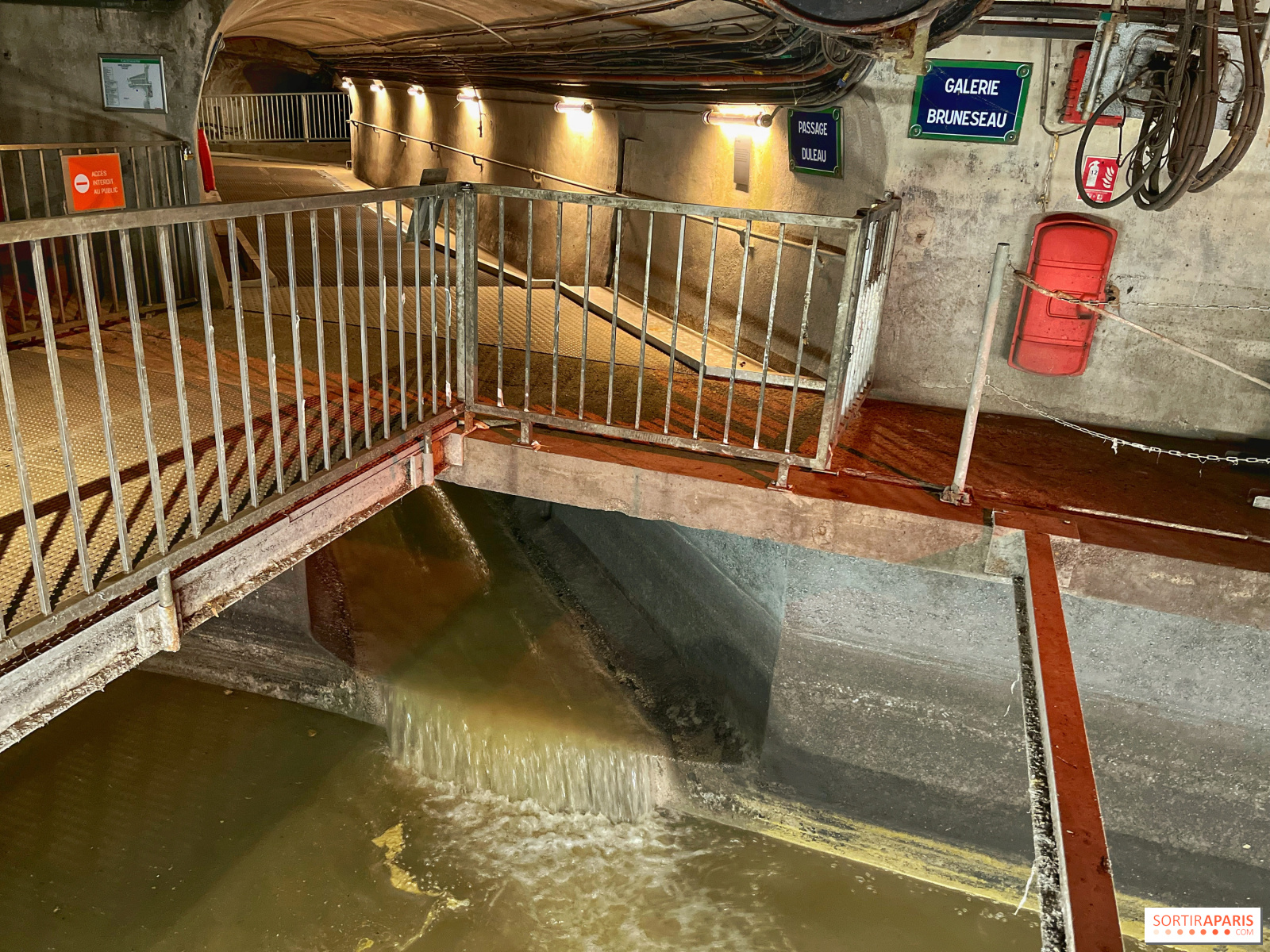
Today as well, Paris's sewers are still patrolled daily by the City of Paris's sewer workers. Their mission is to inspect the drainage works, remove buildup, monitor the pipelines, maintain the hydraulic equipment, and respond swiftly to incidents to prevent floods or blockages.
Thanks to modern tools (inspection cameras, robots, sensors and specialized vehicles) their work has evolved dramatically, even though some operations still require human intervention deep inside the galleries. The network is also continuously adapted to meet current challenges, notably the rise in episodes of heavy rainfall linked to climate change and the improvement of the quality of discharges into the Seine.
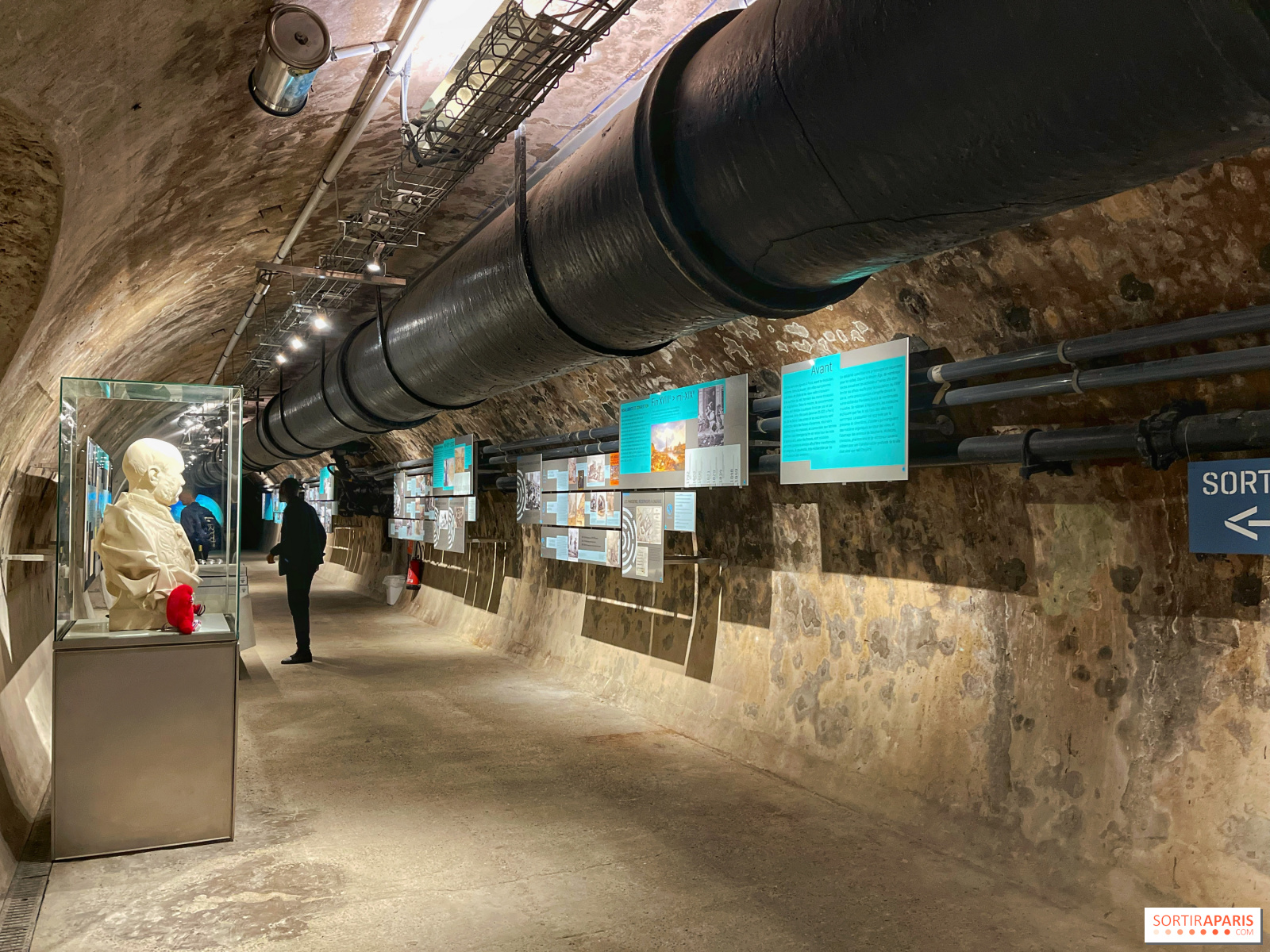
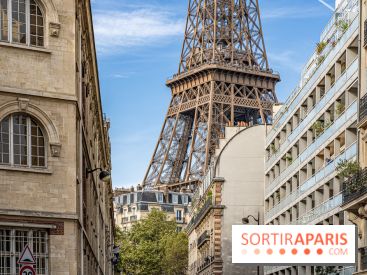
Yes. Unlike many of the capital’s technical sites, a portion of Paris’s sewers is accessible all year round thanks to the Paris Sewer Museum, located near the Pont de l’Alma. Fully renovated, this route allows visitors to descend into active, real galleries while discovering the history of Paris’s sanitation, how the network operates, and the trade of the sewer worker.
By contrast, the vast majority of the 2,600 kilometers of sewers remains strictly inaccessible. The other galleries are reserved for Paris City employees for obvious reasons of security, hygiene, and continuity of public service. The Sewer Museum therefore provides the only way to discover legally and safely a part of this fascinating city hidden beneath Paris!
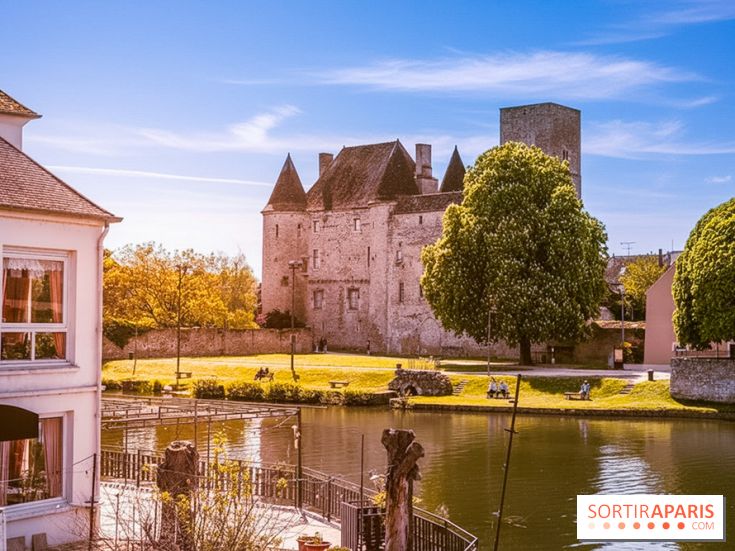
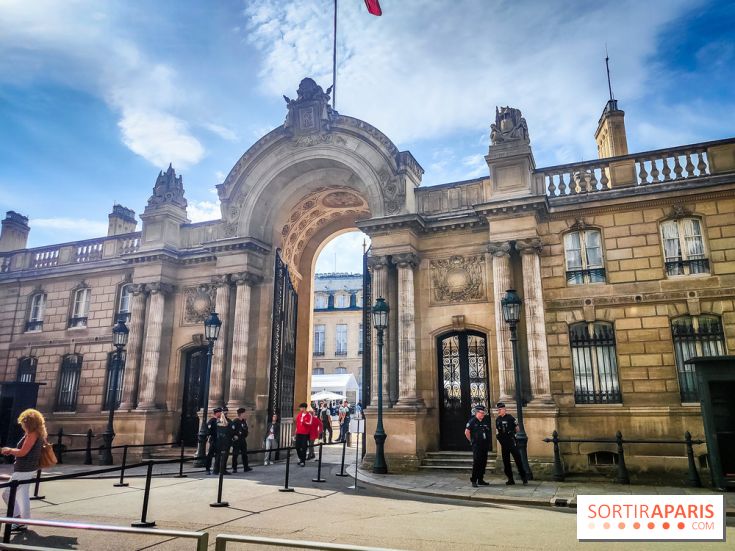
These Paris spots people think are closed… but you can actually visit them (and here’s how).
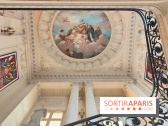
Discover these iconic Parisian sites that many assume are off-limits to the public, reserved for institutions or officials, yet they actually open their doors to visitors. The Élysée Palace, the Hôtel de Matignon, the Senate, religious monuments… Here’s when and how to visit. [Read more]
Dates and Opening Time
Next days
Saturday:
from 10:00 a.m. to 05:00 p.m.
Sunday:
from 10:00 a.m. to 05:00 p.m.
Tuesday:
from 10:00 a.m. to 05:00 p.m.
Wednesday:
from 10:00 a.m. to 05:00 p.m.
Thursday:
from 10:00 a.m. to 05:00 p.m.
Friday:
from 10:00 a.m. to 05:00 p.m.
Location
Paris Sewer Museum
Pont de l'Alma
75007 Paris 7
Route planner
Official website
musee-egouts.paris.fr





























 These Paris spots people think are closed… but you can actually visit them (and here’s how).