We invite you to take aliterary strollin the footsteps of the places that made the legend of the famous French playwrightMolière, also known as Jean-Baptiste Poquelin. Born in Paris, he spent much of his life in thecapital, in its many theaters. Many iconic locations in the City of Light also left their mark on the life of this actor, a leading figure of classicism and French theater.
On foot, it will take you lessthan an hourto visit thesehistoric sites, with most of the points of interest located inthe Louvre district.

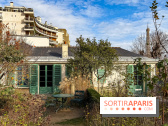
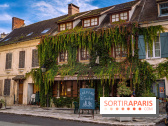
The Pavillon des Singes is Molière's childhood home. Its name comes from a decoration on a corner post, which depicted a tree populated by monkeys picking fruit. Jean-Baptiste Poquelin lived there from his birth in 1622 until around 1634. Demolished in 1802, the house is now located at 96 Rue Saint-Honoré, at the intersection with Rue Sauval, in the LesHalles district.
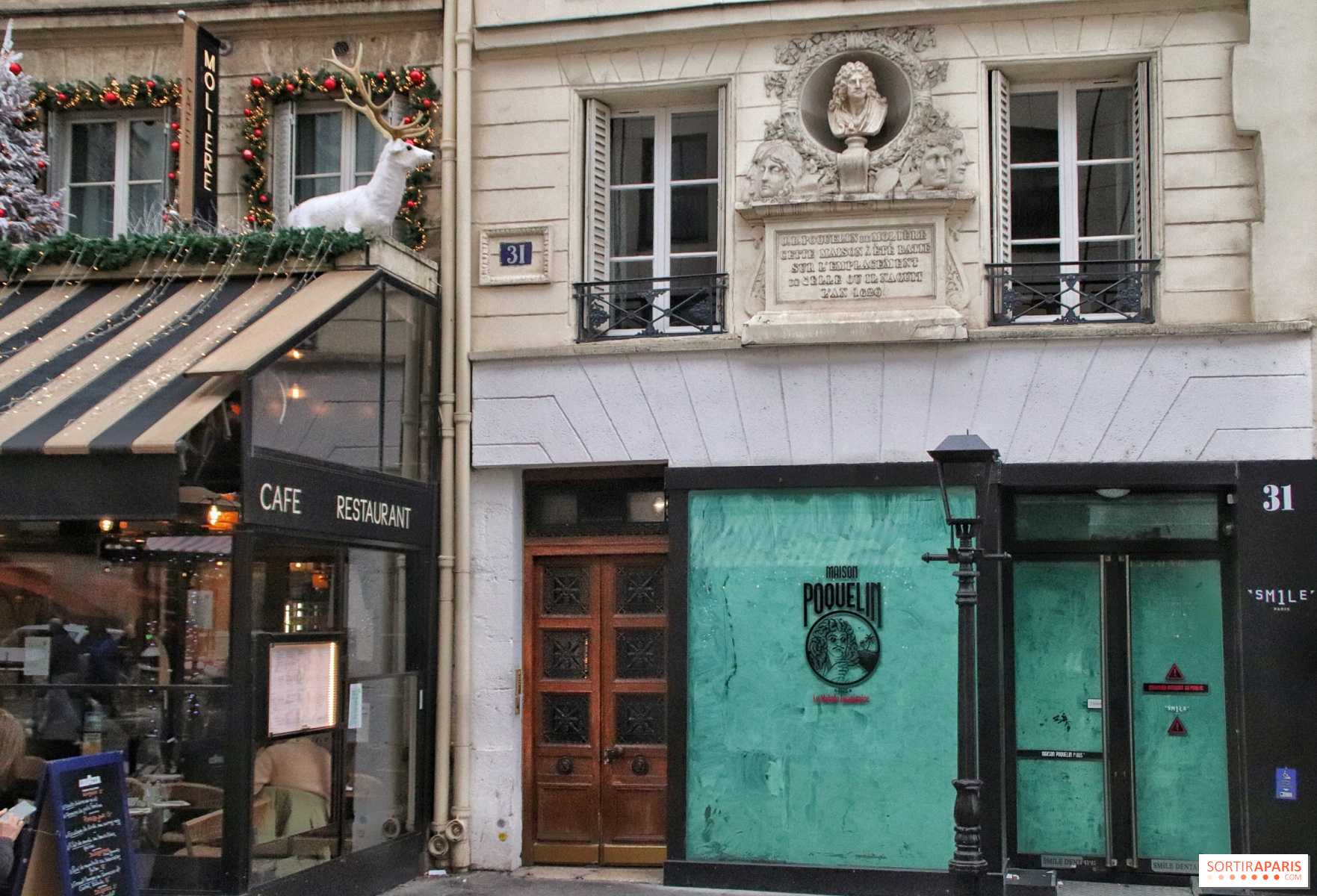
However, there is a persistent legend about Molière's birthplace. For many years, some believed that he was born at 31 Rue du Pont-Neuf, but historical research has proven otherwise. Nevertheless, a plaque with Molière's face remains on the house.
Metro 1: Louvre-Rivoli
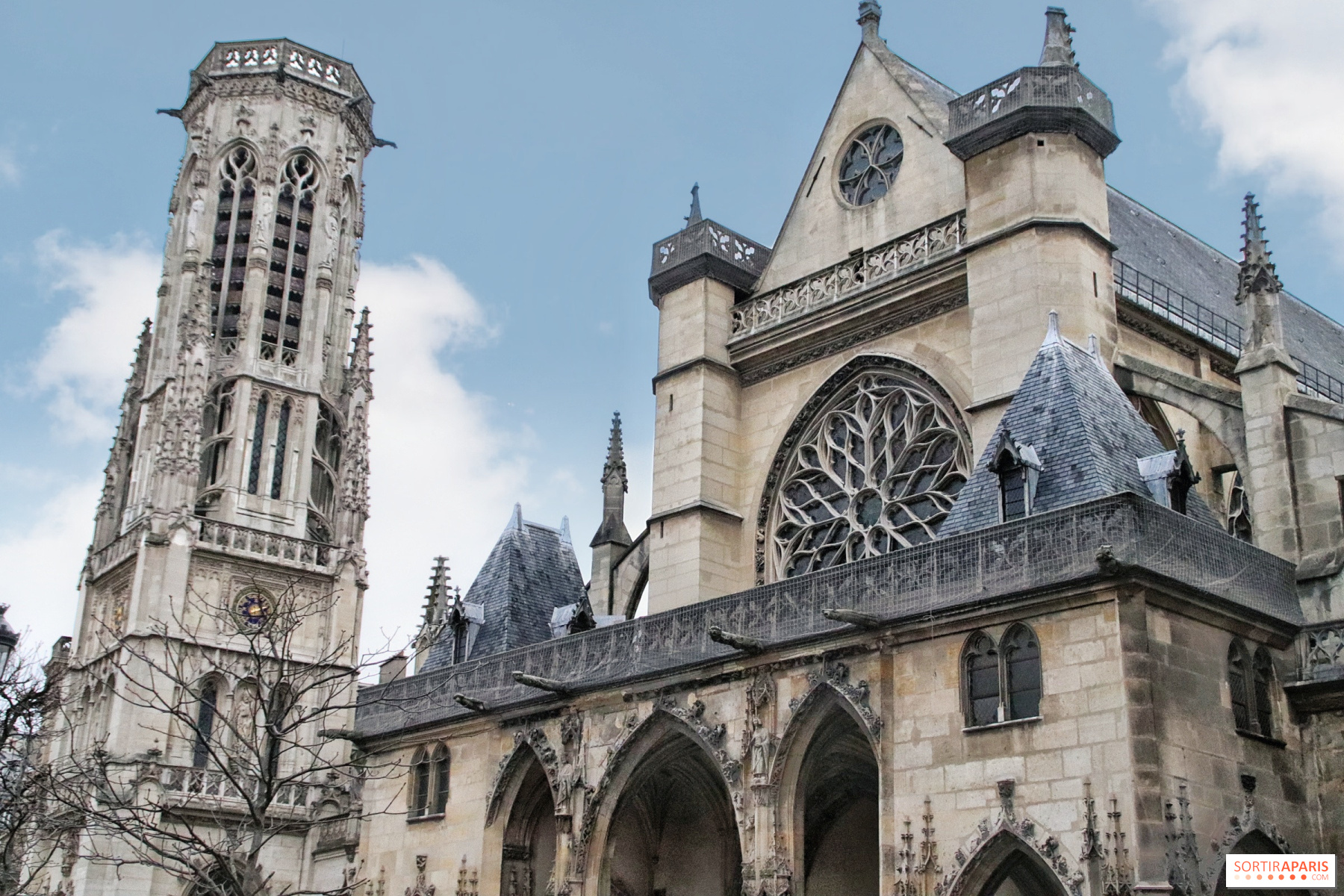
Located opposite the Louvre, this church is known as the parish church of artists. On January 23, 1662, Molière signed a marriage contract with Armande Béjart, aged around 20, whom he married on February 20 in this beautiful Gothic church.
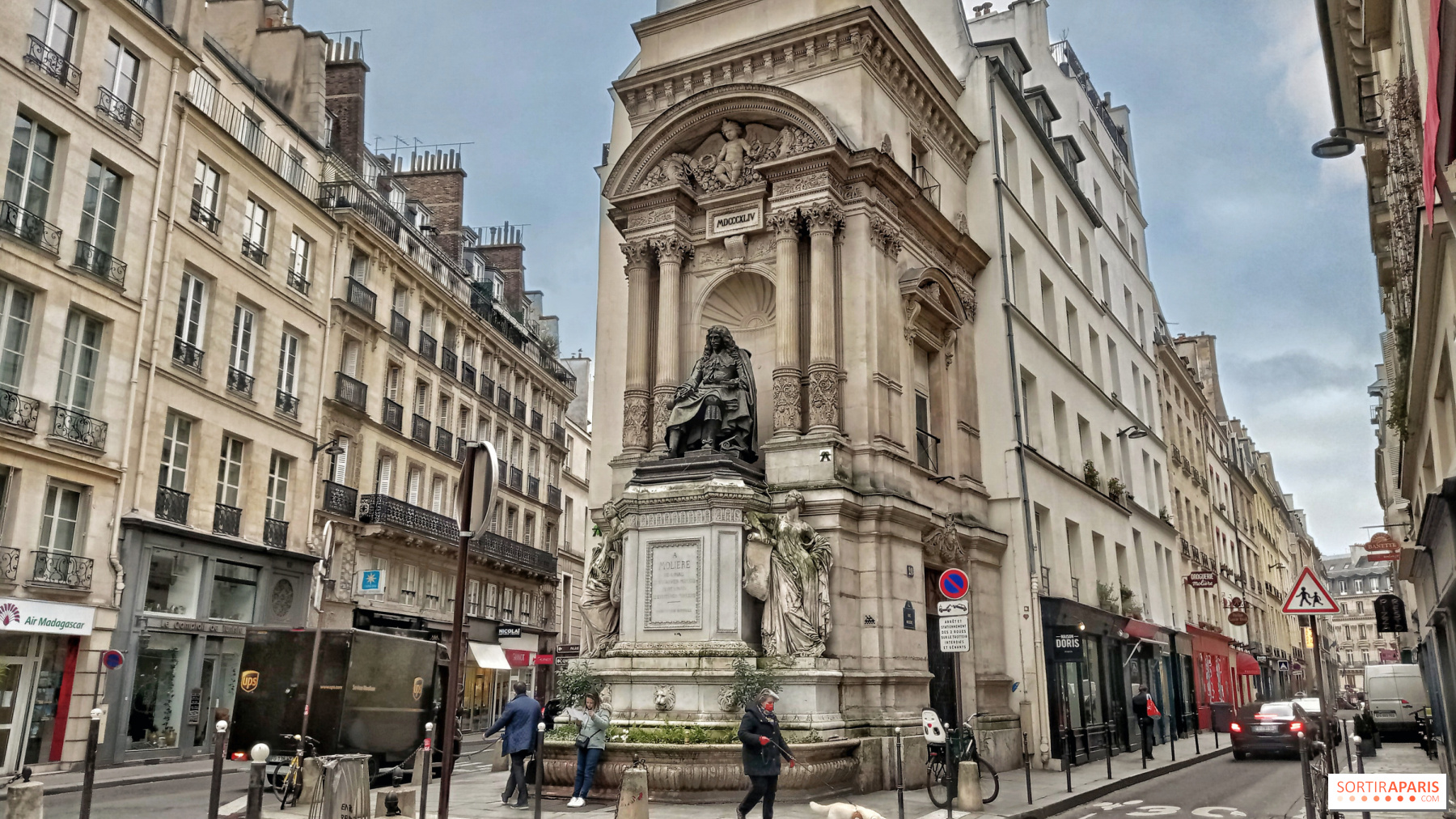
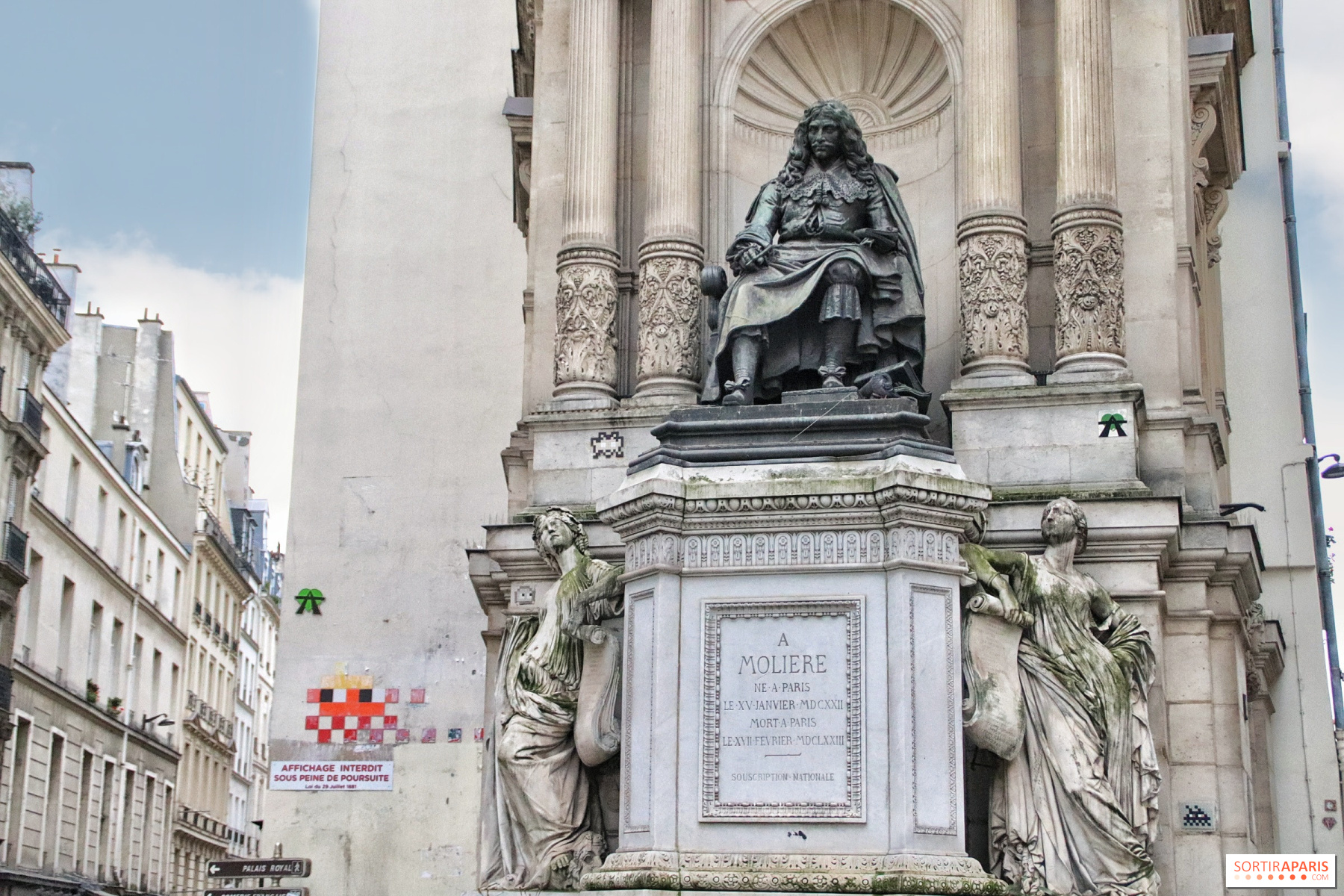
This bronze fountain,builtby the architect Visconti, is located at the corner of Rue de Richelieu and Rue Molière. It was inaugurated in 1844 as a monument to the playwright. Two female allegories in marble,La Comédie sérieuseandLa Comédie légère, stand below Molière and hold scrolls listing the French actor's works.
Metro 7: Pyramides
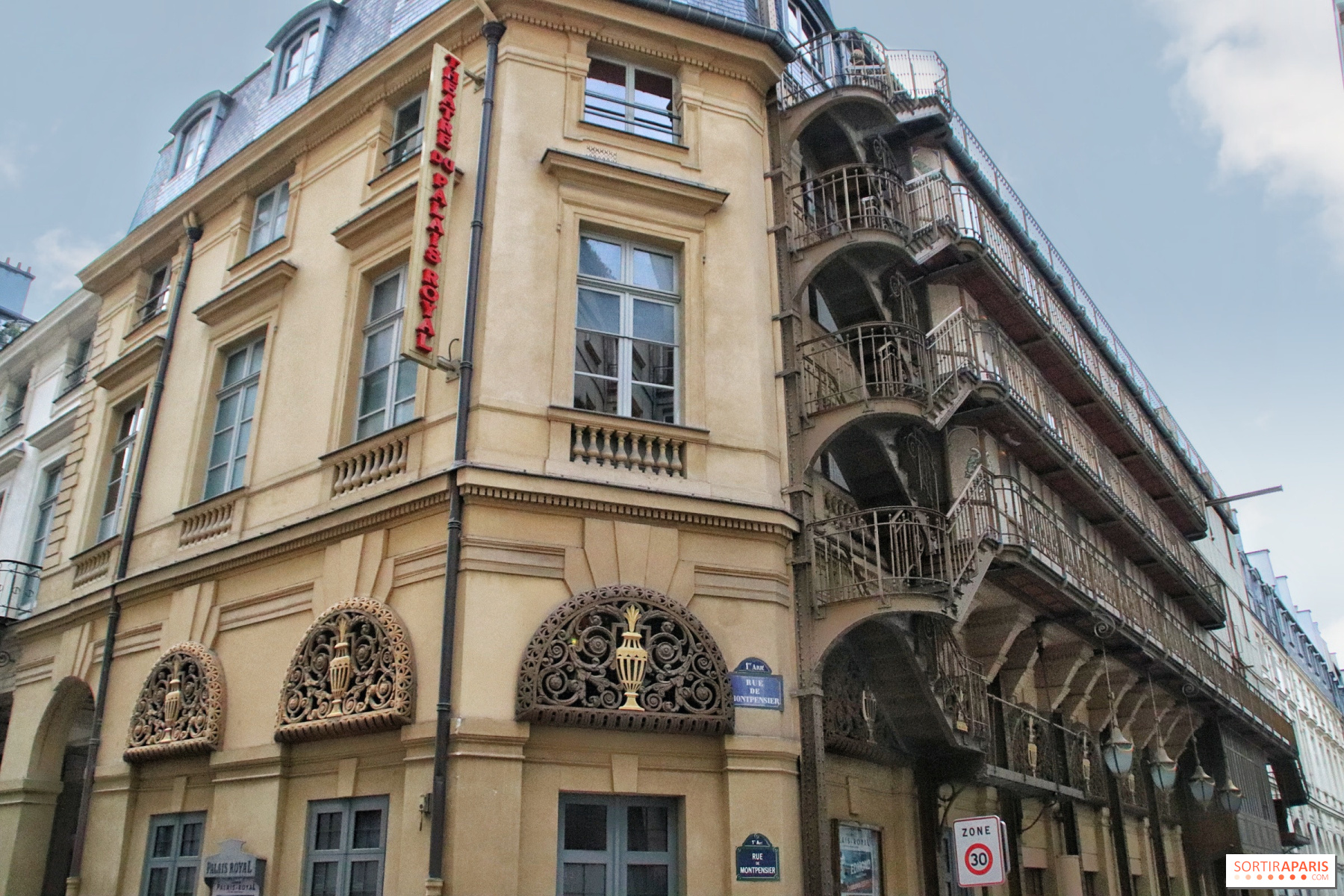
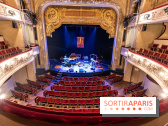
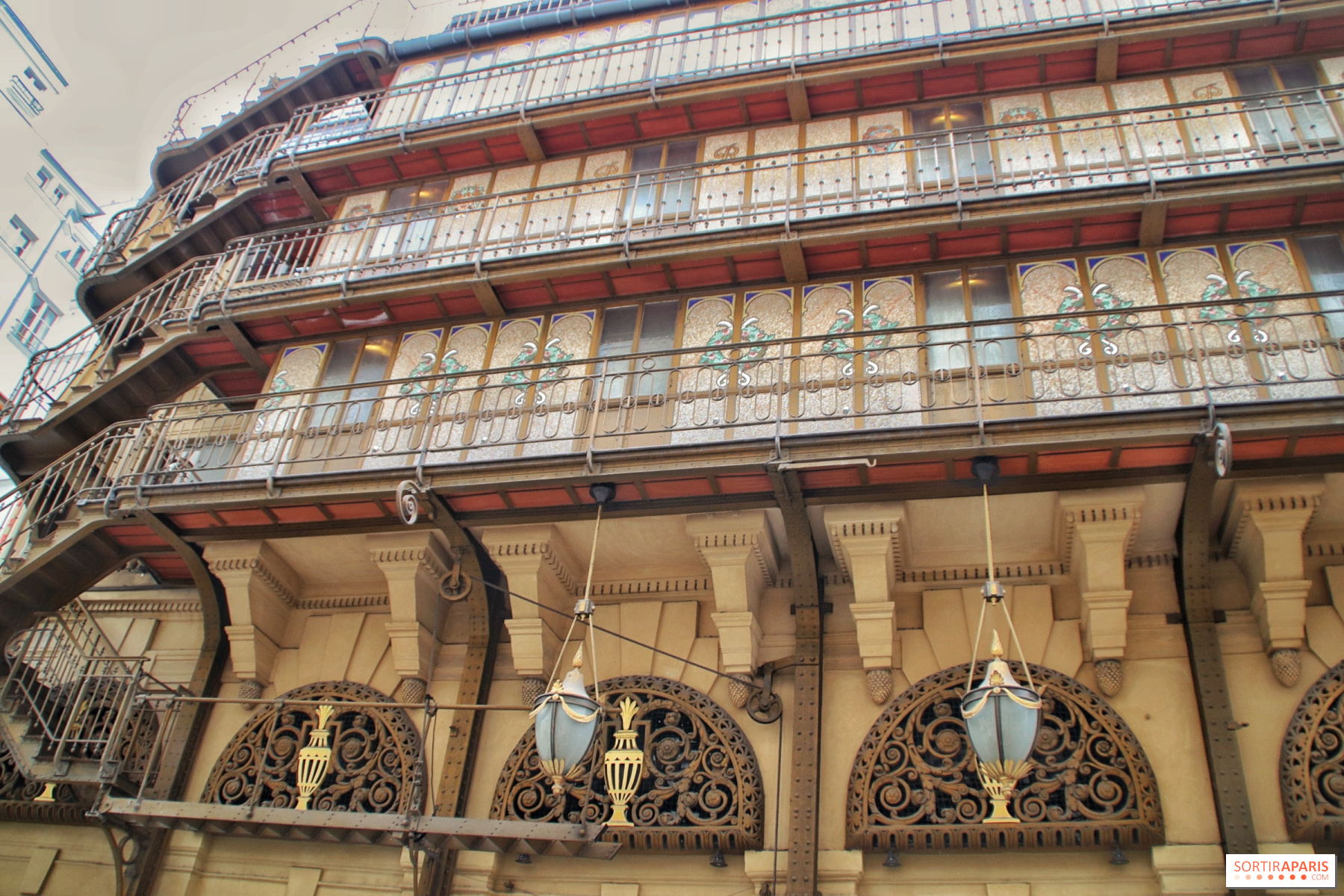
Until October 1660, Molière's plays were performed at the Hôtel du Petit-Bourbon, but it was demolished on October 11, 1660. King Louis XIV then granted the playwright's troupe permission to perform his plays in the famous Palais-Royal theater, where the vast majority of his works would be performed many times.
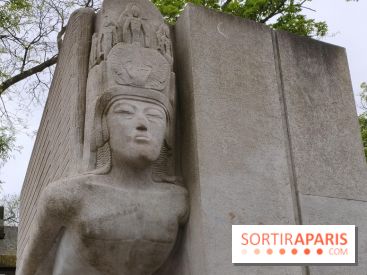
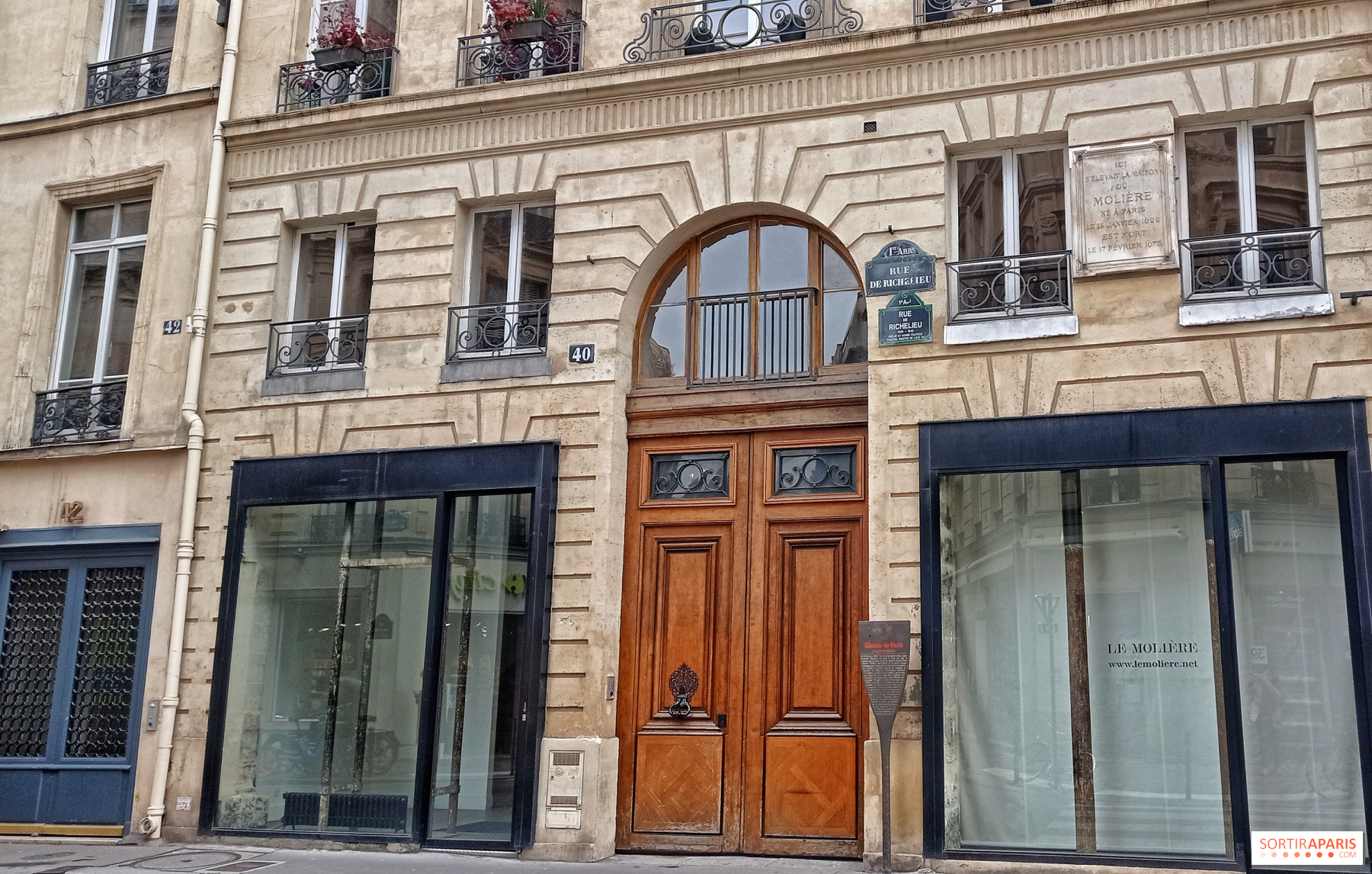
Molière was living at 40 Rue de Richelieu when he died on February 17, 1673, after the fourth performance of his playLe Malade Imaginaire(The Imaginary Invalid). If you would like to visit the tomb of the illustrious playwright, headto the Père-Lachaise Cemetery. When he died, he was buried in the Saint-Joseph Cemetery at the end of the 18th century, but this cemetery has since disappeared. His remains were therefore moved in 1817 to Père-Lachaise, where they still lie today.
So, are you ready to walk in the footsteps of one of France's greatest playwrights?