TheAffair of the Queen's Necklace is one of the most famous swindles in French history, combining court intrigue, pretense and resounding scandal. Even today, this affair continues to fascinate, and has inspired numerous literary and cinematic works. Among these,Alexandre Dumas' 1849 novel "Le Collier de la reine" (The Queen's Necklace ) offers a fictionalized version of the story. Several film adaptations have been made, including Marcel L'Herbier's 1946 French film "L'Affaire du collier de la reine " and Charles Shyer's 2001 American film "L'Affaire du collier".
At the heart of this affair is Jeanne de Valois-Saint-Rémy, known as the Countess de La Motte. An impoverished descendant of the royal family, she devised an audacious swindle to enrich herself. Taking advantage of Cardinal de Rohan's disgrace with Queen Marie-Antoinette, she led him to believe that she could help him regain royal favor. To this end, she organizes a nocturnal meeting in the gardens of Versailles with a false queen.
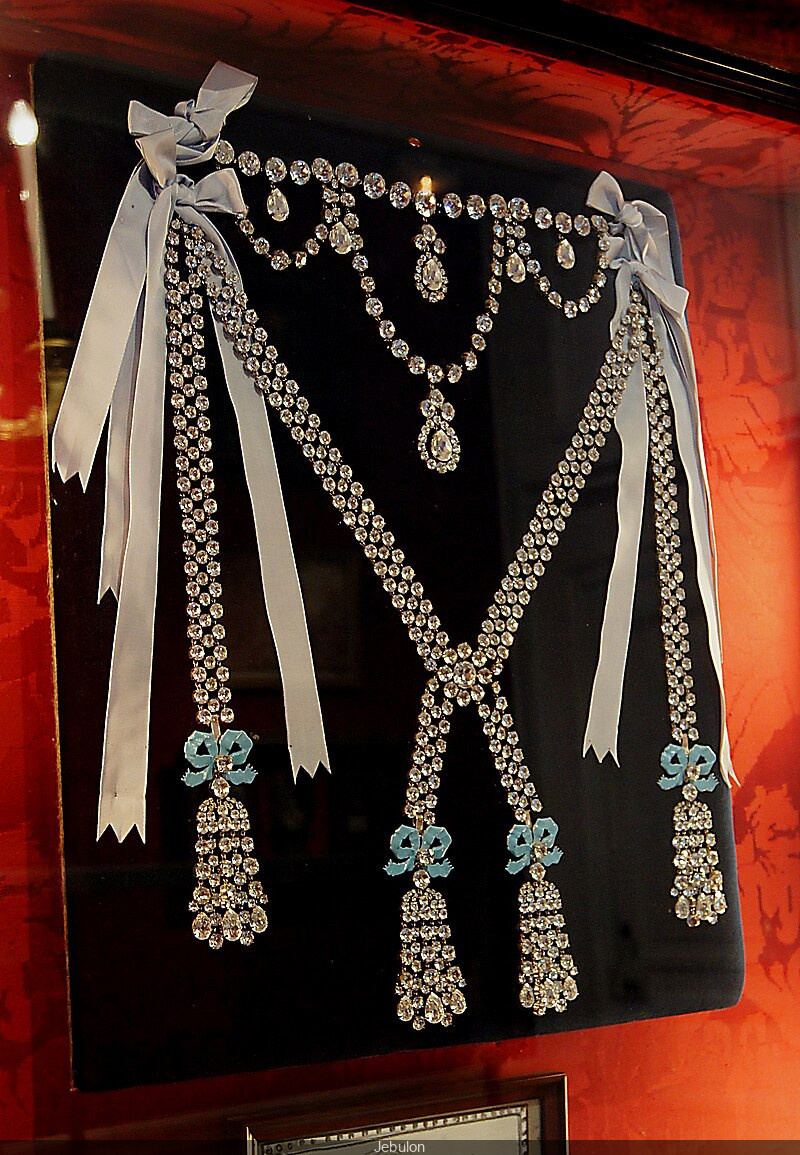
At the same time, the Crown jewelers Böhmer and Bassenge were desperate to sell a sumptuous diamond necklace worth 1.6 million pounds. This sumptuous necklace was originally intended as a gift for Madame du Barry, the favorite of King Louis XV. Wishing to give her a gift worthy of her beauty and rank, the king commissioned the jewelers to create an exceptional piece. They spent several years gathering the finest diamonds and designing a priceless jewel, estimated at 1.6 million pounds, a colossal sum for its time.
However, in 1774, before the project could come to fruition, Louis XV died. Madame du Barry was exiled from the court by the new king, Louis XVI, and could no longer benefit from the necklace. The jewelers were left with a jewel of astronomical value. They desperately sought a buyer, and tried to sell it to the new queen, Marie-Antoinette. The unfinished jewel thus became a burden for its creators... until the necklace affair broke, providing an unhoped-for opportunity for crooks to cash in.
The Countess de La Motte persuaded the Cardinal that the Queen secretly wished to acquire the necklace and that he could act as intermediary. Convinced, the Cardinal agreed to finance the purchase in instalments and handed the necklace over to the Countess, thinking she could pass it on to the Queen. However, Jeanne de La Motte and her accomplices seized the jewel and sold it in pieces to finance their lifestyle.
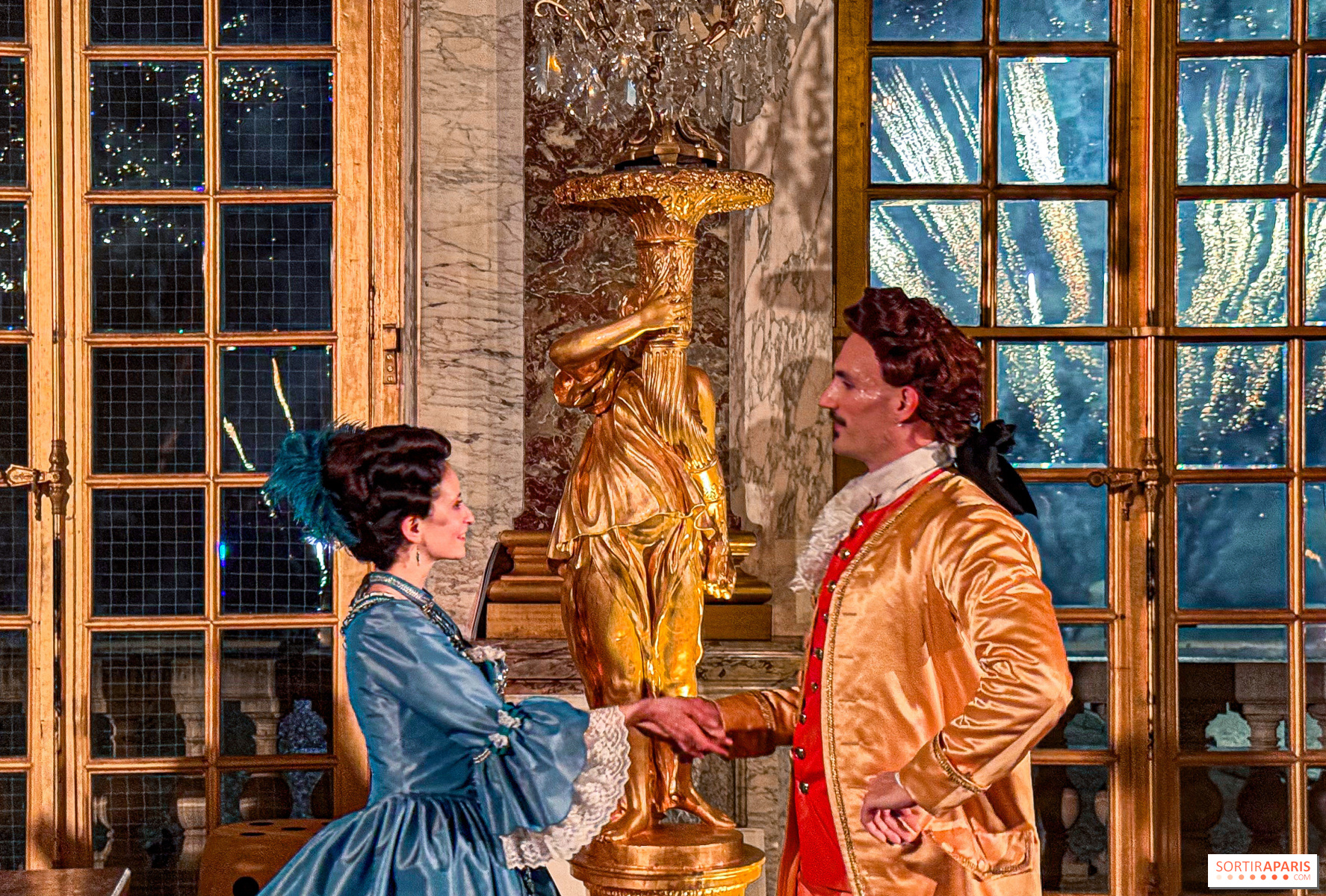
When the jewellers demanded payment from the royal treasury, the cat was out of the bag. The Cardinal de Rohan is publicly arrested in the Hall of Mirrors at Versailles, causing a huge scandal. At the trial, although the Comtesse de La Motte was found guilty and punished, the Cardinal was acquitted. Marie-Antoinette, although not involved, saw her reputation tarnished by the affair. Public opinion, already distrustful of the monarchy, turned even more against it, contributing to the rising tensions that would lead to the French Revolution.
The affair of the Queen's necklace illustrates how a well-orchestrated swindle shook the French monarchy and precipitated its downfall. And if you're wondering what the famous necklace of discord looks like, a reproduction is on display at Château de Breteuil in the Yvelines.
This page may contain AI-assisted elements, more information here.