What if we discover Auguste Rodin not just through his works, but through the places that still tell his presence? In Paris and Île-de-France, several addresses let you trace the steps of the famous sculptor, from grand townhouses to artist’s homes, studios, and gardens. For the curious, art lovers, or walkers seeking a cultural outing, this itinerary offers another way to approach Rodin—through the places where he lived, worked, and left his mark.
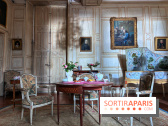
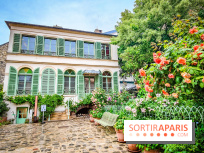
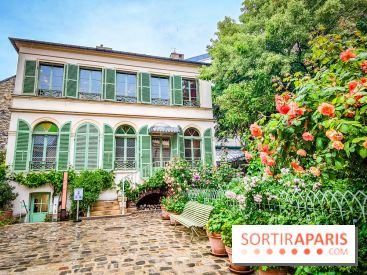
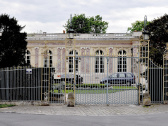
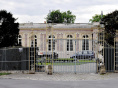
In Paris, the most obvious starting point begins at the hôtel Biron, in the 7e arrondissement. It is today the musée Rodin, housed in an elegant hôtel particulier surrounded by a garden where several major sculptures are on view. Rodin discovered the place in 1908 and rented a few rooms there before settling in more permanently. The address would later become the heart of his artistic memory.

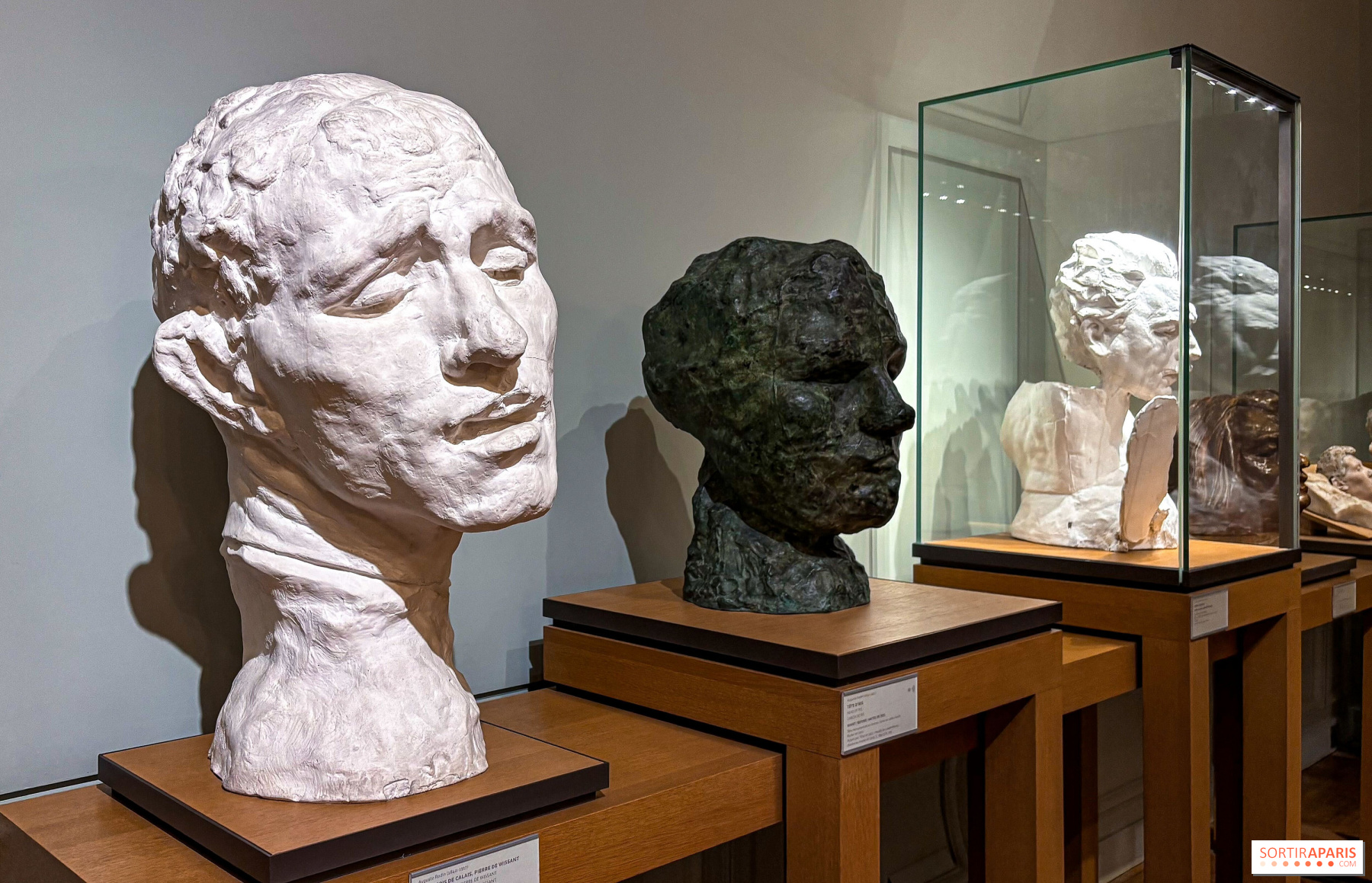
For a Rodin-focused visit, this is an ideal starting point. The site lets you see his works in a setting that was truly intertwined with his life, blending calm, greenery and a sense of monumental scale that suits his sculpture so well. It also showcases what defines his art: powerful forms, a instinct for movement, expressive bodies, and a remarkably free approach to making the material come alive.
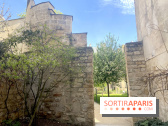
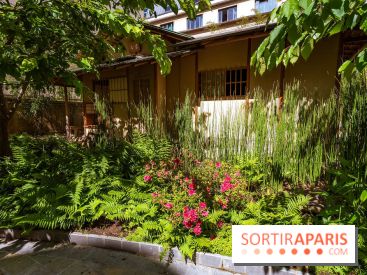
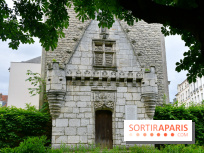
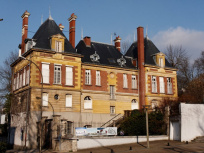
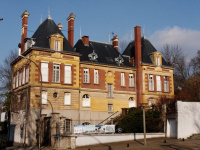
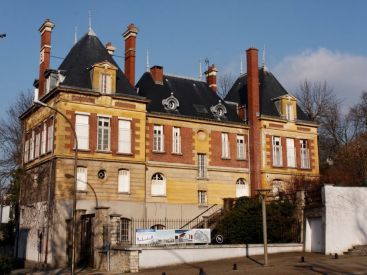
To extend the journey, head to Meudon (Hauts-de-Seine - 92) and the Villa des Brillants, where Rodin settled in 1893. The site offers a more personal glimpse of the artist. Here, you step into his daily life, into his working spaces, in a house that tells the story of the final years of his life.
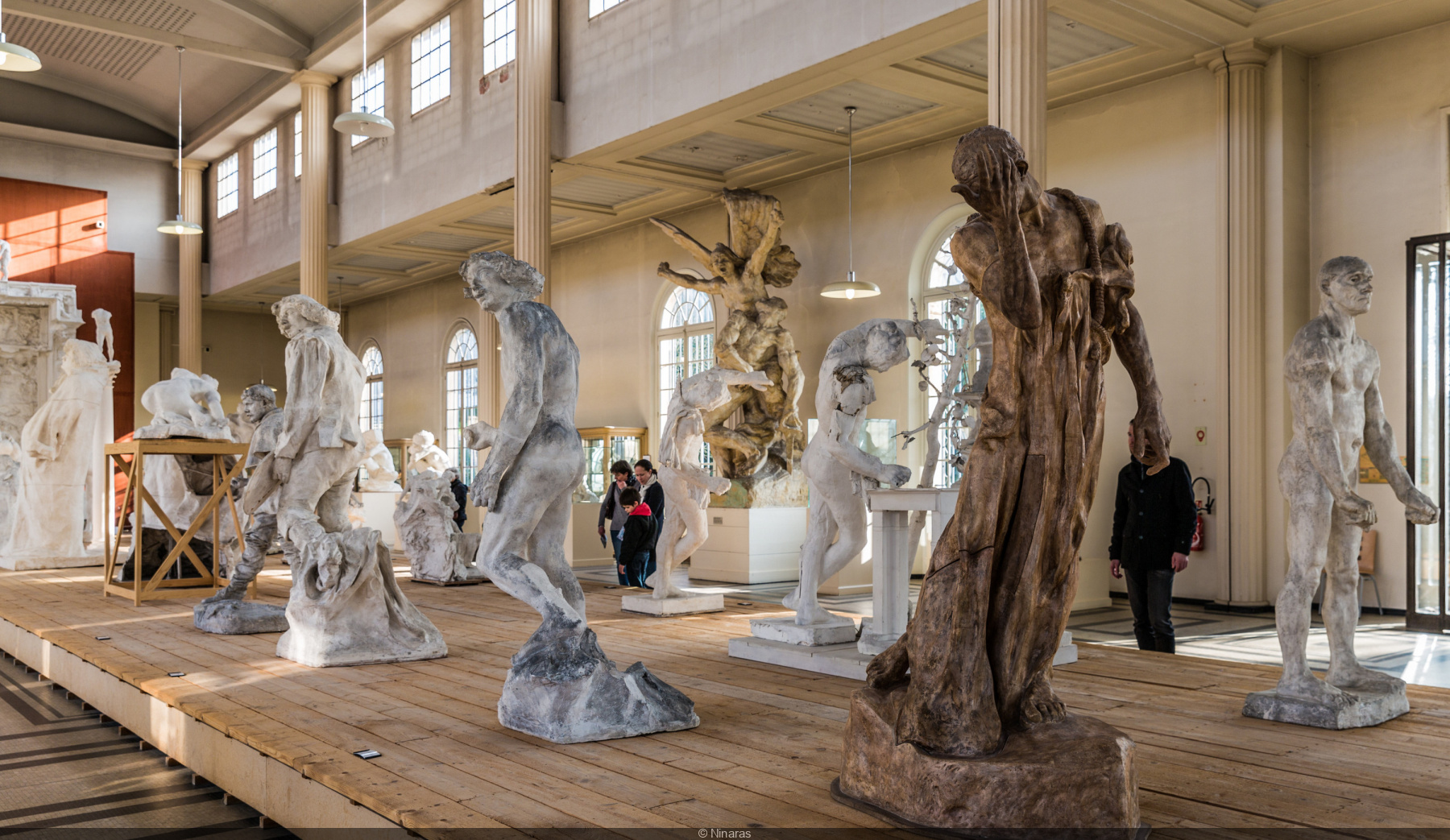
The visit also reveals an aspect of the sculptor that's less well known: his love of collecting. Rodin was not only passionate about his own work; he also gathered antique, Greek, Roman, Egyptian, and medieval pieces. In Meudon, he arranged an Antiques Studio, conceived to preserve and display this collection. This leg in the Île-de-France region thus offers a glimpse of a more intimate Rodin, but also a more erudite one.
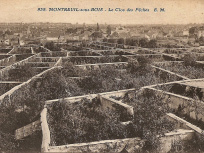
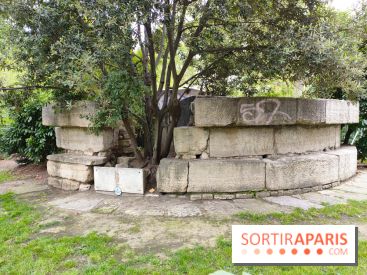
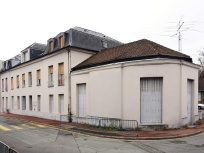
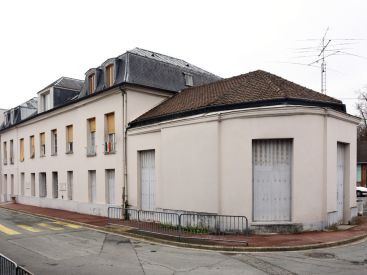
Around Rodin, it isn’t only the most famous sites that matter. Before Meudon, the sculptor ran several studios in the Paris region. Among them are the Marble Depot, established in 1880 when he secured the commission for The Gates of Hell, the Folie-Neufbourg at Clos Payen from 1887, and a workshop at 68 Boulevard d’Italie, which he left in 1898.
These addresses may be less familiar, but they complete the portrait of an artist deeply rooted in the Parisian landscape. They remind us that Rodin spent long periods moving between several studios, riding the rhythm of commissions, research, and the evolution of his career.
At the Villa des Brillants, where Rodin died on 17 novembre 1917, the visit takes on a more poignant dimension. He rests there with Rose Beuret, under the gaze of the Penseur, installed on his tomb in the park.
Rodin made Paris and the Île-de-France an intimate space tied to his work. Today, following in his footsteps still reveals the region through the places that accompanied his life and inspired his gaze.
This page may contain AI-assisted elements, more information here.