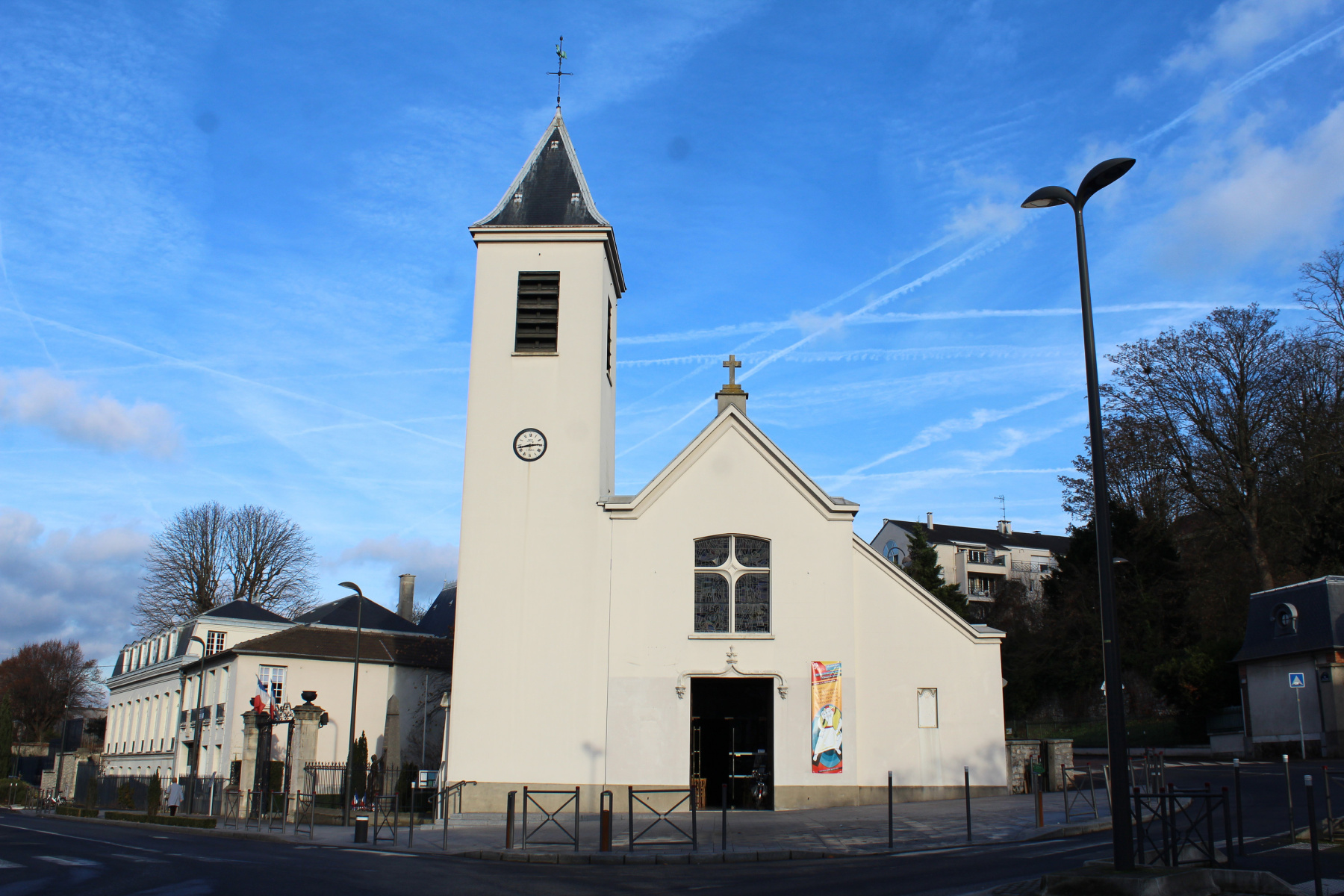
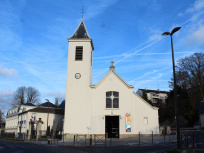
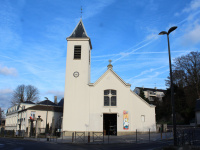
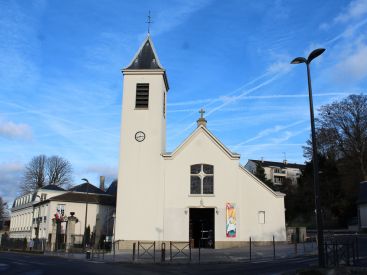
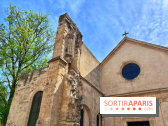
And what if a modest church in the Val-de-Marne hid, behind its choir, a ghostly cathedral? In Val-de-Marne, the church Saint-Gervais-Saint-Protais in Bry-sur-Marne possesses a one-of-a-kind relic, descended from one of the pioneers of photography. Nestled in the town’s heart, this church houses the diorama of Louis Daguerre, a work painted in 1842 by the man best known as one of the inventors of the daguerreotype, a milestone in the history of photography.
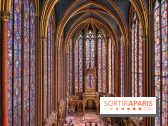
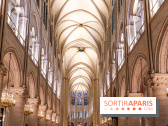
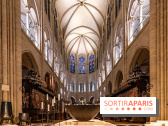
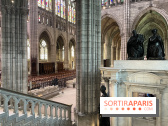
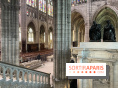
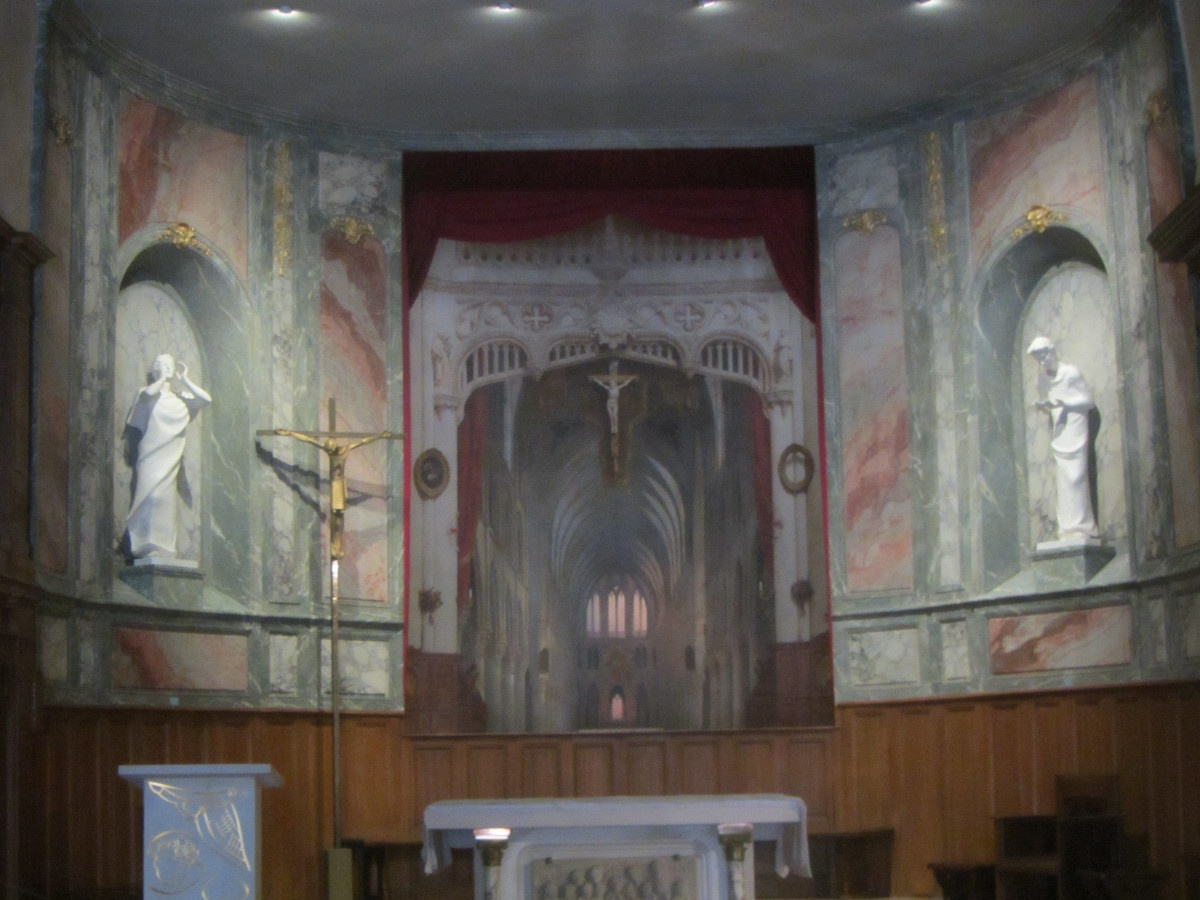
At first glance, you enter a parish church like countless others in Île-de-France. It is only as you move toward the rear of the building that an illusion reveals itself: the wall seems to open onto grand Gothic architecture, with columns, vaulted arches and a deliberately measured depth. The decor is a huile sur toile en trompe-l’œil, designed to persuade visitors that the small church extends into a monumental choir.
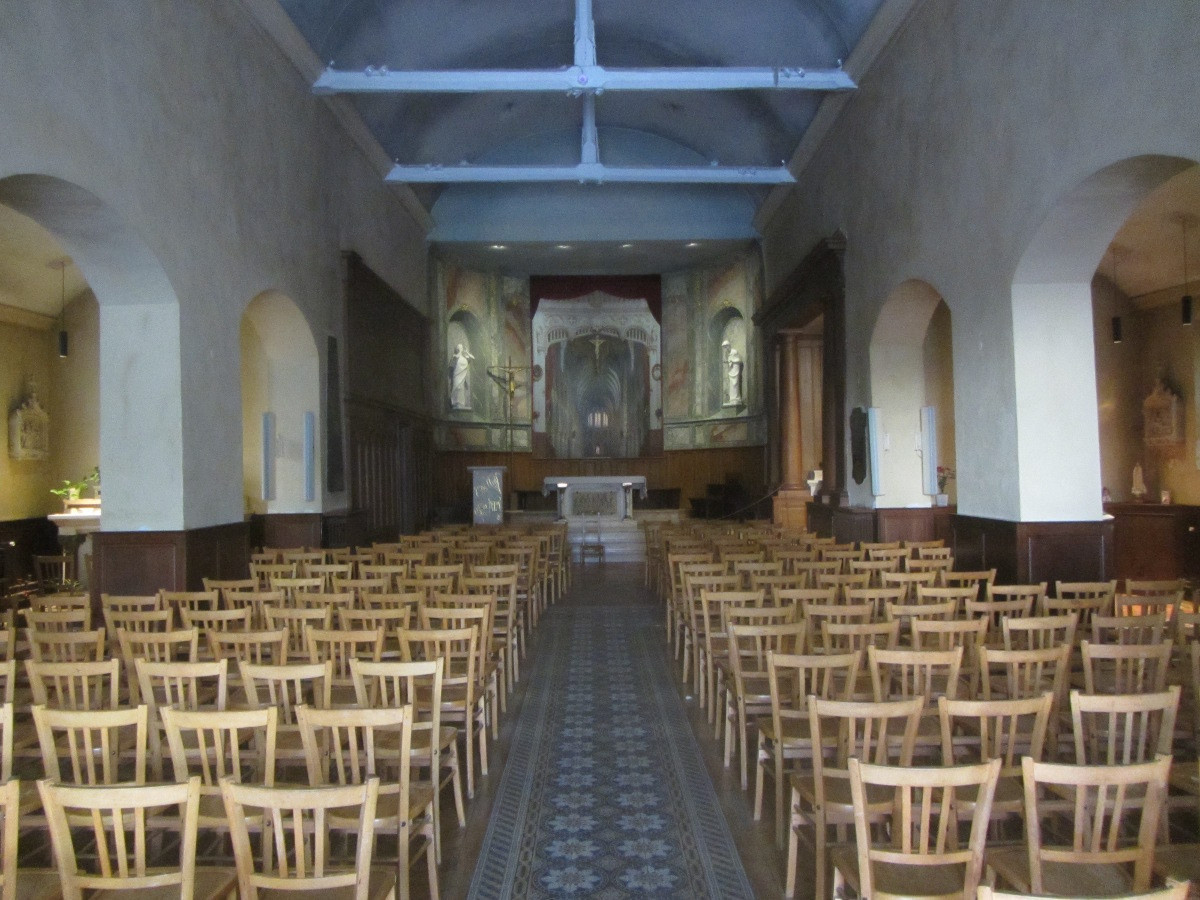
Before becoming famous for the daguerréotype, Louis Daguerre was already a master of visual illusion. With the diorama, he pioneered an immersive form of spectacle long before cinema: large painted canvases, sometimes worked on both sides, that changed their appearance with the light. In Bry-sur-Marne, the canvas was designed to be illuminated from the front and back, thanks to hidden skylights, enabling the mood to shift with the sky and the sun.
This diorama is one of a kind: it is considered the only Daguerre diorama still in existence in the world. The Bry-sur-Marne Museum presents it as the sole relic of this invention, and it was declared a historic monument in 1913. Unlike Parisian diorama shows designed for amusement halls, Bry’s version was installed directly in a church. The monumental canvas measures approximately 32 m².
Why is it the only one to have endured? The Bry-sur-Marne diorama survived in part because it wasn’t housed in the place that caused the others to vanish: the Diorama of Paris. In March 1839, the Parisian venue devoted to these illusion shows was swept away by a fire, leading to the loss of the canvases housed there.
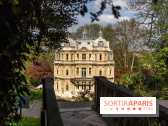
Bry’s piece, on the other hand, was created later, in 1842, after Daguerre had settled in the commune. Safely housed in the Saint-Gervais-Saint-Protais church, it has endured for decades, though not without damage. The work, often restored and sometimes in ways that were ill-advised, has suffered serious deterioration since the Franco-Prussian War of 1870.
Its survival is almost a small miracle: the dioramas were fragile installations, dependent on the canvas, on light, and on their display site. The diorama was restored between 2006 and 2013, an operation that notably allowed it to regain part of the transparency it had lost.
This page may contain AI-assisted elements, more information here.
Location
Saint-Gervais-Saint-Protais Church in Bry-sur-Marne
4 Grande Rue Charles de Gaulle
94360 Bry sur Marne