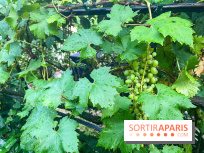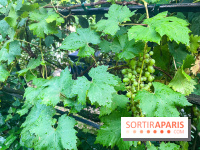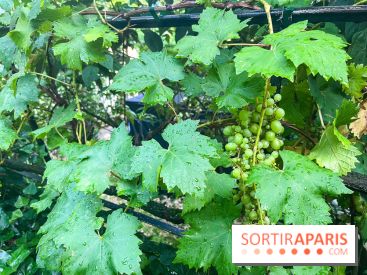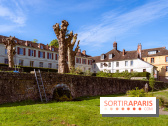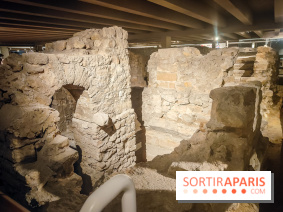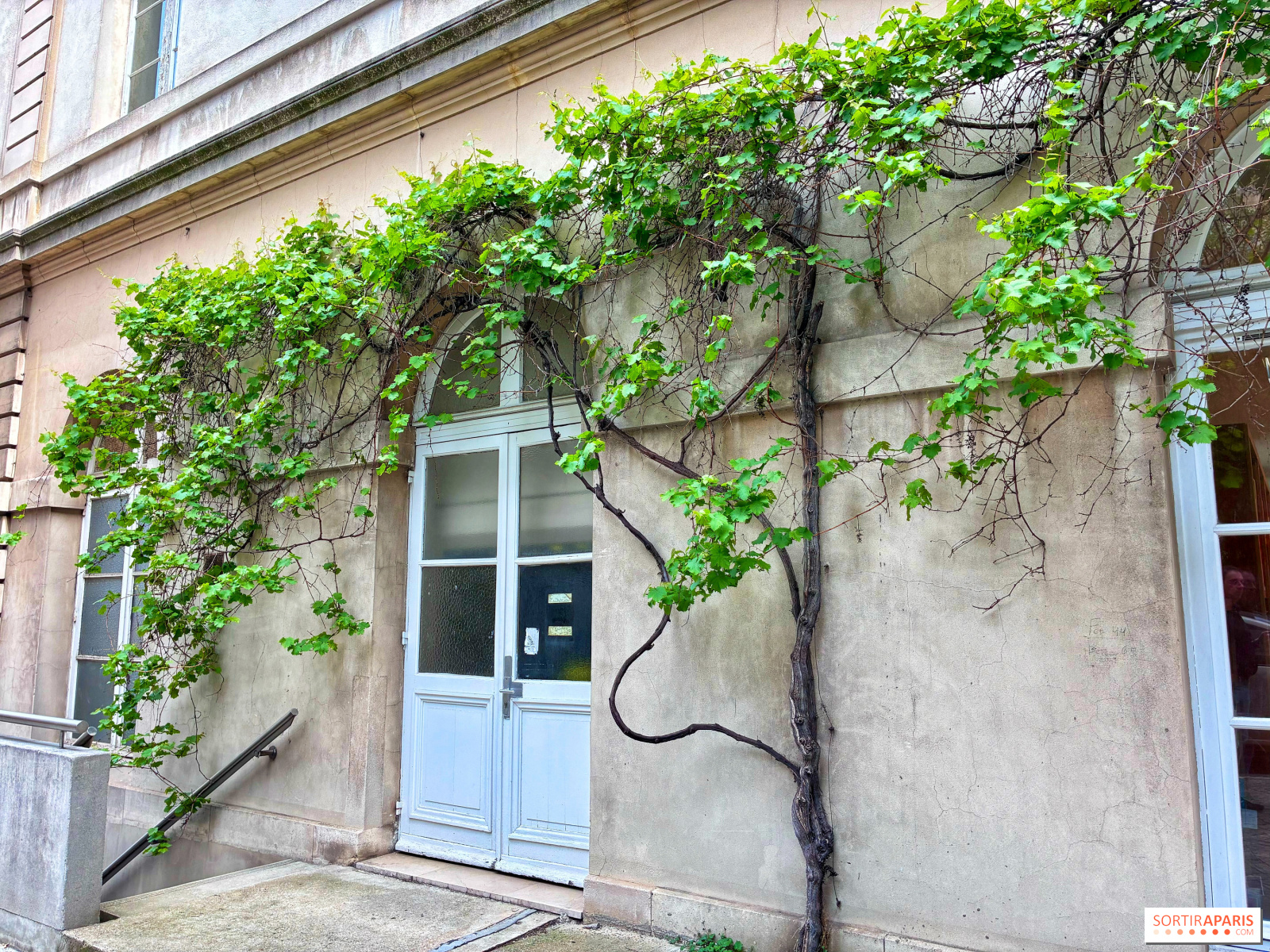
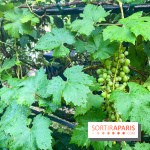
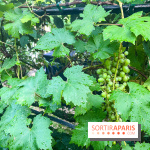
When we talk about Paris’s wine heritage, the Clos Montmartre and its famous harvest often steal the spotlight. Yet, tucked away out of sight in a small courtyard of the Collège de France, there thrives a far more venerable ancestor. Planted in 1874, this solitary vine stock upends the pecking order among the city’s deans, hidden from the world. It was during a visit that we glimpsed it, and this anecdote was shared with us!
While the vanished vineyards on Montmartre’s hill, near Montmartre, were only replanted in 1932, the College de France’s plot proudly displays its 152 years. Its origin was not a matter of luck but the result of a crucial scientific mission: it was planted by Eugène Balbiani, who held the chair of Comparative Embryology at the time.
This phylloxera specialist — the aphid that devastated French vineyards in the 1800s — introduced this plant specifically for his research. Originating from South America, this rootstock is among the earliest resistant specimens imported to France in a bid to safeguard our viticultural heritage, according to the Collège de France.
Far from the folklore of neighborhood festivals, this vine stock was a true tool of work. Eugène Balbiani used it as a testing ground to understand how to counter the parasite. Today, he testifies to that era when the Collège de France was at the heart of the country’s agricultural and biological challenges. He is a survivor of that grim period, rooted in the soil of the 5th arrondissement for a century and a half.
But be careful not to offend our Montmartre friends! While this grapevine is indisputably Paris’s oldest viticultural resident, it remains an isolated specimen rather than a fully cultivated vineyard. Unlike Clos Montmartre, which turns out hundreds of bottles each year, the Balbiani grapevine today is a fragile historical witness.
Its grapes aren’t meant for winemaking, and its survival depends on the careful tending of the institution’s gardeners. Moreover, being housed within an academic precinct makes it less accessible than its cousins on the Butte, giving the impression of a dean who’s a touch secretive.
Les vignes de Paris: discover the capital's wine heritage
Vineyards in Paris? Yes, you can find them, and in fact, in several places in the capital. Little known, they bear witness to the importance of grape growing in Paris several centuries ago, and are still cultivated and harvested every year! Let's discover them? [Read more]
Location
Collège de France
11 Place Marcelin Berthelot
75005 Paris 5
Access
Metro Maubert-Mutualité (line 10), Odéon (lines 4 and 10)





 Les vignes de Paris: discover the capital's wine heritage