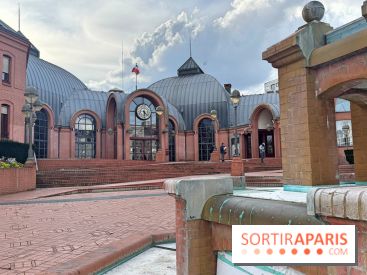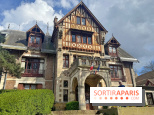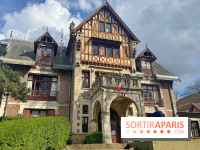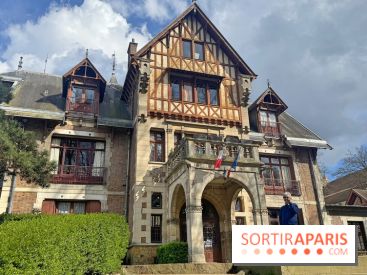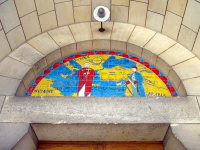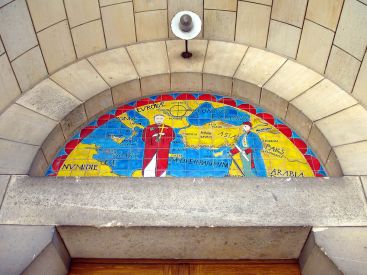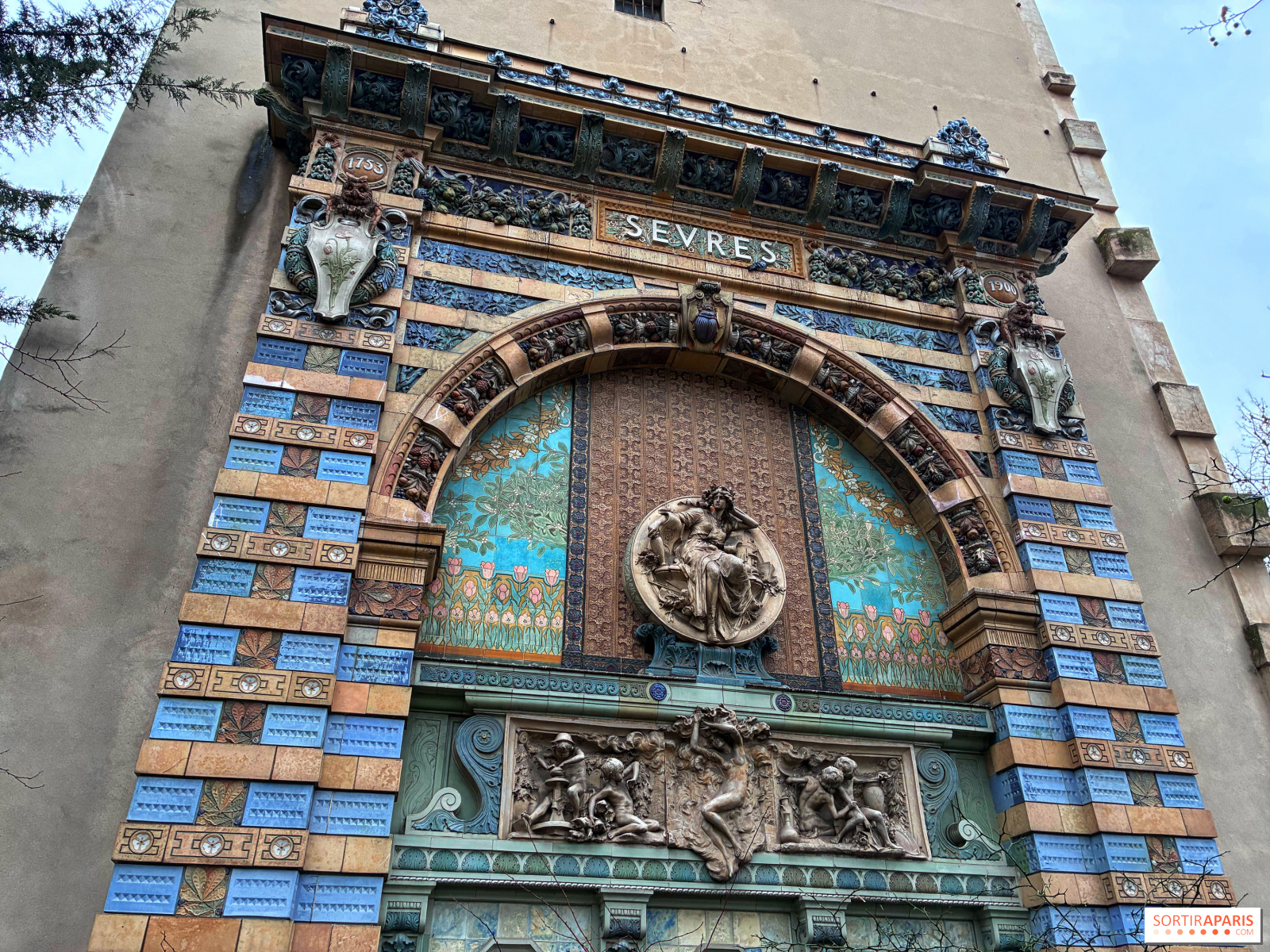
This is a treasure of Art Nouveau that thousands of tourists and Parisians pass by every day, often without even noticing. Nestled within the small Félix-Desruelles Square, just beside the Saint-Germain-des-Prés Church, stands a monument with vibrant colors and mesmerizing details. No, this isn't the entrance to some forgotten palace; it's an incredible remnant of France's history.
This monumental wall is actually the gateway of the National Sèvres Porcelain Manufacture. Its impressive architecture might make it seem like it belongs to a grand public square—yet it was actually a star of the 1900 Exposition Universelle!
Designed by architect Charles-Auguste Risler and sculptor Jules Coutan, this masterpiece stands as a testament to French craftsmanship of the era. Constructed entirely from glazed stoneware, the portico features floral motifs characteristic of the Belle Époque. Its shades of blue, gold, and ochre have endured, still radiating their former splendor.
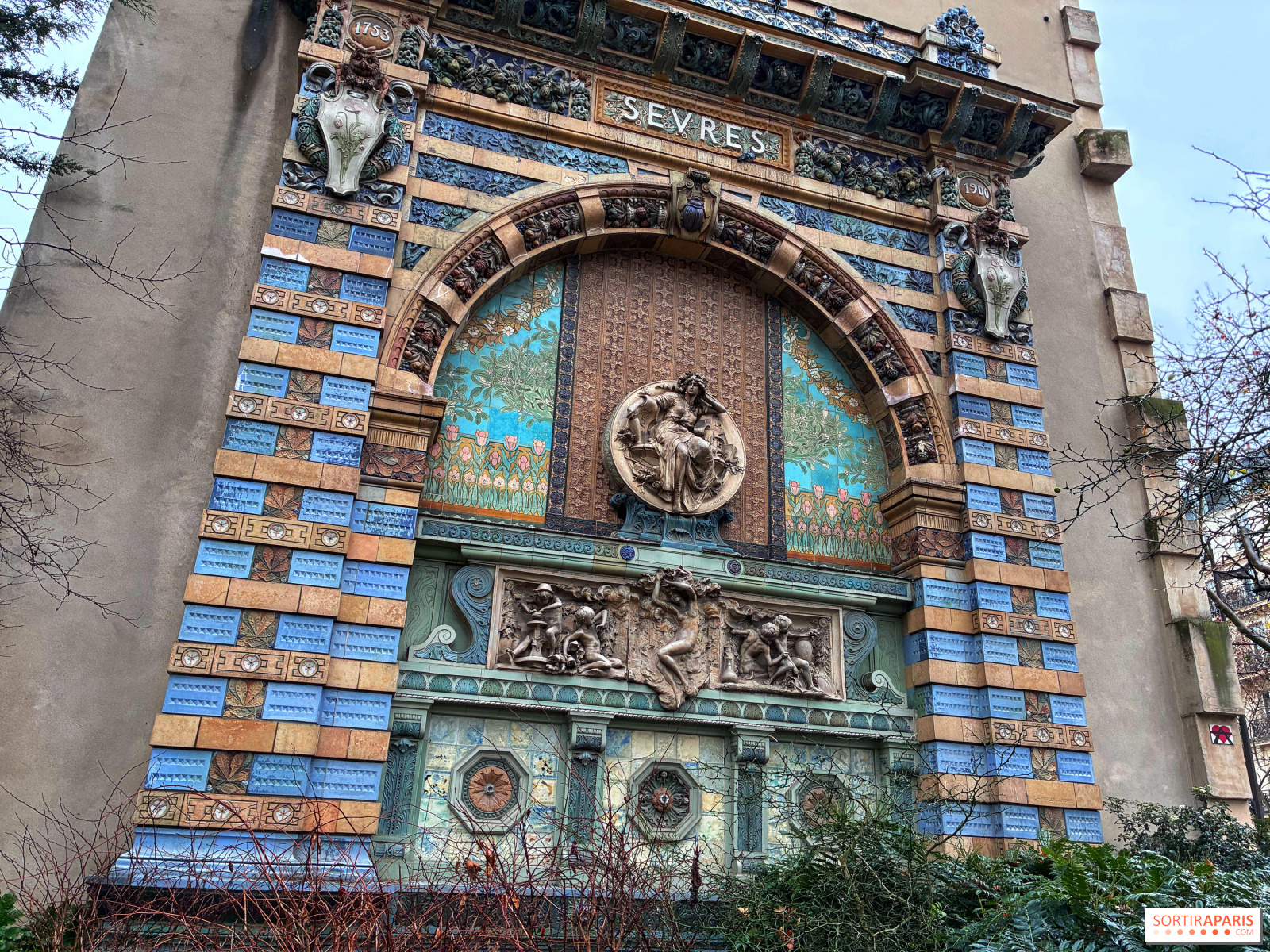
After the closing of the Universal Exposition, rather than demolishing this marvel, the City of Paris chose to relocate it to this square in 1905. Today, it serves as the backdrop for public benches where literary figures and dreamers pause to enjoy a lunch break or simply take a moment to relax.
Admire its central medallion, which depicts a young woman surrounded by delicate vegetal motifs, showcasing a rare finesse. The vibrant, modern colors combined with Art Nouveau details, including flowing curves and arabesque patterns of lilies and grapevine leaves that appear to climb up the monument
The square where it is located is named after Félix Desruelles, a renowned sculptor. Just beside this colorful archway, you'll find a pastoral fountain created by the same artist, transforming the area into a micro open-air sculpture museum — completely free and away from the hustle and bustle of Boulevard Saint-Germain.
Location
Square Félix-Desruelles
168 bis boulevard Saint-Germain
75006 Paris 6