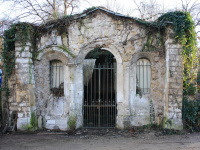
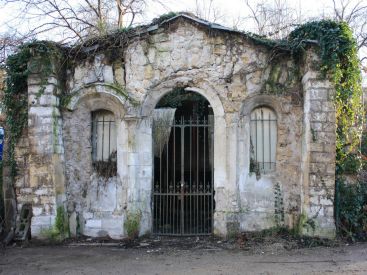
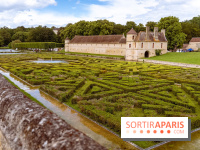
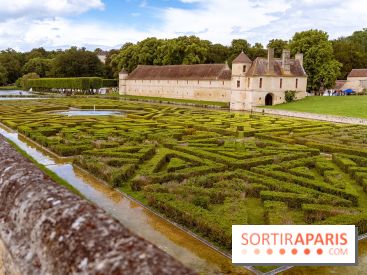
Right in the 20th arrondissement, amidst the buildings, lies a hidden gem. A survivor, a time capsule defying the hustle and bustle of city life: the Pavillon de l'Ermitage. It’s not a flashy tourist spot, nor the iconic Parisian postcard image you see everywhere, but rather a
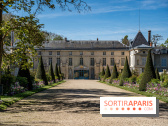
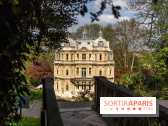
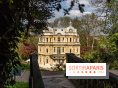
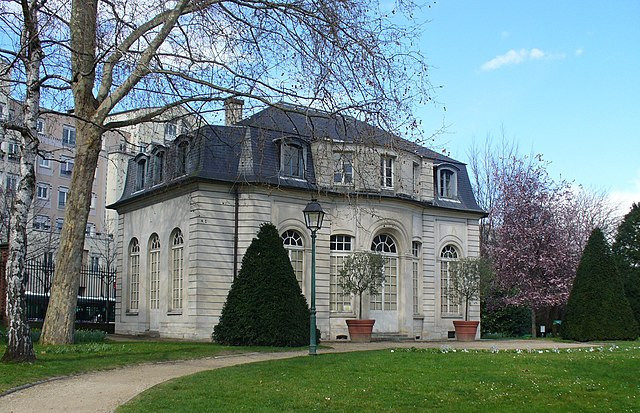
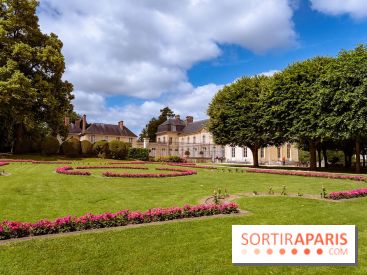
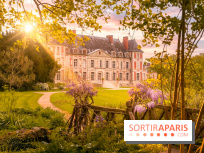
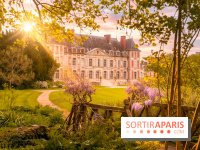
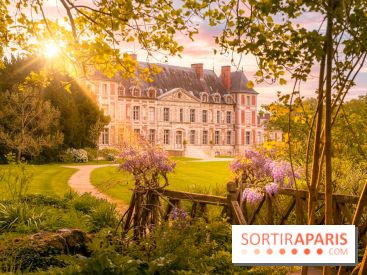
To uncover it, you need to venture into the Porte de Bagnolet neighborhood, into a hidden corner just outside Paris. Behind a discreet gate, a small garden blooms quietly, revealing a charming Pavilion. It looks like a cosy country house, straight out of a Watteau etching, placed there as if by magic.
This is the last remaining fragment of the Bagnolet Castle, a vast rural estate that once belonged to Regent Philippe d'Orléans, and later to the Duchess of Orleans, Anne-Marie of Bourbon, in the 18th century. It’s also a rare example of early 18th-century pavilion architecture, specifically from the Regency period.
Imagine this: back then, this area was just fields, formal gardens, and lush groves. The duchess, tired of the pomp and protocol of Versailles and Parisian extravagance, retreated here to enjoy the simple pleasures of country life. In that bucolic spirit, she had this small structure built between 1722 and 1727—a secluded hermitage where she could sip tea, read, or simply dream away from the hustle and bustle of court life.
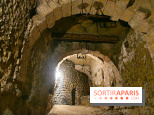
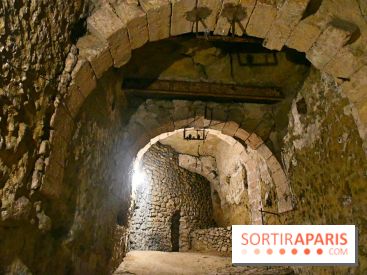
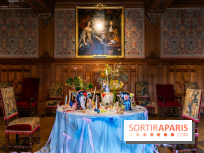
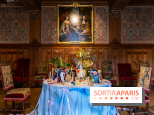
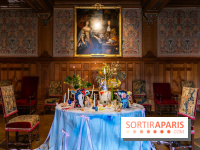
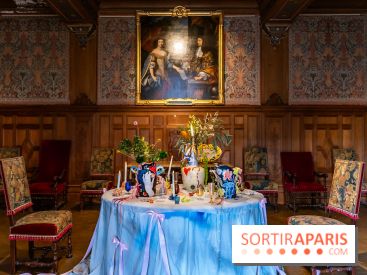
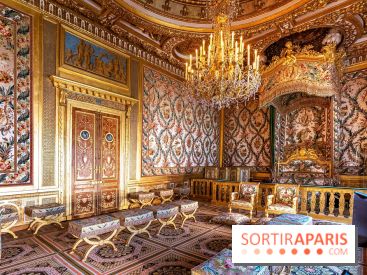
What strikes you when exploring the Hermitage Pavilion is its human scale. There are no towering columns or grandeur murals, just a subtle elegance. Inside, you’ll find cozy salons with delicate woodwork and original wall paintings, offering a glimpse into its historic charm.
Unfortunately, public visits are rare, but you can admire it from the outside through the gates, as the pavilion and its garden are clearly visible.
This page may contain AI-assisted elements, more information here.
Location
Pulver of the Hermitage
148 Rue de Bagnolet
75020 Paris 20
Route planner