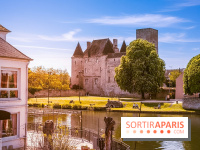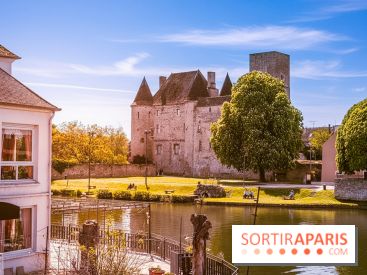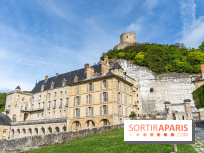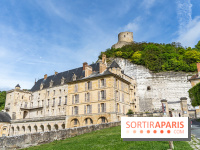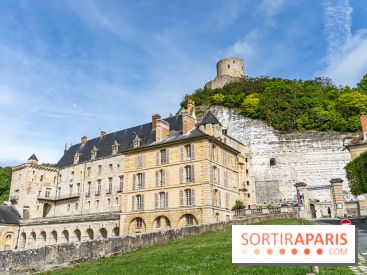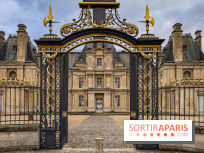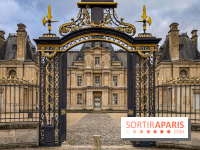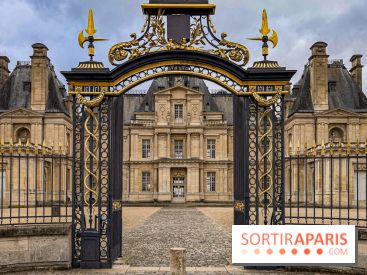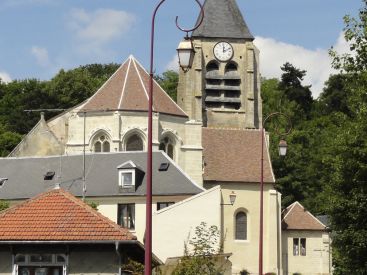
In the heart of the Val d'Oise, about an hour from Paris, the Château de La Roche-Guyon holds more than a few surprises for those who cross its threshold. Nestled in the only village in Île-de-France labeled Plus Beaux Villages de France, between Vétheuil and Giverny, this unique architectural ensemble climbs from the Seine’s banks up to the top of a chalk cliff. And what this château hides is a 100-meter secret passage, hewn directly into the rock, that links the lower castle to its imposing medieval keep perched high above. Aripe to spark real curiosity.
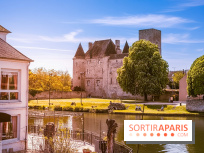
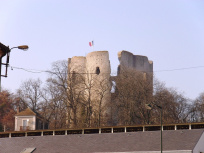
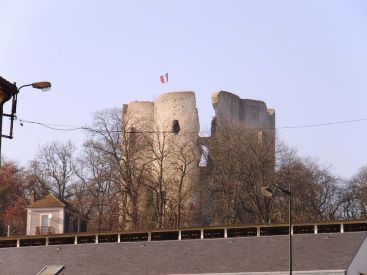
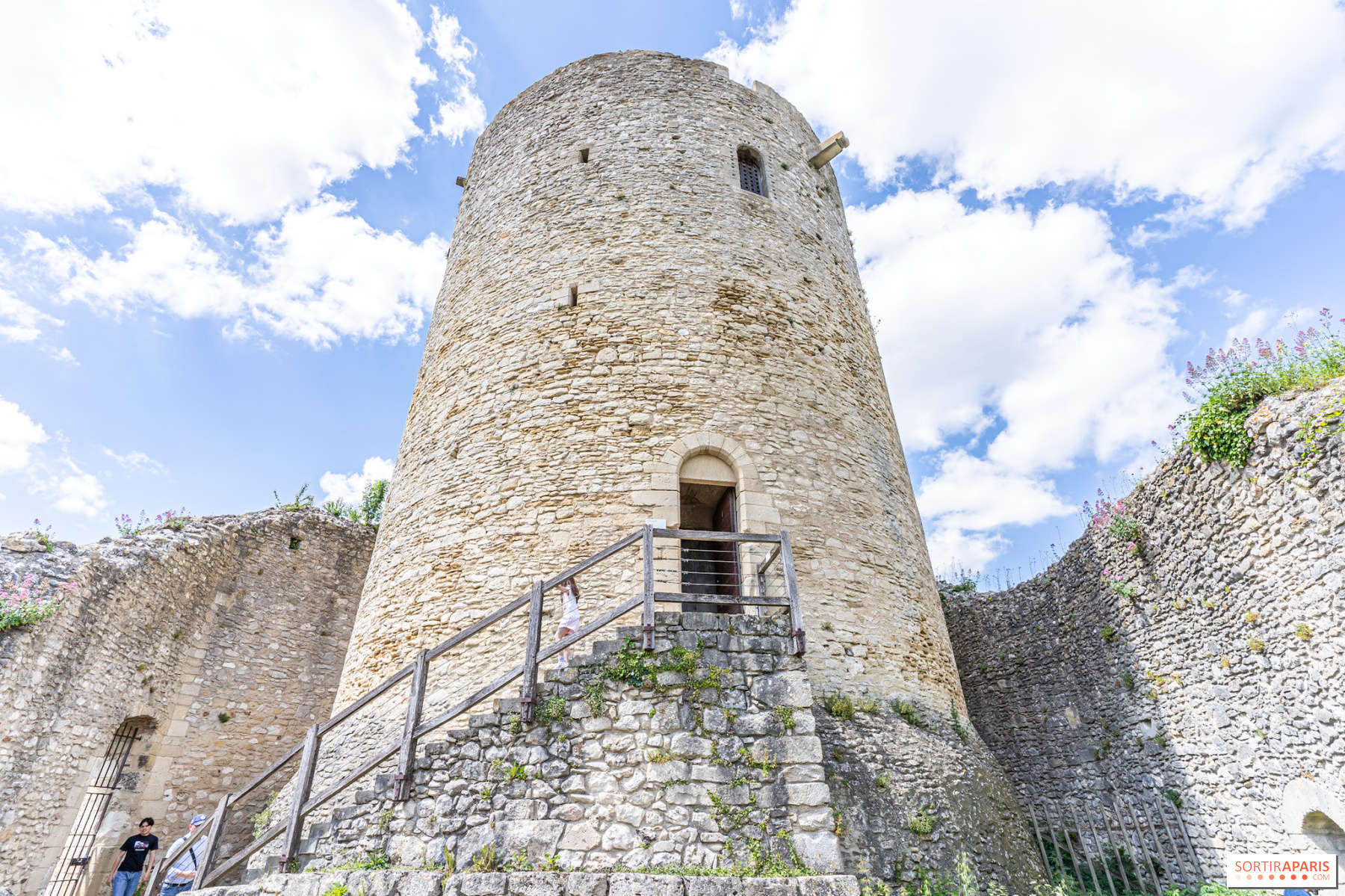
Commissioned by King Philip II Augustus in 1190 to secure the frontier between the Kingdom of France and the Anglo-Norman duchy, this 35-meter cylindrical keep has dominated the Seine Valley since the 12th century. Its shape—neither fully round nor entirely square—intrigues at first glance. Protected by two close-set surrounding walls, or "chemises," it formed, with the lower castle, a formidable double fortress capable of withstanding assaults and sheltering the domain's inhabitants. What stands out is its almost incongruous character: perched on the hill like a lone watchtower, it seems set there by another era, far from the elegant castle that later developed below. The fortress's strategic role has endured through the ages, even earning a wartime footnote in 1944, when an anti-aircraft post was installed atop the tower.
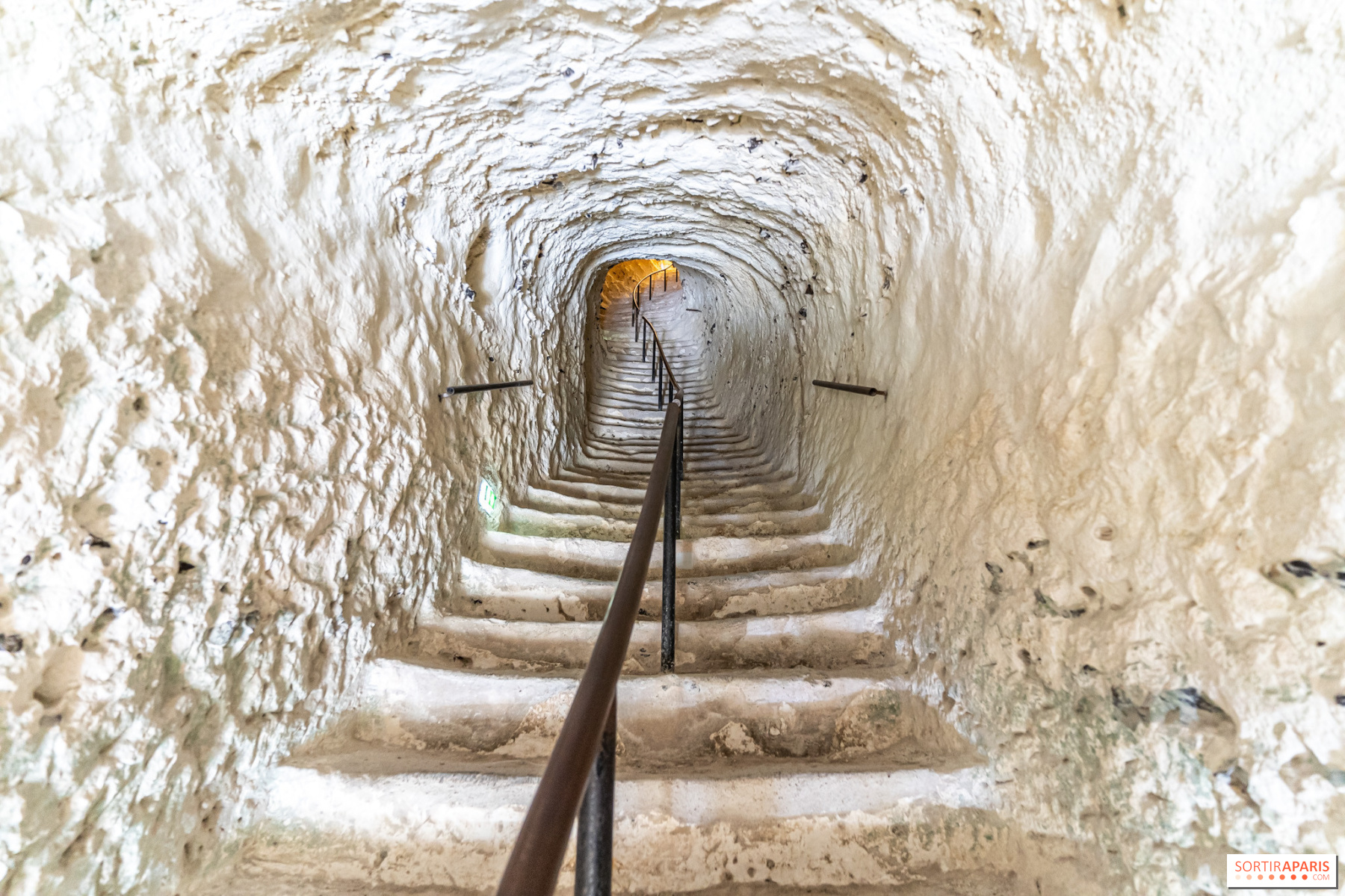
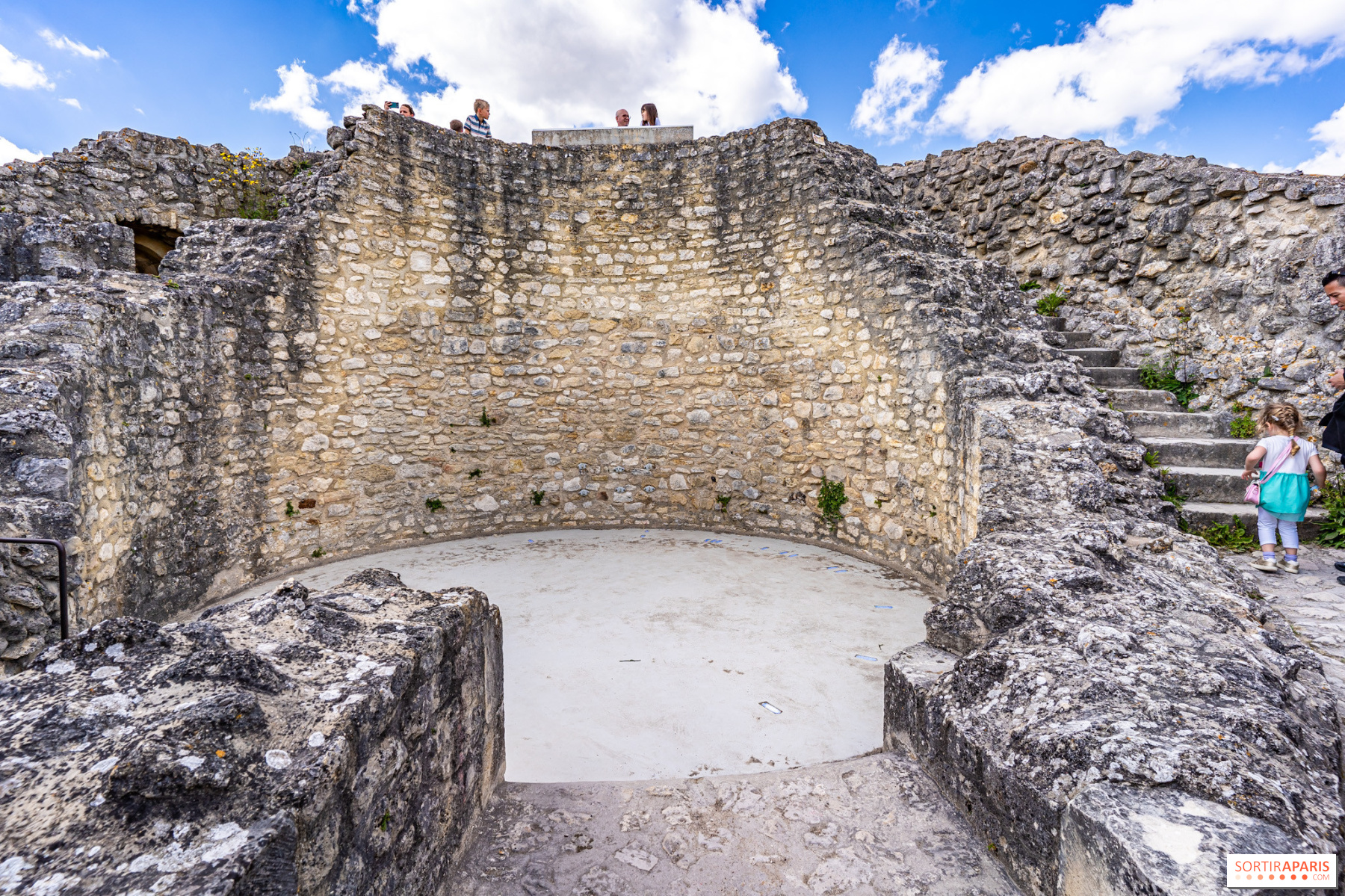
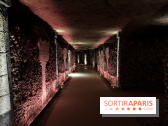
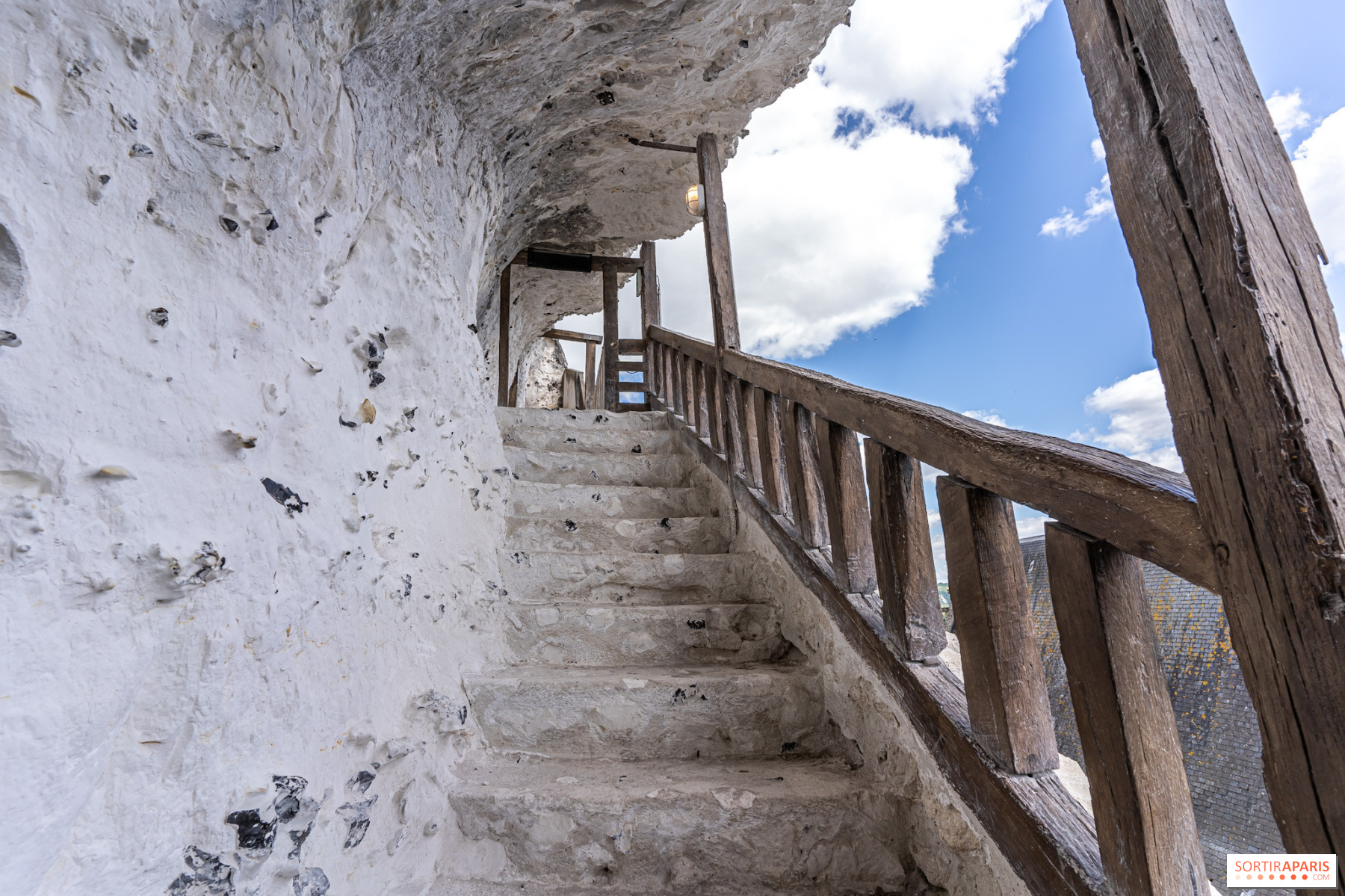
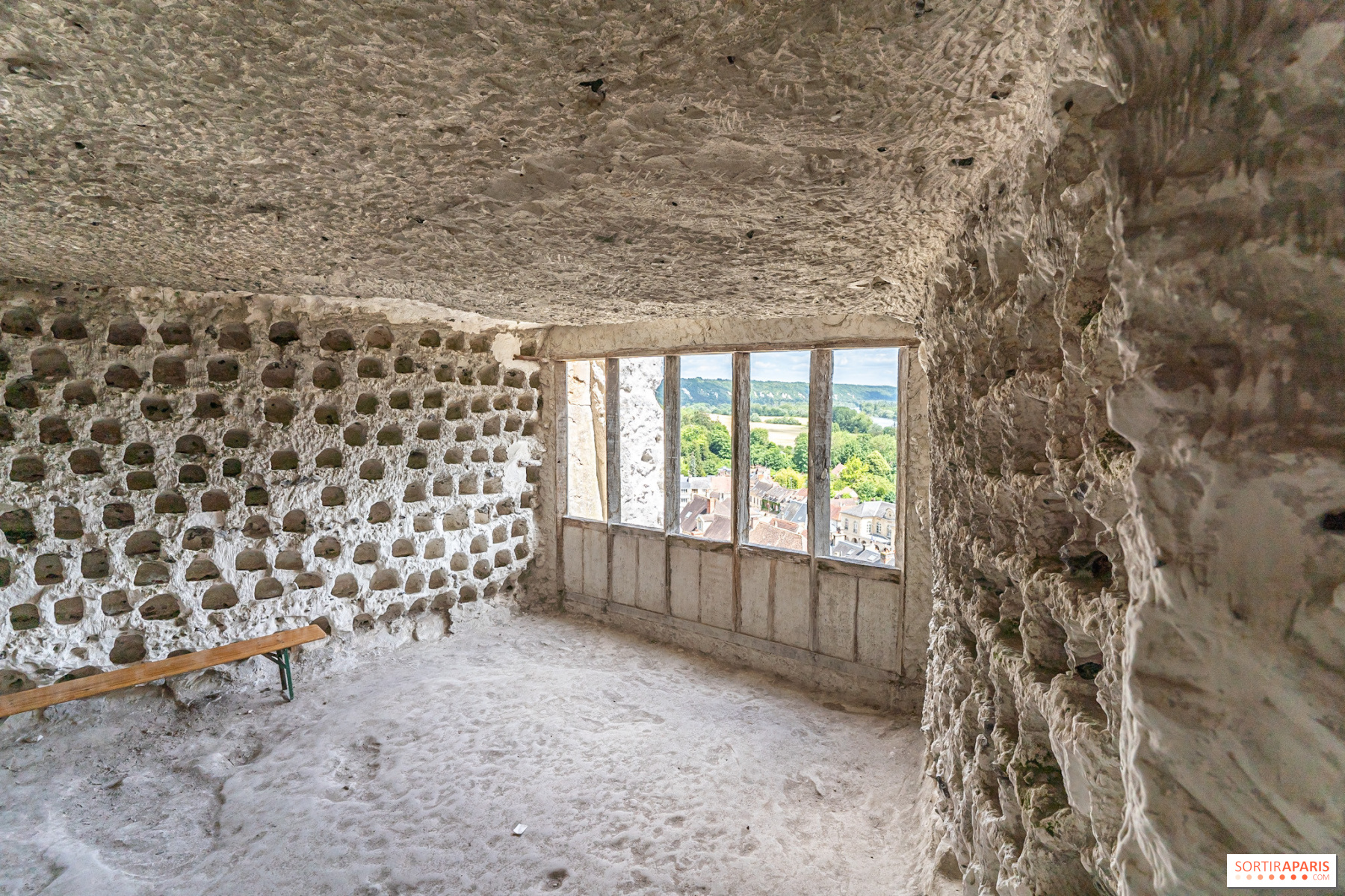
That’s where the real adventure begins. To reach the dungeon from the castle, you descend into an underground staircase carved in chalk, more than 100 meters long, gradually climbing through the cliff. Along the way, the visit unfolds with several unexpected stops. We first come upon three troglodyte chapels, fashioned between 1816 and 1819, whose stone walls still bear sculpted reliefs illustrating the life of Saint Pience, the site’s legendary figure. Further up, you reach the troglodyte dovecote, a chamber entirely carved into the cliff whose walls are peppered with about 1,200 boulins—those tiny holes where pigeons once nested. Back then, the number of boulins was a direct measure of the lord’s wealth. A detail that says a lot about the power of the La Rochefoucaulds, owners of the castle since 1659. It’s also in these rock-cut spaces that Rommel set up his headquarters in 1944, before being ousted by the Allies.
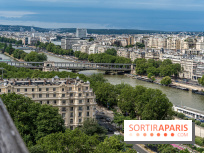
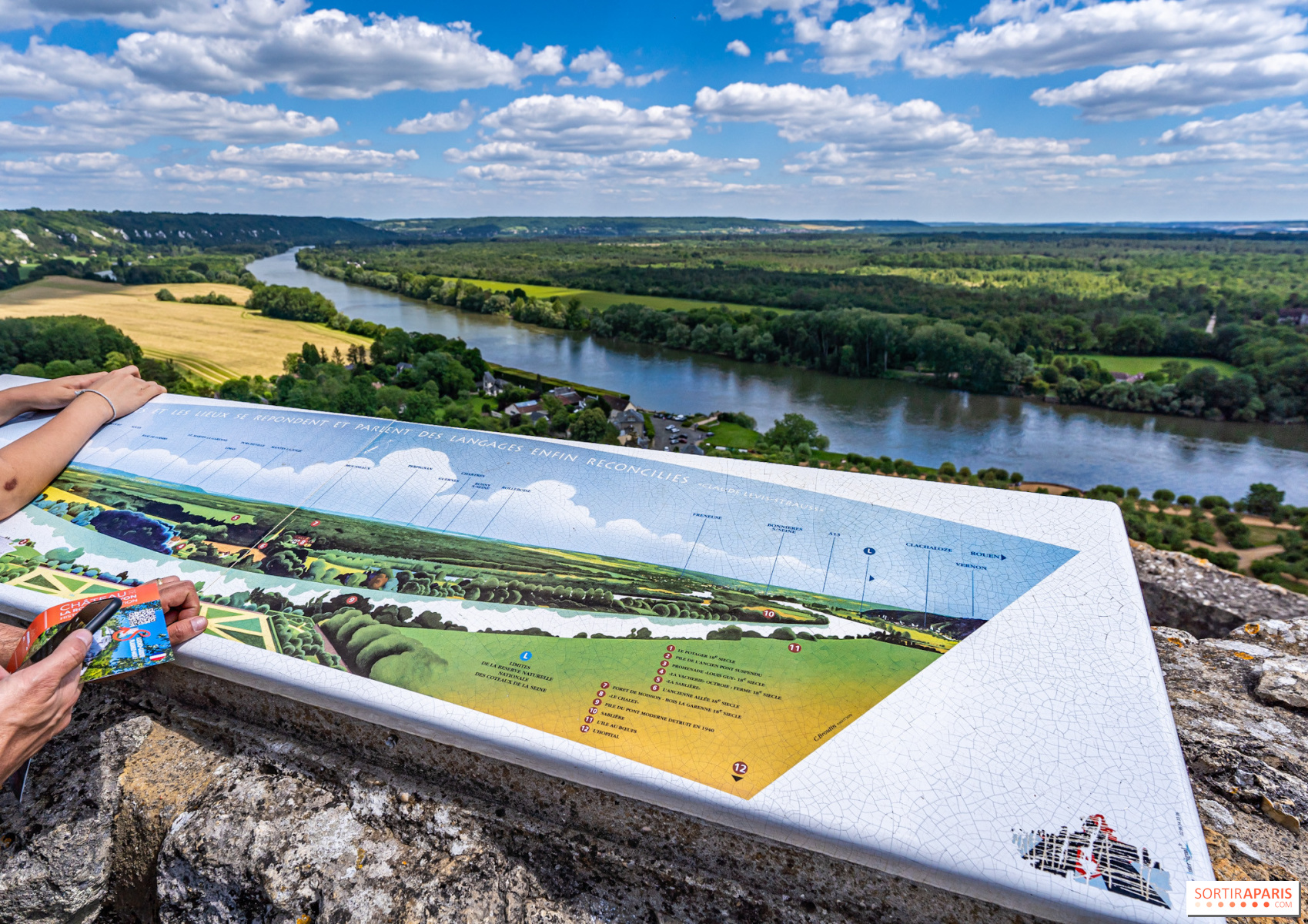
After the effort comes the view. Since 1996, visitors can climb to the summit of the tower to take in a breathtaking panorama of the meanders of the Seine and the Parc naturel régional du Vexin français. A place that Victor Hugo himself walked through in 1821, inspiring him to describe a Nordic castle in his novel Han d'Islande. Georges Braque, for his part, deconstructed it with his brush in 1909. And for comic-book fans, note that the Château de La Roche-Guyon served as the backdrop for a Blake and Mortimer adventure, imagined by Edgar P. Jacobs. Needless to say, the place isn’t done inspiring.
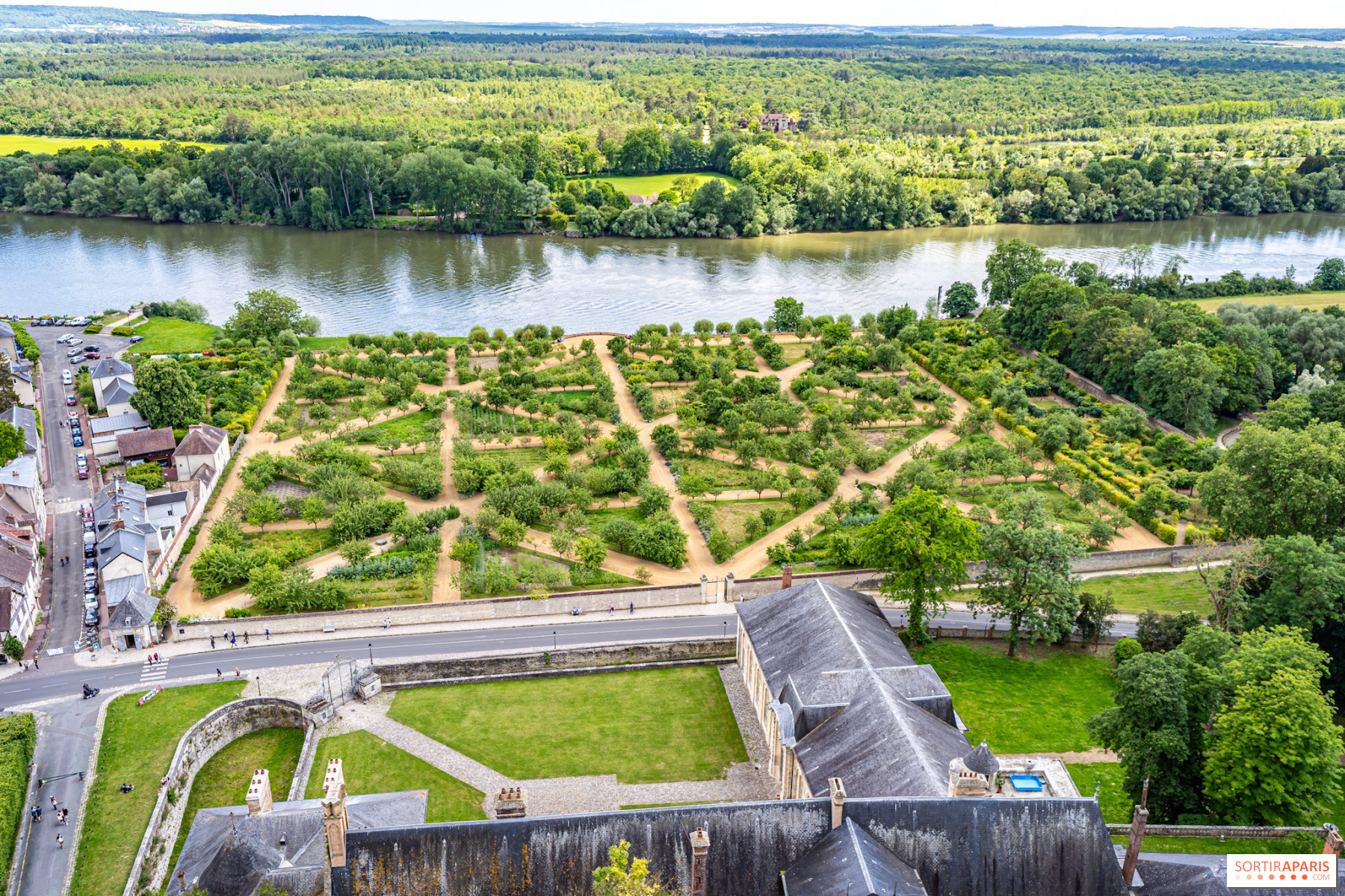
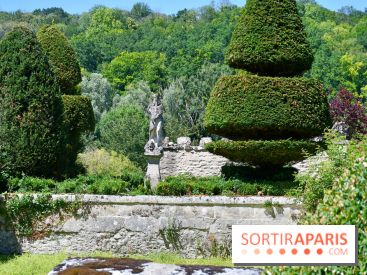
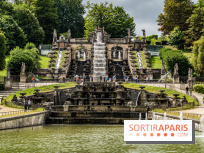
The château isn’t defined by its keep. From the earliest troglodyte spaces to the English garden, from the formal salons to the casemates repurposed by Rommel, the site offers a genuine time journey. We learn that in February 1944, Marshal Rommel set up his headquarters there, recognizing this perched site as a clearly strategic position. Down below the château, the potager-fruitier labeled Jardin remarquable is worth the trip on its own. Spanning nearly 4 hectares, it ranks as Île-de-France’s second-largest kitchen garden after Versailles’ Potager du Roi, and it is cultivated entirely in organic farming. Its geometric paths, visible from the château’s salons, its herb plots, and its espaliered fruit trees present a striking tableau along the Seine. And for nature lovers, the Arboretum de la Roche-Guyon offers a lovely, free, open stroll across a 13-hectare space just a stone’s throw from the village.
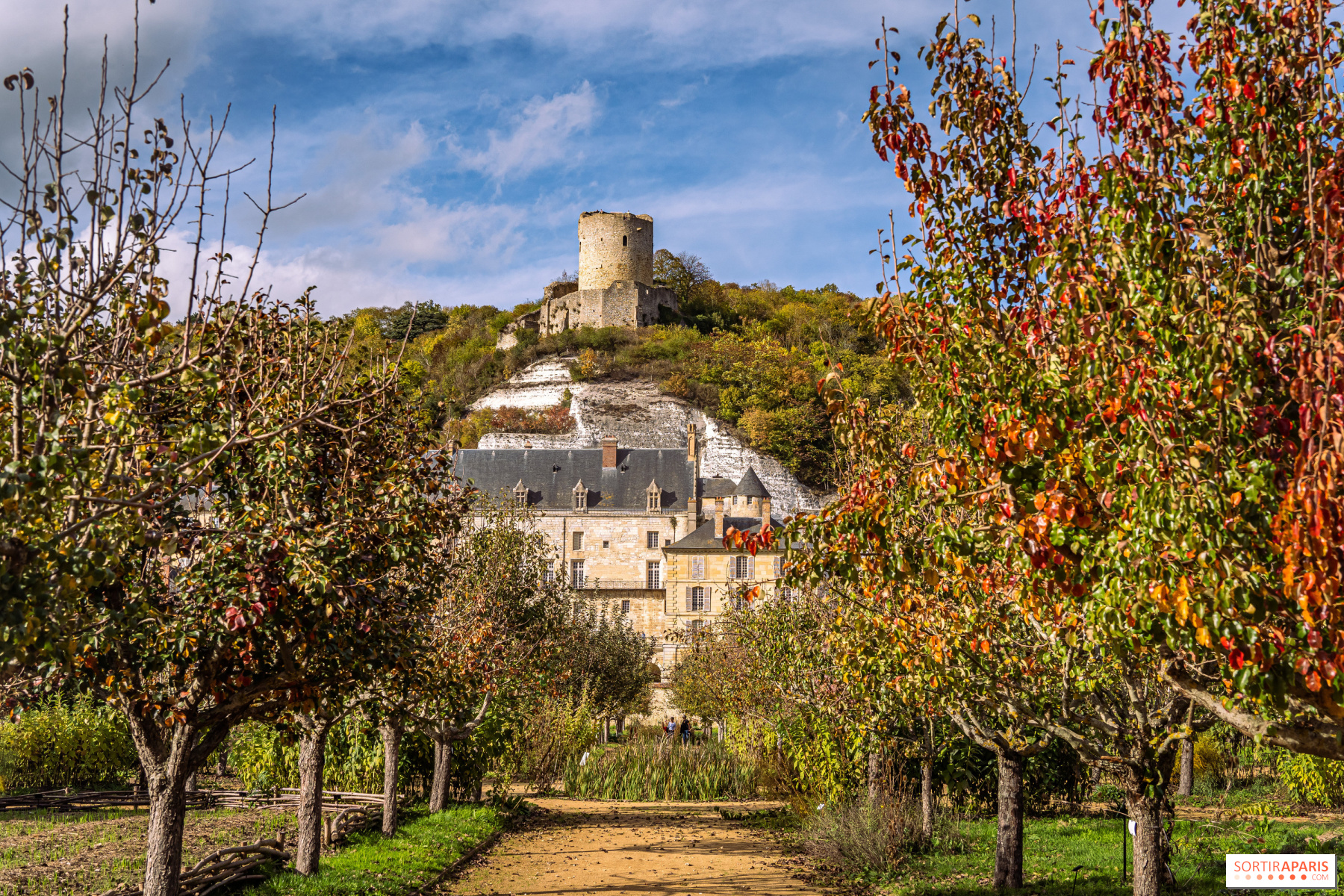
It's the entire château program that’s reinventing itself in 2026. Inside, the salle des gardes from the 14th century and its ceiling painted with the La Rochefoucauld motto, "C'est mon plaisir," sit alongside the théâtre souterrain carved into rock in 1768 beneath the Grand Salon, one of the few remaining examples of 18th‑century salon theatres.
From June 20, the grand staircase of honor will transform into a hanging garden with Boutures minérales, a ceramic and blown-glass piece from the Baptiste & Jaïna workshop. In the salons, the sound work Échos will poetically recount daily life in the Enlightenment era. And in the Orangerie, carved entirely into the rock, the exhibition Fauna Fabulosa by sculptor Yoshikazu Goulven Le Maître will populate the space with a punk, baroque bestiary until November 1.
For families, two exploration spaces — Jeu de scène and Mystère médiéval — will let the youngest visitors understand the theatre machinery of the 18th century and the techniques of medieval defense. And to end the year in style, the château opens its doors for the holidays for the first time in thirty years, from December 5, 2026 to January 4, 2027, with a Christmas scenography in the drawing rooms and a magical light display in the potager-fruitier labellisé Jardin remarquable. Not to be missed, the fête des plantes EDEN on May 2–3, 2026, which brings together botany, nursery growers and contemporary creation on the grounds.
In 2026, the castle’s program unfolds with the seasons: a spring season "Nature and Garden" starting April 1, a summer season "Life at the Castle" from June 20, an autumn season "History and Heritage" starting September 19, and a winter season "Christmas at the Castle" from December 5.
The site welcomes visitors daily from 10 a.m. to 6 p.m., running from April 1 to November 1, 2026. If you’re traveling from Paris, take the train from Saint-Lazare to Mantes-la-Jolie, then hop on bus line 95-11 which goes straight to La Roche-Guyon. The full price is 9.50 euros, with reduced rates from 5 euros and a family pass available. Children under 6 enter free.
We recommend this getaway for history buffs, curious families with kids, and anyone who enjoys off-the-beaten-path spots. It’s the kind of place you arrive not knowing what to expect and leave feeling like you’ve traversed ten centuries in a single afternoon. A warning, though: the stairs are steep and quite challenging to climb. If stairs trip you up, you may want to temper your ambitions. For the rest, the view is well worth it—the panorama is truly exceptional.
Two more stops to check out in the area: While you’re in the Vexin, take a detour to Vétheuil and its banks of the Seine, the village that inspired Monet less than 5 km away, or head to the troglodyte church of Haute-Isle, the only church carved entirely into rock in the Val d’Oise, just a short drive away.
This page may contain AI-assisted elements, more information here.
Dates and Opening Time
Next days
Monday:
from 10:00 a.m. to 06:00 p.m.
Tuesday:
from 10:00 a.m. to 06:00 p.m.
Wednesday:
from 10:00 a.m. to 06:00 p.m.
Thursday:
from 10:00 a.m. to 06:00 p.m.
Friday:
from 10:00 a.m. to 06:00 p.m.
Saturday:
from 10:00 a.m. to 06:00 p.m.
Sunday:
from 10:00 a.m. to 06:00 p.m.
Location
Château de la Roche Guyon
1 Rue de l'Audience
95780 Roche Guyon (La)
Route planner
Accessibility info
Prices
Billets: €6 - €9.5
Recommended age
For all
Official website
www.chateaudelarocheguyon.fr