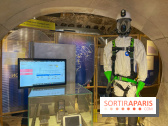
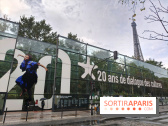
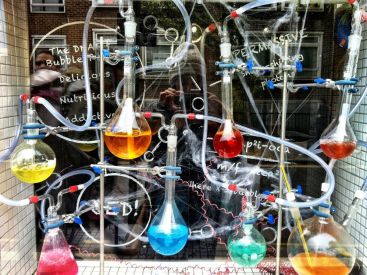
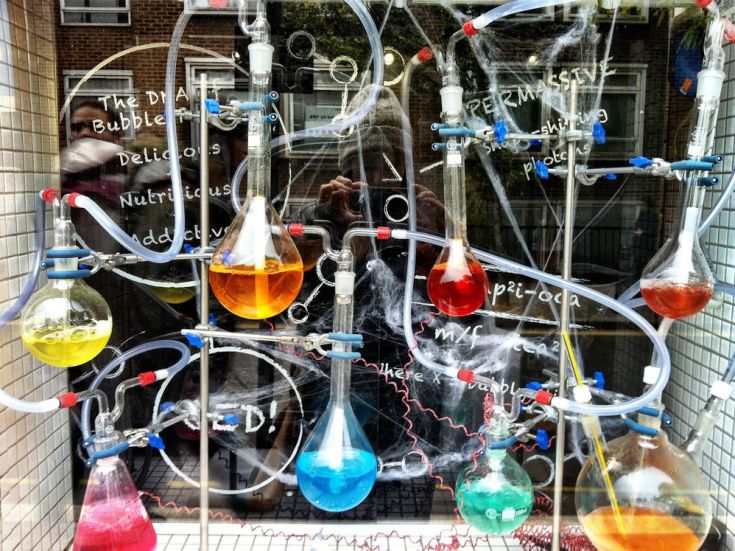
Curious about unlocking the mysteries of science right in the heart of Paris? The Science Festival returns from October 2 to 12, 2026, with hundreds of free activities across France, including at the Saint-Louis Hospital in Paris. This season’s flagship event puts knowledge sharing in the spotlight under the theme "Saveurs savantes" and invites the public to meet researchers, teachers, and science communicators. Conferences, hands-on workshops, lab tours, and exhibitions invite kids and adults alike to discover science in a new light, in a friendly, accessible atmosphere. A true national gathering devoted to curiosity and discovery, the Science Festival draws thousands of visitors each year eager to explore the big questions of our time.
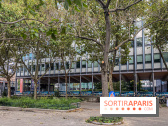
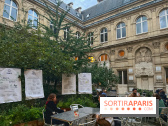
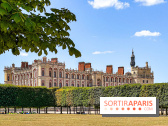
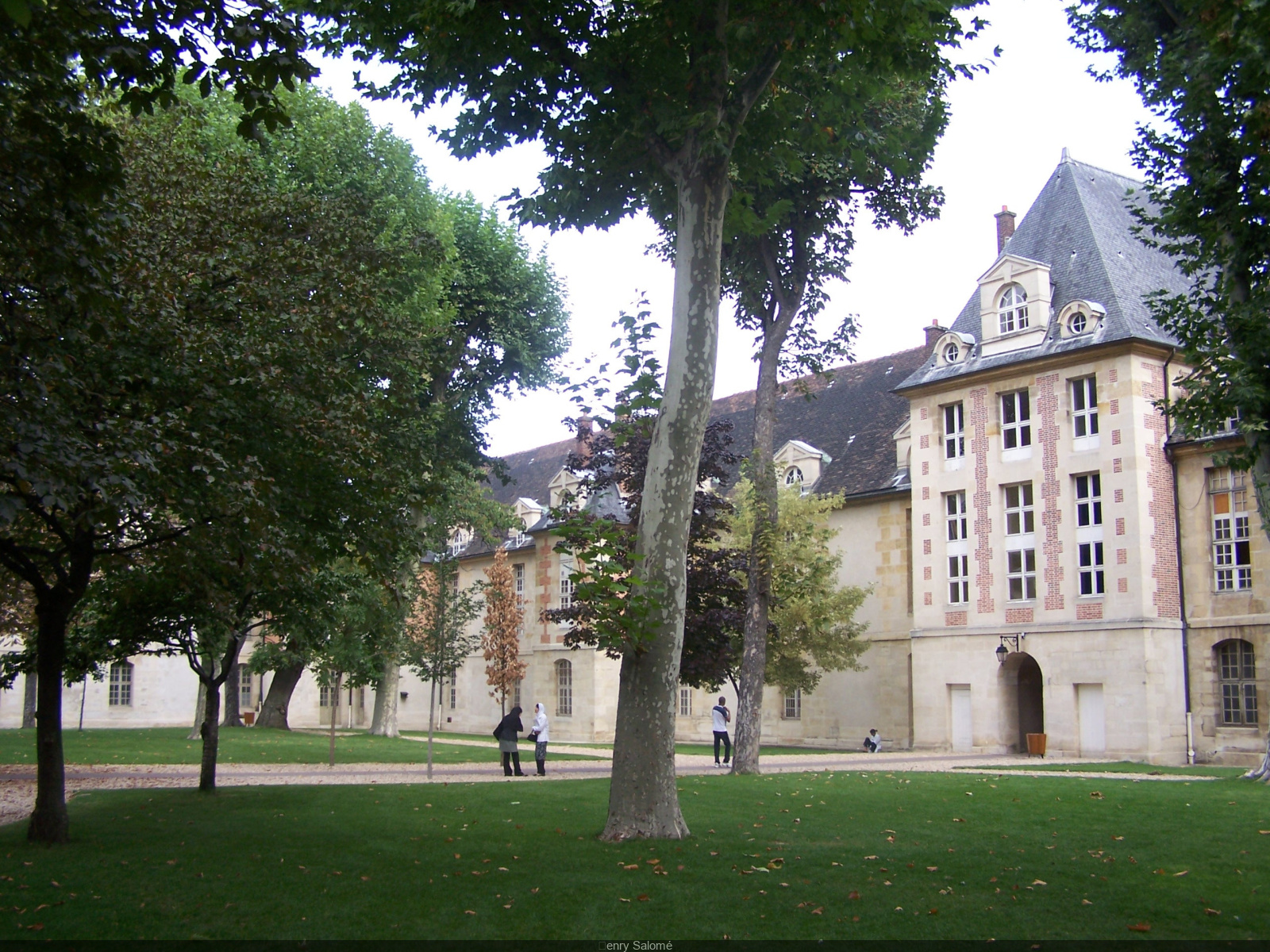
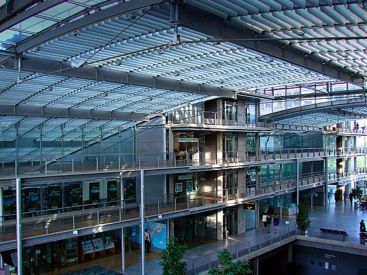
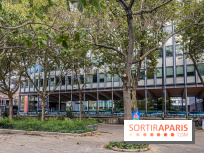
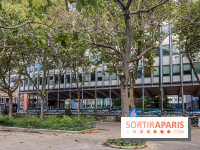
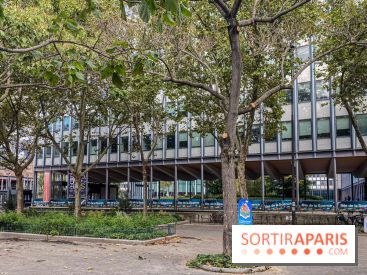
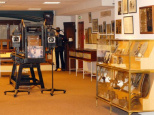
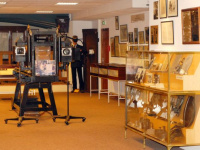
Hôpital Saint-Louis is one of Paris's most prestigious monuments, with a rich and fascinating history. It was founded by Henri IV in 1607 to relieve the Hôtel-Dieu during major epidemics (notably the plague), and its first patients were admitted as early as 1616. The original architecture, designed by Claude Vellefaux (and, according to sources, with Claude Chastillon for the plans), is remarkable: a central quadrilateral surrounded by four angled wings, a chapel and large brick and limestone buildings. Over the centuries, Saint-Louis has become a reference center for dermatology, hematology and oncology, and is also home to the Musée des Moulages, listed historic buildings and university research activities.
A visit to theHôpital Saint-Louis during the Fête de la Science is an exceptional opportunity to combine historical heritage with contemporary research. You'll discover not only exhibitions and workshops rooted in the latest scientific developments, but also rare sites such as the Musée des Moulages, listed buildings and a magnificent chapel. Last but not least, it's a unique opportunity to immerse yourself in an atmosphere that combines history, architecture, science and humanity, inspiring young and old alike.
How can arsenic cure a rare form of leukemia?
Participants will explore the scientific work on acute promyelocytic leukemia (APL) through a chronological timeline that traces the pivotal steps in developing its treatment. For example, puzzle pieces illustrating the various fusion proteins identified in APL, along with the drugs used in the clinic (chemotherapy, arsenic, and all-trans retinoic acid), will be made available to participants to shape a personalized treatment plan for each patient. This should help them understand why arsenic- and/or retinoic acid–based therapy cannot be prescribed universally, notably because some patients exhibit resistance mechanisms. Finally, the use of targeted therapies that combine arsenic and/or retinoic acid will also be explored as a strategy to treat other forms of leukemia.
Participation conditions:
• Intended audiences: 11–15, 15–18, 18–25, 25 and up
• Requirements: Free admission
Hours: Friday, 9 October — 2:00 PM to 5:00 PM
The brain's incredible power: the placebo effect
Through a playful, hands-on exercise, explore the placebo effect and test how your expectations shape your perceptions. By observing, tasting, and answering a few questions, you’ll learn how the brain can alter our sensations and why the placebo effect is a key factor to consider in clinical trials. This workshop will show you how researchers assess the true effectiveness of a medication.
Participation conditions:
• Eligible audiences : 6–11 years, 11–15 years, 15–18 years, 18–25 years, 25 years and up
• Conditions : Free admission
Hours: Friday, October 9 — 2:00 PM to 5:00 PM
The petty bosses of clinical research
Through a hands-on, participatory experience, step into the roles of researchers and volunteers to uncover the major milestones of a research project. Starting from a scientific question about how we perceive flavors, craft a hypothesis, design a protocol, carry out the study, and interpret the findings.
In a playful way, explore concepts such as informed consent, scientific methodology, and research integrity, and understand how science can address questions that touch everyday life.
Eligibility criteria:
• Target audiences: 6–11 years, 11–15 years, 15–18 years, 18–25 years, 25 years and over
• Entry terms: Free admission
Schedule: Friday, October 9 — 2:00 PM to 5:00 PM
Clinical Research: How a New Drug Is Developed
Around a card game, participants will be invited and guided interactively to explore the different types of clinical research (phases 1, 2 and 3), who plays a role, the goals, and the practical implications for patients. By the end of the workshop, attendees will have a clear understanding of the institutions and people involved and the stakes of the various clinical‑trial phases that precede bringing a new medication to market.
Participation requirements:
• Target audiences: 11–15, 15–18, 18–25, 25 and over
• Terms: Free admission
Schedule: Friday, October 9 – 2:00 PM to 5:00 PM
Quality assurance in monitoring: spotting the seven errors
Through a series of observation games inspired by the classic “spot the 7 differences” challenge, discover the role of monitoring in clinical research. By spotting differences, inconsistencies, or data errors, you’ll grasp why verification is essential to ensure quality, reliability, and safety in health research. Accessible to all ages, this workshop playfully introduces a pivotal, often overlooked, profession in clinical research.
Participation requirements:
• Target audiences: 6–11, 11–15, 15–18, 18–25, 25 and up
• Access: Free admission
Hours: Friday, October 9 — 2:00 PM to 5:00 PM
The Salt Detectives
In a hands-on, game-style workshop, participants explore how much salt is in everyday foods. By observing, comparing, and sorting a range of products, they discover how excess salt intake can affect health—particularly heart and vascular health. The session raises awareness about healthy eating for people of all ages and invites them to become real “salt detectives.”
Participation rules:
Who can participate: 6–11 years, 11–15 years, 15–18 years, 18–25 years, 25 and up
Conditions: Free admission
Hours: Friday, October 9 — 2:00 PM to 5:00 PM
Improving the experience of families of patients in intensive care
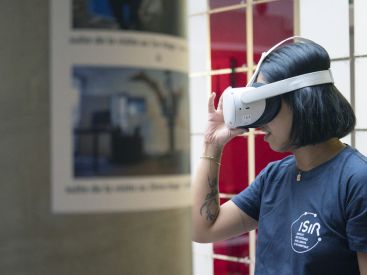
How does research account for families of patients in intensive care? Take a look at the actions of the FAME Hospital-University Research project, explored through testing its chatbot, virtual reality headsets, comic strips, and video capsules!
Participation requirements:
• Target audiences: 11-15 years, 15-18 years, 18-25 years, 25 years and up
• Conditions: Free admission
Hours: Friday, October 9 - 2:00 PM to 5:00 PM
The village, a hub for research and innovation
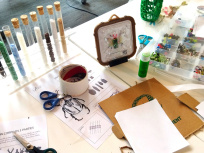
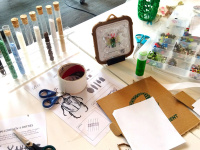
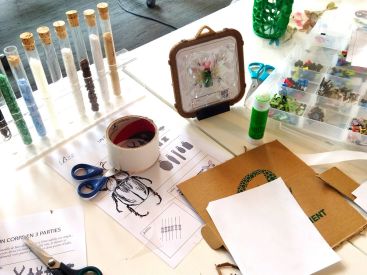
The Village of Research and Innovation opens its doors to the public with around ten interactive booths run by professionals from AP-HP and its partners. Through hands-on workshops, games, demonstrations, and conversations with the facilitators, visitors explore, in a playful way, the major themes of biomedical research and see how science translates into medical progress and better patient care. This edition is organized in partnership with the Institute of Leukemia and Université Paris Cité. The Institute of Leukemia will notably host three information and awareness stands dedicated to leukemia, helping the public better understand the disease, the advances in research, and the challenges in managing it.
Participation requirements :
• Target audiences : 6–11 years, 11–15 years, 15–18 years, 18–25 years, 25 years and up
• Conditions : Free admission
Timings: Friday, October 9 — 2:00 PM to 5:00 PM
Within a hair's breadth
How to take a closer look at your skin? What is a biopsy? Come take a close look yourself and learn how researchers study skin lymphomas through the Hospital-University Research Project SPRINT.
Participation requirements:
• Audience: 11–15, 15–18, 18–25, 25 and over
• Conditions: Free admission
Hours: Friday, October 9 — 2:00 PM to 5:00 PM
Room 6
A sickle cell patient has just begun his transplant program. The transplant process has been compromised. His file has been lost. Help recover his identity and confirm each step of the transplant process to enable his recovery. Proposed by GR-EX, a premier research initiative dedicated to the study of red blood cells.
Participation requirements:
• Target audiences: 11–15, 15–18, 18–25, 25 and up
• Conditions: Free admission
Hours: Friday, October 9 — 2:00–5:00 p.m.
DRIS in the village: research and innovation
Meet the roles that accompany every research project at AP-HP and their part in protecting patients. Through conversations with professionals from the Directorate of Research, Innovation and Strategy (DRIS), you’ll see how administrative, regulatory, financial, and legal aspects help ensure the smooth running of clinical studies and uphold ethical, rigorous, and patient-centered research.
Participation terms:
• Target audiences: 15–18 years, 18–25 years, 25 years and up
• Conditions: Free admission
Hours: Friday, October 9 — 2:00 PM to 5:00 PM
The use of CAR-T cells in immunotherapy
How can the immune system be turned into a real cancer treatment?
This workshop invites you to explore the principles of immunotherapy and how CAR-T cells work, an innovative approach used to treat certain blood cancers. Participants will delve into the role of the immune system, the main steps in the patient care pathway for those benefiting from this therapy, and the challenges involved in this kind of care.
Thanks to microscopic observations, a live broadcast on a screen, and hands-on activities, both kids and adults will concretely discover how research and innovation are opening up new horizons in cancer treatment.
Participation requirements:
• Target audiences: 15–18 years, 18–25 years, 25 years and over
• Admission: Free
Schedule: Friday, October 9 — 2:00 PM to 5:00 PM
This page may contain AI-assisted elements, more information here.
Dates and Opening Time
On October 9, 2026
Location
Saint-Louis Hospital
1, avenue Claude-Vellefaux
75010 Paris 10
Route planner
Accessibility info
Prices
Free
Official website
hopital-saintlouis.aphp.fr