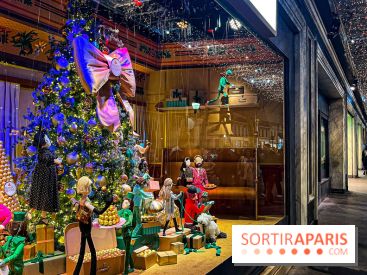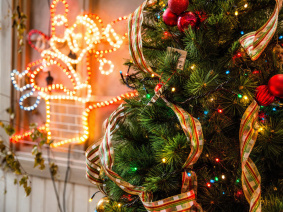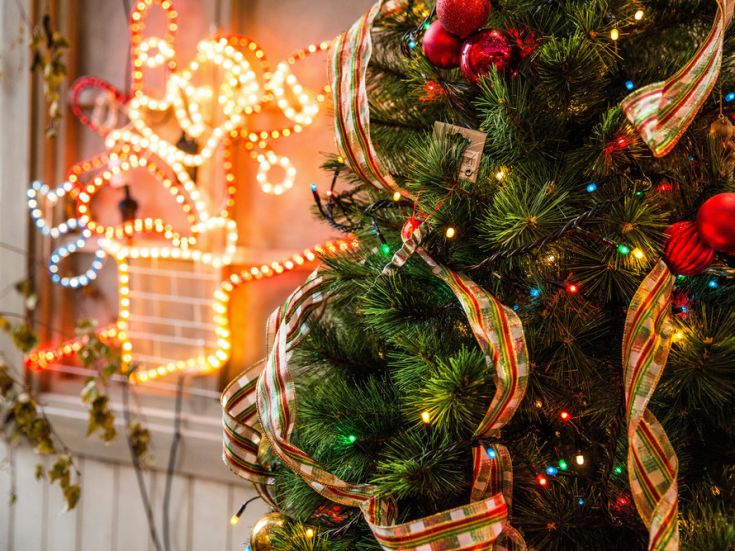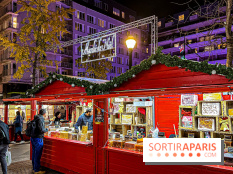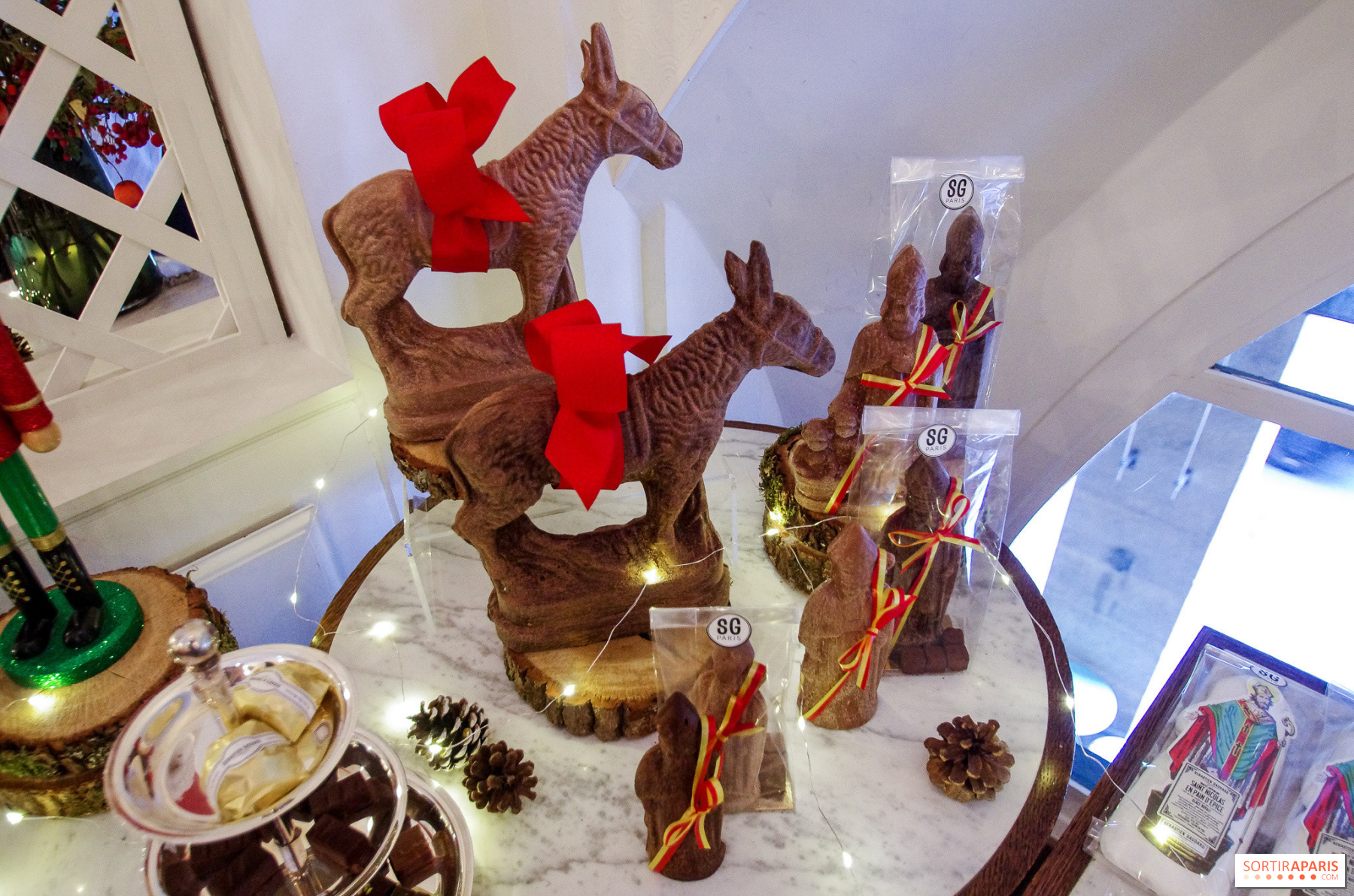
That's it, the holiday season is here.The department store windows are all decked out. Lightsare popping upeverywhere and Yule logs are already catchingoureye. All that's left to do is wait patiently for Santa Claus to arrive. But before this unmissable holiday, another one is already making waves. It's Saint Nicholas Day.
Celebrated every year around December 6, Saint-Nicolas is above all a tradition that endures in eastern France, including Flanders, Alsace, Lorraine and Franche-Comté. So, who is Saint-Nicolas, considered the patron saint of Lorraine and its inhabitants since 1477? And why does he distribute gifts and treats to well-behaved children? Discover the origins and history of this tradition.
First of all, you need to know that Saint-Nicolas really did exist. Behind this famous character is Nicholas of Myra, also known as Nicholas of Bari. This bishop was born in the 3rd century in Lycia, south of present-day Turkey, and died on December 6, 343, after being imprisoned and forced into exile for several years. As a Christian, Nicholas of Myra was persecuted by the emperor Diocletian.
But it was after his death that many miracles were attributed to him. The most famous of these? The legend of the 3 little children resurrected after being killed by a butcher. This famous butcher also gave rise to another story, that of the bogeyman who accompanies St. Nicholas on his rounds and punishes disobedient children. From then on, Nicholas of Myre became the patron saint of children and schoolchildren, as well as bachelors and prisoners.
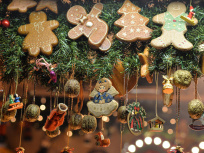
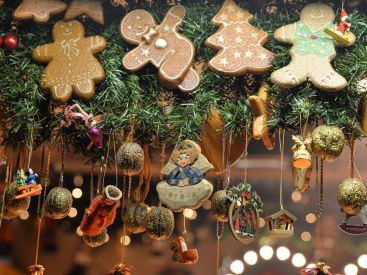
On the night of December 5 to 6, he slips into family chimneys to drop gifts and treats for well-behaved children. Chocolates, dried fruit and, above all, gingerbread bearing the effigy of the Holy Bishop! Père Fouettard, on the other hand, is in charge of distributing far less attractive gifts, such as coal, potatoes and onions.
Celebrated in Austria, Belgium, the Netherlands and Switzerland, St. Nicholas Day remains a highly important tradition in Lorraine and the surrounding area. So why? The Battle of Nancy had a lot to do with it. In 1477, when Charles the Bold's army faced René II, Duke of Lorraine, the latter decided to place his troops under the protection of Saint-Nicolas. René II won the battle, making the patron saint of children very important in the eyes of the region.
So much so that every December 6th, several men dressed up as Saint-Nicolas make the rounds of schools in Lorraine and Alsace, accompanied by their faithful donkey!