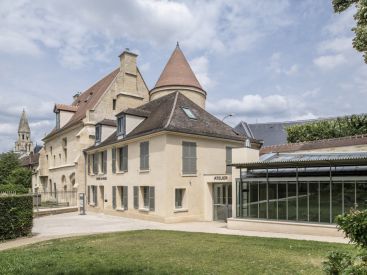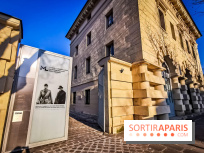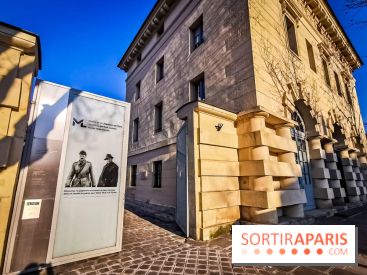
For the latest edition of the Journées du Patrimoine in Paris, take a stroll through a museum little known to Parisians: the Musée Clemenceau. This is your chance to discover the apartment overlooking the Eiffel Tower where the man nicknamed the Tiger lived. Visit the apartment on September 20 and 21, 2025, in the 16th arrondissement of Paris.
This historic site, dedicated to one of France's most emblematic political figures, is the former home of the statesman who lived there from 1895 until his death in 1929. The address houses a museum that offers an insight into the life and times of Clemenceau: the tour allows visitors to explore the different facets of thepolitician's personality, who was also a journalist, doctor, writer and, of course,"le Tigre", his nickname during the First World War.
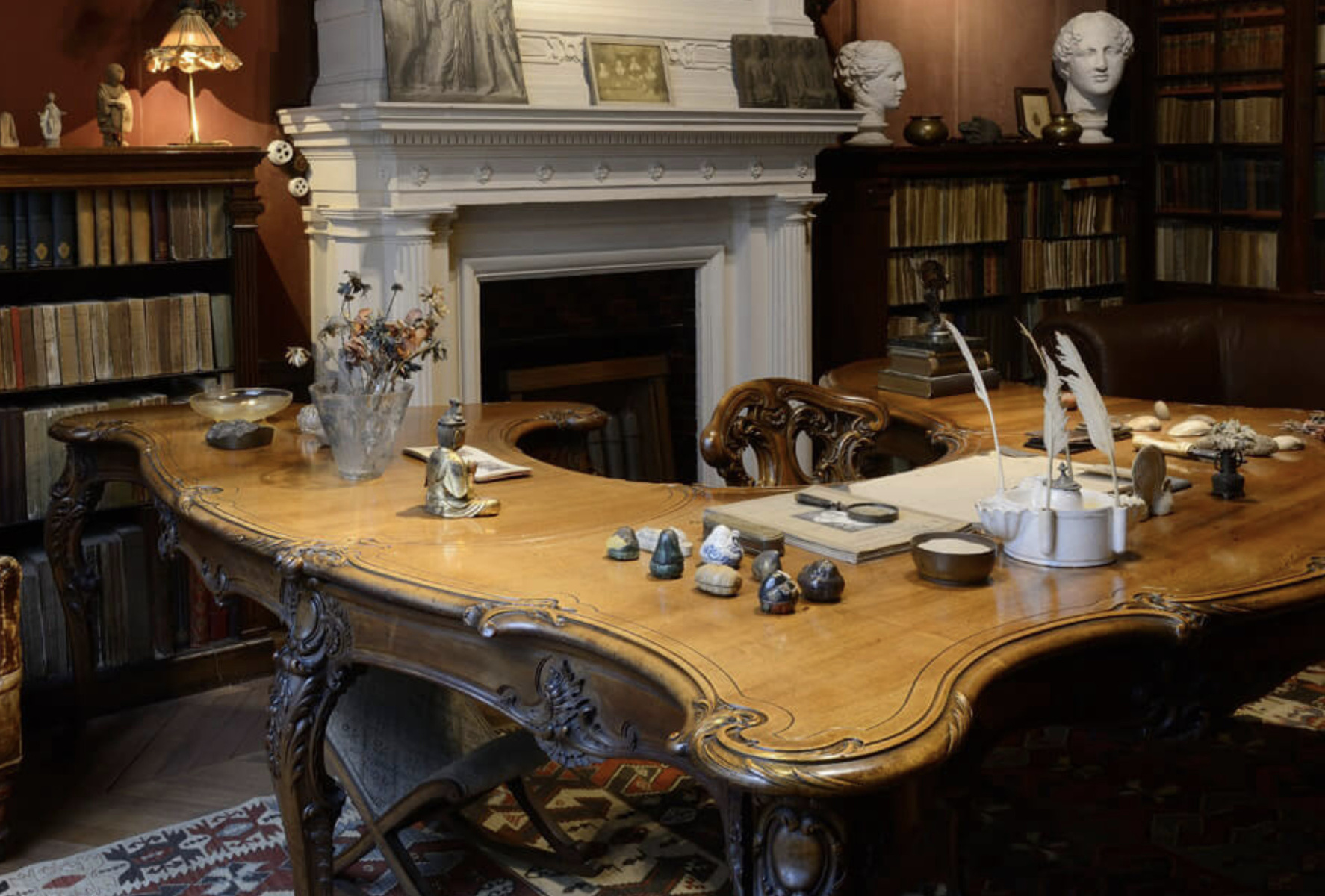
The collection includes personal effects, photographs, letters, archival documents and memorabilia relating to his private life and political career. Visitors to the various rooms will discover Clemenceau 's commitment to the Republic, freedom and justice. The museum also displays evidence of his role as a wartime leader during the Great War, and his decisive role in France's victory.
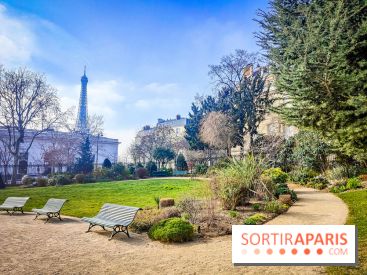
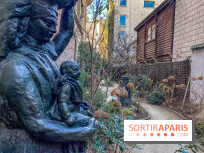
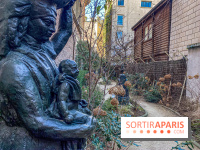
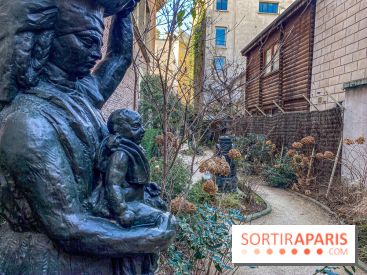
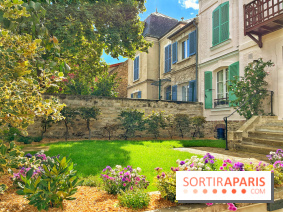
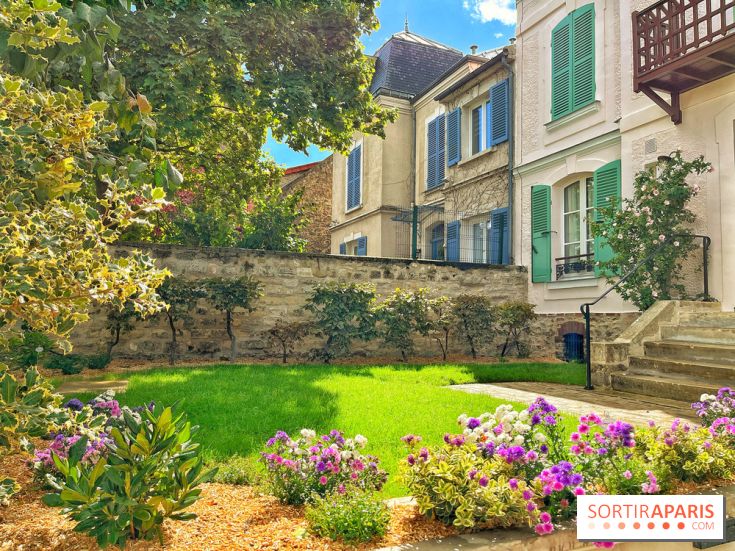
A visit to the Musée Clemenceau during the Journées du Patrimoine 2025 is an opportunity to revisit the history of France, both politically - the statesman was in turn President of the Council, Minister of the Interior and Minister of War until 1920 - and aesthetically. Indeed, it's a pleasure to visit this pretty four-room apartment, left in its original state, which opens onto a flower-filled garden with a view of the Eiffel Tower.
The Musée Clemenceau is exhibiting a selection of press cartoons dedicated to Clemenceau, from a private collection.
This attractive four-room apartment opens onto a flower-filled garden with a view of the Eiffel Tower. It's also an opportunity to immerse yourself in the history of France in the early 20th century, with a look back at the career of this outstanding statesman, Georges Clemenceau (1841-1929).
In 1896, Georges Clemenceau signed the lease for a garden apartment in the village of Passy, previously occupied by Robert de Montesquiou between 1882 and around 1892. Clemenceau, who had just suffered a political setback during the Panama scandal, had to sell his collections in 1894 to find financial resources. As a journalist, he followed the Dreyfus Affair, writing 665 articles - some 3,300 pages - in the latter's defense between 1899 and 1903. During his terms in government, as President of the Council, Minister of the Interior (1906-1909) and Minister of War (1917-1920), he continued to reside in this house, refusing to live in official palaces because, he said, "I don't want to live in a furnished apartment". Clemenceau also fought his last battle here, for the installation of Claude Monet's Water Lilies in the Musée de l'Orangerie.
For the next thirty years, the décor evolved according to the tastes of its illustrious tenant. In 1926, Clemenceau's American friend James Douglas - who had bought the building at auction after the owner's death, so that Clemenceau wouldn't have to move - had it painted and the bathroom modernized. When Père la Victoire died in 1929, his family decided to turn the apartment into a museum. The apartment's décor was left as it was on his death, following bequests from the Tigre himself.
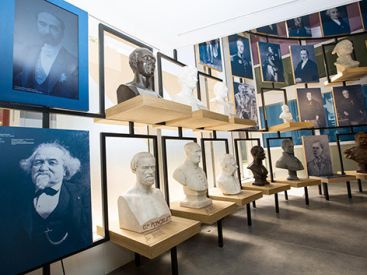
On the second floor, a gallery exhibits numerous objects relating to Georges Clemenceau's political and personal life.
This page may contain AI-assisted elements, more information here.
Dates and Opening Time
From September 20, 2025 to September 21, 2025
Location
Clemenceau Museum
8 Rue Benjamin Franklin
75116 Paris 16
Access
Metro Passy (line 6) or Trocadero (lines 6 and 9)
Prices
Free
Official website
musee-clemenceau.fr