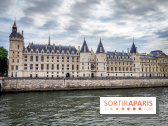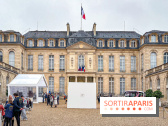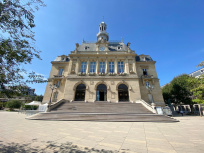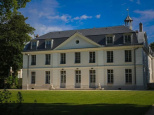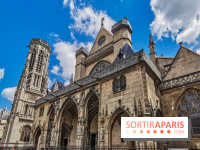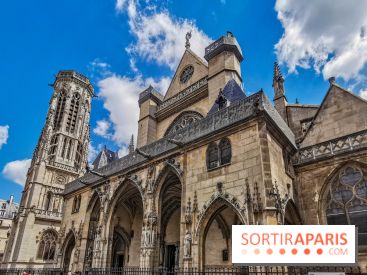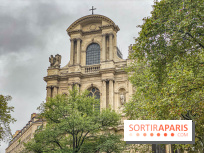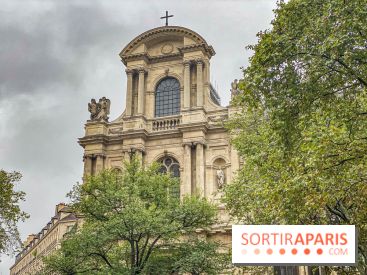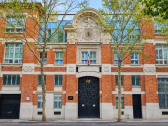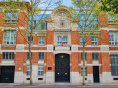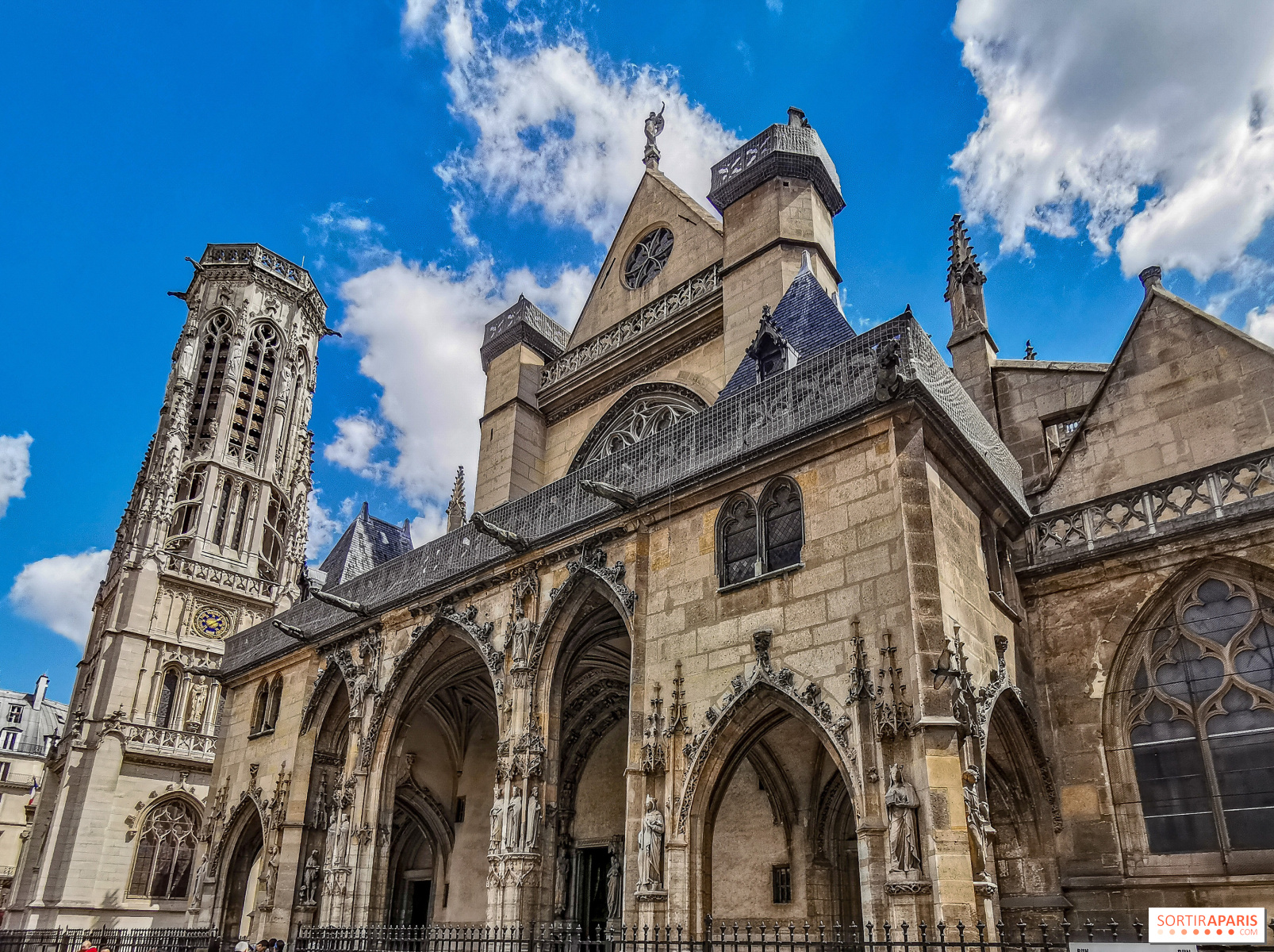
The Journées du Patrimoine 2026 are the perfect opportunity to dive into the fascinating history of Saint-Germain-l'Auxerrois Church. Nestled in the heart of Paris, directly opposite the Louvre, this iconic church throws open its doors on September 19 and 20. Over these two days, come explore the interior and exterior of the building, which showcases its Gothic architecture, its impressive sculptures, as well as its paintings and stained glass that trace centuries of history.
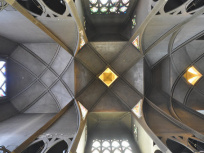
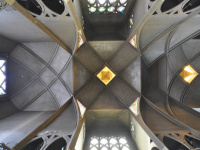
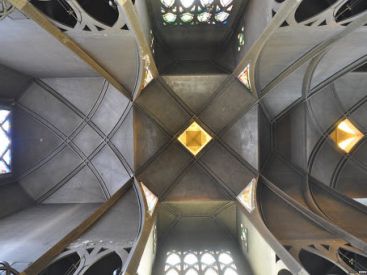
The church of Saint-Germain-l'Auxerrois is an architectural treasure with roots in the Middle Ages. Built between the 12th and 15th centuries, it once served as the royal chapel for the kings of France residing in the Louvre. This privileged link with the monarchy makes Saint-Germain-l'Auxerrois a witness to the historical events that shaped Paris. During your visit, you'll soak up the atmosphere of the place, observing the details of its construction, which blends elements of Gothic and Renaissance art. From its slender vaults to its dazzling rosettes, every corner of the church tells a part of the capital's history.
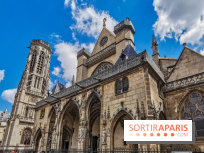
The church steeple, recognizable by its slender silhouette, has long dominated the landscape of this historic district. But beyond its architecture, what's most striking about Saint-Germain-l'Auxerrois is its rich artistic heritage. There are medieval statues of rare finesse, restored murals and stained glass windows that capture the light and illuminate the interior with a thousand colors. Every detail, from small niches to large religious works, takes us back to the time when this church was at the heart of Parisian life.
A visit to the exterior also reveals the church's unique position in the Parisian landscape, directly opposite the former royal palace of the Louvre. In the past, the church's role went far beyond the religious sphere: it was also the scene of a number of significant events, such as St. Bartholomew's Day in 1572. This tragic episode in French history, which saw many Protestants murdered, made Saint-Germain-l'Auxerrois a symbol of the link between religion and politics in Paris.
These Heritage Days 2026 offer a rare chance to glimpse an intimate slice of Paris's history through one of its most emblematic religious buildings. Here's what the church has in store for you during this cultural weekend.
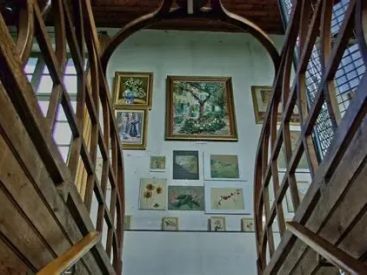
Bastien Gachet's exhibition at the Beffroi of Saint-Germain l'Auxerrois
The Transitory Museum takes over the architecture and acoustics of spaces in flux. Hung between two states, between two uses, these places are temporarily opened to a transformation that serves no practical function.
conceived as an institution-work and founded by Romina Shama, the project questions exhibition formats, preservation, and the role of authors in the art field.
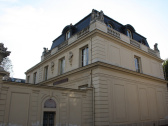
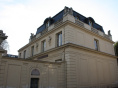
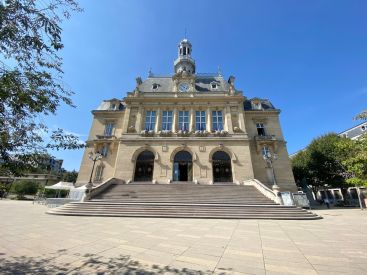
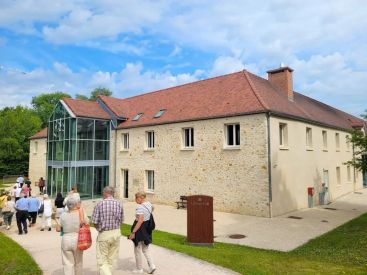
For its fourth edition, the Transitory Museum relocates to the beffroi overlooking the Louvre Square, between Saint-Germain-l’Auxerrois Church and the old town hall.
The exhibition presented there is titled "Ministry Transitory" and comprises a sequence of Acts and Interludes.
“When everyone constantly lies to you, the result is not that you believe those lies but that no one believes anything anymore. A people that can no longer believe in anything cannot form an opinion. It is deprived not only of its power to act but also of its capacity to think and judge.”
—Hannah Arendt
In The Human Condition (1958), Hannah Arendt identifies three forms of human activity:
1. Labor, which answers to biological needs and ensures material survival.
2. Work, which produces durable objects and shapes the world we inhabit.
3. Action, which belongs to speech and collective deliberation, the foundation of politics and freedom.
The Transitory Museum activates these three dimensions by creating a Ministry that questions value—not only economically, but also ethically and politically. Action becomes a space of resistance against the insidious forms of contemporary totalitarianism.
This fourth edition of the Transitory Museum is organized as a collection of miscellaneous facts that bear witness to current tensions: the proliferation of political and social crises, misinformation, and the banalization of authoritarian discourse. Through these events—often seen as mere anecdotes—a landscape emerges that accelerates the gradual ascent of totalitarian systems.
This exhibition invites exploration of these tensions and raises the question of a possible exhaustion of the existing systems and a rebuilding on new foundations, to redefine the relationships between individuals, the collective, and structure.
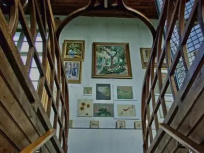
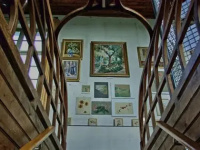
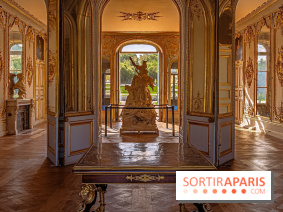
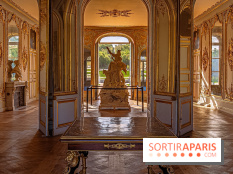
For European Heritage Days, we invite you to discover Act IV: a site-specific exhibition by artist Bastien Gachet. The installation conceived by the artist is designed in intimate dialogue with the building’s architecture and acoustics.
Participation terms: Free and open to everyone—no booking required - Free | No booking
Schedule: Friday, September 18, 2026 - 2:00 PM ⤏ 7:00 PM | Saturday, September 19, 2026 - 2:00 PM ⤏ 7:00 PM | Sunday, September 20, 2026 - 2:00 PM ⤏ 7:00 PM
This page may contain AI-assisted elements, more information here.
Dates and Opening Time
From September 19, 2026 to September 20, 2026
Prices
Free
Recommended age
For all
Official website
saintgermainlauxerrois.fr