While Seine-et-Marne (77) already has a substantial arsenal of 58 speed cameras spread across its territory, the department is set to welcome 21 new control devices in 2026. The plan includes: 5 urban radars funded by the state and 16 autonomous radars to complement the existing system. The goal set by the prefecture? To ensure coverage of all types of roads, from highways to secondary roads, including urban areas.
Last year, three double-sided discriminating ground equipment (ETD2F) units were already in place: in Fresnes-sur-Marne on the RN3, on the A104 near Brou-sur-Chantereine, and the one on the Francilienne at Pontault-Combault was upgraded. However, most notably, the department has seen a surge in new monitoring devices, especially with the proliferation of construction zone radars. These mobile units are increasingly popping up along the roads of Seine-et-Marne.
As Céline Platel, the Prefect's Chief of Staff, explains in La République de Seine-et-Marne, “the goal is to continue expanding the network and establishing infrastructure everywhere—on major roads, secondary routes, and throughout urban areas.” This approach aims to cover the entire departmental road network, which is renowned for its vast size and high traffic density.
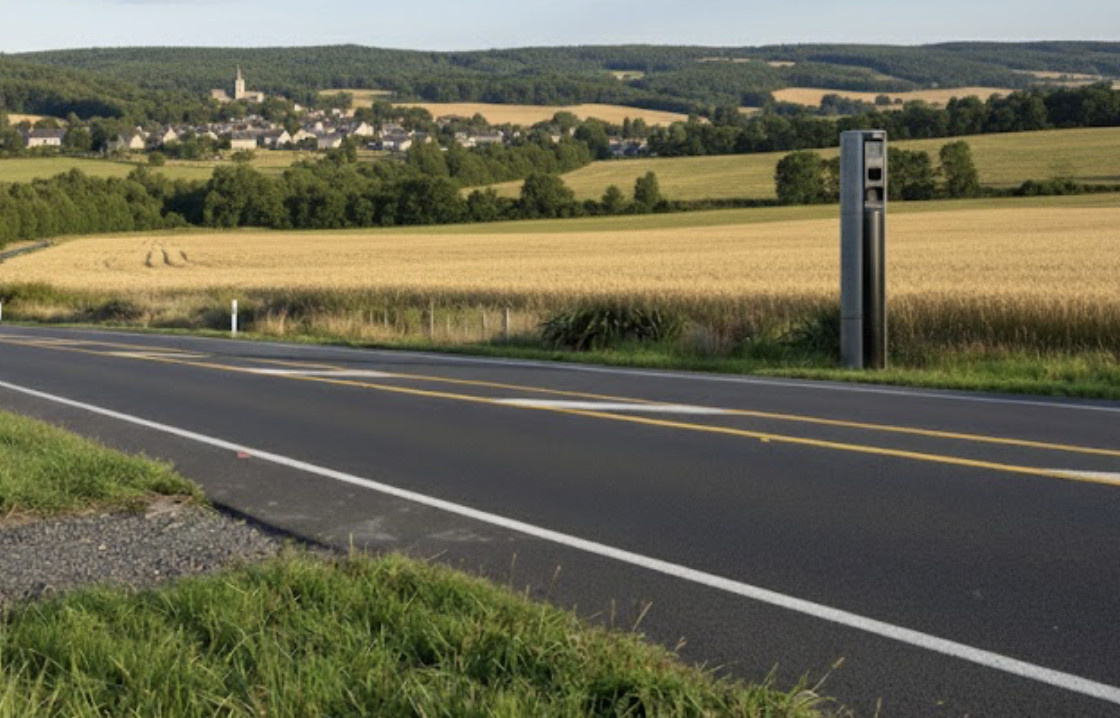
The five new urban speed cameras set to roll out this year—originally scheduled for late 2025—stand out for their exceptional discretion. Mounted high above ground and seamlessly integrated into city fixtures, they are almost invisible to drivers. Equipped with advanced technology, these cameras can monitor multiple infractions at once, including speeding violations and running red lights.
While the exact locations have not yet been officially disclosed by the Seine-et-Marne prefecture, their announcement is expected a few weeks before they are put into place. These devices will help bolster monitoring along routes where road safety calls for extra vigilance.
The Departmental Road 619 is now under increased surveillance with the recent deployment of a mobile speed camera between Mormant and Provins, reports the specialized site Techno-car. This stretch, especially near La Chapelle-Saint-Sulpice, has long been notorious for frequent speed limit violations. What makes this device unique? It moves among five different strategic locations along this route, making its exact position unpredictable for drivers who frequent the area.
The device automatically flags drivers exceeding 90 km/h, the maximum speed limit on this stretch. Its goal is to instill more lasting changes in driving habits by preventing the common cycle of "braking then accelerating" often seen with traditional fixed speed cameras.
On the autonomous radar front, several new units have been operational since January 2026. These mobile devices run on batteries with a five-day endurance and can be quickly moved from one location to another. Equipped with LIDAR laser technology, they monitor multiple lanes simultaneously and in both directions of traffic.
They can be seen especially in Lizines, along the D209 near the intersection leading to Saint-Loup-de-Naud, in Pringy on the D607 close to the Grand Frais retail park, in La Houssaye-en-Brie on the D1036, as well as along the long straight stretch between Montceaux-lès-Provins and Courgivaux on the D1004. Overall, 16 of these devices are scheduled for deployment by 2026.
The department already has 58 fixed speed cameras installed across its entire territory. Key monitored routes include the A4 with multiple checkpoints, the N104 (Francilienne), the D606, and secondary roads heading toward Melun. The more modern turret-style radars are especially prominent on these major thoroughfares.
To view the latest and most comprehensive map of fixed speed cameras across the region, visit the Road Safety website, which offers precise geolocation details for all enforcement devices.
In urban areas where the speed limit is capped at 50 km/h, exceeding the limit by less than 20 km/h results in a fixed fine of 135 euros and the deduction of one point from the driver's license. For more significant overspeeding, penalties become stricter, with additional points deducted and higher fines being imposed.
If you've lost points on your license, authorized driving schools in Melun, Meaux, Nemours, and Fontainebleau are offering refresher courses. These two-day sessions can help you recover up to four points on your driving license.
Recently, local authorities have gained the option to install their own urban speed cameras, provided they receive approval from the prefect and the departmental road safety commission. However, the cost of these additional devices is entirely borne by the municipalities themselves, which could pose a challenge for towns with tighter budgets.
In short, if you frequently travel through Seine-et-Marne, extra vigilance is more crucial than ever. With the appearance of discreet urban speed cameras, the mobile radar on the D619 road, and autonomous radars that can pop up anywhere, the department seems to rely heavily on prevention and enforcement to boost road safety. To avoid unwelcome surprises, sticking to speed limits remains the most effective strategy.
Recommended age
For all