You've probably heard about the polar vortex in recent days—a weather phenomenon that has meteorologists on edge. According to several weather experts, including those from Tiempo.com and La Chaîne Météo, this swirling mass of frigid air hovering over the North Pole could split apart at the end of January and into February 2026. Such a split could have direct impacts on temperatures across France and Europe. This scenario echoes the extreme cold snaps experienced during particularly harsh winters.
The polar vortex isn’t a new meteorological phenomenon, but it’s a persistent one that’s worth paying closer attention to. It’s essentially a vast area of low pressure located in the stratosphere, right above the poles. Picture a gigantic whirlpool of cold air that continuously circles the North Pole, sustained by the temperature differences between the icy Arctic and the more temperate latitudes. Under normal conditions, this vortex stays confined above the polar regions, held in place by strong westerly winds that circle around it.
The issue arises when this vortex becomes destabilized. During sudden stratospheric warming events—sharp increases in stratospheric temperatures—the polar vortex can break apart or shift. This is where it gets particularly relevant for us: fragments of polar air mass can move toward lower latitudes, bringing with them an influx of intense cold.
Forecast models examined by meteorologists are revealing concerning signals for late January 2026 and the month of February. Several indicators suggest that a stratospheric warming event could occur, potentially weakening the polar vortex. According to analyses from La Chaîne Météo, the question arises: is this truly a cold snap in the making or just a media frenzy?
What is certain is that the conditions are now in place for a major shift. If this split is confirmed, Europe could face a freezing cold snap not seen in many years. Experts at Tiempo.com even speak of a potential "risk of an ice age" — a phrase that may sound alarmist but mainly underscores the severity of what’s expected.
To grasp the scale of the phenomenon, a quick glance eastward is enough. Moscow is currently experiencing particularly harsh temperatures, with the thermometer frequently dropping below -15°C, and sometimes -20°C. This Siberian air mass lingering over Russia could, should the polar vortex break apart, move towards Western Europe and reach France.
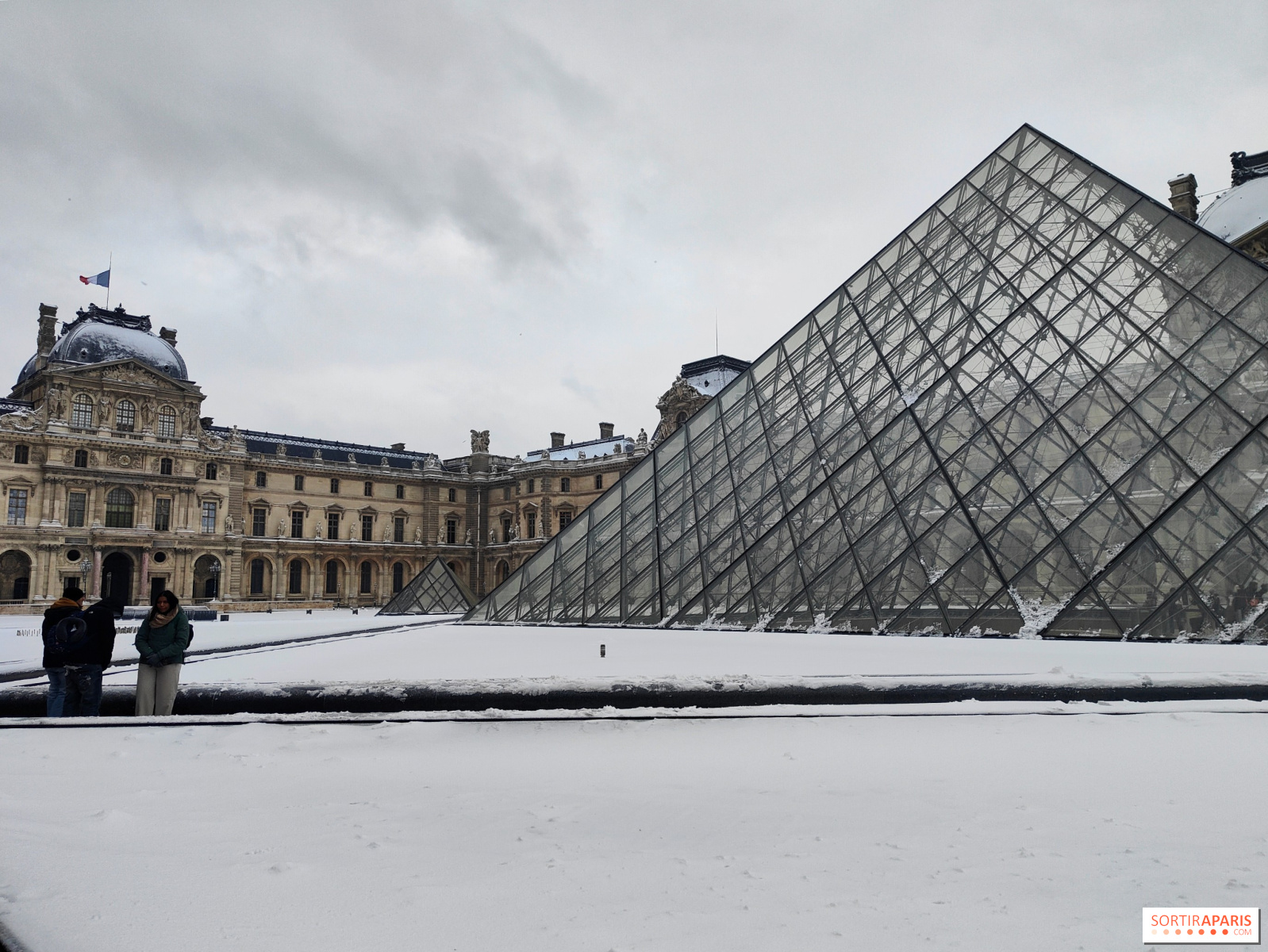
The worst-case scenario feared by meteorologists? That this Russian cold snap moves into our regions, turning Paris and Île-de-France into a frozen wasteland. Temperatures could plummet suddenly to -10°C or even lower in some areas, accompanied by heavy snowfall and an intensified chill factor caused by the wind. The gap between Moscow, already in the deep freeze, and Paris could then shrink significantly.
Is snow and polar cold still expected to hit Paris and Île-de-France at the end of January?
For several days now, Parisians and residents of Île-de-France have been eagerly watching the weather forecasts, hoping for snowfall. But what can we really expect from late January 2026 in the Paris region? The latest models have shifted significantly, and here’s what you need to know. [Read more]
If these forecasts prove accurate, we could see extended periods of significantly below-freezing temperatures across Île-de-France and throughout France, lasting several days or even weeks. The most recent comparable episodes date back to winter 2018, during the so-called "Beast from the East," which froze parts of Europe, or February 2012, when temperatures in some French areas plunged to -15°C. Back then, Paris experienced conditions more typical of Moscow winters.
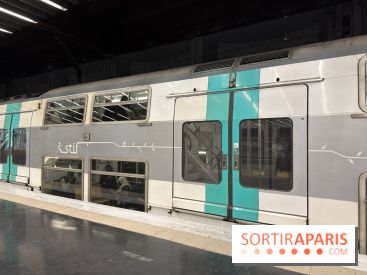
For Paris and its surrounding region, this could mean significant disruptions to transportation — remember the subway and RER lines that were frozen and shut down during cold spells — a spike in electricity use for heating, and an increased need for caution among vulnerable populations. City services typically activate their cold weather emergency plan under such conditions, including the opening of additional emergency shelters to assist those most at risk.
This is precisely the question posed by La Chaîne Météo in its recent analysis. Let’s remain cautious: while the risk of cold snap is real, long-term weather forecasts are still a complex science where nothing is set in stone. Models are updated daily, and what seems likely today could look very different tomorrow.
However, the alignment of several indicators calls for closer monitoring by meteorologists. The situation in Moscow demonstrates that the cold has already taken hold in Eastern Europe, and the ongoing atmospheric patterns could facilitate its westward spread. While there’s a fine line between genuine weather risks and tendencies to overstate, forecasters remain cautious and continue to urge the public to stay alert.
While we wait to see if late January and February 2026 will indeed bring historic cold snaps, a few precautions are in order. Check your home’s insulation, prepare for possible freezing temperatures, and keep an eye on the weather forecasts. Residents of Île-de-France should also consider potential disruptions to the public transportation network, which struggles to handle severe cold spells.
In short, cozy wool sweaters, snuggly blankets, and a warm hot chocolate are set to become our best allies in the coming weeks. What’s certain is that the polar vortex and its unpredictable nature remind us that winter still has a few surprises up its sleeve, and that the temperature gap between Moscow and Paris can sometimes be narrower than we think.
To stay updated on the evolving situation, regularly check the latest reports from Météo-France, detailed analyses on Tiempo.com, and forecasts from La Chaîne Météo. As days go by, these predictions will be refined to confirm or dismiss the possibility of an early winter that could turn Paris into a mini-Moscow for a few icy weeks.







 Is snow and polar cold still expected to hit Paris and Île-de-France at the end of January?