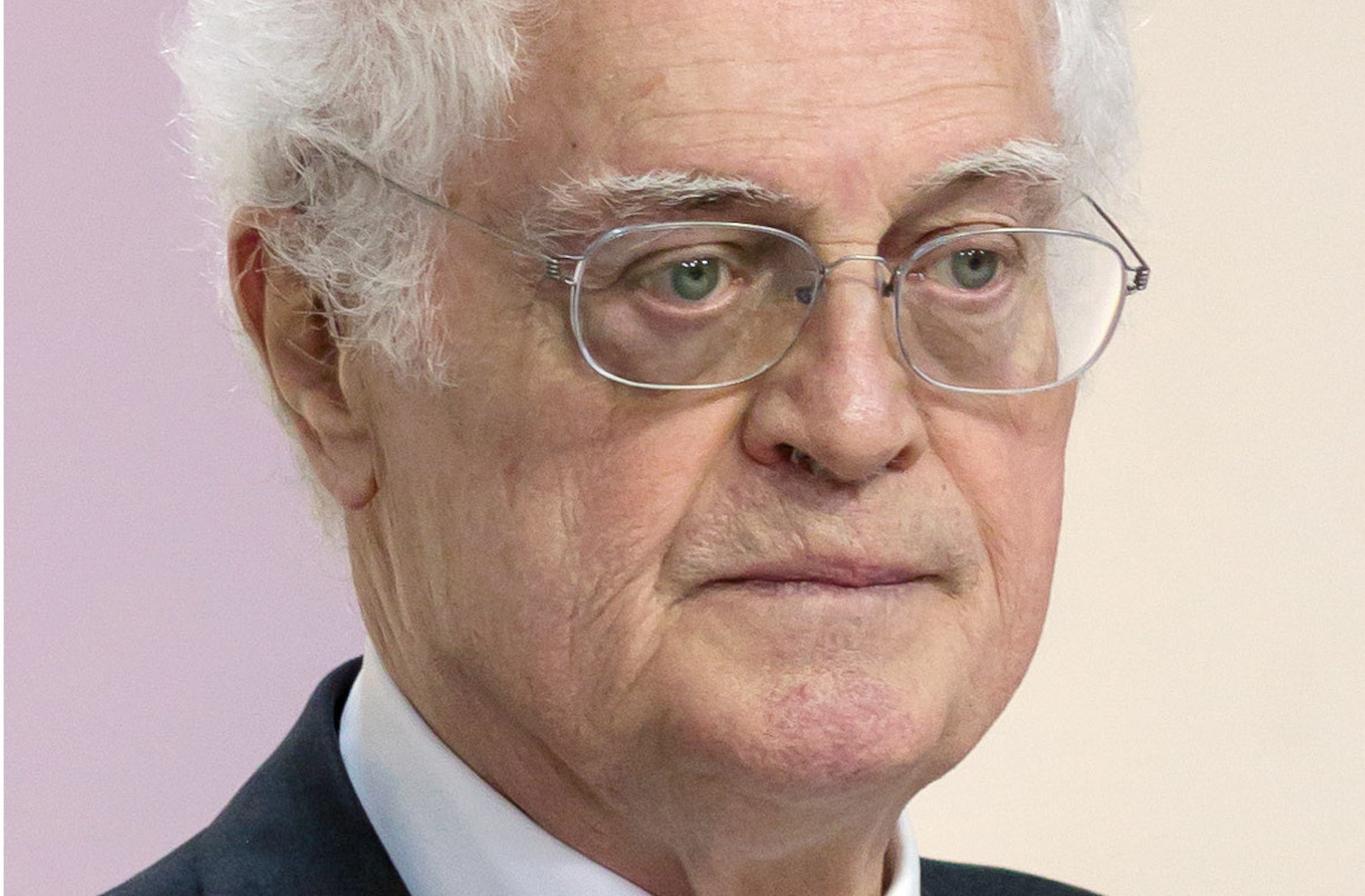
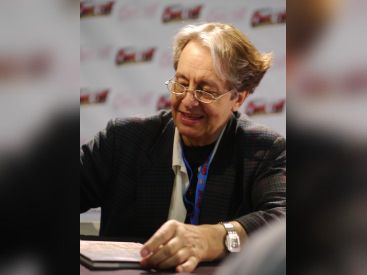
Lionel Jospin has passed away. The former Socialist Prime Minister, born on July 12, 1937, in Meudon, in the Hauts-de-Seine region, died on Sunday, March 22, 2026, at the age of 88. His family announced the news to AFP this Monday morning. A prominent figure on the French left for nearly fifty years, he left a lasting mark on the Fifth Republic with his strict and distinctive approach, remaining committed to a particular vision of socialism until the very end.
Born into a family with a father who was an active member of the SFIO and raised in a Protestant household in the suburbs of Paris, Lionel Jospin didn't seem destined for national leadership. After attending a rigorous preparatory class at Janson-de-Sailly High School in the 16th arrondissement of Paris, he entered Sciences Po, followed by the EN מהמ class of 1963, known as Stendhal. His career then took him to the French Ministry of Foreign Affairs. It was there that he crossed paths with Pierre Joxe, a loyal Mitterrand supporter, and began orbiting within the French Socialist Party. He officially joined the PS after the Epinay Congress in 1971.
His rise within the party has been swift and impressive. First Secretary of the Socialist Party from 1981 to 1988, he served as François Mitterrand's trusted behind-the-scenes strategist throughout his first term. In 1988, he took over as head of the Ministry of National Education. On the street, students affectionately nicknamed him Jospinator. He embodies a calm, steady form of discipline, quite different from the narcissism he often criticized in the political class of his era.
Yet, it is during his time at Matignon, from 1997 to 2002, that he leaves his most lasting legacy. Leading a
His name will forever be linked to a single date: April 21, 2002. That evening, Lionel Jospin, running neck-and-neck with Jacques Chirac in the polls, learns that he has been eliminated in the first round of the presidential election, overtaken by Jean-Marie Le Pen. It was an unprecedented political earthquake under the Fifth Republic. “I accept full responsibility for this defeat,” he declared from his campaign headquarters that same evening, “and I am drawing my conclusions by stepping back from political life.” His announcement was blunt—a reflection of his straightforward nature: direct, unadorned, and without apparent calculation.
He had already come close to victory in 1995, finishing second behind Jacques Chirac with 47.36% of the vote in the runoff—an almost-failure, in Laurent Fabius's words. However, the shock of April 21 proved to be a fatal blow to any presidential ambitions. He joined the Constitutional Council in 2014, before stepping down in 2019 to make way for Alain Juppé. In January 2026, he revealed that he had undergone serious surgery, though he did not specify the nature, and announced he was now recuperating at home.
On television in recent years, he often spoke of finding a new sense of calm more than twenty years after the trauma of April 21. It was in this newfound peace that he passed away, leaving behind a France he had tried to shape in his own methodical and austere way.
This page may contain AI-assisted elements, more information here.