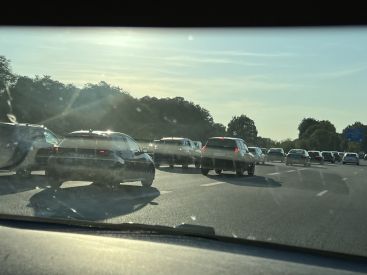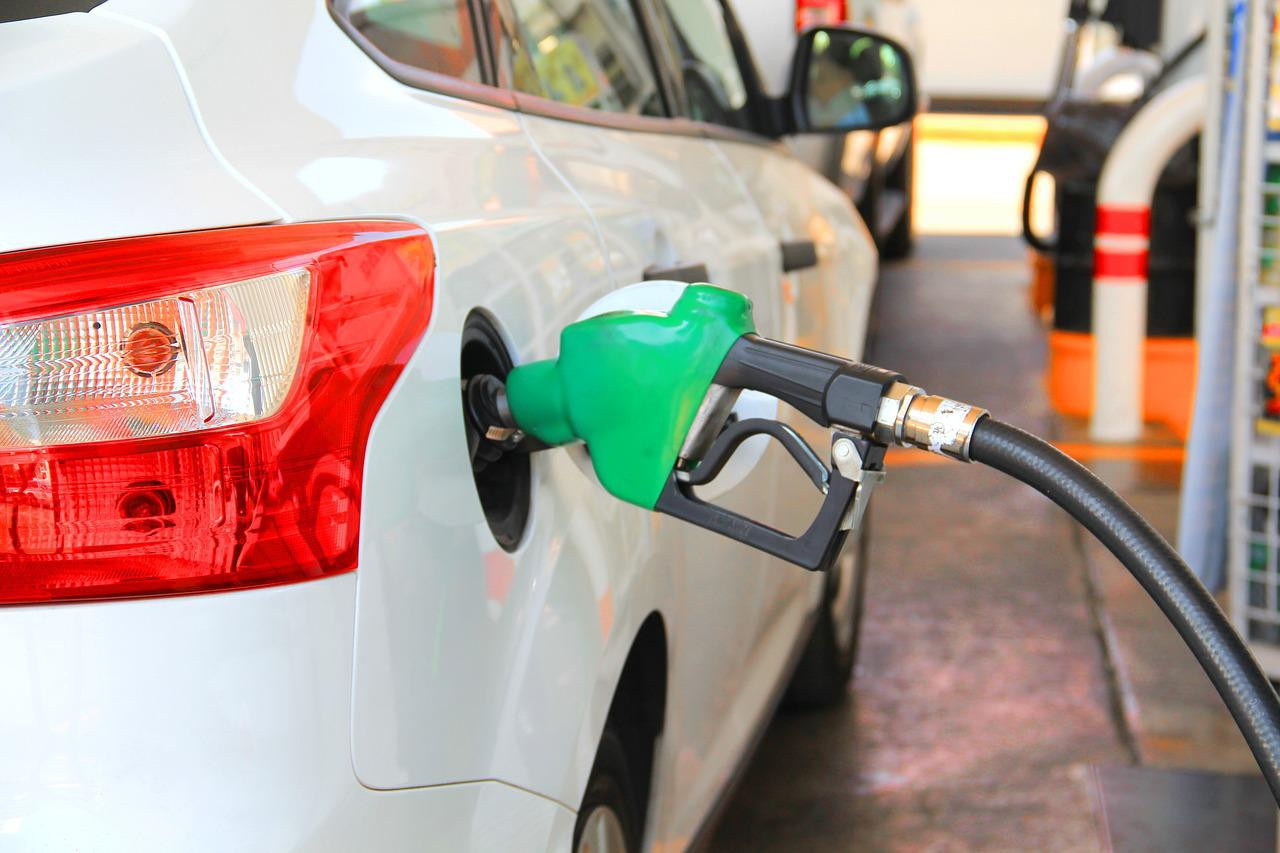
The surge in fuel prices, caused by tensions in the Middle East, is starting to weigh heavily on the daily lives of millions of French people. Prime Minister Sébastien Lecornu announced several measures on Tuesday, April 21, 2026, from the steps of Matignon, in a bid to curb the economic fallout from this spike in prices. At the heart of these announcements: targeted aid for high-mileage drivers with modest means, in addition to schemes already granted to fishermen, farmers and haulers. Here, point by point, is what this new measure entails.
The target group consists of people who work, commute by car, and earn below the median taxable income, according to Economy Minister Roland Lescure. In concrete terms, two criteria apply, and they are cumulative.
On the income front, the thresholds vary by household composition: about €17,000 a year for a single person, up to €50,000 for a couple with two children. On the mileage front, you must live at least 15 kilometers from your workplace, meaning a minimum of 30 kilometers driven each day. For professions that rely heavily on the car—nurses in private practice and care aides, in particular—a yearly threshold applies: 8,000 kilometers driven for professional purposes. Nearly 3 million French people would be eligible, according to Matignon’s calculations.
The government has chosen a declarative framework, not a spying regime for beneficiaries: you will be asked to report your mileage on the tax site, where an application will be developed and made available within a few weeks. The process will be carried out online, via impots.gouv.fr, as soon as the interface is up and running, which is slated for the end of May 2026.
No rush for now: this lump-sum will be retroactive for the three months of April, May and June 2026, and paid in a single installment into the beneficiary’s bank account.
The aid translates to an equivalent of 20 euro cents per liter of fuel consumed over the period in question. The total, fixed amount is calculated based on the mileage declared. The government’s objective is to provide as fair a level of support as possible to France’s most affected households, while safeguarding public finances.
This long-haul support scheme sits within a broader plan. Aid to fishermen rises from 20 cents to 30–35 cents per liter of off-road diesel, subject to talks with the European Commission. For farmers, the subsidy climbs from 4 cents to about 15 cents per liter. Transport operators see their flat-rate 20-cent subsidy renewed. The construction sector is included as well: small firms with fewer than 20 employees will be eligible for roughly 20 cents per liter, with negotiations underway with industry stakeholders.
Sébastien Lecornu has said the government stands ready to adapt these aid measures as the crisis evolves. As a reminder, diesel was selling at an average of €2.22 per litre this Monday, April 21, down €0.09 over the past week.
To stay informed about updates to this program, visit the government’s official site info.gouv.fr or head directly to impots.gouv.fr to submit your request as soon as the interface opens.
This page may contain AI-assisted elements, more information here.