This is a showdown that has stretched on for years, and justice has now brought it to a close. The Administrative Court of Paris ruled the ban on chauffeur-driven cars (VTC) using the corridor formed by rue de Rivoli and rue Saint-Antoine illegal, two central arteries in Paris's 1st and 4th arrondissements. The decision, handed down on April 23, 2026, represents a clear victory for the platforms Uber, Allocab, and Chabé, which have been pursuing this case for months.
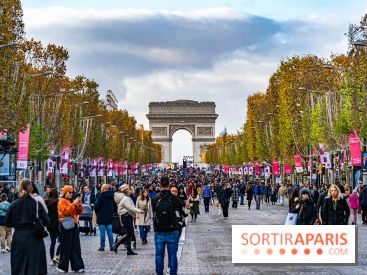
Since May 2020, this iconic Parisian street, running from the Bastille to the Concorde, has been reserved for bicycles and pedestrians. The measure sprang from the easing of lockdown amid the rise of the infamous "coronapistes" and was made permanent by the city hall. In an order dated July 31, 2023, the Mayor of Paris permanently narrowed car traffic along this axis to a single lane on the even-numbered side, banished to VTCs but not to taxis. The VTC drivers were thus barred from a strategic 3.5-kilometer corridor linking east and west Paris, just a stone's throw from the Louvre, the Hôtel de Ville, and Place de la Bastille.
The city defended the measure by two aims: to promote active travel and to keep traffic flowing so that emergency services can respond quickly. But the court was not persuaded by that reasoning. Judges noted that emergency vehicles are permitted by the highway code to use bike lanes, and that banning ride-hailing cars was therefore unnecessary to guarantee their passage.
Moreover, the court found that the ban amounted to a disproportionate infringement of the freedom to conduct business and competition rules, effectively reserving the on-demand transportation service for taxis only. For the applicant companies, this is confirmation of a long-standing grievance: being barred from a major market to the sole benefit of a competing trade, without solid justification.
The court has ordered the Mayor of Paris to allow ride-hailing services access to the reserved lanes on the even-numbered side of Rue de Rivoli and Rue Saint-Antoine within three months. In other words, by the summer of 2026, VTC drivers should be able to use these lanes just as taxis do. A major question remains: will the City of Paris appeal this decision? The city has not commented on its plans yet.
On the plaintiffs’ side, satisfaction is total. In a statement, the involved companies hailed "the end of unfounded discrimination" that had barred them from operating normally along one of the capital’s busiest corridors. For users of these services, the ruling could also translate into shorter journeys and fewer detours imposed on their drivers.
This case highlights the enduring tension between Paris’s mobility policy, which prioritizes soft transport and reducing car space, and the requirements of competition law that also apply to urban space. The Paris Administrative Court ruled that traffic arrangements cannot ignore the rules governing professional activity. It’s a signal the City of Paris will need to factor into its future planning decisions.
This page may contain AI-assisted elements, more information here.
Location
Paris
75 Paris