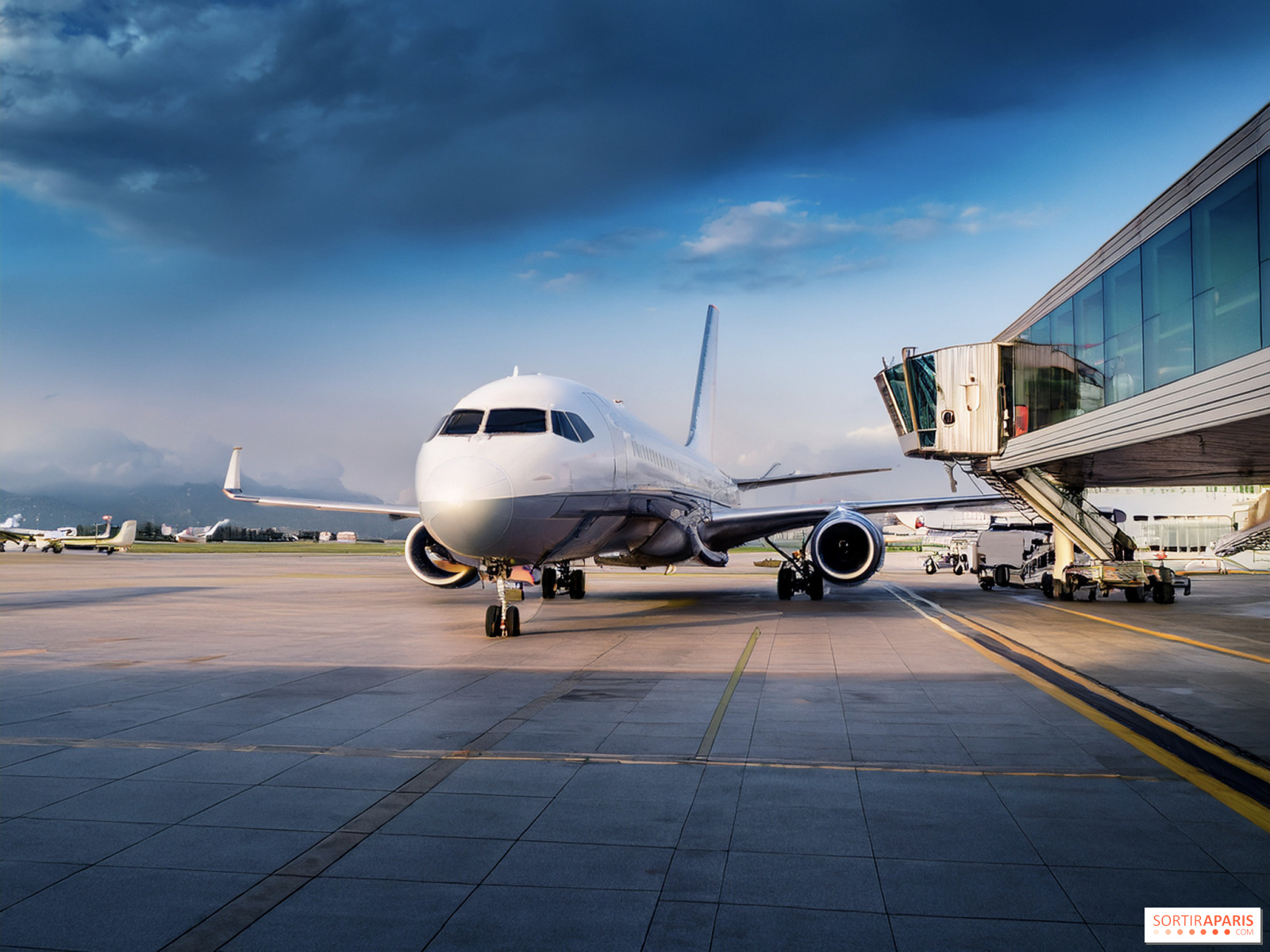
The airline Transavia, the low-cost subsidiary of the Air France-KLM group, confirmed on Sunday, April 27, 2026 the cancellation of part of its May and June 2026 flights, first reported by RMC. The reason: a surge in kerosene prices, directly linked to geopolitical tensions in the Moyen-Orient and Iran’s blockade of the Strait of Hormuz since late February. The cancellations account for less than 2% of the flight program for the period, but they affect travelers who booked well in advance, often for holidays or spring getaways.
The key lies in the global hydrocarbons market. Europe typically imports about half of its jet fuel from Gulf producers. Since the start of the US-Iran confrontation at the end of February, the Strait of Hormuz—the route that normally carries roughly 20% of the world’s oil output—has been blocked by Tehran. The result: airlines are taking a hit from an unprecedented rise in costs. In Brussels, European Commissioner Dan Jorgensen warned that the EU was rapidly approaching a potential supply crunch, with the risk of a summer marked by pricier tickets and flight cancellations.
For Pascal de Izaguirre, CEO of Corsair and president of the FNAM (National Federation of Aviation and Its Professions), the impact is brutal: before the crisis, kerosene accounted for roughly a quarter of an airline’s overall costs. That expense now weighs in at 40% to 45%, a heavy drain on cash flow. Like other carriers, Transavia has already implemented price hikes averaging about €10 per round trip, an increase that evidently isn’t enough by itself to absorb the rise.
Passengers affected by a cancellation are notified individually by SMS and email. They can choose from a no-fee rebooking, a credit, or a full refund of their ticket. For most canceled flights, a 24-hour rebooking option is offered. If you have not yet received a message, check your account directly on the Transavia official site to verify your booking status. If your flight takes off from Paris, our guide on how to reach Roissy and Orly airports can help you plan your departure.
Beyond what Transavia offers, the European framework protects you. The règlement (CE) n° 261/2004 requires airlines to inform passengers of their rights, to provide assistance, to offer rerouting or a refund, and to pay a flat-rate compensation of up to 600 euros per passenger depending on the flight distance. For flights under 1,500 km, the compensation is 250 euros; between 1,500 and 3,500 km, it rises to 400 euros. We explain all these remedies in detail in our article Vols annulés, grèves dans les aéroports : quels recours pour les voyageurs ?
One important caveat: the regulation provides for extraordinary circumstances that allow the airline to be exempt from paying compensation if it can prove the disruption was not its fault, notably in the event of political upheaval. The war in the Middle East could therefore be cited in this context. If a dispute remains unresolved, you can contact the DGAC or the European Consumer Centre for free assistance.
For now, France sees no fuel supply hiccups for kerosene, but could release a portion of its strategic reserves if volumes become tight. Meanwhile, the IATA has urged regulators to coordinate and maintain transparency should rationing become necessary, especially in Europe. The DGAC is monitoring the situation closely and pledges to safeguard air passenger rights in France.
If you have a flight planned for spring or early summer, keep an eye on your emails and text messages. The situation remains uncertain, and further schedule changes can’t be ruled out. Our practical guides on the Paris-Orly Airport and on the Roissy Charles-de-Gaulle Airport can help you plan your departure with confidence.
This page may contain AI-assisted elements, more information here.