It’s official: the minimum wage is rising by 1.6% from December 1, 2026, a month before the usual January adjustment. Prime Minister Sébastien Lecornu announced the increase on Monday, November 9, 2026, following the social conference held at Matignon with trade unions and employers’ organizations. The increase affects workers across France, in Paris as well as throughout Île-de-France, where the high cost of living weighs heavily on low earners.
In practical terms, the minimum wage will rise from 1,477.93 euros to around 1,502 euros net per month for a full-time job, adding nearly 24 euros to workers’ paychecks. The prime minister presented the increase as a first response, not as a “final settlement,” reports Public Sénat.
The 1.6% increase is made up of two parts. About one percentage point reflects the automatic adjustment due on January 1, 2027, simply brought forward by a month. The remaining 0.6 percentage points represent a boost—that is, an increase decided by the government on top of the statutory formula.
This is the first increase of its kind since July 2012, the day after François Hollande was elected. Since then, all increases have been strictly automatic, including those on January 1, 2026 (+1.18%) and June 1, 2026 (+2.41%). According to Labor Minister Jean-Pierre Farandou, the minimum wage will therefore have risen by 5.3% over 2026, or around €75 more in take-home pay per month than at the start of the year.
Logically, no. The annual increase scheduled for January 1, 2027, is included in the December rise, since it accounts for most of it. The scenario is reminiscent of late 2024: Michel Barnier’s government brought the increase forward to November 1, and the minimum wage did not change on January 1, 2025.
The exact gross hourly amount will be set by a measure published in the Official Journal. For reference, the minimum wage has stood at 12.31 euros gross per hour since June 1, 2026, or 1,867.02 euros gross per month, according to the government website.
No, the increase is applied automatically to payslips for hours worked from December 1, 2026. Employees earning the minimum wage will therefore see it reflected in their December pay. Apprentices, whose pay is calculated as a percentage of the minimum wage, also benefit.
About 2.2 million employees are directly affected by each increase. The calculation method and the latest amounts are detailed on Service-Public.fr.
The government also wants to raise wages just above the minimum wage. According to the prime minister’s office, 69 industry sectors still have minimum pay rates below the minimum wage, and one in two has not renegotiated its pay scale in ten years. Jean-Pierre Farandou is calling on them to open negotiations as early as next week, with initial results expected in early December.
A decree expected this week is set to make reductions in employers’ social security contributions conditional on compliance with collectively agreed minimum wages. A wage monitoring committee is also to be set up in the coming days. On the payslip front, several measures are to be included in the 2027 budget: extending the value-sharing bonus to companies with more than 50 employees, raising the tax exemption cap for overtime pay from 7,500 to 10,000 euros, and extending the 75% coverage of public transport season tickets in 2027.
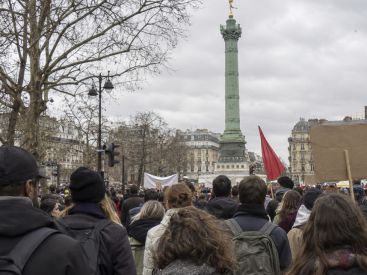
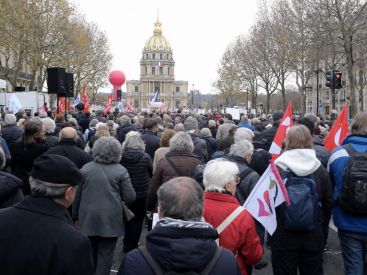
Not nearly enough. The CFDT was calling for an extra €100 net per month, and the CGT for around €150, or a 10% increase. CGT general secretary Sophie Binet denounced the announcements as mere “crumbs” and called for continued mobilization, according to Boursorama (AFP). Another day of strikes and demonstrations has already been announced for November 17.
On the employers’ side, concerns center on the cost of pay increases and the reform of social security contribution cuts. The government is also due to meet with public-sector unions on November 13 to discuss pay.
To put these announcements into perspective, you can revisit our article on the previous increase, Minimum wage hike, sales begin, baccalaureate exams: what’s changing in June 2026, as well as our roundup of what changed in January 2026 in France and Île-de-France. And to enjoy the capital without breaking the bank, our guide to free and affordable things to do in Paris on a budget is one to keep handy.
This page may contain AI-assisted elements, more information here.