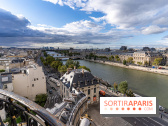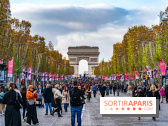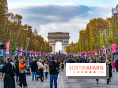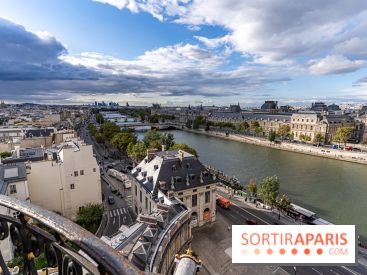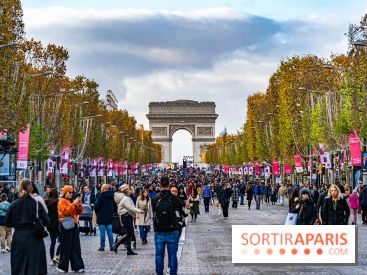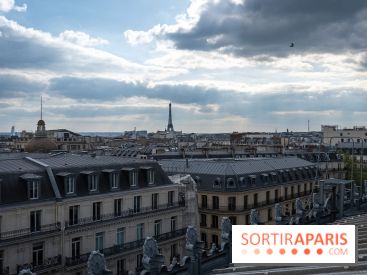
Six places, one shared goal: greener, calmer and more beautiful. That’s the promise of Paris’s new socialist mayor, Emmanuel Grégoire, who has pledged to transform six Parisian squares across the capital. On his radar: the Place de la Concorde (8th), the Place d’Italie (13th), the Trocadéro (16th), Stalingrad (19th), Gambetta (20th), and the Place de la République (3rd, 10th, 11th). An ambitious project, in step with the work begun under Anne Hidalgo, but with an explicit aim to avoid certain past mistakes.
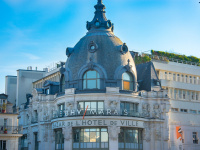
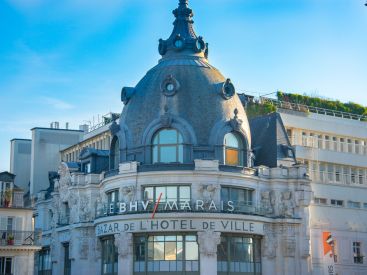
For several years, the City of Paris has been pushing urban transformations to curb car traffic, green the public realm, and raise residents’ quality of life. Under Hidalgo’s tenure, roughly a dozen squares have already been redesigned: the forêt urbaine of the Hôtel de Ville, the revaluation of the Daumesnil fountain, and the recent renovation of Place du Colonel Fabien in the 10th arrondissement. These projects have sometimes sparked controversy, notably around Bastille, whose new circulation layout still divides opinion, or Gambetta, already renovated in 2019 and yet again on the works timetable.
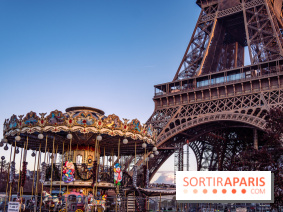
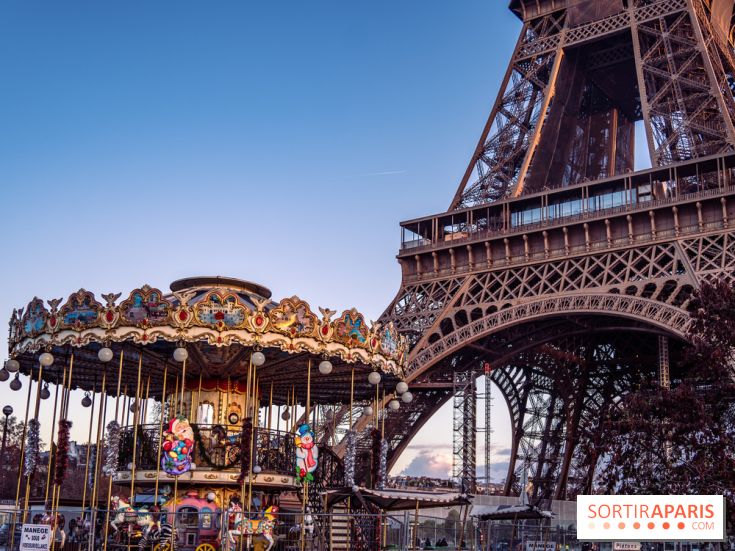
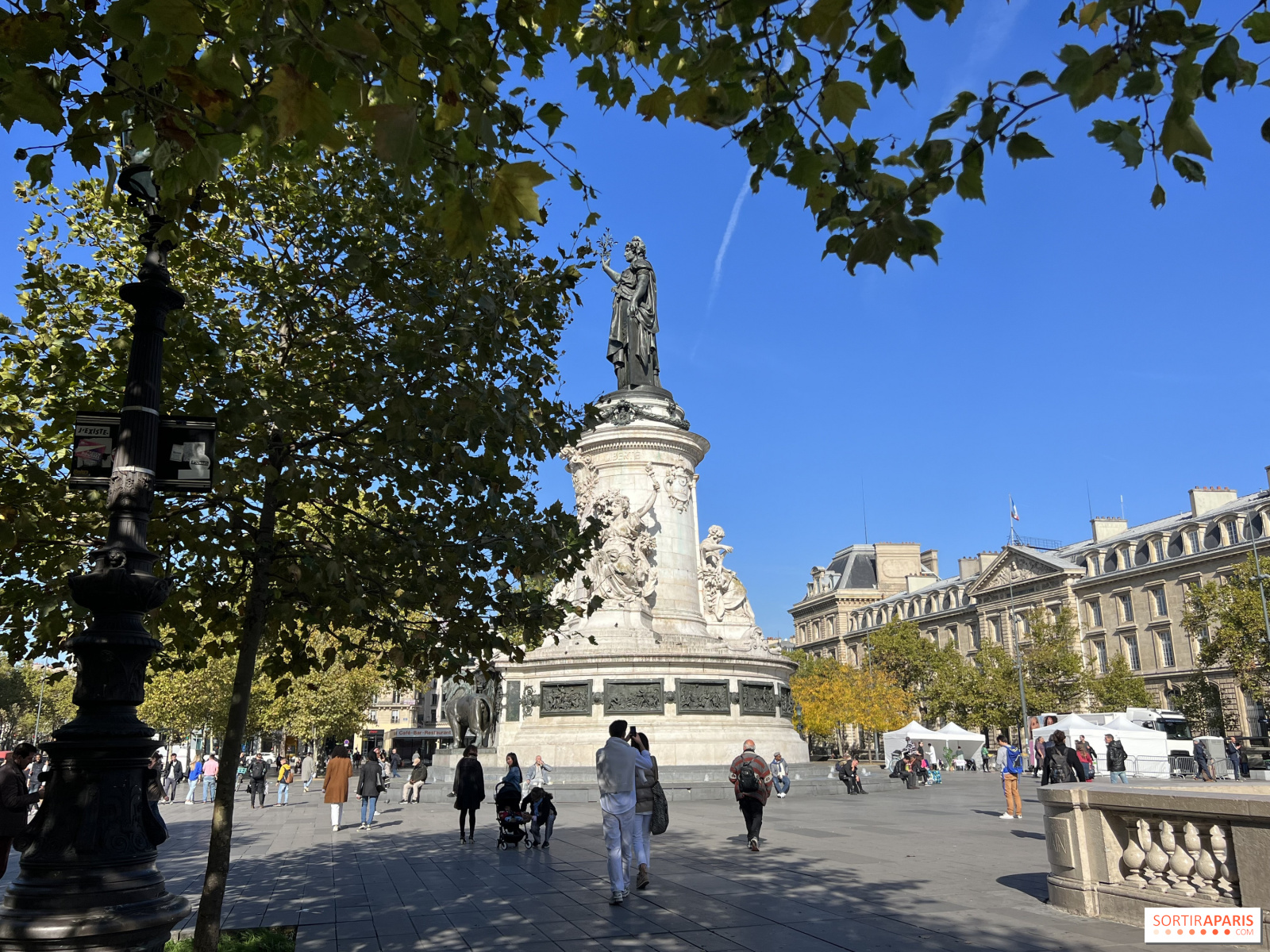
For each of the six squares selected, direction and shape are beginning to emerge. Le Parisien lays out what is being considered. On the Place de la Concorde, talk centers on the return of the moats, a move that would reconnect it with its original state. The Trocadéro would, for its part, be partially pedestrianized, to enjoy the view of the Eiffel Tower more and fight less with traffic. At Place d'Italie, the prevailing idea is to remove the paving stones to create a more walkable surface. Stalingrad would gain breathing room by opening up more to the bassin de la Villette, restoring a strong link with the canal. Finally, Gambetta and République, already redesigned in 2013, should both see more greenery, a long-held demand from residents for years.
The question is legitimate. Paris is gaining experience, but also receiving mixed feedback from users. Emmanuel Grégoire says he wants to learn from previous terms to avoid repeating the same mistakes. Concretely, that means broadening consultation with residents and neighborhood associations, and paying special attention to the smooth flow of movement, whether on foot or by bike. Because while the core aim remains the same (fewer cars, more greenery), the approach must evolve to win broader support from Parisians.
These projects fit into a broader vision of the Paris of tomorrow, where public spaces function as social hubs as much as transit routes. A compelling chapter of the city’s urban story remains to be written, and we’ll be watching these construction sites closely.
So, what do you think?
This page may contain AI-assisted elements, more information here.