One of the announcements that set the tone for Paris's 2026 municipal campaign. Elected to head the City Hall on March 22, Emmanuel Grégoire (PS) wants to radically reshape how Parisians get around by bus. His flagship project: create a network of 15 express bus lines across Paris, with fully dedicated lanes, absolute priority at traffic lights, and a higher frequency of service. A pledge that directly affects the millions of RATP users who daily ride the capital’s main arteries.
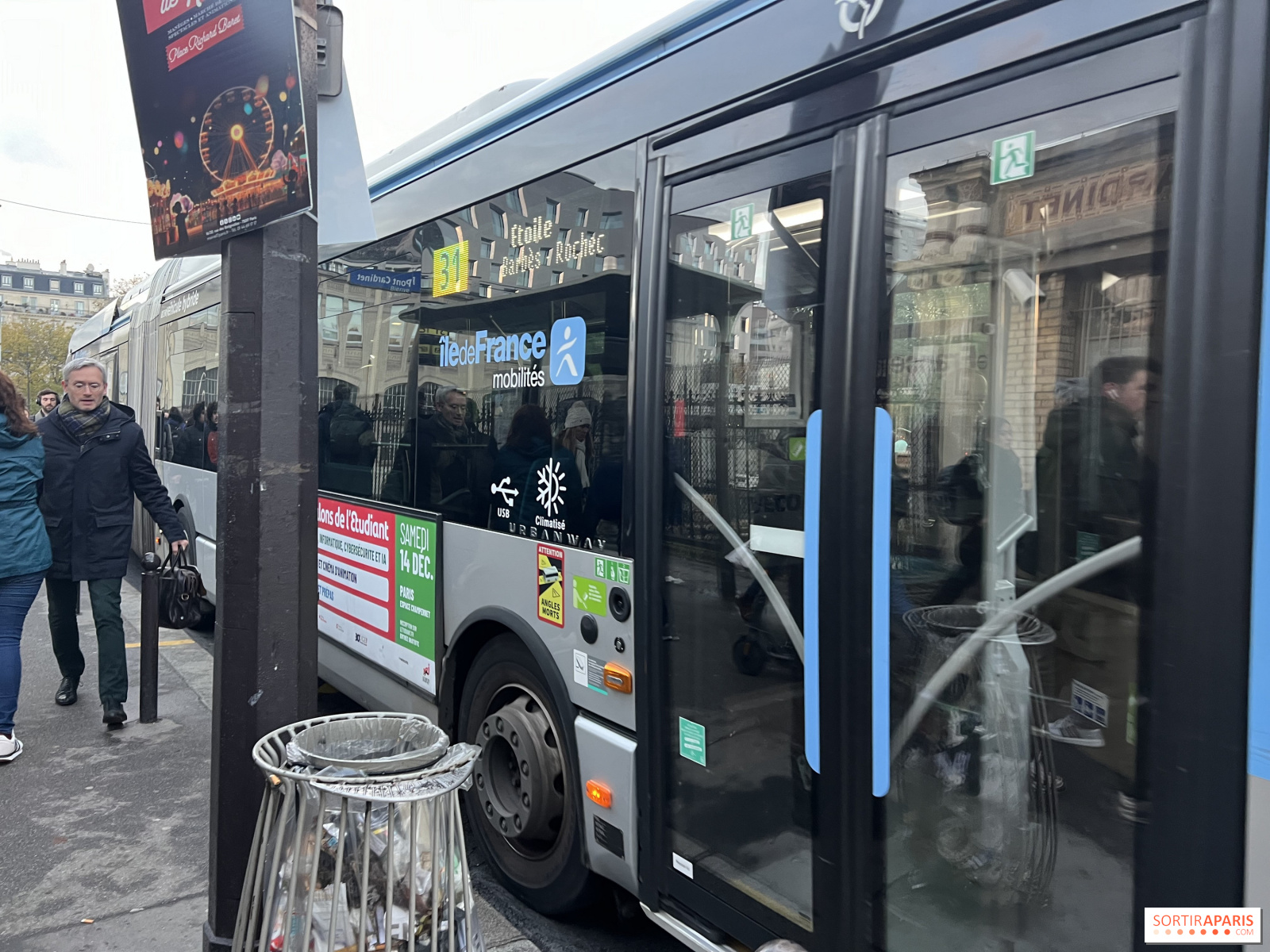
The idea is easy to grasp, even if turning it into reality will be tougher. The new mayor proposes converting the city’s 15 busiest bus corridors into express lanes, with fully dedicated lanes, a secure route and top priority at intersections, reinforced by video surveillance to ensure compliance. In practical terms, only buses and taxis would be allowed to use these lanes. Cars that creep in would be kept out in theory, preventing slowdowns for everyone.
The announced goal is bold: a bus every five minutes at peak times on these 15 transformed routes. For anyone who has waited for a 91 or a 38 on Boulevard Saint-Michel on a Monday morning, the prospect will be enticing. The plan still doesn’t specify which lines would be prioritized. We’re waiting for the new municipal administration to unveil the exact list, probably among the RATP routes busiest in the Paris network.
What’s clear is that the plan builds on a model already piloted on a smaller scale in the capital. Paris has had bus lanes along certain corridors for years, but adherence varies across neighborhoods. The novelty lies in systematic video enforcement, which would automatically penalize offenders, as is already done for certain infractions in low-traffic zones.
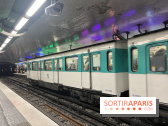
This express bus project doesn't stand alone. It forms part of a broader vision for Parisian mobility promoted by the new municipal administration. Emmanuel Grégoire also plans to gradually test the 24/7 opening of the three automated metro lines (1, 4 and 14), with enhanced security. The announcements respond to a long-standing demand from night-time riders, workers on irregular hours, and night owls.
For cyclists, the push to roll out cycle lanes on every one of Paris’s two-way streets is on the agenda, along with doubling the number of bike racks. Paris already has more than 1,500 km of cycling infrastructure, but some areas remain underserved, particularly in the western part of the city.
This project is aimed at all users of the Paris public transport network, especially those who ride the bus daily and endure chronic delays during peak hours. One caveat: between the campaign pledge and the concrete rollout, the timeline remains unclear. Officials hope the rollout will be gradual and done in close consultation with the operators.
The exact bus routes targeted by the scheme have not yet been made public by the town hall. We’ll stay tuned for more details to come.
This page may contain AI-assisted elements, more information here.