The resurgence of Covid-19 is taking shape in France this autumn 2026. According to the latest figures from Santé publique France, SOS Médecins consultations for suspected Covid-19 have jumped by 76 % in a week. In Paris and in Île-de-France, where more than 12 million residents live, the indicators are also on the rise.
No need to panic just yet. Levels remain comparable to, or even lower than, those of previous years for the same period. But the virus is still here, and a map now lets you visualize the most affected departments.
For epidemiologist Antoine Flahault, quizzed by actu.fr, the situation leaves little doubt: this is clearly a new epidemic wave. Like a tide that slowly rises before it becomes visible to the naked eye, the virus first signaled itself where we weren’t looking.
Indeed, the first signals appeared in the eaux usées. The SUM’Eau surveillance network, run by Santé publique France, monitors 54 treatment plants across the country. By Monday, September 21, 2026, the virus concentration there had risen slightly since the end of August, and the trend continues.
Why does this indicator matter so much? Because the virus is shed partly in feces, so upticks in wastewater often precede those seen in patients, regardless of how many tests are conducted.
If the chart doesn't load, you can view it by clicking here.
Difficult at this stage to predict the scale of this wave and its impact. However, we can identify where Covid-19 is circulating in France. The interactive map below, published by actu.fr using data from Santé publique France, lets you pinpoint the départements where the virus is most present. Simply hover over or tap your department to display the figures.
If the map isn't loading, you can view it here.
In Île-de-France, the signal is particularly clear. According to the latest epidemiological briefing from Santé publique France, picked up by Affiches Parisiennes, the concentration of the virus in wastewater in the Île-de-France area has reached levels not seen since October 2024.
The surveillance network covers stations serving Paris, as well as the inner and outer suburbs. Between September 14 and 20, 2026, emergency department visits for suspected Covid-19 rose across all age groups in the region. The levels are approaching those recorded during the same period in 2024 and 2025.
Nationwide, SOS Médecins logged 390 additional suspected-Covid-19 consultations during the week of September 14–20, 2026—a 76% jump from the week before, across all ages.
On the emergency front, data from the OSCOUR network show a 16% uptick among children (+25 visits) and a 67% rise among adults (+204 visits) from one week to the next. In both cases, Santé publique France notes that these indicators remain at levels that are comparable to or below those of previous years.
There’s no call for alarm. According to Antoine Flahault, the population remains broadly well protected against the more severe forms of the disease. The epidemiologist expects a wave similar to the late-2025 one, which passed without incident.
Unlike influenza, COVID-19 isn’t really seasonal. Its many mutations let it slip past our immune defenses more easily, which explains why it keeps returning to the forefront.
Some groups remain more exposed to complications, hospitalizations and deaths. This includes the elderly, whose immune defenses weaken with age, and people who are immunocompromised due to illness or treatments. For them, heightened vigilance is needed now, and authorities are urging a rapid booster vaccination.
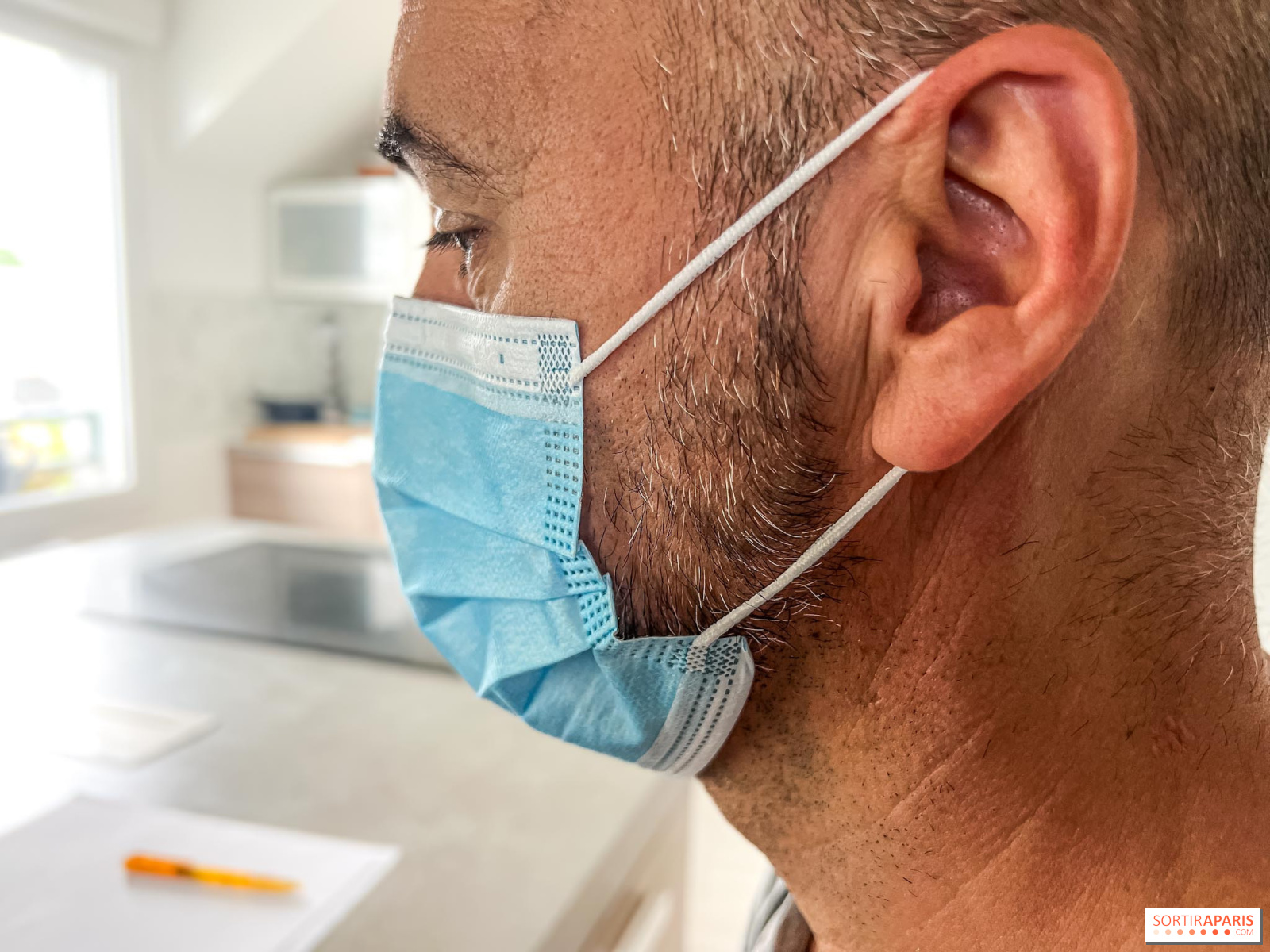
For those at risk, Antoine Flahault advises wearing an FFP2 mask in enclosed spaces and on public transport while awaiting a booster vaccination. In the metro, the RER, or the bus during rush hour, the guidance is especially relevant.
For everyone, these protective measures still matter: wash your hands regularly, ventilate rooms, and wear a mask if you have symptoms to protect those around you. Official guidance can be found on the Santé publique France website.
As noted in a briefing from the Health Authority, the 2026-2027 vaccination campaign for Covid-19 and influenza will launch on October 13, 2026. It is primarily aimed at people aged 65 and over, those who are vulnerable, and their caregivers. To find out if you’re eligible, the simplest step is to discuss it with your doctor or your pharmacist.
This page may contain AI-assisted elements, more information here.