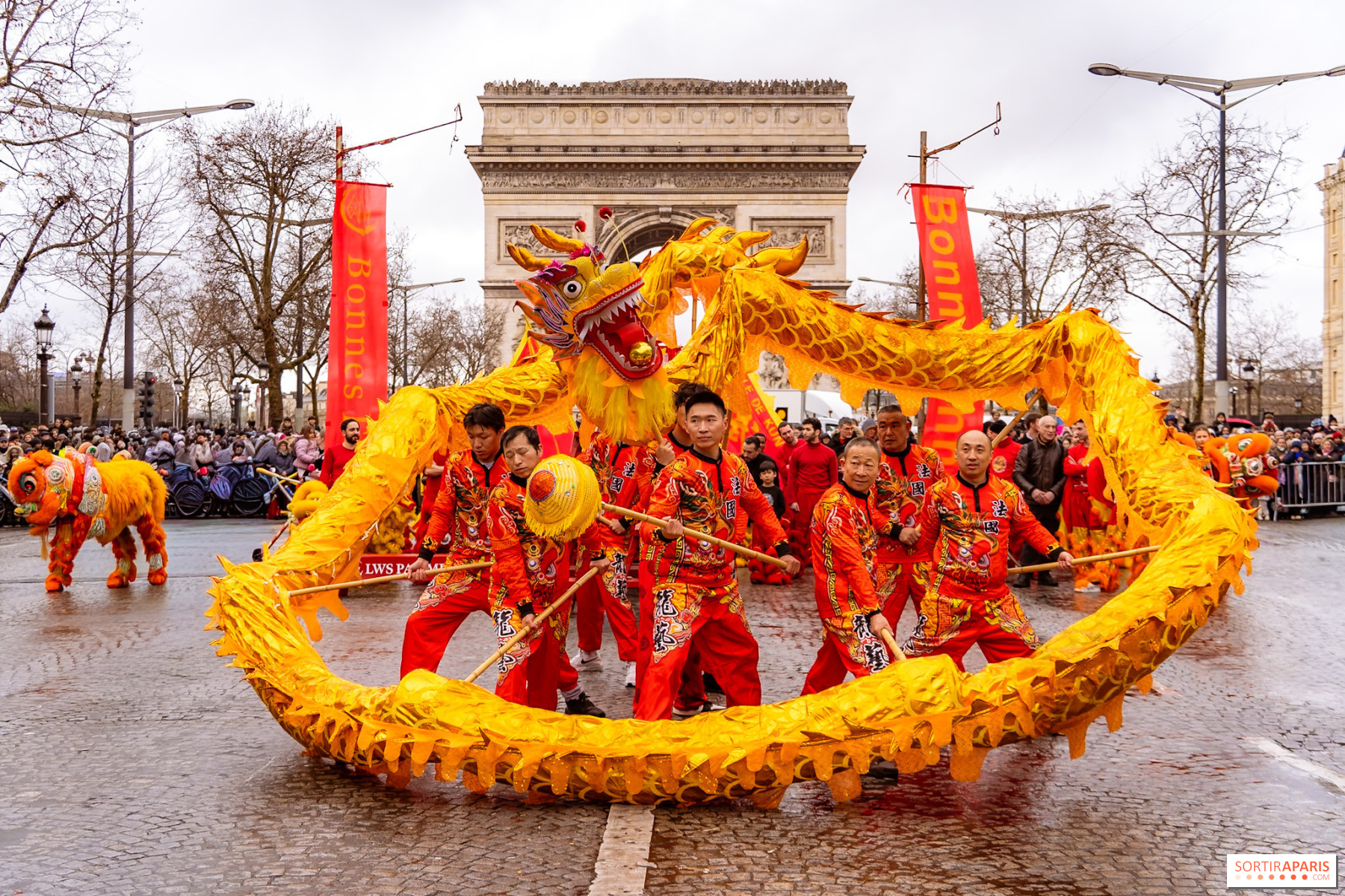
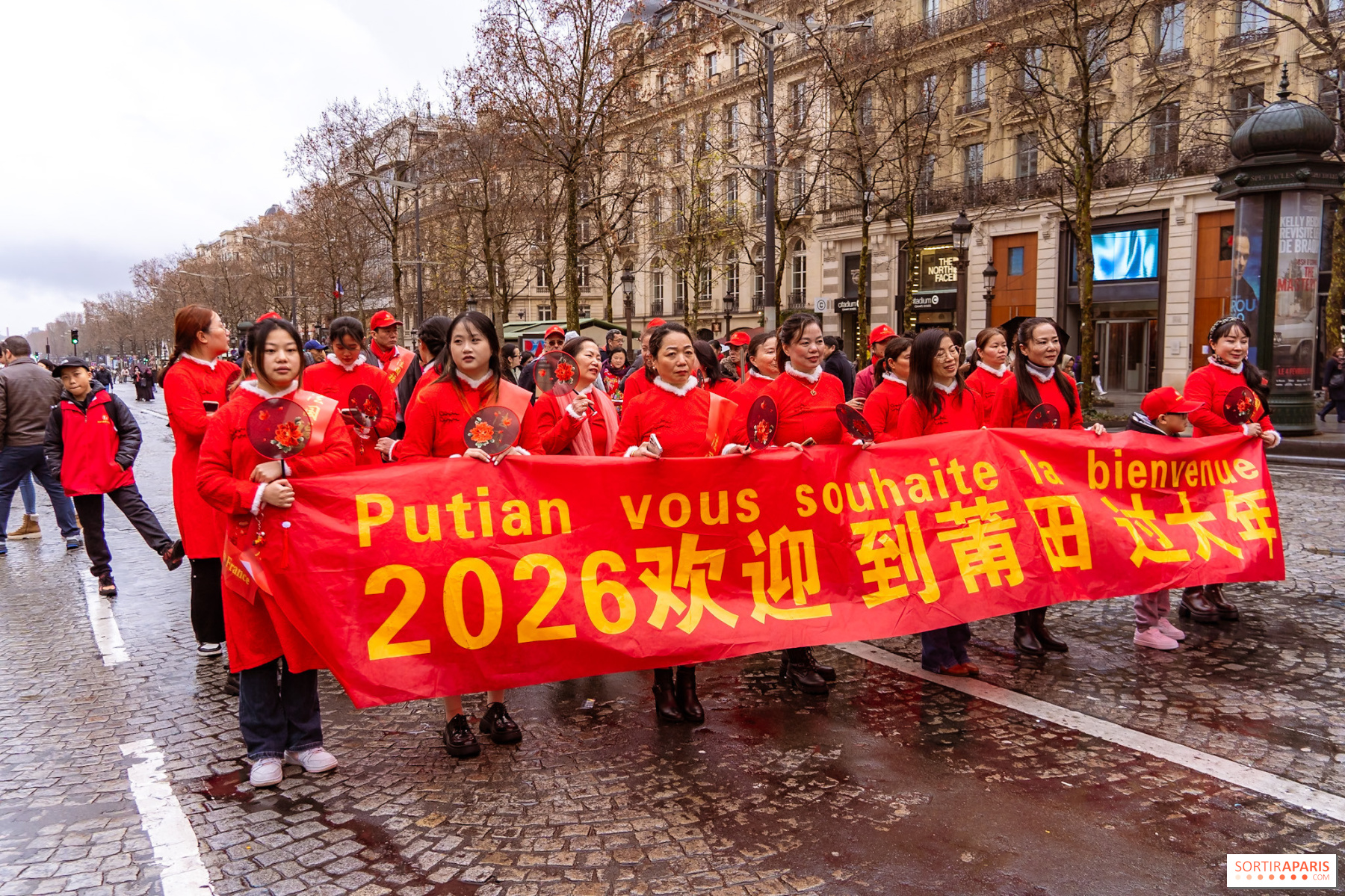
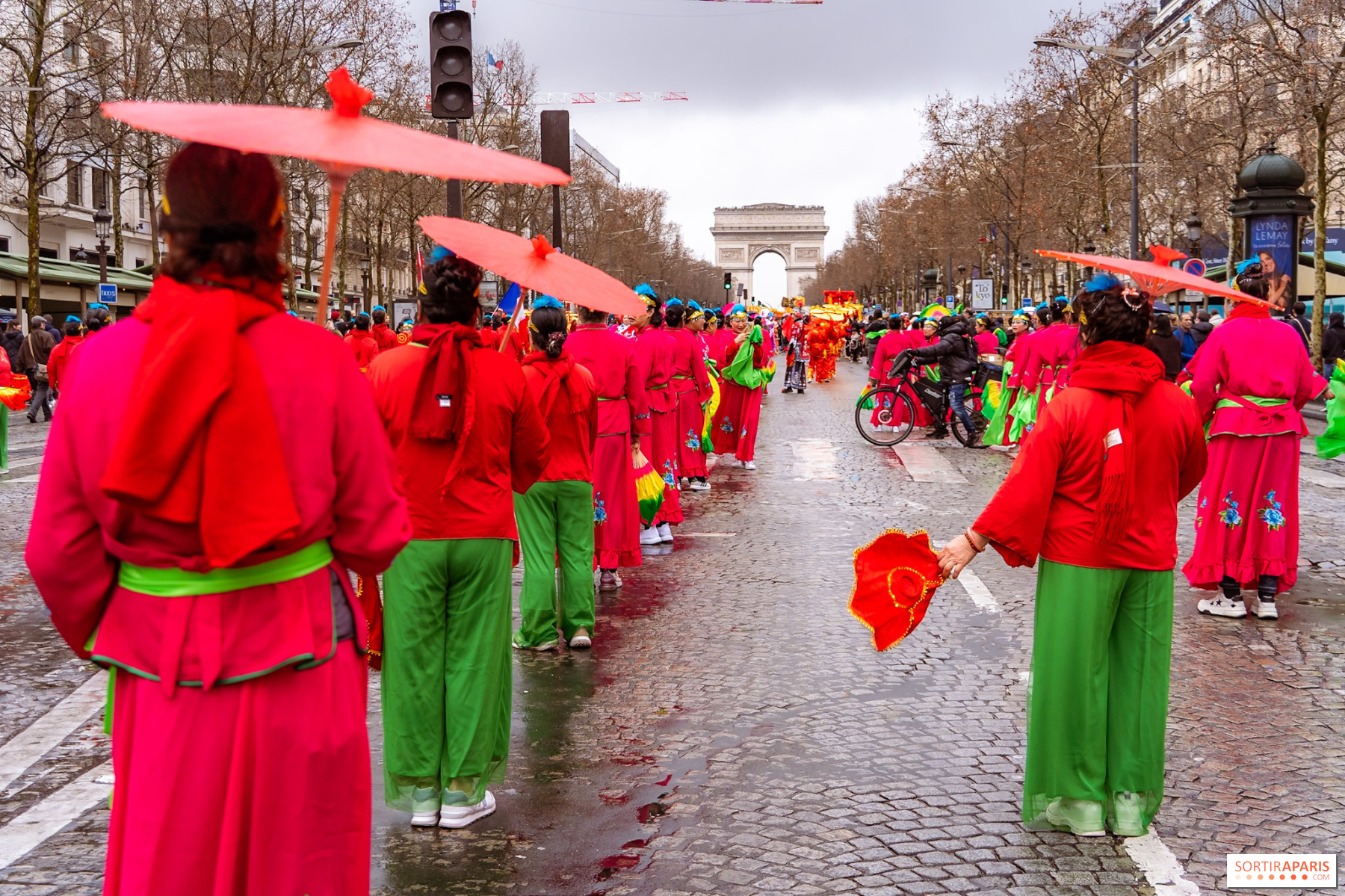
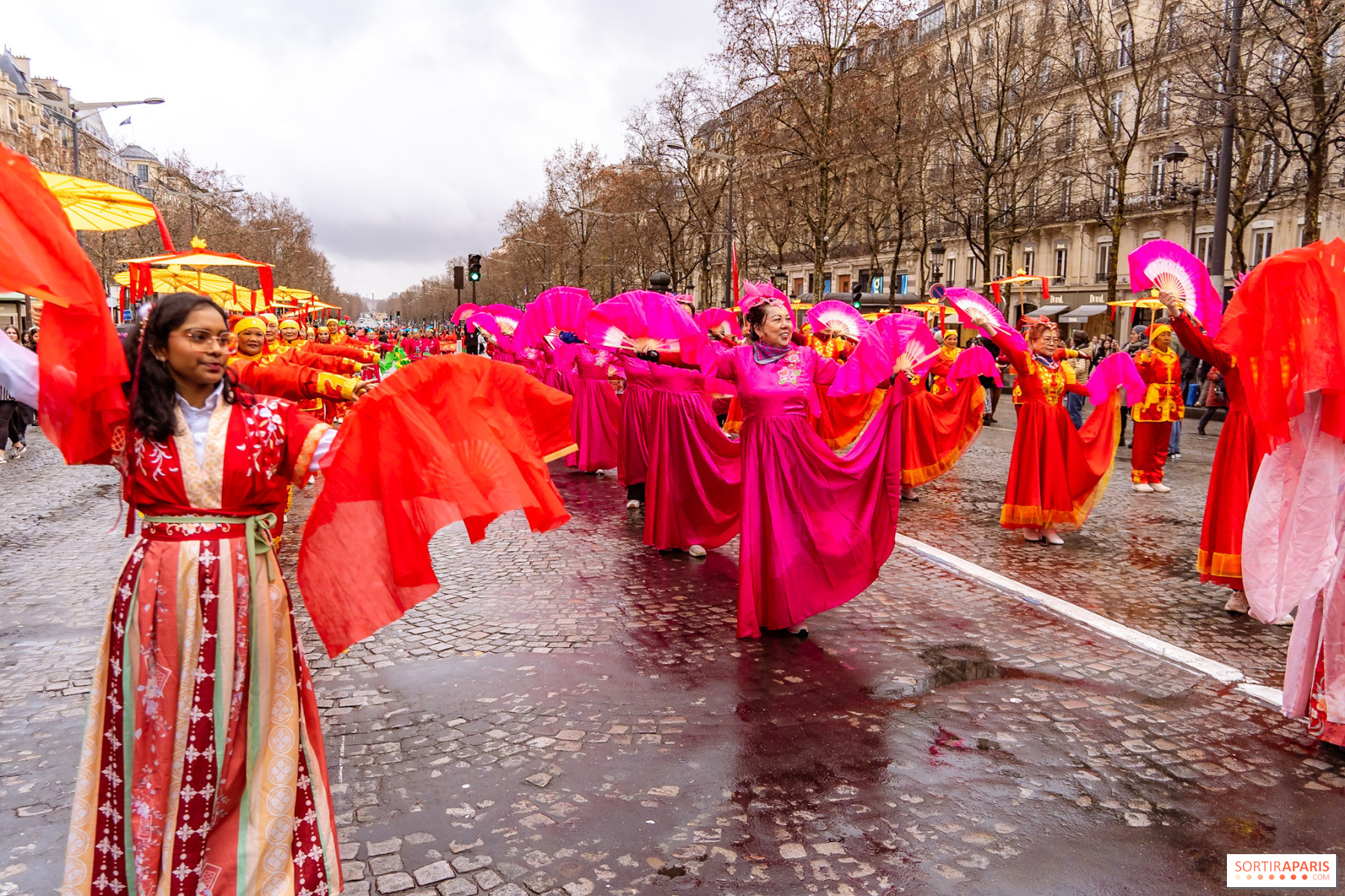
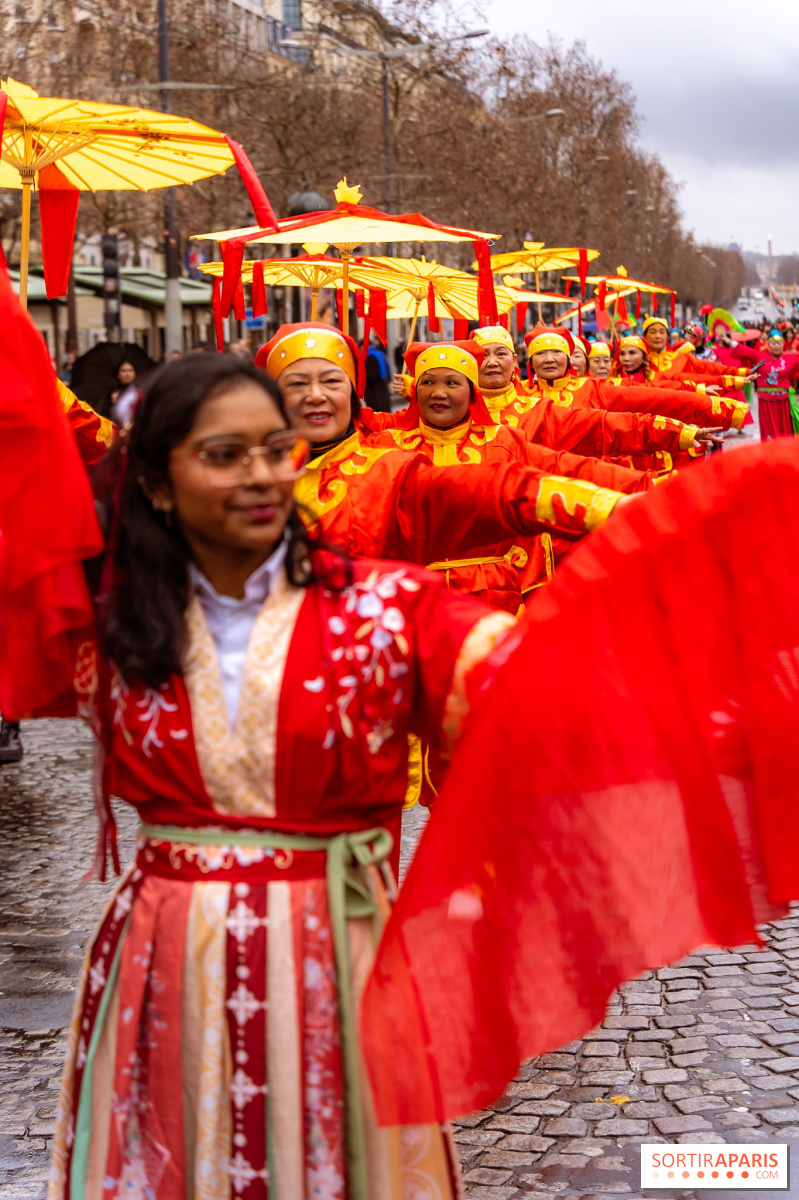
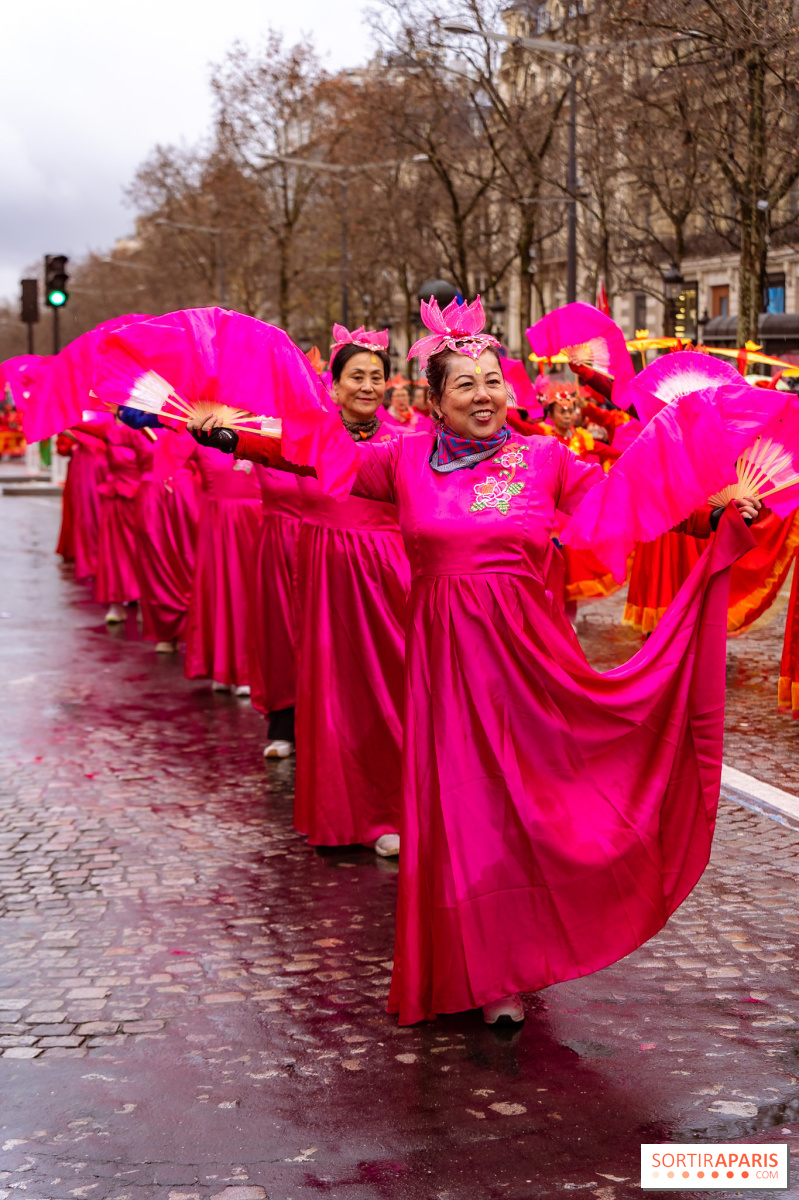
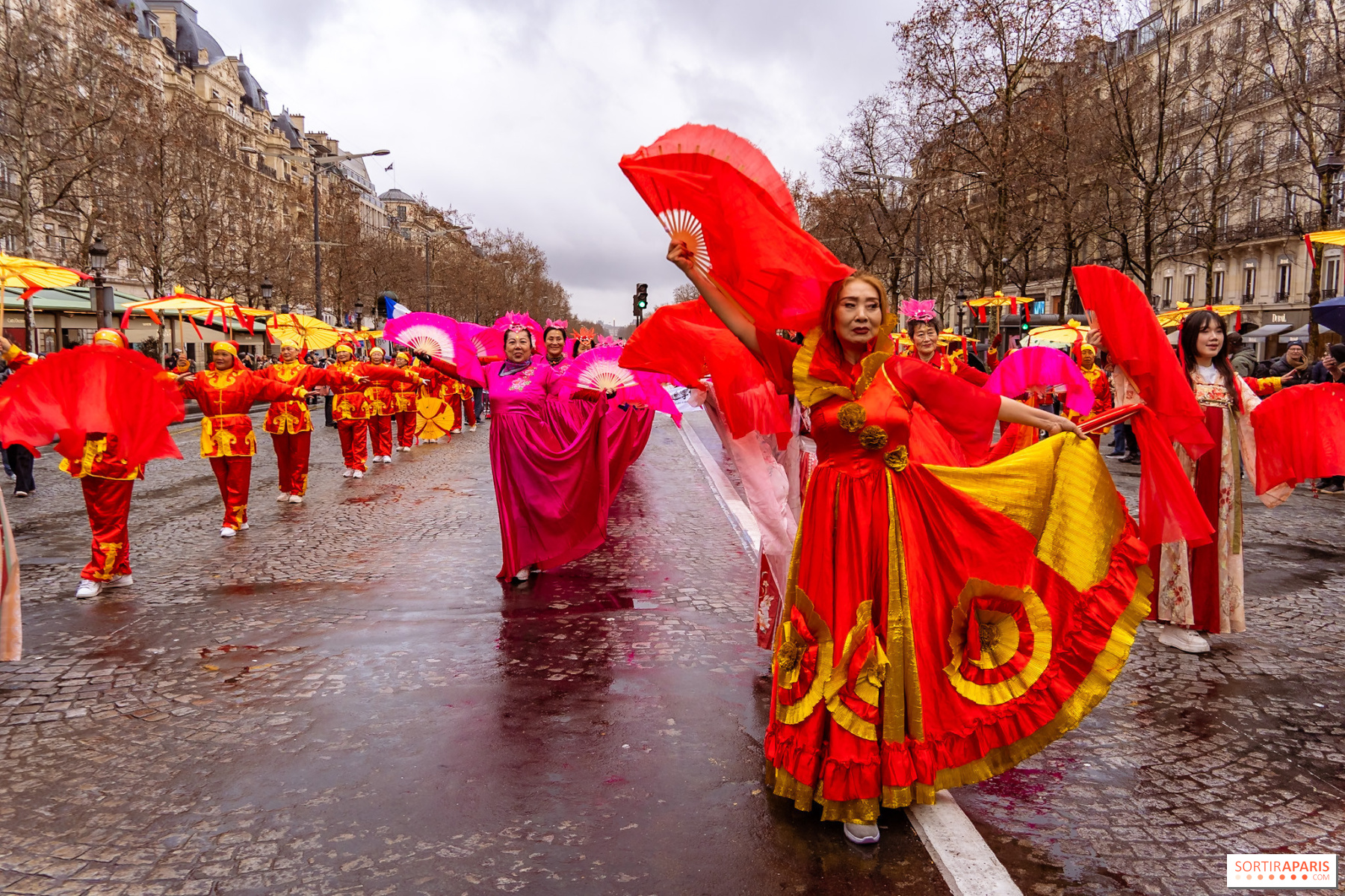
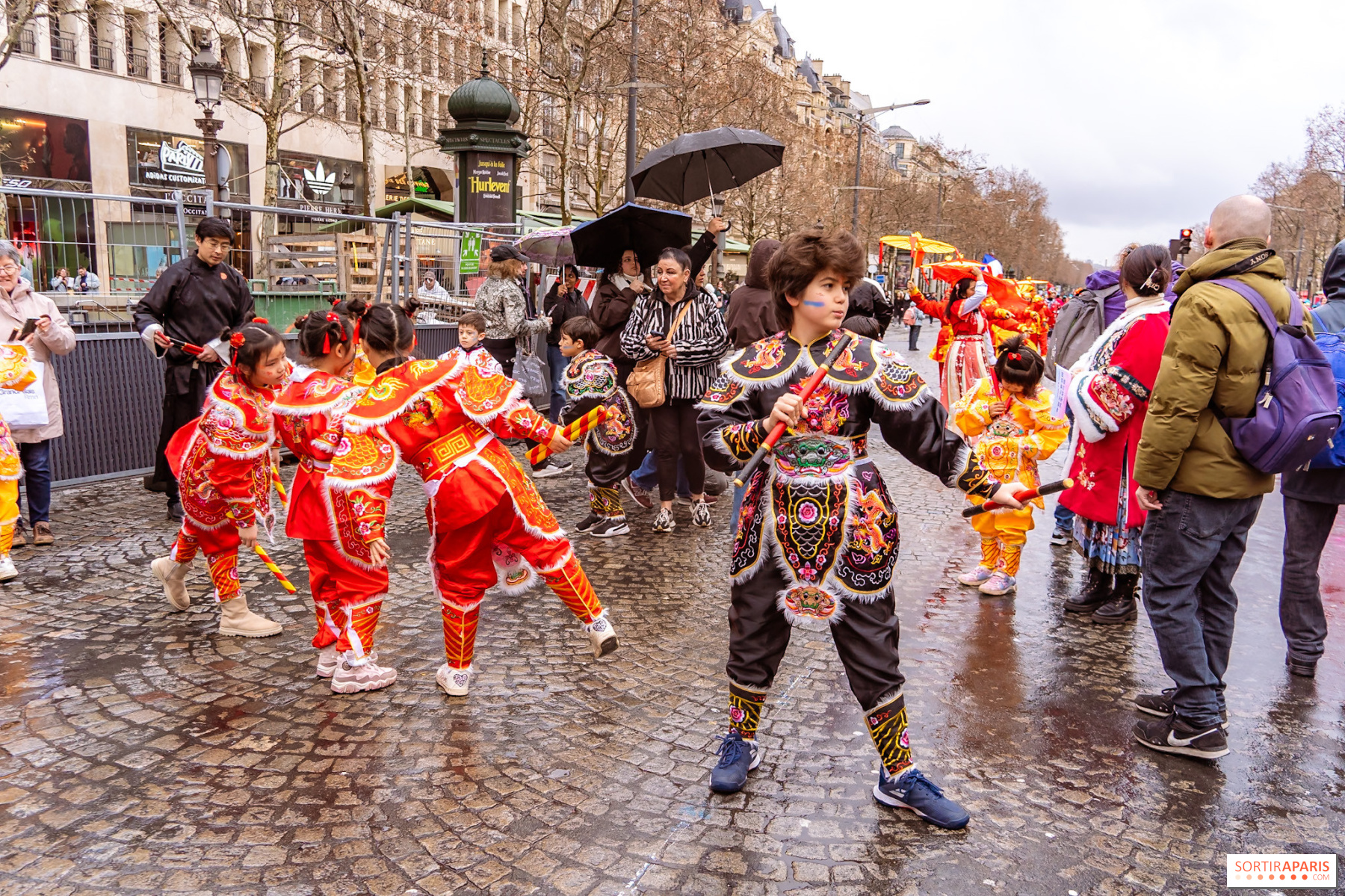
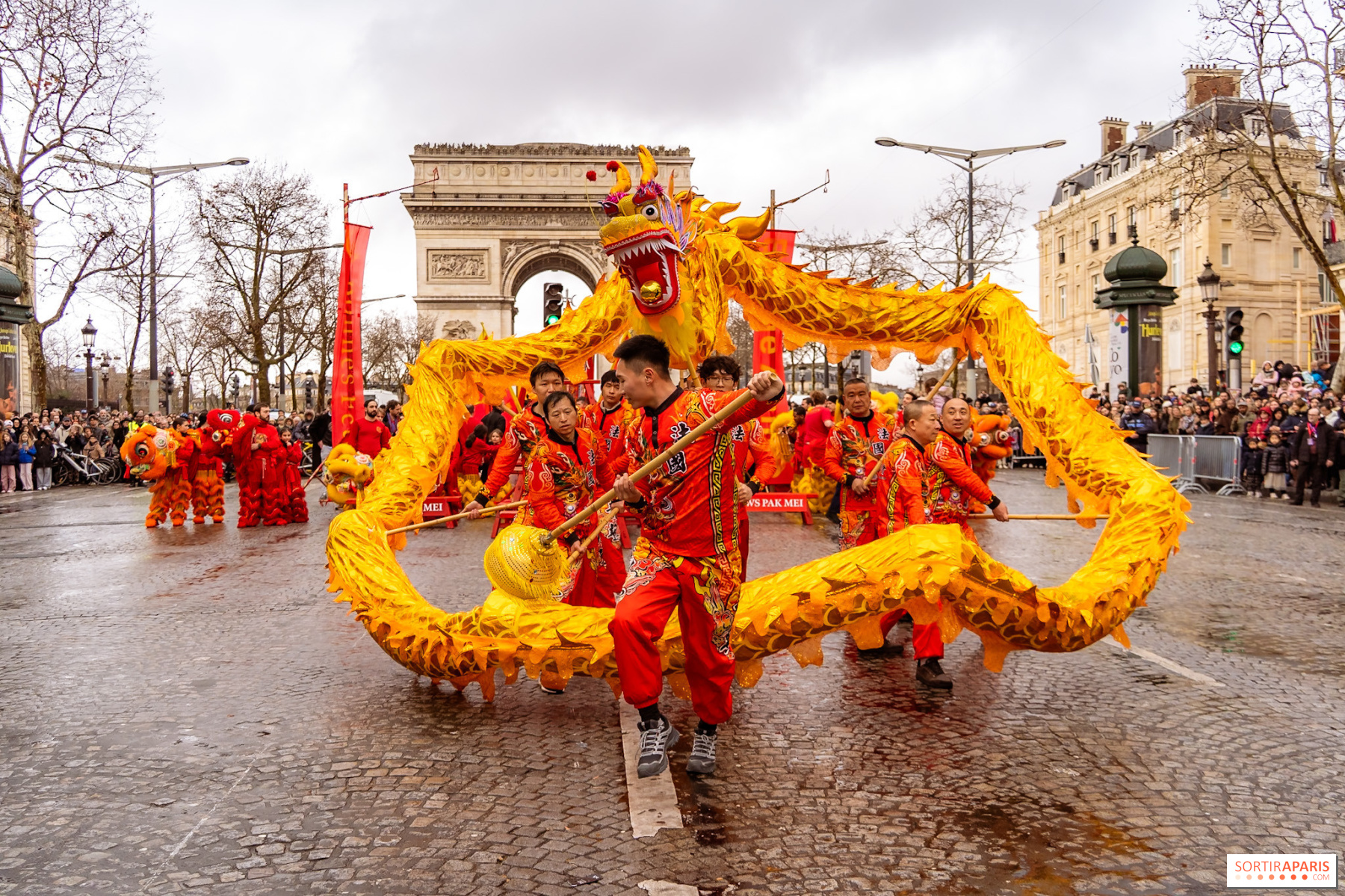
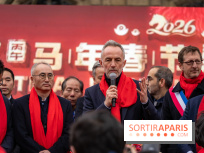
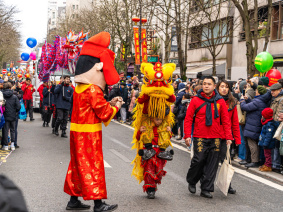
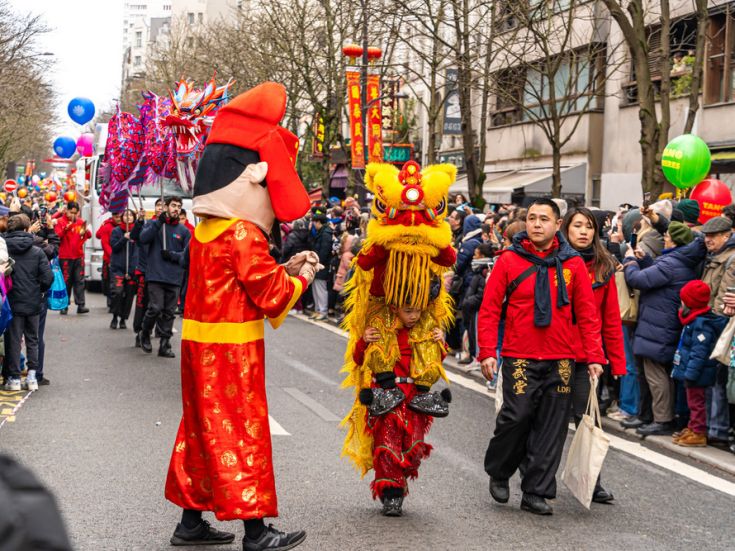
The Chinese New Year parade on the Champs-Élysées 2026 took place on Sunday, February 1st in the 8th arrondissement of Paris, marking the start of the . We made it a point to witness the spectacle firsthand, featuring 600 performers, 9 dragons, 15 lions, and, for the first time this year, two robots that made a surprising appearance in the parade. Despite the rain, this free event managed to create a lively, festive atmosphere all along the route.
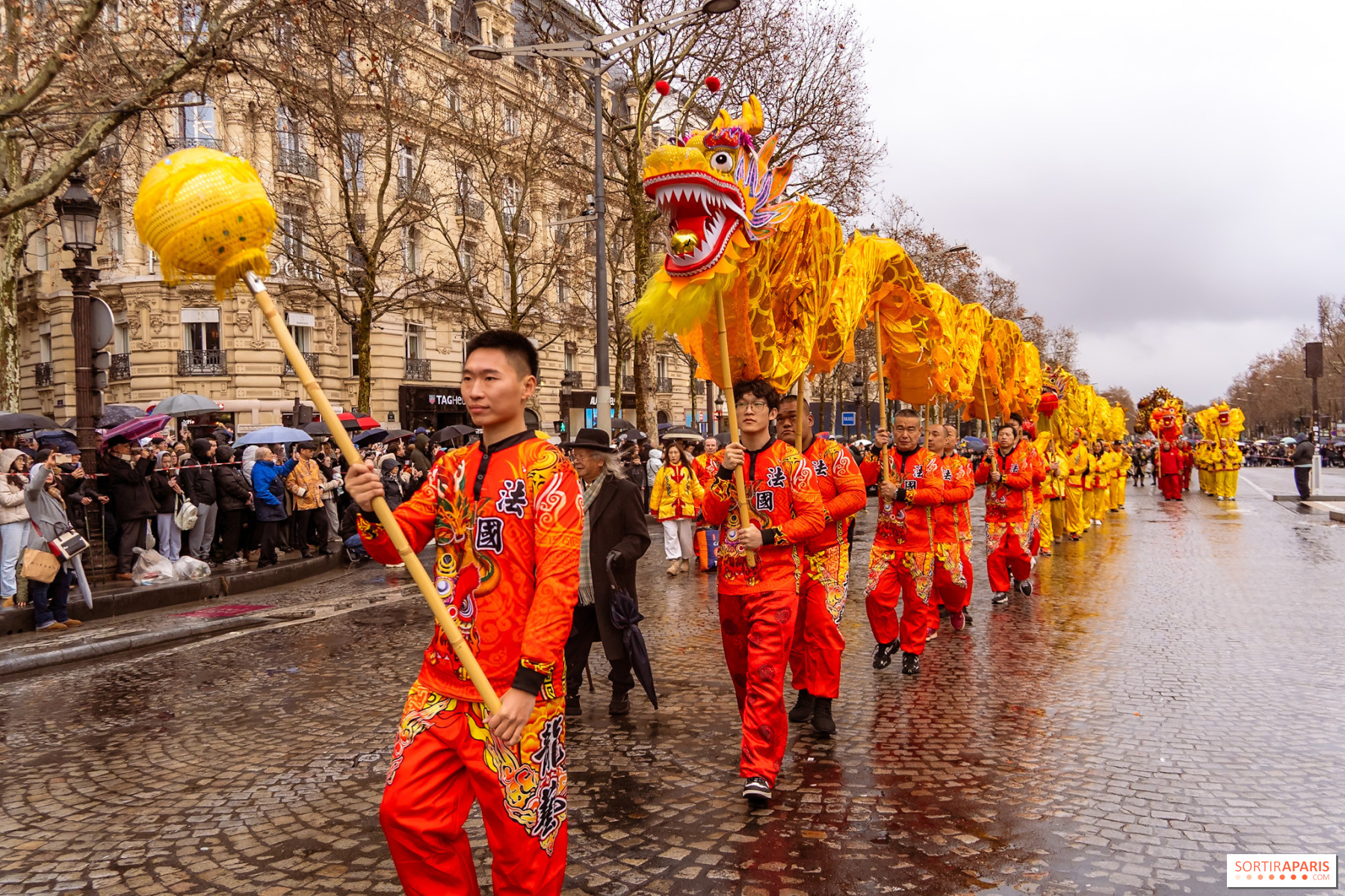
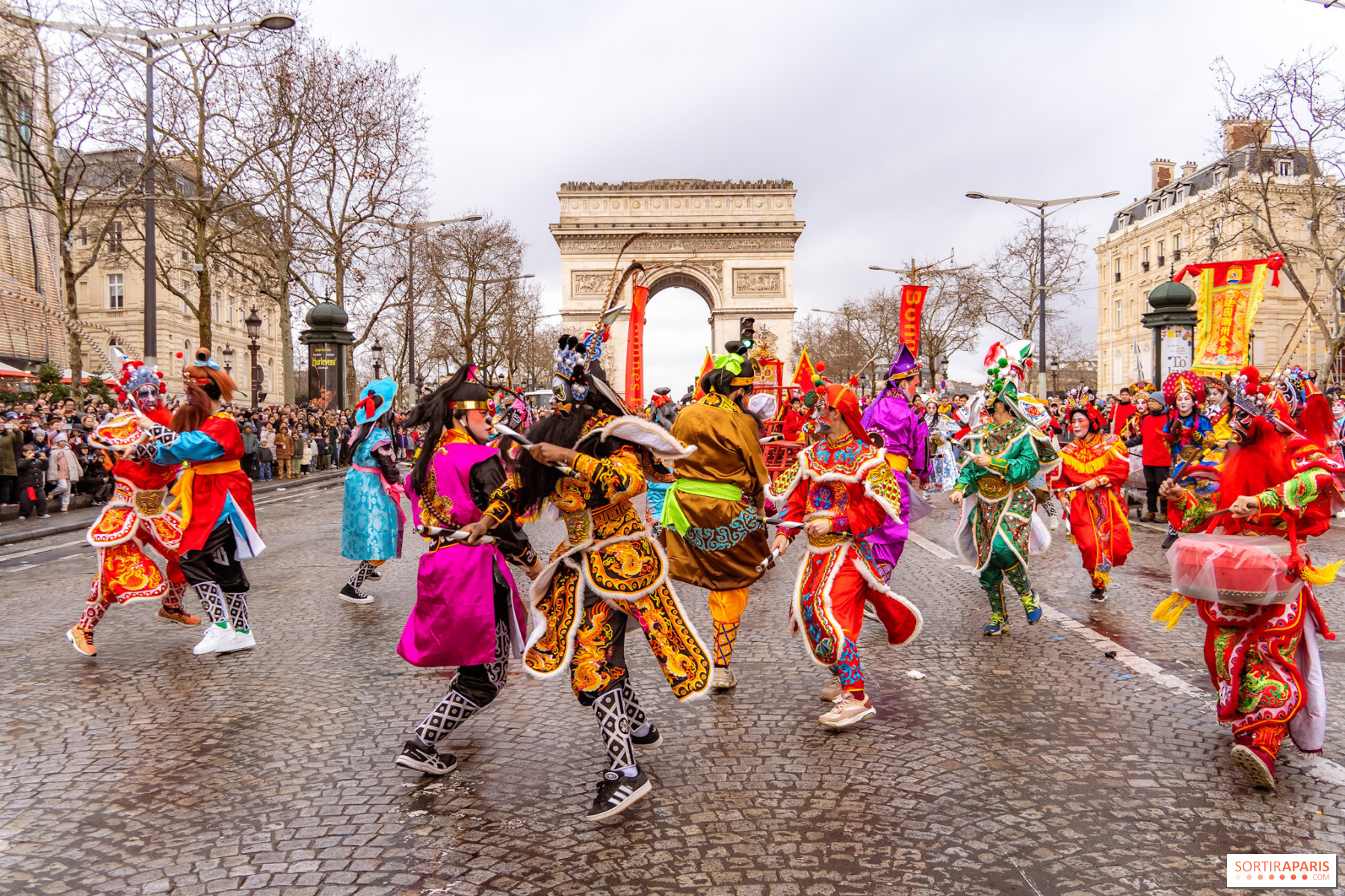
The parade set off shortly after 2 p.m. from the corner of Avenue George V, near Fouquet's. It headed up the Champs-Élysées all the way to the Arc de Triomphe, where the main dance performances were taking place, before continuing along the avenue in a loop. A light drizzle accompanied us for part of the procession, but honestly, it didn’t really spoil the festive atmosphere. Spectators lined the route in large numbers, braving the weather with their umbrellas and raincoats. Various groups paused in front of the Arc de Triomphe, giving us the perfect opportunity to enjoy the show and capture the moment on camera.
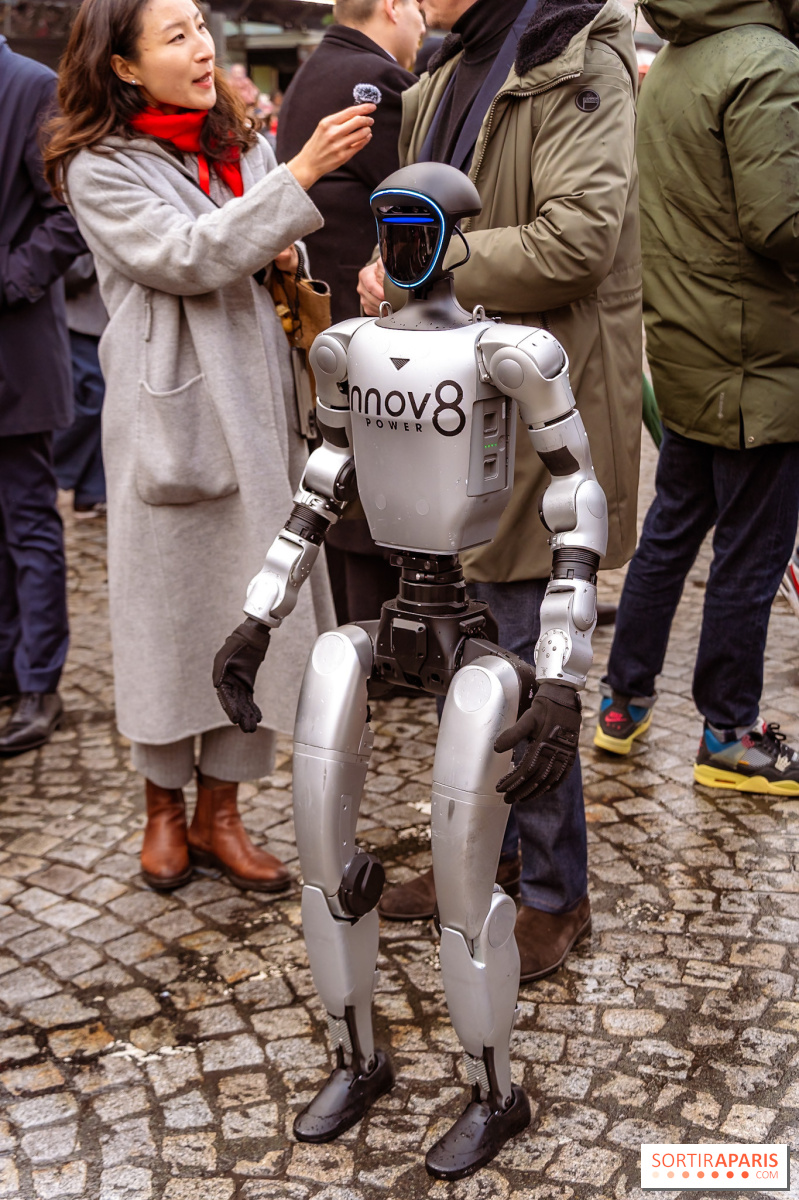
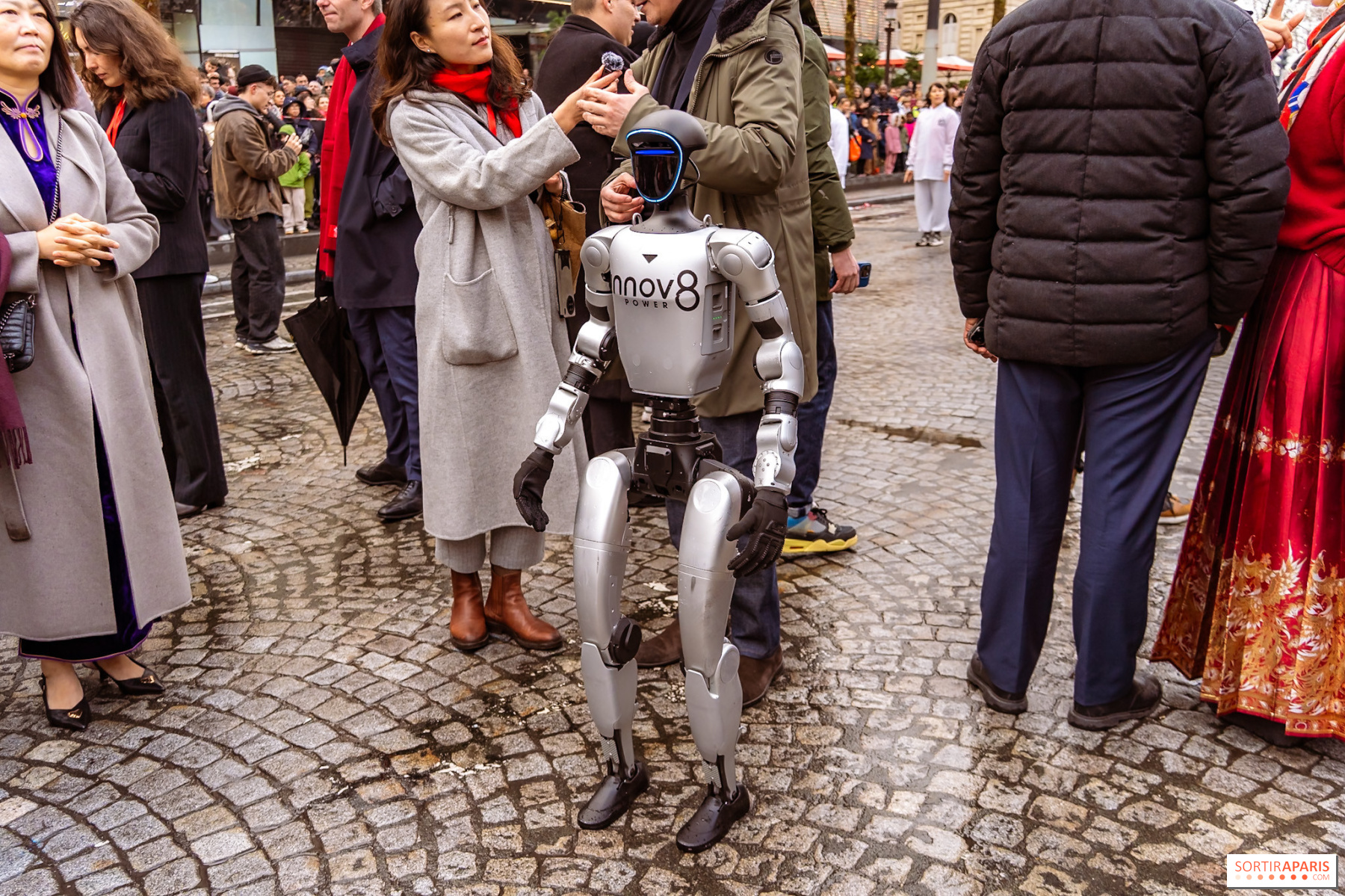
This is the highlight of the event, and they certainly didn’t disappoint. Two robots created by Unitree Robotics, the Chinese pioneer in quadruped and humanoid robotics, in collaboration with INNOV8 Power, made their debut just before the parade began. They greeted the crowd and interacted with spectators, creating a truly captivating moment. No one could miss them, and children especially loved watching their movements. This visual exchange between cutting-edge technology and centuries-old tradition made this edition truly unique.
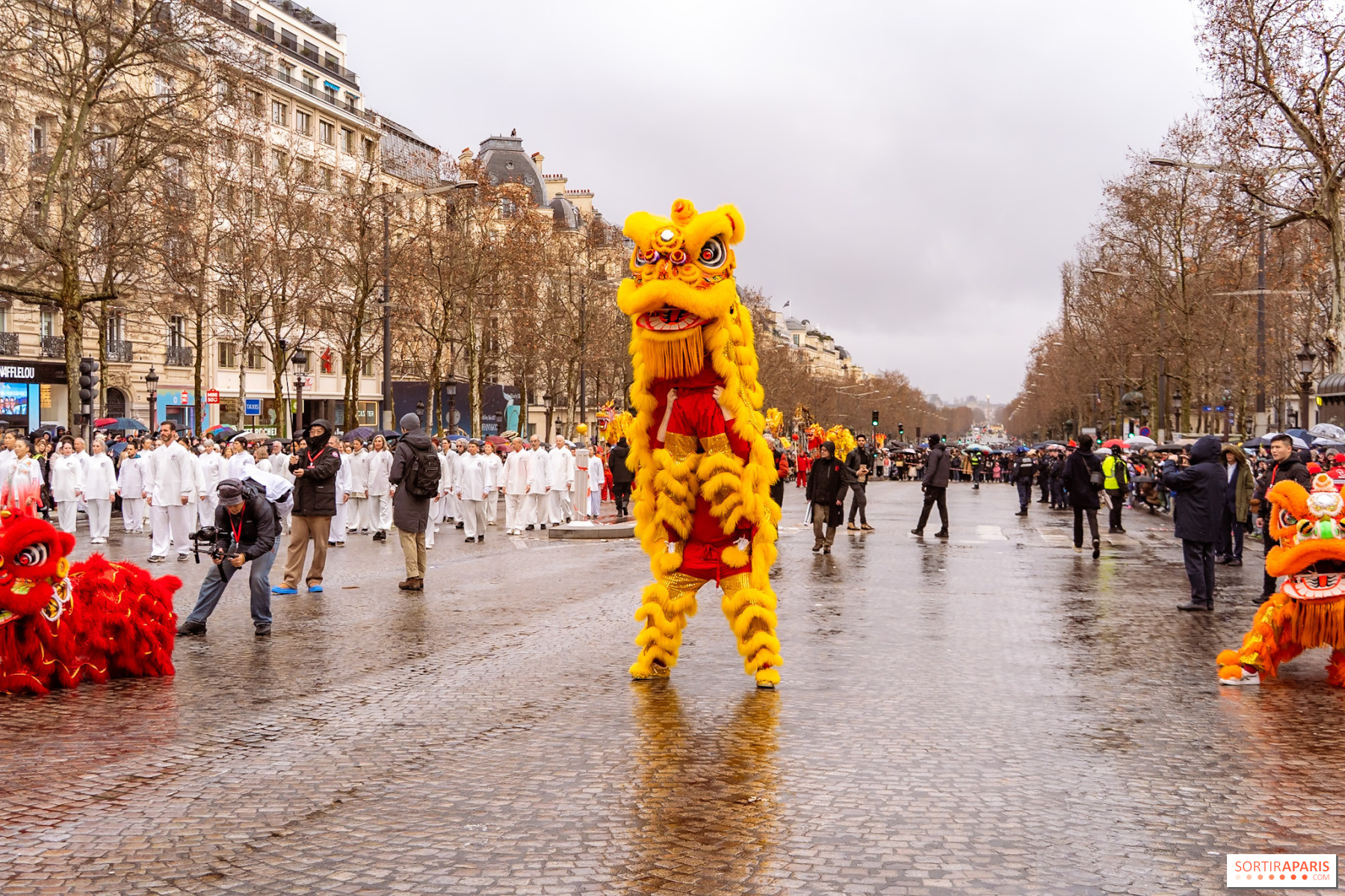
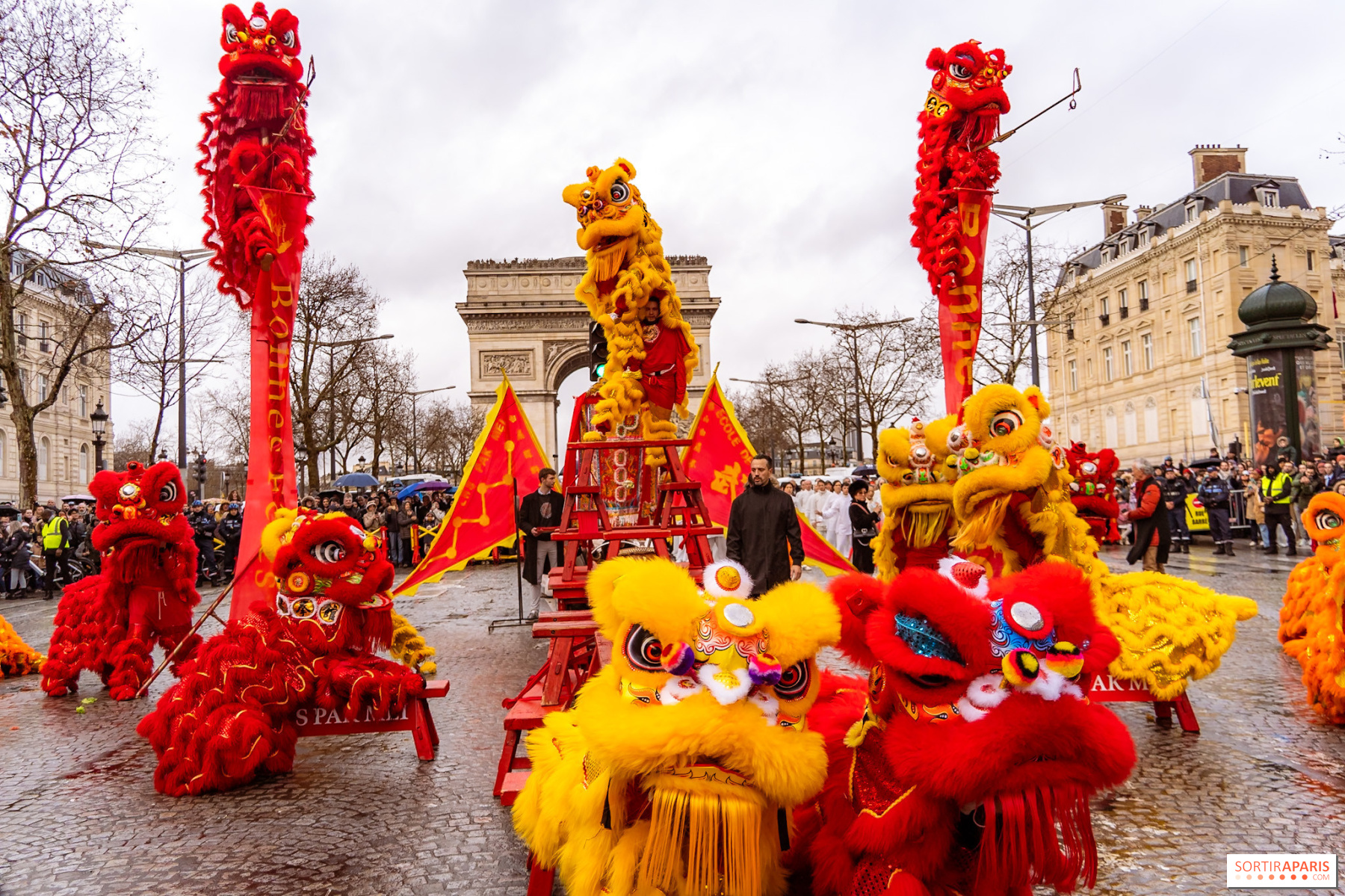
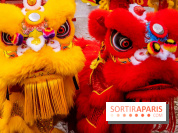
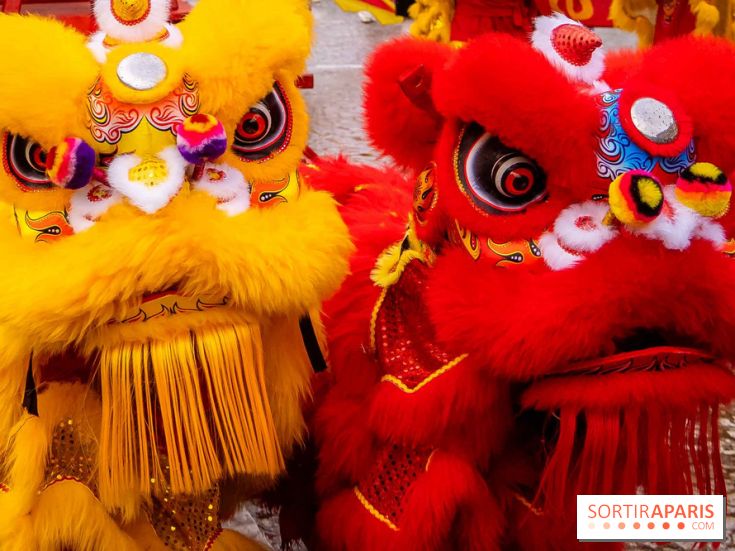
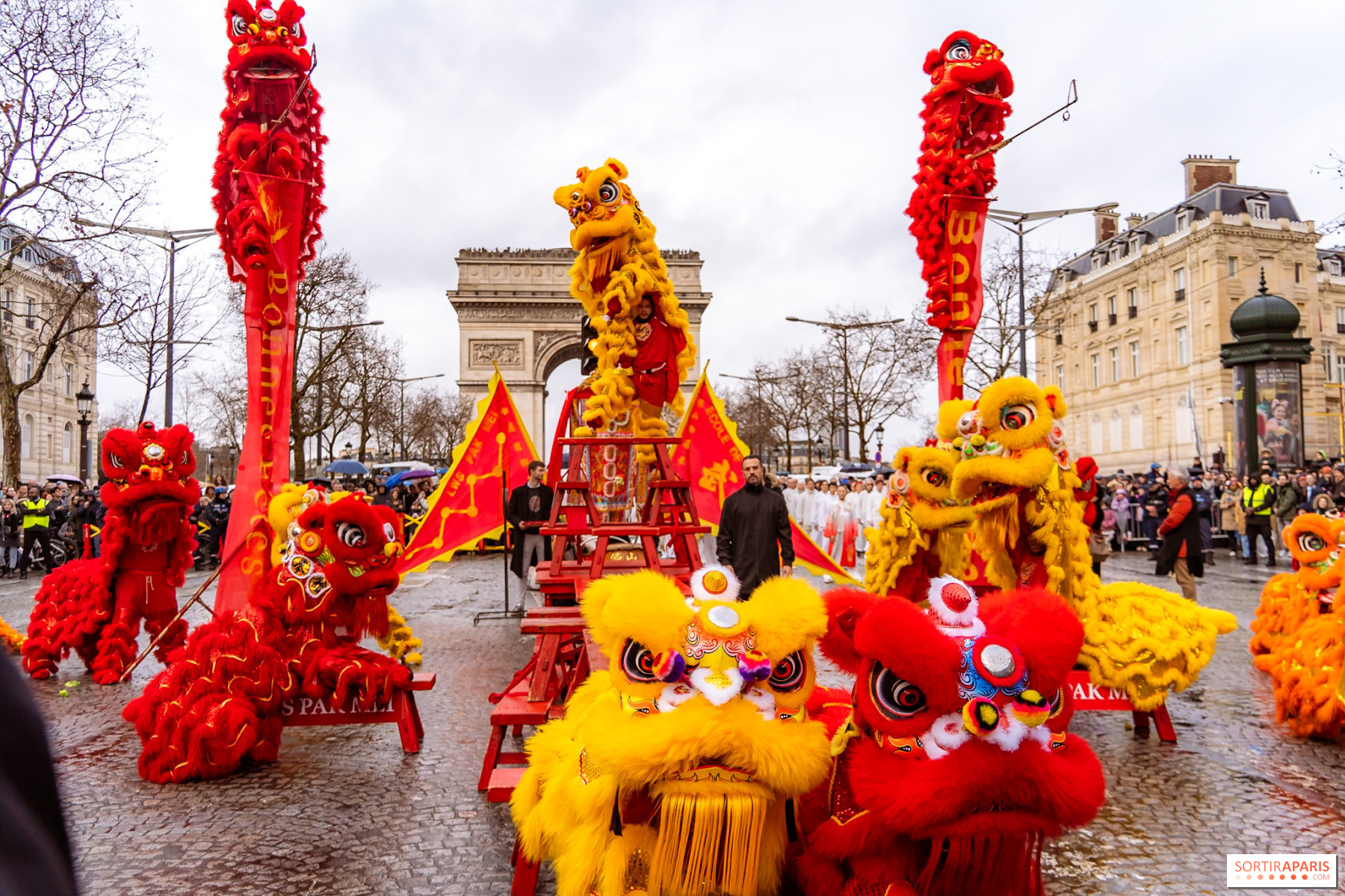
The lion dance was performed by the 15 lions from the LWS Pak Mei team, established in 2011 by Benjamin Colussi. The highlight of the show was the "Sacred Mountain," a structure made up of 16 benches spread across three tables and reaching a height of two meters, which was truly breathtaking to witness. Flanked by two five-meter poles, three lions leapt onto the structures with remarkable agility, creating a moment that sparked great excitement among the audience.
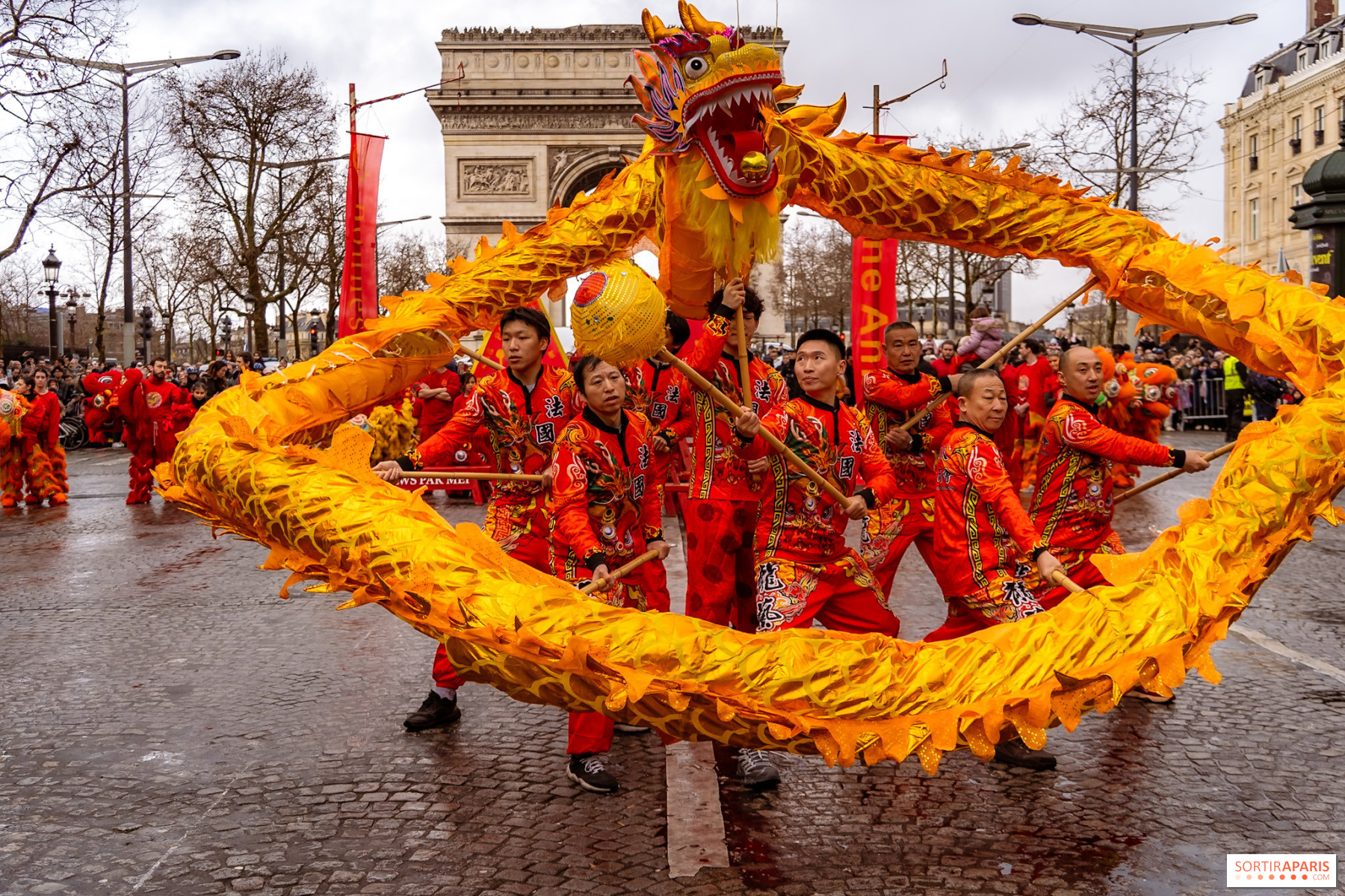
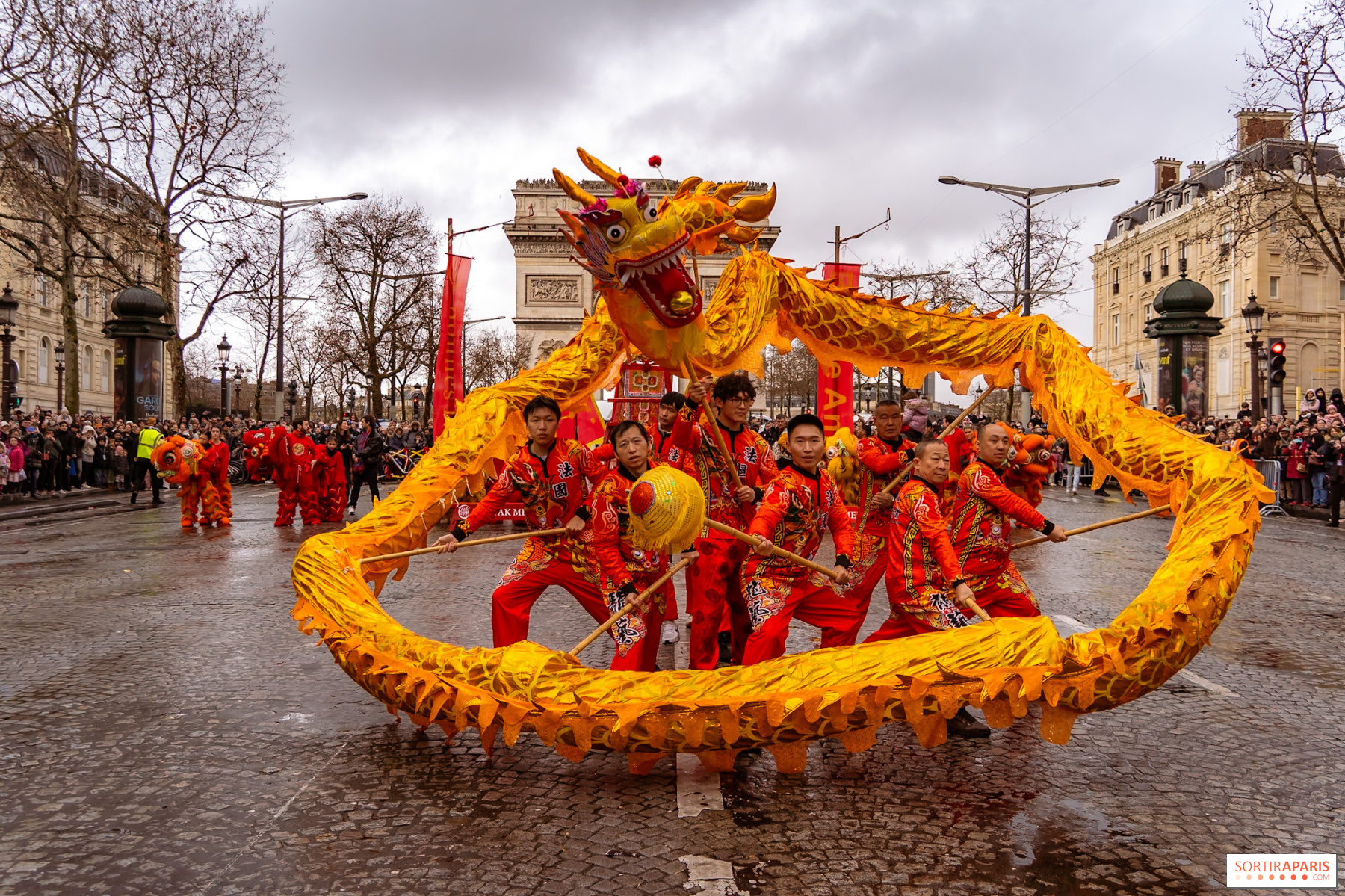
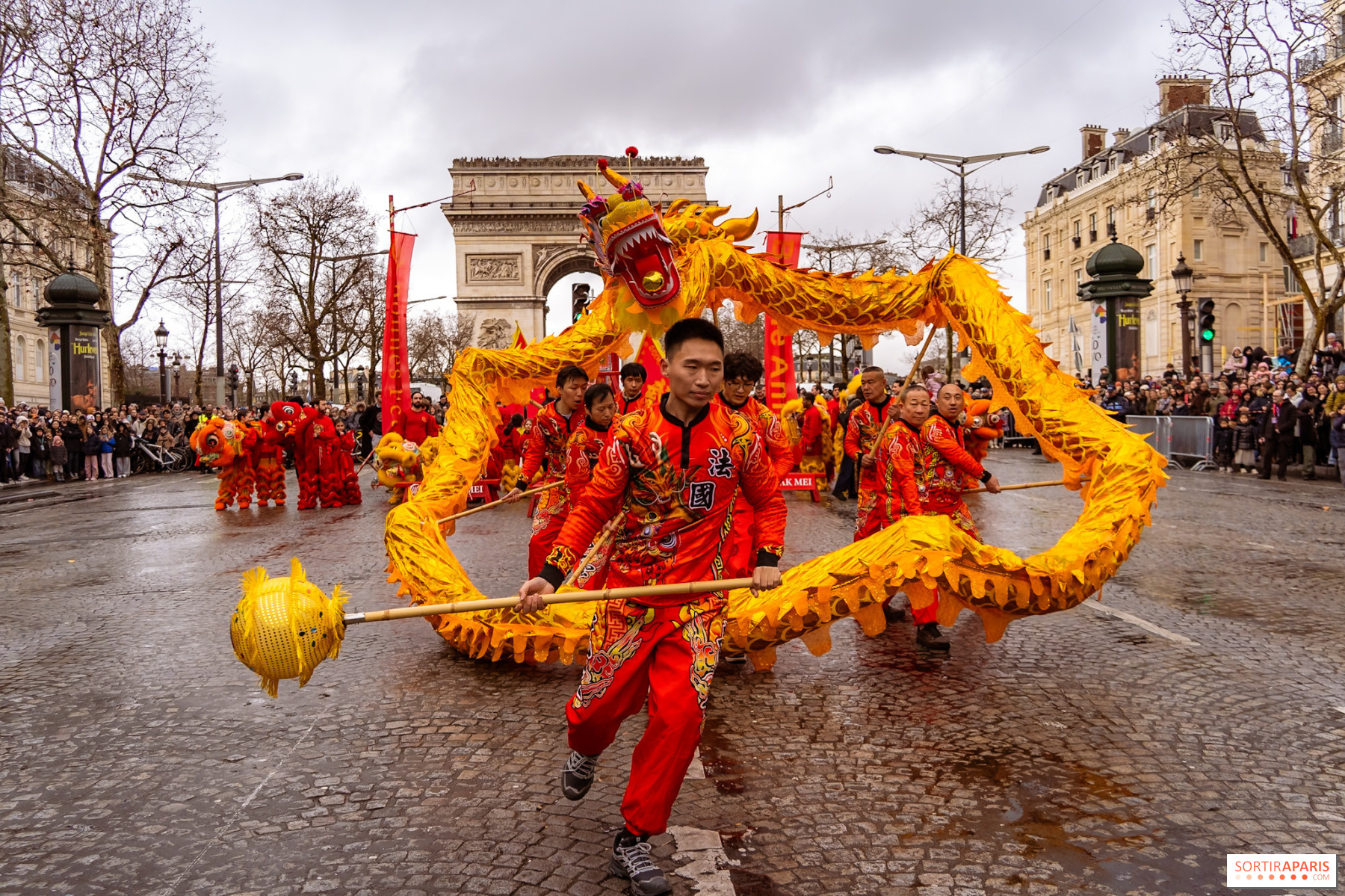
On the dragon front, the 9 giant dragons brought to life by performers from the ACDECF and Altervip created a vibrant, wave-like spectacle along the route. These creatures, symbols of luck and prosperity in Chinese culture, glided gracefully between the rain and the crowd, perfectly in sync with traditional percussion rhythms.
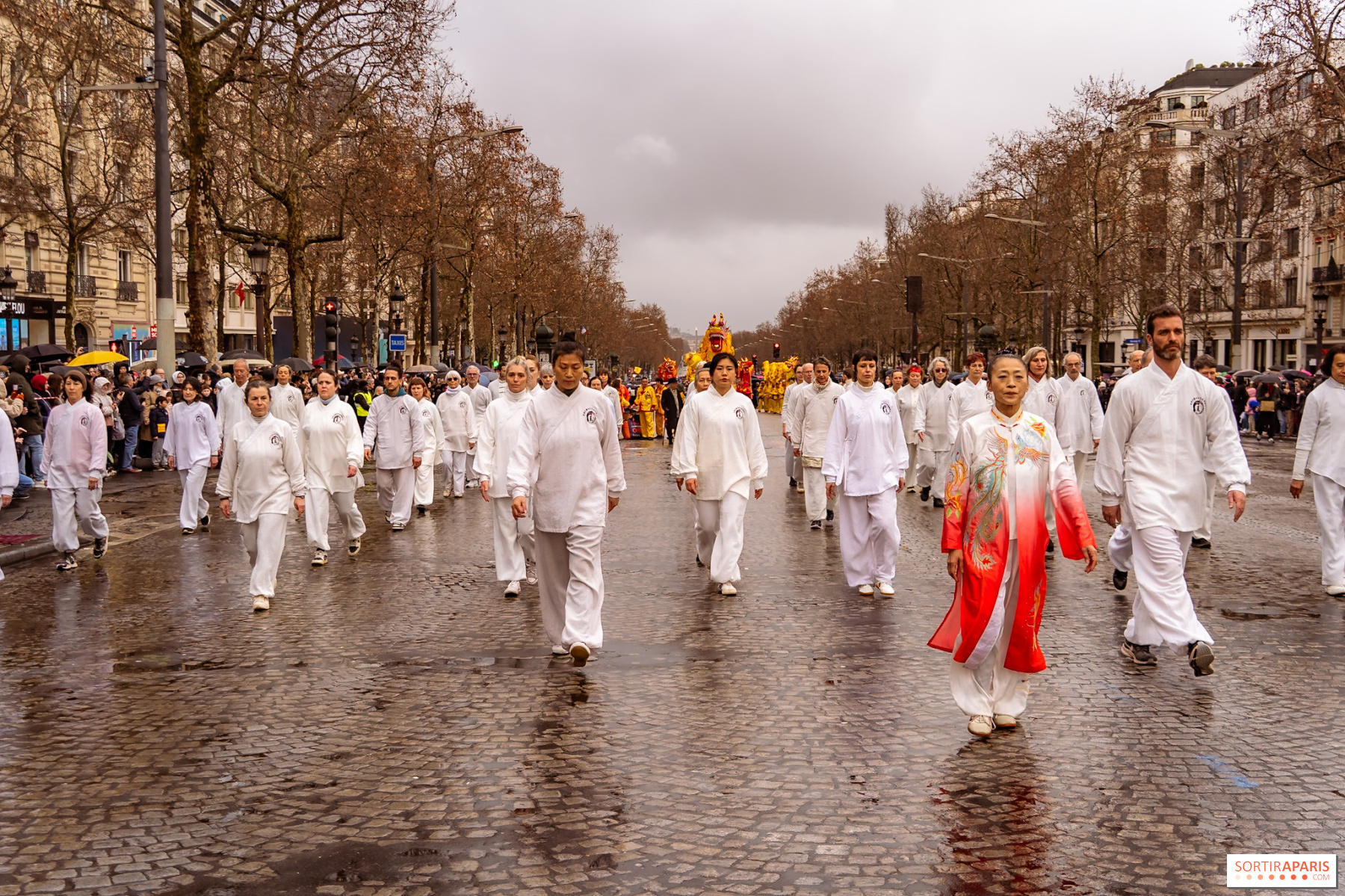
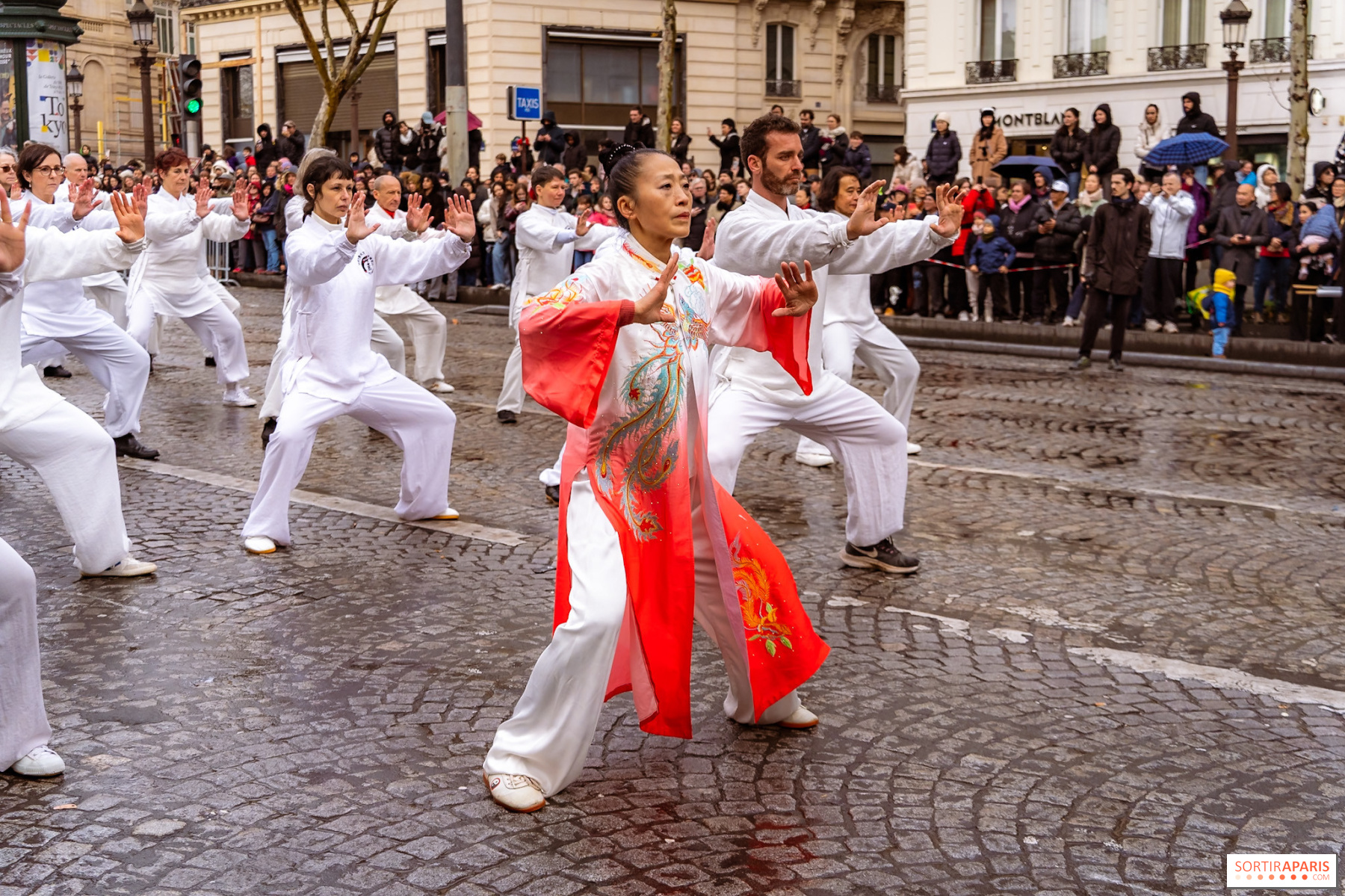
The organization Les Temps du Corps showcased an impressive display of traditional Chinese tai chi, featuring between 50 and 60 practitioners led by Master Ke Wen. The program included tai chi chuan, tai chi dance, fan tai chi, qigong, as well as Qi Wu and Fuchen. A peaceful and focused moment that provided an interesting contrast to the lively buzz of the rest of the procession.
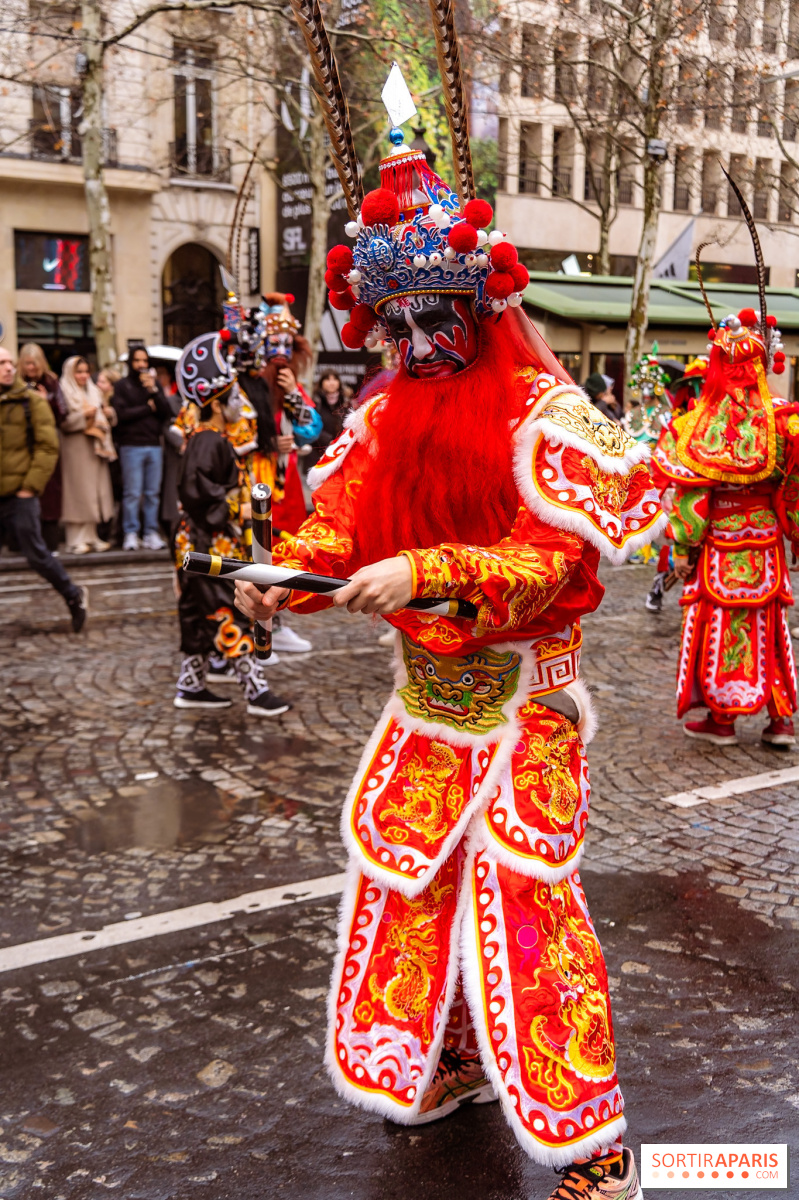
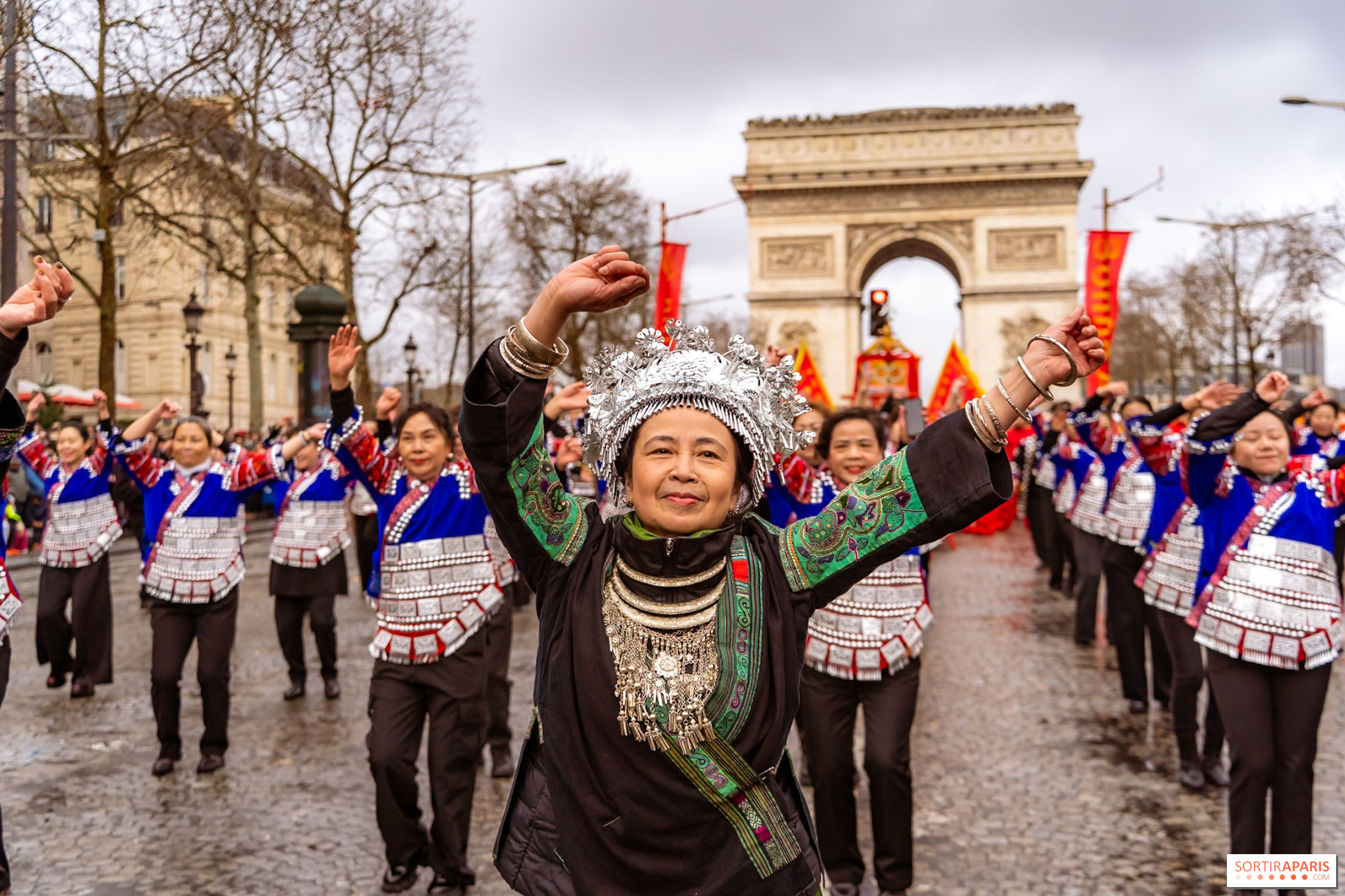
The Guizhou troupe, made up of 50 members from the Guizhou Business Association in France, marched in traditional costumes representing the Miao, Dong, and Shui minorities. The front row featured elaborately decorated outfits, while the subsequent rows wore uniform Miao attire for traditional dance performances. These vibrant costumes beautifully showcased the rich cultural diversity of China's provinces in a striking visual display.
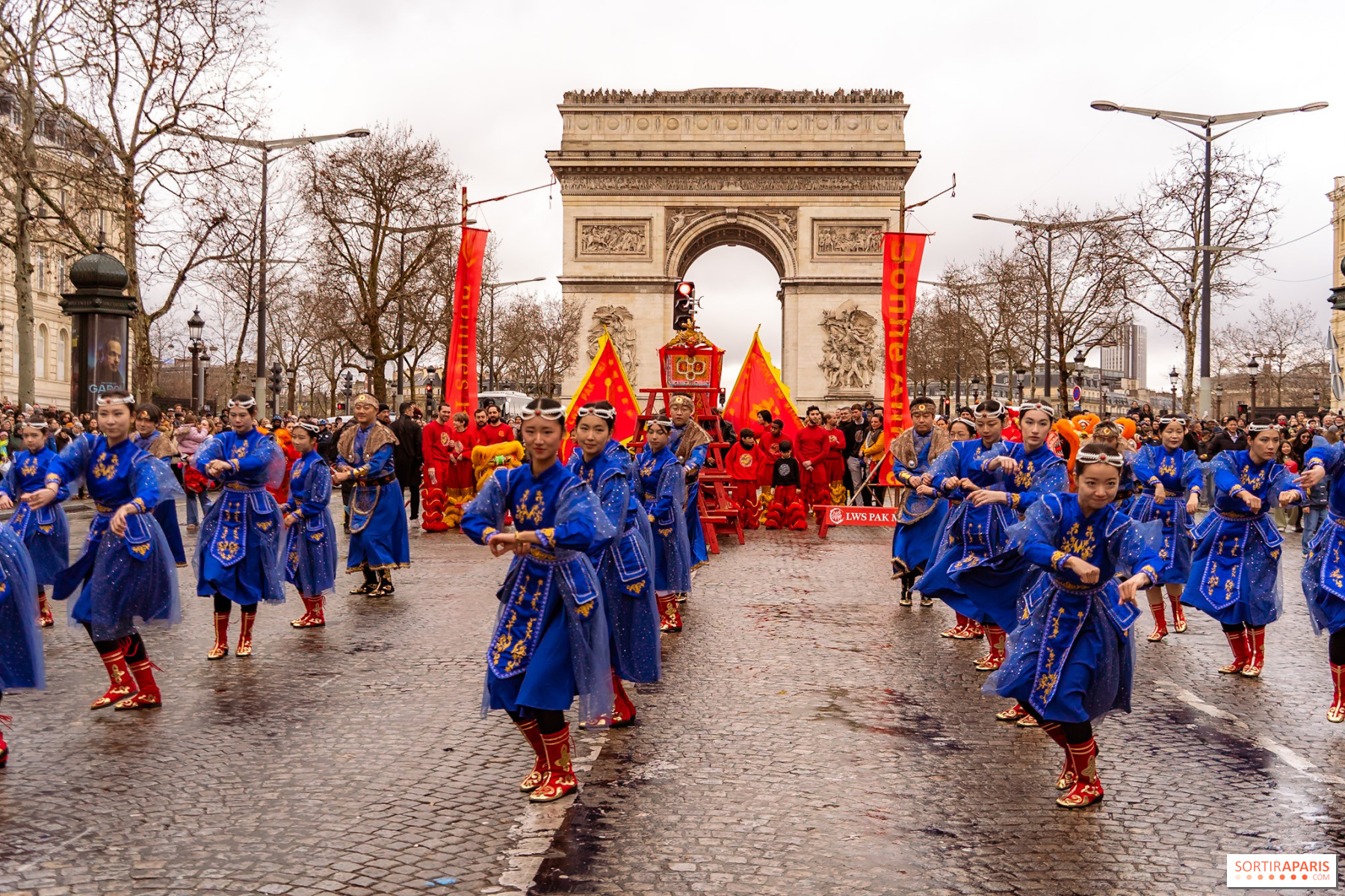
To celebrate the Year of the Horse, a Mongolian equestrian pantomime dance was performed by around 25 dancers from the Sino-French Art Education and Cultural Development Association and Dance Studio Qu Qian. Their graceful movements, reminiscent of galloping horses, infused the procession with vibrant energy—showcasing the horse’s symbolic significance in Chinese culture in a truly captivating display.
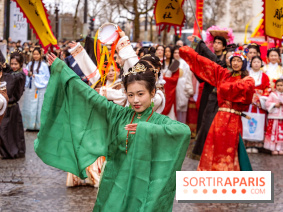
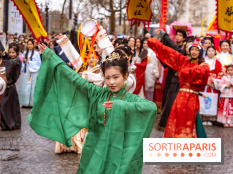
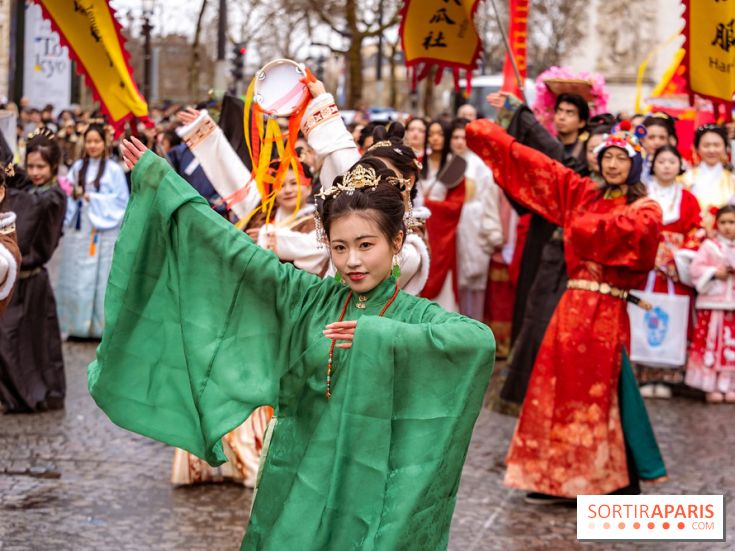
The Hanfu parade organized by Mugua Association featured traditional Han costumes brought to life through three ceremonial dances: Yiwu, a ritual dance from the Zhou Dynasty representing "The Land of Rites" and highlighting the richness of Chinese ceremonial culture; and “The Procession of Floral Deities,” performed by the twelve gods of flowers. The procession moved slowly, accompanied by traditional music that accentuated the grace and beauty of the costumes.
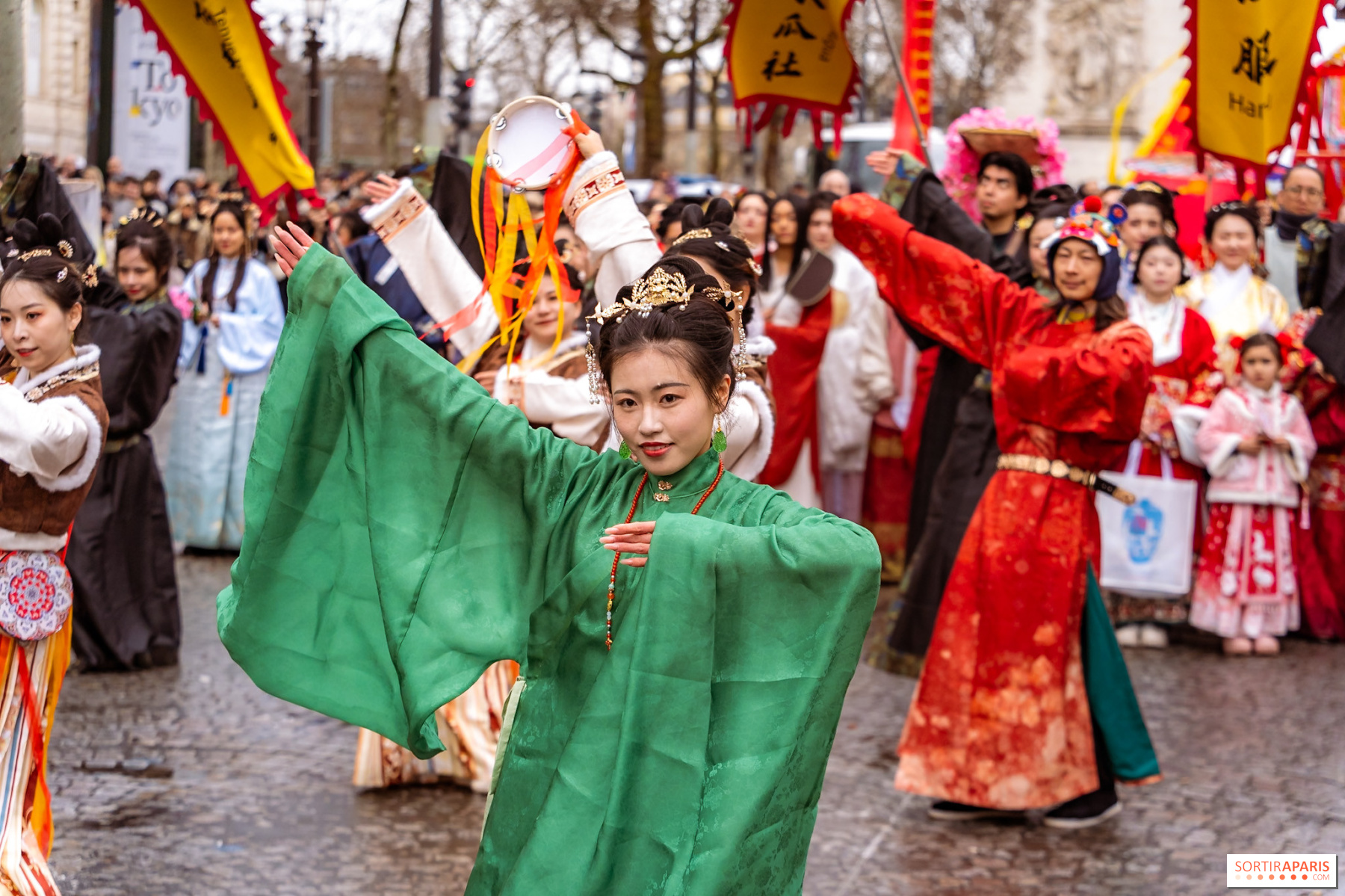
The Ying ge dance, performed by the troupe "L'Éveil du Ying ge" and the Teochew Friendship Association of France, brought together 30 professional dancers and 8 young children specially trained for the occasion. Established in 2024, this troupe is the first Ying ge dance group formed in Chaoyang, Guangdong, to perform in Europe. It was a touching sight to see the children sharing the stage and performing alongside the adult dancers.
The parade is a collaborative effort, organized by Barrière Group (since 2022), LWS Pak Mei (since 2022), Agency BORUI (since 2024), Agency Codecom (since 2025), the ACDECF Association (since 2025), and Altervip (2022, 2025). The event is supported by Bank of China, the France China Foundation, and CCICF. It also receives institutional backing from the Chinese Embassy in France, the City of Paris, and the Mayor’s Office of the 8th arrondissement.
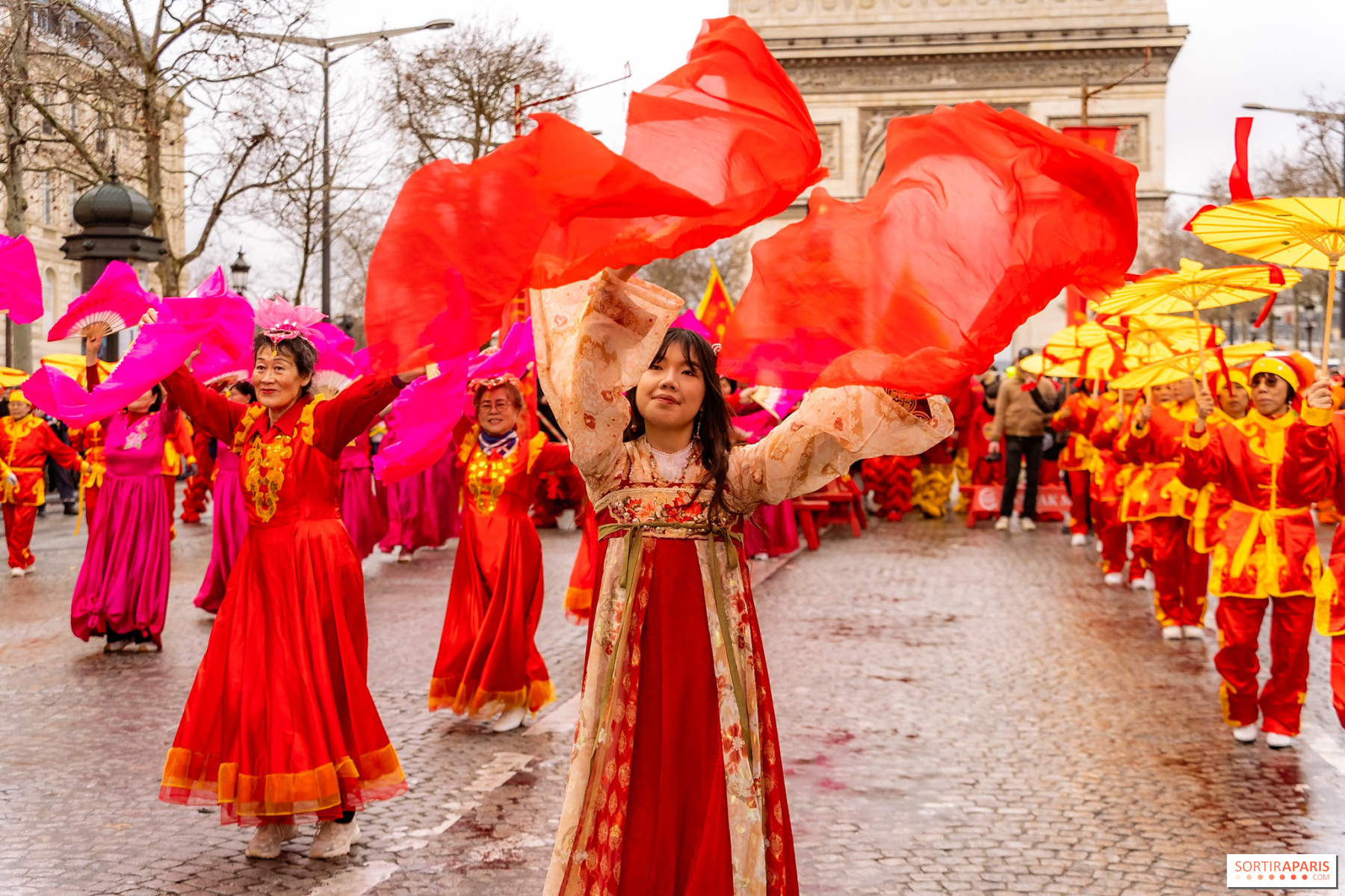
Despite unexpected rain, the 2026 Lunar New Year Parade on the Champs-Élysées managed to create a lively and festive atmosphere. Robots added a modern twist, while dragons and lions performed their traditional routines to rousing applause. The participating cultural groups showcased the rich diversity of Chinese heritage. For those who missed this edition, the upcoming Lunar New Year celebrations will take place in the coming weeks, especially in the 13th arrondissement’s Chinatown. To stay updated on all the festivities, check out our comprehensive guide on Sortiraparis or visit the official page of the City of Paris.
Dates and Opening Time
On February 1, 2026
Location
Avenue des Champs-Elysées
Av. des Champs-Élysées
75008 Paris 8
Access
Metro: Champs-Élysées-Clémenceau (lines 1 and 13) Franklin D. Roosevelt (lines 1 and 9) George V (line 1) Charles de Gaulle-Étoile (lines 1, 2 and 6)
Prices
Free
Recommended age
For all