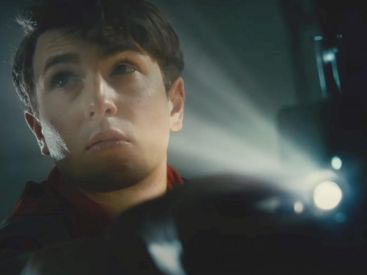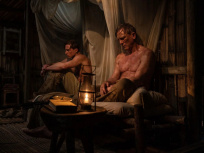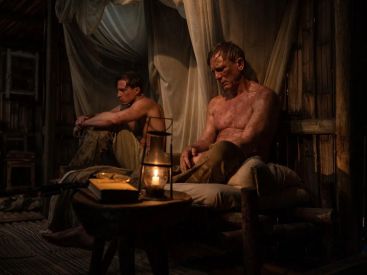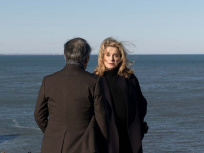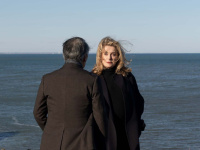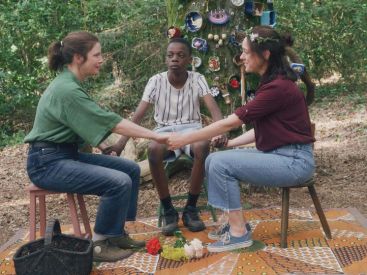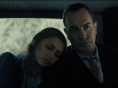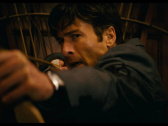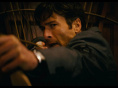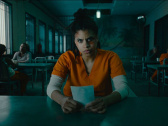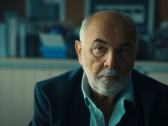
Nils Tavernier'sLa Vie devant moi explores a dark chapter in history: the Vel d'Hiv roundup in 1942. Based on the moving testimony of Tauba Birenbaum, the film traces the daily life of a Jewish family forced to hide in a Paris rooftop storeroom to escape deportation.
The cast includes such renowned figures as Guillaume Gallienne, member of La Comédie-Française, and Adeline d'Hermy, alongside the young Violette Guillon in the central role of Tauba. This poignant, intimate historical drama illustrates a teenager's courage in the face of persecution, anguish and uncertainty.
Told through the eyes of Tauba, this work plunges the viewer into a time when the darkness of war coexisted with acts of bravery and humanity.
La Vie devant moi will be released in cinemas from February 26, 2025.
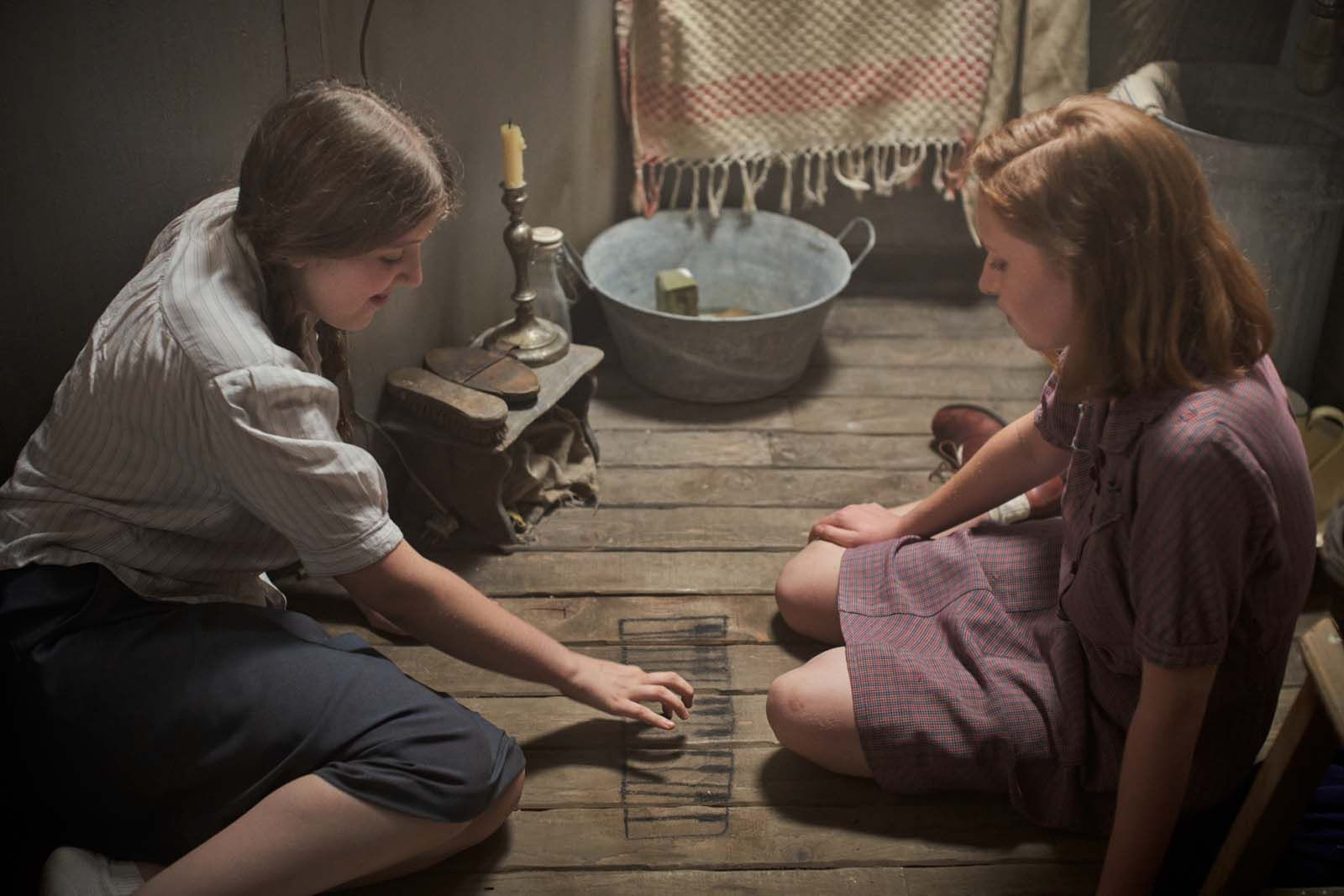
Synopsis: In 1942, Tauba, an energetic teenager, and her parents narrowly escape the Vel d'Hiv round-up. A couple, the Dinanceaus, offer to hide them temporarily in a tiny storeroom in their building, under the roofs of Paris, until things calm down. Unfortunately, what was supposed to be a temporary situation drags on, and the family sinks into silence and immobility. But Tauba is a fighter, and nothing will stop her from upsetting her destiny.
Nils Tavernier's La Vie devant moi is a poignant historical drama based on the true story of Tauba Zylbersztejn, a Jewish teenager hidden in Paris during the Occupation. Inspired by a real-life testimony collected by Steven Spielberg's Shoah Foundation, the film blends historical accuracy with emotional power, exploring the fear, expectation and silent resistance of those who survived by hiding in the shadows. Carried by a deeply moving Violette Guillon and an opposite Guillaume Gallienne, this intense story is distinguished by its sober, immersive direction, immersing the viewer in the oppressive daily life of this family hunted down during the Second World War.
From the very first scenes, La Vie devant moi captivates with its meticulous reconstruction and palpable dramatic tension. The Vel d'Hiv roundup sequence, filmed handheld, immerses the viewer in the panic and chaos of the hunt, while the desperate flight of the Zylbersztejn family marks the first emotional climax. The direction favors close-ups of the characters' faces, capturing every shiver of fear, every look exchanged in silence.
Once they've taken refuge with the Dinanceaus (aptly played by Sandrine Bonnaire and Laurent Bateau), anguish gives way to a heavy routine. The deliberately slow pace accentuates the interminable wait of these shut-ins, where the slightest noise could be fatal. The use of sound mixing plays a key role: every creak of the floor, every rustle of fabric becomes a reminder of the omnipresent danger.
While Violette Guillon plays Tauba with remarkable accuracy, oscillating between hope and resignation, Guillaume Gallienne surprises in a role that's out of place. Known for his comic range, he delivers a deeply moving performance here, playing a guilt-ridden father. Faced with his daughter's admiration for the Resistance, he confesses his powerlessness:"Some people have the strength to fight... I don't."
This sense of moral ambiguity also runs through the characters of Mr. and Mrs. Dinanceau, who denounce their own son, who has joined the Nazis to protect the Jews hiding in their home. A powerful scene, in which humanity is confronted with impossible choices.
The film's aesthetic approach reinforces its emotional impact. The color palette, dominated by dull, dark tones, conveys the seriousness of the context, while the bright flashbacks evoke a shattered innocence.Lighting also plays a symbolic role: the darkness of the hiding place contrasts with the rare glimmers of hope, notably in a scene where Tauba gazes up at the starry sky from the roof, dreaming of freedom.
The camera movements alternate between the feverishness of the danger scenes and the languor of the waiting sequences. Restricted long shots underline the cramped nature of the hiding place, while prolonged silences heighten the sense of anxiety.
Beyond its dramatic intensity, Life Before Me poses an essential question: how does one go on living after losing everything? Through Tauba's journey, the film examines resilience, transmission and memory. The scene of the liberation of Paris, far from euphoric, is marked by a bitter observation:"What have they done with our things? What have they done with our lives?"
With La Vie devant moi, Nils Tavernier delivers an intimate, powerful drama in the tradition of Au revoir les enfants and Le Journal d'Anne Frank. Although its slow pace may put off some viewers, it aptly reflects the oppressive anticipation of those years in hiding. It's a poignant film, supported by extremely accurate performances, that leaves a lasting impression.
What films will you be seeing in February 2026?
Discover the films to see at the cinema in February 2026, with the new releases, times and special offers of the month. [Read more]
A guide to dramatic films: what's on at the moment and upcoming releases, with dates, news and regular updates. [Read more]
films to be seen today in Paris and the Île-de-France region. [Read more]
This page may contain AI-assisted elements, more information here.







 What films will you be seeing in February 2026?


 Dramas to see at the cinema: intense emotions and stories


 Which film to see today? Our screening ideas