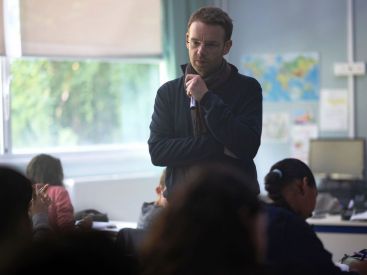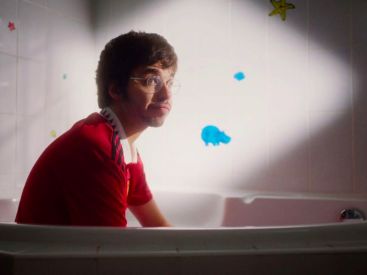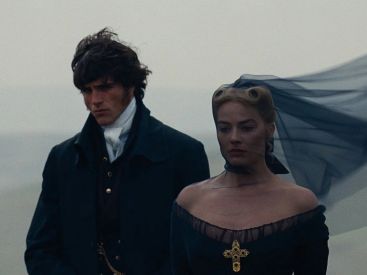
Directed by Yann Gozlan and penned by Jean-Baptiste Delafon, Gourou stars Pierre Niney, alongside Marion Barbeau, Anthony Bajon, and Holt McCallany. This dramatic thriller delves into the dark side of self-help culture, and hits French theaters on January 28, 2026.
The story follows the rise of a charismatic coach whose methods are increasingly successful. As his influence grows, the mechanismsof control are revealed, exposing a system based on emotional dependence and psychological domination. The plot explores what drives people to seek external guidance in an environment where they are searching for meaning.
The story shows how this seemingly benevolent leader builds a loyal community around intensive seminars. The manipulative techniques gradually become apparent, confronting the characters with the boundary between personal quest and loss of freedom. The film highlights the potential abuses of coaching structures and the human weaknesses exploited by these systems.
The film was born out of Yann Gozlan's desire to explore contemporary personal development practices. The production was shot in urban spaces and minimalist settings to reflect the codified aesthetics of seminars. Pierre Niney reunites with the director after Black Box, a collaboration that made him known for roles requiring significant psychological work. Screenwriter Jean-Baptiste Delafon is particularly known for his work on series focusing on power and speech.
The tone favors a tense and realistic approach. The atmosphere is based on a progressive climate of suspicion and isolation, aimed at an audience interested in psychological narratives and themes related to social influence. The film addresses individual vulnerabilities in the face of persuasive discourse and the group mechanisms that can result from it.
Our review of Gourou:
Gourou, directed by Yann Gozlan, fits into the current landscape of psychological thrillers that explore our relationship with power, influence, and the need for belief. The film traces the meteoric rise of Mathieu Vasseur, aka Matt, a self-help coach played by Pierre Niney, whose charming and caring facade gradually reveals a more disturbing manipulation. Initially reassuring and almost luminous, Matt progressively becomes trapped by his own persona, descending into a slow walk into darkness.
Yann Gozlan’s direction stands out for its precise craftsmanship. Smooth camerawork, sharply composed shots, enveloping sound design—every element works together to create a captivating, almost hypnotic atmosphere that mirrors the gaze of the cult’s followers. Viewers are placed in a discomforting position—initial attraction gives way to suspicion—mirroring the characters around Matt. This immersive approach effectively captures the group dynamic and how a seemingly positive message can morph into a tool of domination over time.
At the heart of the film, Pierre Niney delivers a compelling central performance. Charismatic and energetic at first, then gradually paranoid and manipulative, he skillfully portrays the narcissistic complexity of his character. His journey is especially unsettling because it’s driven less by ideological conviction than by a fear of losing his status, revealing how the desire for recognition can transform into symbolic and psychological violence.
Among the supporting roles, Anthony Bajon leaves a particularly strong impression as a seminar participant deeply scarred by childhood trauma. Through his character, Gourou delves into one of the darker facets of indoctrination: that of a man seeking redemption, finding genuine solace in the coach’s words. This fragile rebirth gradually turns into emotional dependency. Bajon conveys this shift with heartbreaking intensity as his character, in a process of rebuilding, desperately seeks to prolong the connection—becoming Matt’s most devoted supporter and ultimately defining himself through his gaze—leading to a tragic conclusion that the film confronts head-on.
The role played by Marion Barbeau, as the guru’s wife, offers an essential counterpoint but one that’s not fully developed. Portrayed as among the first to notice her husband’s descent and the hidden emotional violence behind his kind words, she embodies clarity in the face of the coach’s self-mythologizing. Her line—“It’s because I told you I loved you that I should forget I have a brain and believe everything you say?”—powerfully captures the core message. Yet, despite this clear dramatic purpose, her character remains somewhat in the background, as if the film hesitates to grant her an independent perspective.
This is where Gourou leaves a more nuanced impression. While the film is compelling thanks to its subject, direction, and strong performances, its screenplay occasionally feels scattered—spanning social critique, an intimate thriller, and a psychological study—without fully developing each thread. This narrative ambiguity sometimes weakens the dramatic momentum, and the abrupt ending leaves a sense of rupture rather than resolution.
Nevertheless, the film hits hard where it counts. By tackling the very contemporary phenomenon of self-help gurus and wellness coaches, Gourou raises a crucial question: how far are we willing to go in search of simple answers to complex lives? The film doesn’t outright condemn but observes, analyzes, and unsettles. It reminds us that the line between genuine help and manipulation can be frighteningly thin—especially in a society flooded with motivational rhetoric and promises of transformation.
The film’s unique strength, beyond its theme and performances, lies in how it builds and escalates tension. Yann Gozlan crafts his narrative as a slow crescendo, almost imperceptible at first. Audiences are initially charmed—like the seminar attendees—by Matt’s upbeat energy and apparent kindness. But scene after scene, cracks form: speeches grow harsher, gazes shift, silences become oppressive, and the initial fascination morphs into an increasingly tangible discomfort.
That choice may also divide viewers. Fans of a fast-paced, twist-laden thriller might find it too restrained. Gourou primarily appeals to those attuned to subtle tensions, psychological manipulation, and slow-building dramas. Those who enjoy films that observe, dissect, and allow unease to take hold will find here a dense, haunting experience.
Conversely, some may be frustrated by the less rigid narrative structure or the somewhat limited development of secondary characters, some of whom are underutilized. This relative diffuse-ness prevents Gourou from reaching a full sense of radical closure, adding a feeling of broad dissonance rather than complete resolution.
In sum, it remains an imperfect yet profoundly relevant psychological thriller, bolstered by steady direction and a standout performance from Pierre Niney. Gourou doesn’t seek to condemn outright but to evoke, question, and unsettle. It probes our collective craving for figures to follow, soothing words, and quick fixes—reminding us, with chilling clarity, how easily the line between sincere aid and manipulation can quietly blur.
Gourou
Film | 2026
In theaters on January 28, 2026
Dramatic thriller | Runtime: 2h06
Directed by Yann Gozlan | Starring Pierre Niney, Marion Barbeau, Anthony Bajon
French production
The film offers a contemporary tale about the abuses of influence and the construction of power based on persuasion.
To extend your theater experience, check out January's movie releases, French films to see now and coming soon, and our selection of movies to see today.
This page may contain AI-assisted elements, more information here.