To enter the Bibliothèque Richelieu is to cross the threshold of French history. The origins of this library date back to the 18th century, when the Palais Mazarin was enthroned in the middle of Paris.
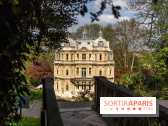
Since 1721, this palace has housed the Bibliothèque Royale, which in turn, at the instigation of Abbé Bignon, has housed five departments (Manuscripts, Prints, Titles, Medals and Prints). The collections are housed in several hotels (Hôtel de Nevers, Hôtel de Lambert) and galleries (Galerie Neuve, Galerie Mazarine) that make up the Palais Mazarin.
Under Napoleon III, it became clear that the Royal Library needed even more space, even though it now occupied all the buildings in the Palais Mazarin - including the Treasury and the Stock Exchange. Since the Napoleonic wars, the city's libraries, such as the Bibliothèque Sainte-Geneviève, have been home to the many books and works of all kinds taken from the enemy.
It was therefore decided to enlarge the site of the Bibliothèque Royale, and Henri Labrouste, architect of the Bibliothèque Sainte-Geneviève, was chosen in 1854 to carry out the work. The specifications stipulated that he was to enlarge and modernize the complex, while preserving the various buildings of the Palais Mazarin as much as possible.
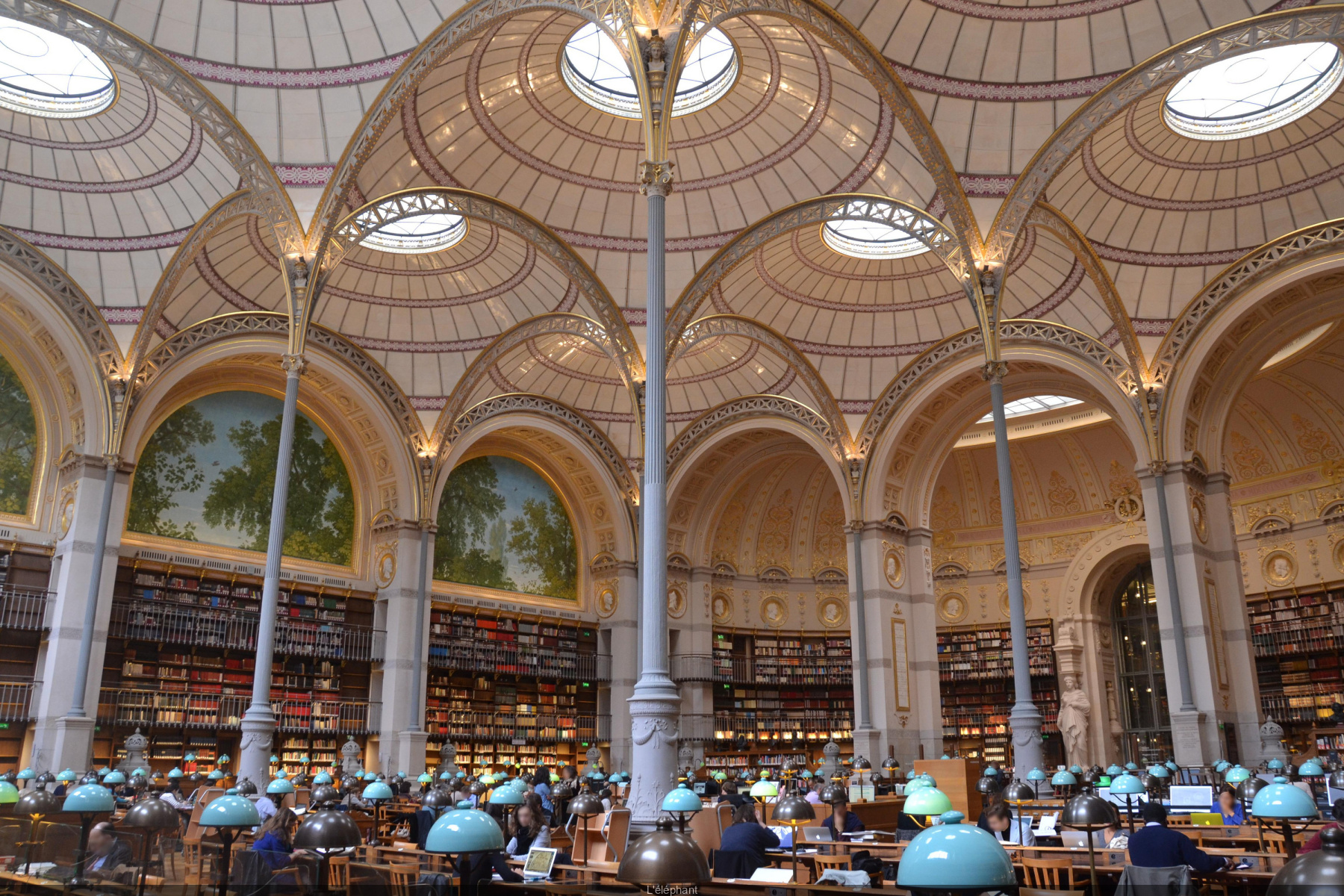
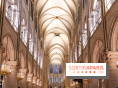
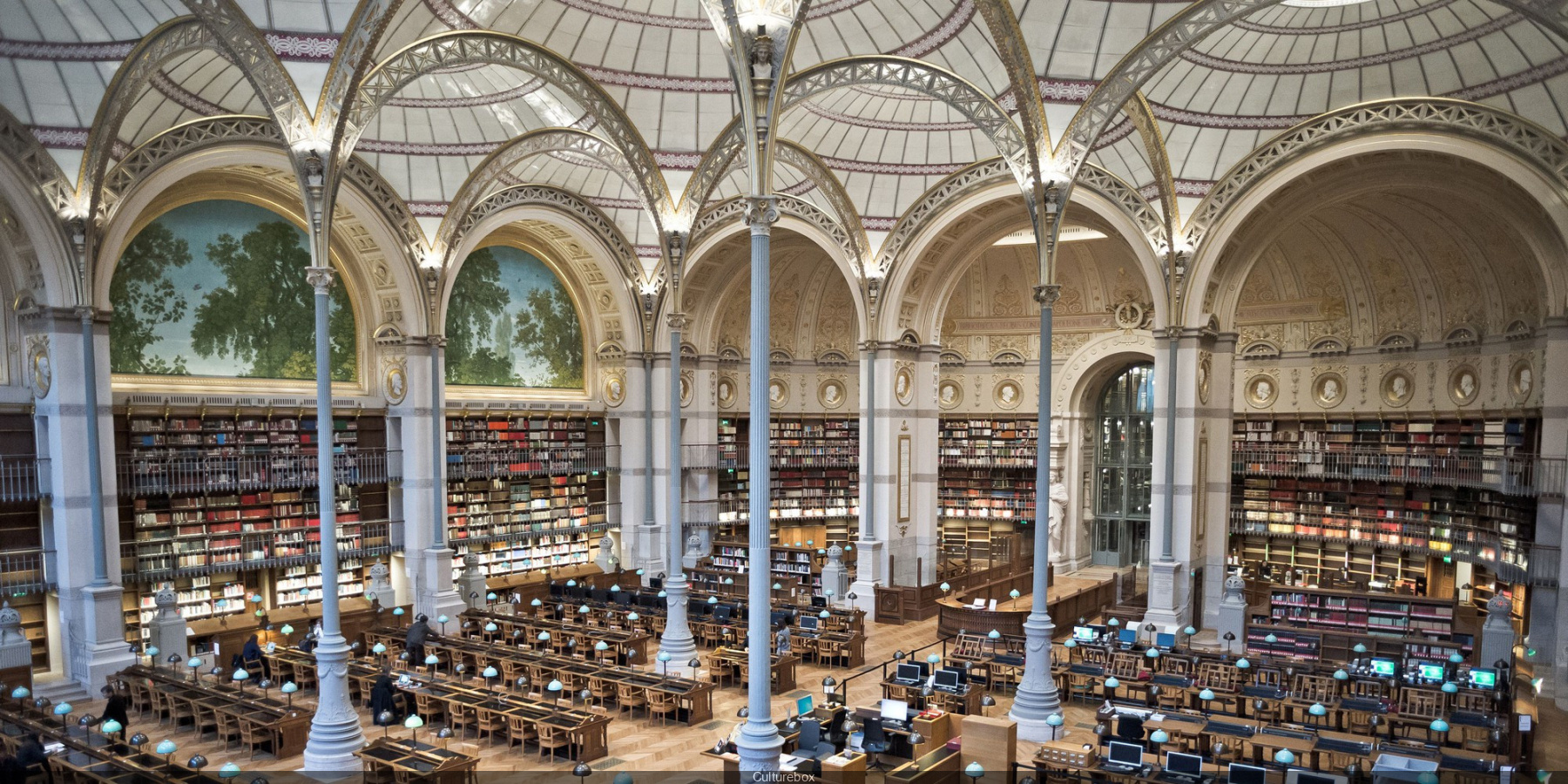
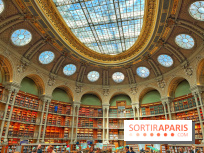
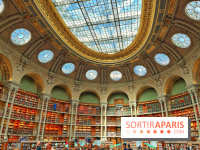
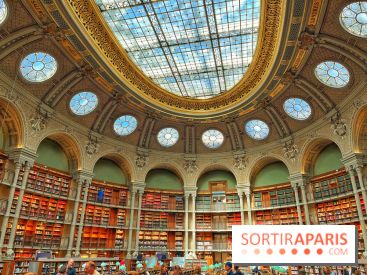
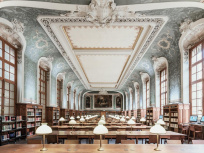
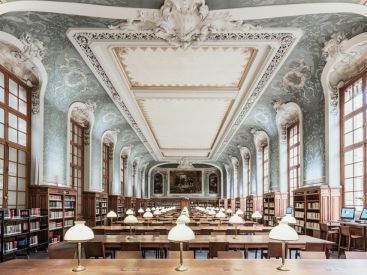
In the 1860s, the architect built the marvellous Salle Labrouste, in which he played with metal, glass and earthenware to create a magnificent ceiling inspired by Byzantine domes; the central store, with its beautiful metal structure lit by a zenithal glass roof ; and the Richelieu wing. He also restored the Galerie Mazarine.
Suffice to say, the architect didn't make much of an effort to preserve the original buildings. He was courteously dismissed and succeeded by a new architect: Jean Louis Pascal.
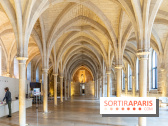
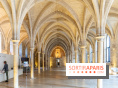
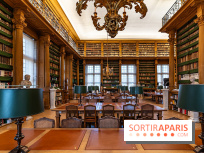
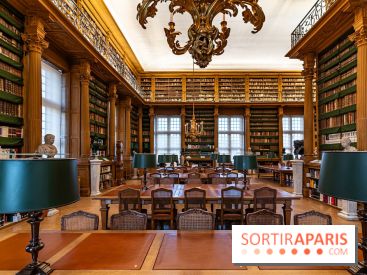
From 1878 to the end of the 19th century, Pascal restored the façade, modernized the de Cotte wing, built the Manuscripts reading room and embellished it with Louis XV woodwork salvaged from theHôtel de Nevers. He also designed the Salle Ovale, the library's second largest room. This beautiful amphitheatre-shaped room of impressive dimensions is bathed in light from its glass roof.
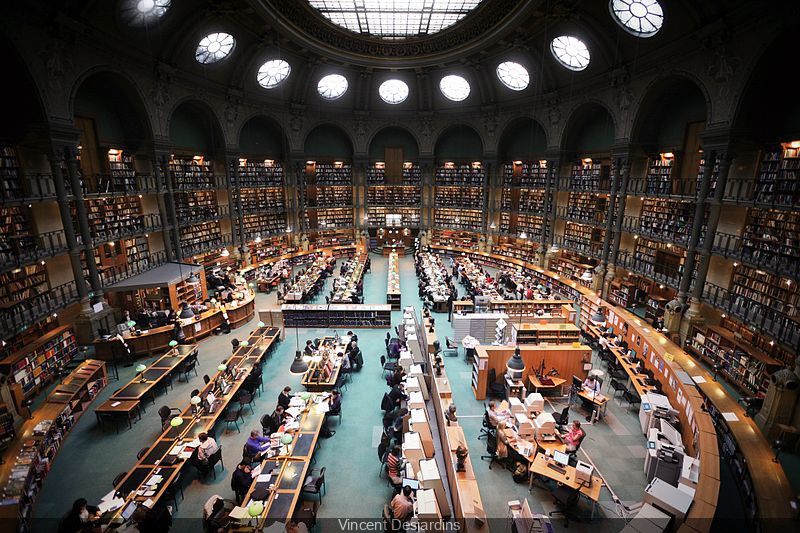
In 1912, Jean-Louis Pascal left the project and his assistant Alfred Recoura took over. Recoura designed the Salle Ovale, the Cabinet des Médailles and a new Louis XV salon. He also provided the library with heating and electricity.
As you can see, the Bibliothèque Richelieu has passed through so many expert hands that it's an architectural gem you absolutely must visit! What's more, it just reopened its doors in 2017 after several years of renovation!
During the second half of the twentieth century, as the collections continued to grow, it became impossible to house them all within the walls of the Bibliothèque Richelieu. It was therefore decided to transfer them to a brand new site: the Bibliothèque François Mitterrand!
Location
BnF - Richelieu site
5 Rue Vivienne
75002 Paris 2
Route planner
Accessibility info
Prices
Free