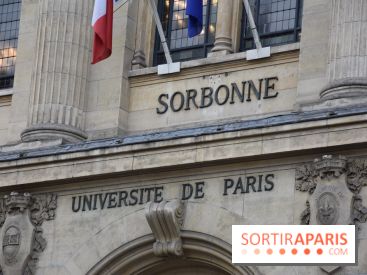
On Saturday September 1, 1257, one of the oldest colleges in France is founded in Paris: the Sorbonne. From the 12th century, many prestigious monastic institutions naturally cluster on the Montagne Saint-Geneviève, in the current Quartier Latin of the capital, fostering a vibrant intellectual and pedagogical activity. This marks the beginning of the growth and influence of the University of Paris, helping to establish it as a capital of France.
In response to the success of these new centres of learning, a more structured organization quickly became necessary. Accordingly, in 1200, King Philip II Augustus decided to officially recognize the University of Paris, while guaranteeing decent living conditions for the teachers and students of the colleges and ensuring that their learning would be recognized through the awarding of end-of-studies diplomas, the real gateway to social ascent.
From then on, masters and students come together within a single community called universitas, governed by rules for communal life. A few years later, in 1231, the Parens Scientiarum bull of Pope Gregory IX confirms the autonomy of the University, which adopts a seal bearing the inscription Universitatis magistorum et scolarium parisiensium (meaning "Gathering of Paris's teachers and students").
In the years that followed, the Parisian schools offered, in the open air, multiple levels of study to students from the Four Nations—French, Picard, Norman, and English: the baccalaureate, with courses in grammar, dialectics, and rhetoric; the licence, covering arithmetic, geometry, astronomy, and music; and finally the doctorate, pursued through medicine, canon law, and above all theology, the queen of the sciences.
In 1253, Robert de Sorbon, chaplain and confessor to the King of France, Saint Louis (Louis IX), founded a new college on Mount Sainte-Geneviève, on Rue Coupe-Gueule, which, with the king’s confirmation, would become the Sorbonne on 1 September 1257. Like other Parisian institutions, the Sorbonne stood out for its theology-focused teaching—the study of religion—quickly establishing it as a leading college within the Faculty of Theology, alongside Navarre College, Cardinal Lemoine College, and the Cholets College.

In the Middle Ages, the Sorbonne opened its doors to roughly twenty penniless students who could attend lessons for free, as well as around a hundred paying guests and readers authorized to consult the library. Its policy of welcoming both wealthy and poor schoolchildren without geographic or family-based discrimination, but on the basis of intellectual excellence, rapidly established the Sorbonne as an elite institution where the ideals of equality, morality, collegiality and studiousness—summed up by the school's Latin motto Vivere socialiter et collegialiter et moraliter et scholariter.
Regarded as the greatest cultural and scientific hub in Europe at the end of the Middle Ages, drawing nearly 20,000 students, the University of Paris becomes, in the 15th century, the cradle of humanism thanks to the quality of its teaching and the richness of its libraries, rivaled only by the papal library. In 1469, moreover, the first printing press of France is installed in the Sorbonne cellars.

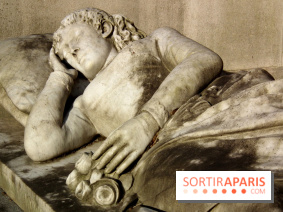
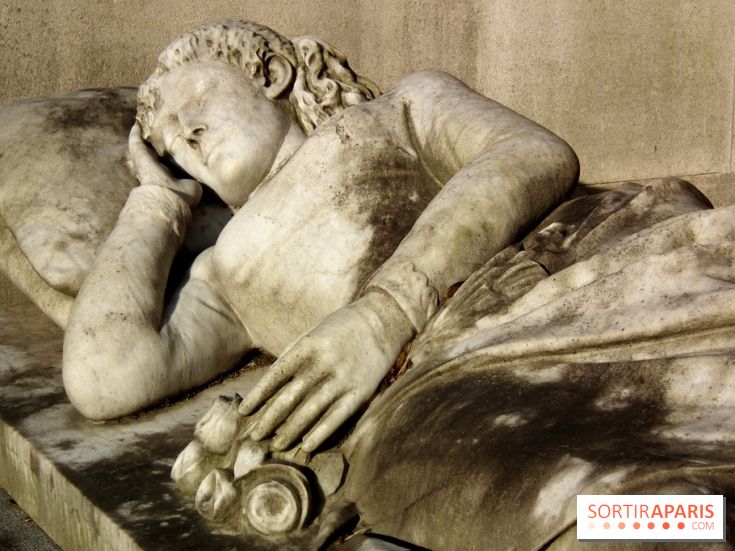
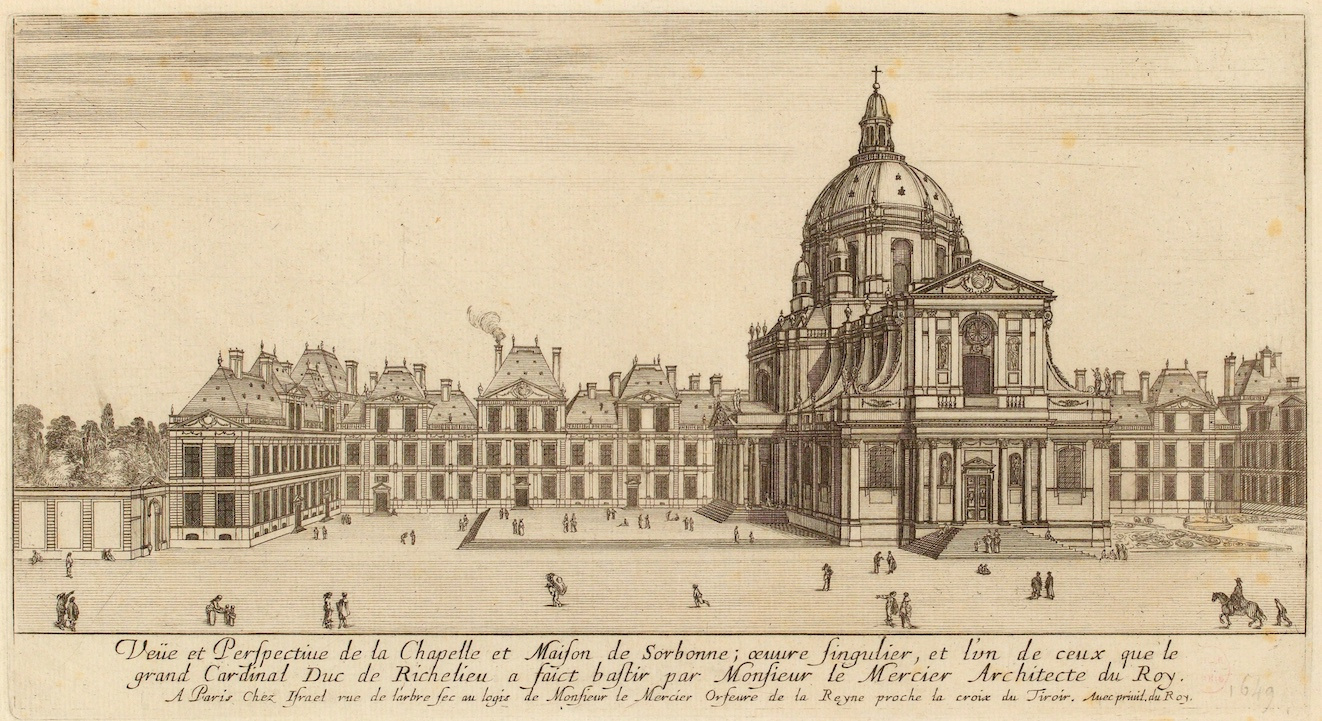
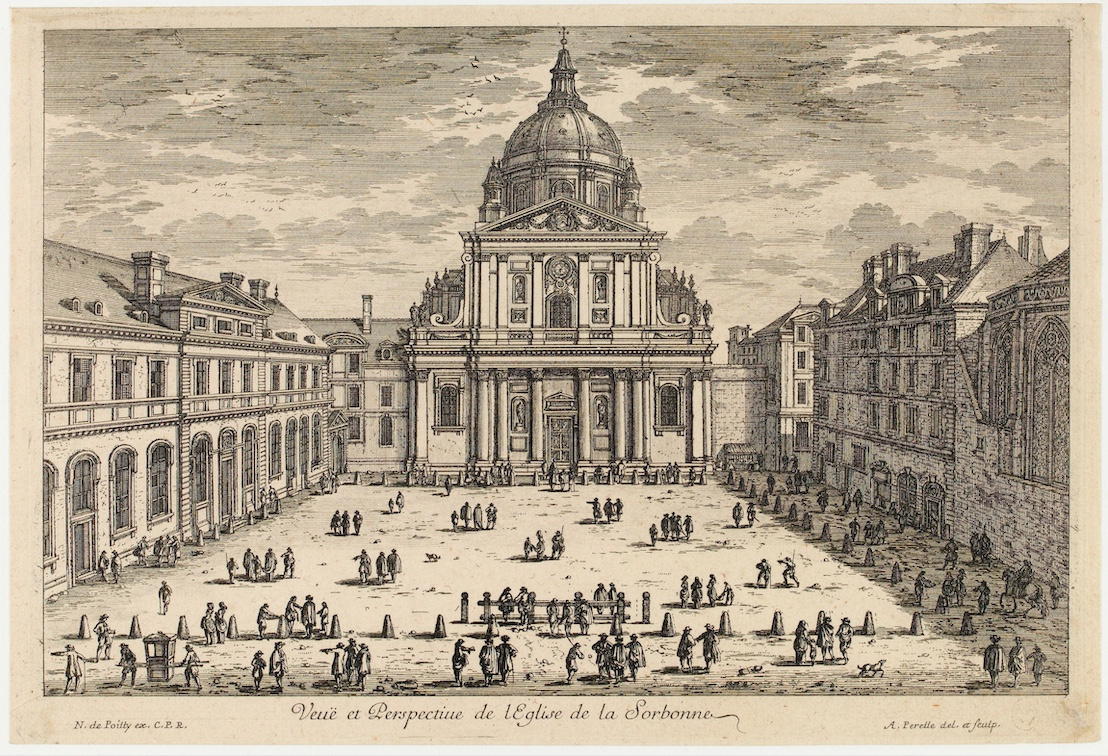
In 1622, the Sorbonne underwent a facelift and was expanded by architect Jacques Lemercier at the initiative of Cardinal Richelieu, who had just been named proviseur of the University of Paris after himself studying there. Abandoning Gothic for a more classical style, the Sorbonne doubled in size and gained a new chapel built to house the tomb of Cardinal Richelieu, as he wished; a tomb that remains, to this day, in the choir of the chapel.
During the Enlightenment era, the college undergoes secularization with the presence of several leading reformers and under the influence of advances in science and a new spirit of critical and philosophical thinking. During the Révolution française of 1789, the University of Paris joins the revolutionary movement. In retaliation, the Sorbonne's schools were closed in 1791.
We would have to wait until 1806 for Napoleon to restore the Imperial University and for five faculties to be created, in 1896 (theology, the sciences, the humanities, law and medicine), with the Sorbonne thus becoming the seat of the first three faculties, as well as the rectorate of the Academy of Paris.
Rebuilt once again under the Third Republic, the Nouvelle Sorbonne becomes, in May 1968, the epicenter of all student protests, which would help bring about its splintering, setting in motion the reorganization of the University into several autonomous institutions and the creation of Paris 1 Panthéon-Sorbonne University in 1970.
Make the most of the Heritage Days 2026, scheduled for September 19 and 20:
Heritage Days 2026: discover the iconic Sorbonne University in Paris
For Heritage Days, the Sorbonne is organizing a range of events around this historic and cultural landmark over the weekend of Saturday, September 19 and Sunday, September 20, 2026. Here’s the program for this edition. [Read more]
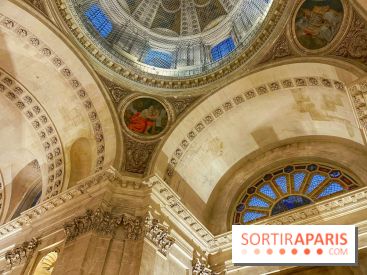
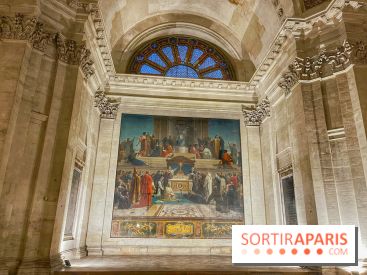
The Sorbonne’s famous dome is unusually open to visitors during Heritage Days on September 19 and 20, 2026. In the heart of the Latin Quarter, the Sorbonne Chapel reveals its classical architecture, its history, and the tomb of Cardinal Richelieu. [Read more]
Dates and Opening Time
On September 1, 2026
Location
Sorbonne University
15-21 Rue de l'École de Médecine
75006 Paris 6
Route planner
More information
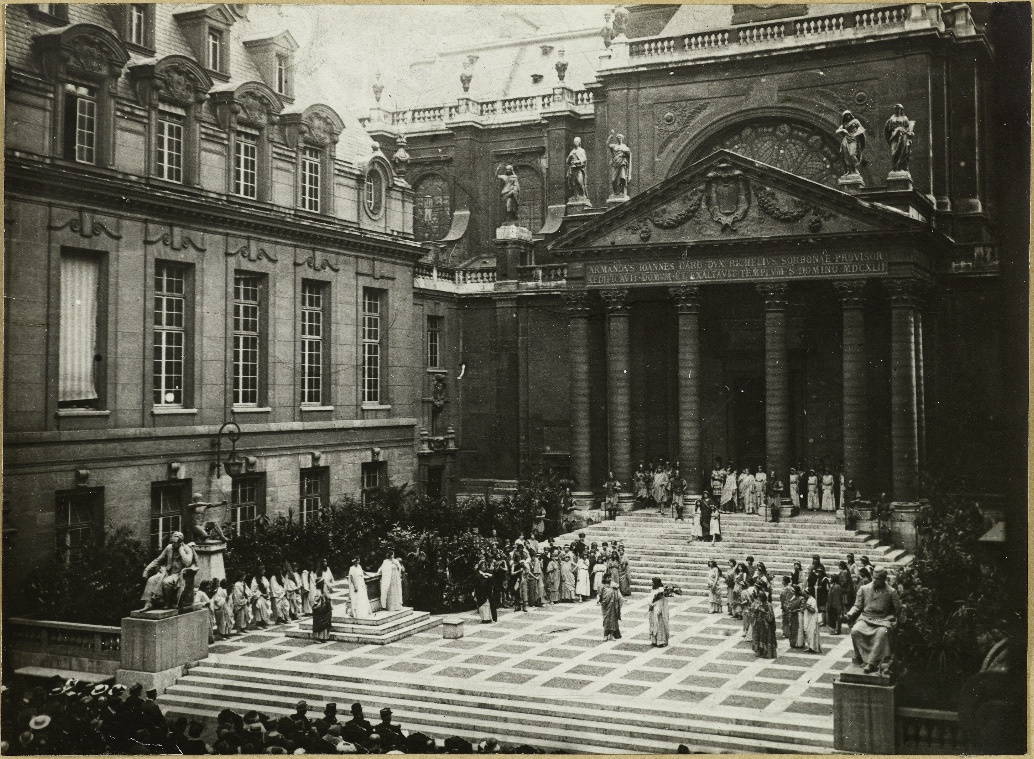
Iconography: Header: Ancien grand amphithéâtre de la Sorbonne, anonyme, Musée Carnavalet Vue et Perspective de la Chapelle et Maison de Sorbonne, Jean Marot, Musée Carnavalet Vue et Perspective de l'Eglise de la Sorbonne, Adam Pérelle, Musée Carnavalet La Cour de l'ancienne Sorbonne, Maurice Emmanuel Lansyer, Musée Carnavalet Façade nord de la cour de La Sorbonne, Paul Dujardin, Musée Carnavalet Paris Œdipe-Roi dans la cour de la Sorbonne, Charles Joseph Antoine Lansiaux, Musée Carnavalet
















 Heritage Days 2026: discover the iconic Sorbonne University in Paris


 Heritage Days 2026: the Sorbonne Chapel and Richelieu's Tomb in Paris