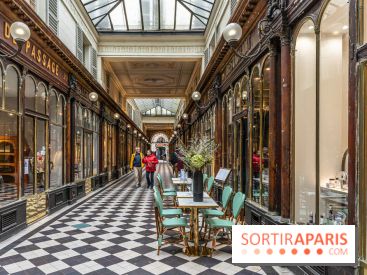
In the lively neighborhood along Rue Saint-Denis, the Passage du Caire stands as a small treasure of the capital. Inaugurated in 1798, it offers a unique view of late-18th-century Parisian architecture. Less flashy than its peers, it has preserved a discreet charm that makes it a place steeped in history.
This passage, a precursor to the passages parisiens, was never meant to be extravagant. It was built with a simple and innovative aim for its time: to provide a covered promenade space for residents. This concept, born in the gardens of the Palais-Royal, allowed people to enjoy shops sheltered from the elements.
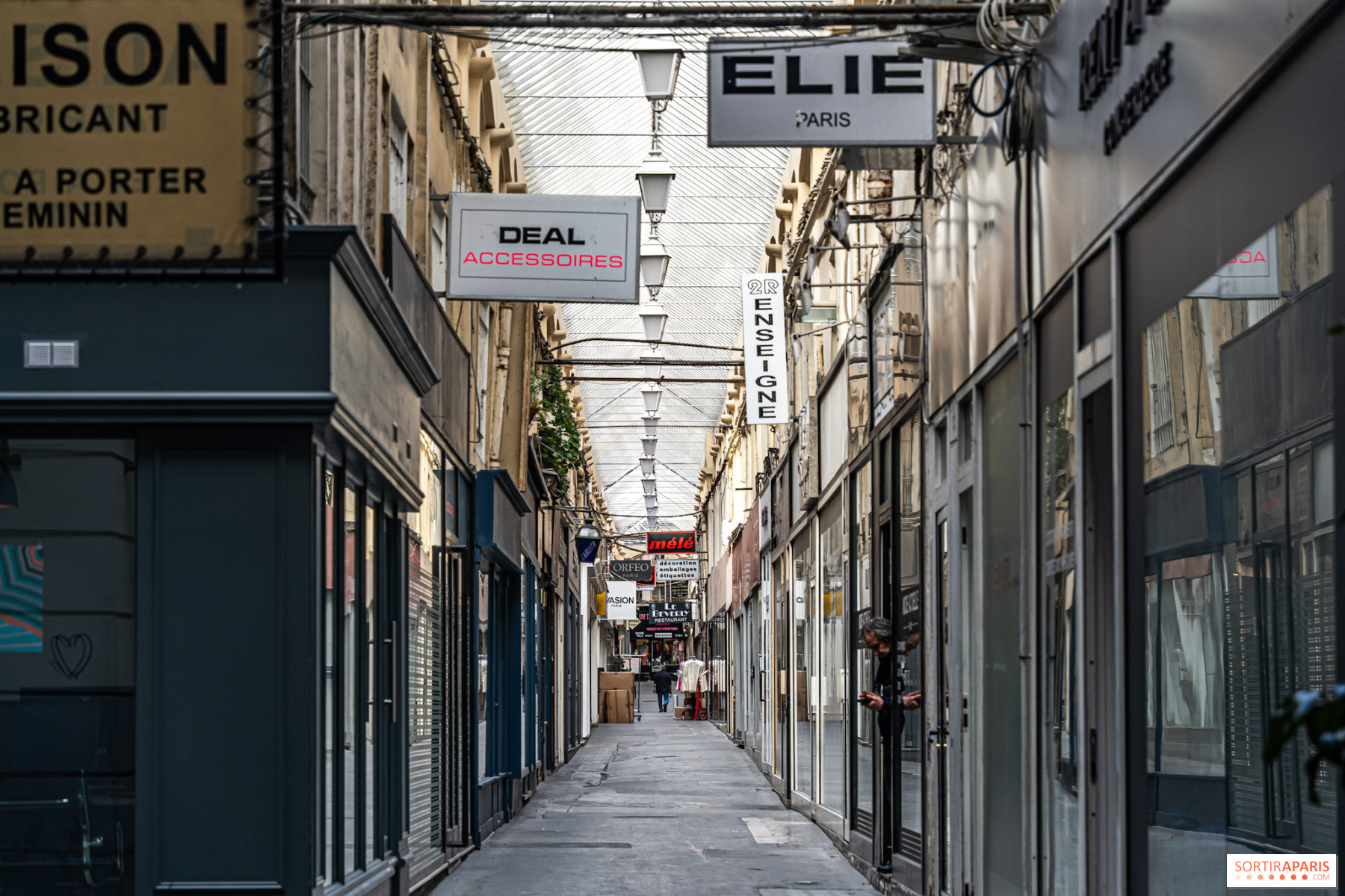
In fact, the Passage du Caire has never flaunted the sumptuous décor of the Passage des Panoramas or the Galerie Vivienne. There are no mosaics on the floor, no bas-reliefs on its walls, and no grand signboards. It has always been a popular spot, home to artisans and merchants.
With its labyrinth of corridors, it fans out along three main axes—the Saint-Denis, the Sainte-Foy, and the Cairo galleries. Narrow yet expansive, this 2.60-meter-wide passage covers an impressive 370 meters (!), earning it the title of the longest covered passage in Paris. It is also one of the oldest! Opened in late 1798, it prides itself on being the first covered passage, tied with the Passage des Panoramas.

Built on the former grounds of the Filles-Dieu convent, the Passage du Caire is the result of a major urban redevelopment project that reshaped the neighborhood, launched after the property was nationalized in 1790 during the French Revolution.
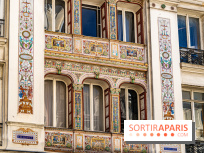
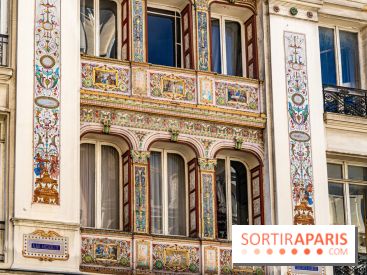
The construction project was conceived to honor Napoleon Bonaparte's Campaign in Egypt from 1798 to 1801, which led to the newly created streets bearing Egyptian-inspired names, such as the Cairo Street, the Alexandria Street, the Nile Street, and the Aboukir Street. The era's fever for Egyptomania in France is also embodied in the building at 2 Place du Caire, whose façade is adorned with Egyptian motifs.
The identity of the architect responsible for No. 2, Place du Caire, as well as that of the architect of the passage itself, remains a matter of debate. Some documents credit Philippe-Laurent Prétrel as the author, while others name Jules-Gabriel Garraud or Garaud. Another possibility is Gabriel-Joseph Garraud, who may have designed the façade’s decoration around 1828.

Despite its rich past, the Passage du Caire faced rough going from the moment it opened. Initially envisioned as a modest hub to attract humble shops, it struggled to draw in a crowd. By around 1844, the passage began to specialize in the printing industry and cardboard packaging, a trend that was solidified under the Second Empire.
In 1892, the Passage du Caire emerges as a bustling hub for the printing industry. Yet struggling storefronts threaten its viability, and the passage stands on the brink of demolition. It takes Napoleon III’s decision to repeal the stamping requirement for commercial papers to allow the passage to reinvent itself and avoid destruction. Today, the Passage du Caire is mainly home to wholesalers of women’s ready-to-wear and to shops supplying this trade.
Discover Paris' most beautiful covered passageways
Maybe you didn't know it, but Paris is home to many covered passageways. Discover the 12 most beautiful covered passageways in Paris! [Read more]
Dates and Opening Time
Next days
Thursday:
from 12:00 a.m. to 11:59 p.m.
Friday:
from 12:00 a.m. to 11:59 p.m.
Saturday:
from 12:00 a.m. to 11:59 p.m.
Sunday:
from 12:00 a.m. to 11:59 p.m.
Monday:
from 12:00 a.m. to 11:59 p.m.
Tuesday:
from 12:00 a.m. to 11:59 p.m.
Wednesday:
from 12:00 a.m. to 11:59 p.m.
Location
Passage du Caire
Passage du Caire
75002 Paris 2
Route planner





























 Discover Paris' most beautiful covered passageways