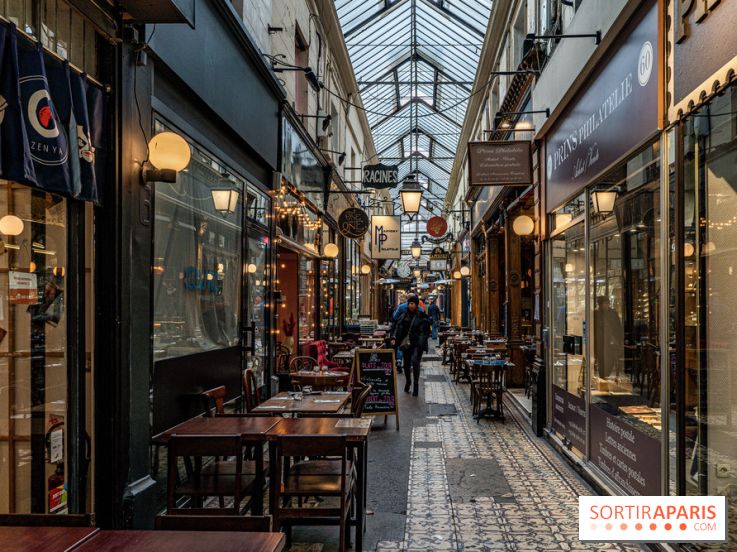
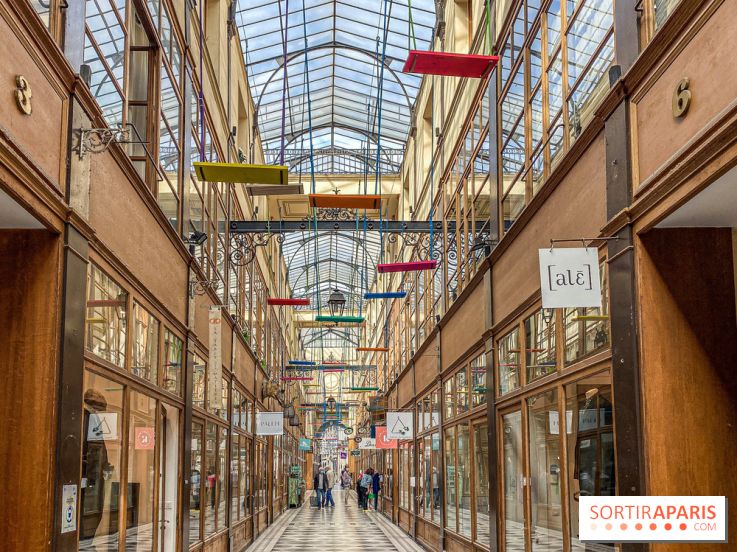
Timeless covered passage guide

Guide des plus beaux passages couverts de ParisGuide des plus beaux passages couverts de ParisGuide des plus beaux passages couverts de ParisGuide des plus beaux passages couverts de Paris

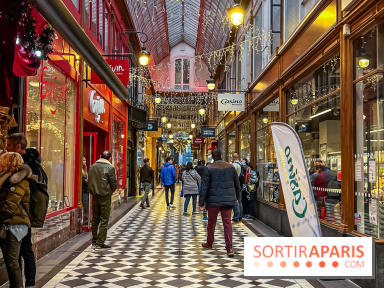
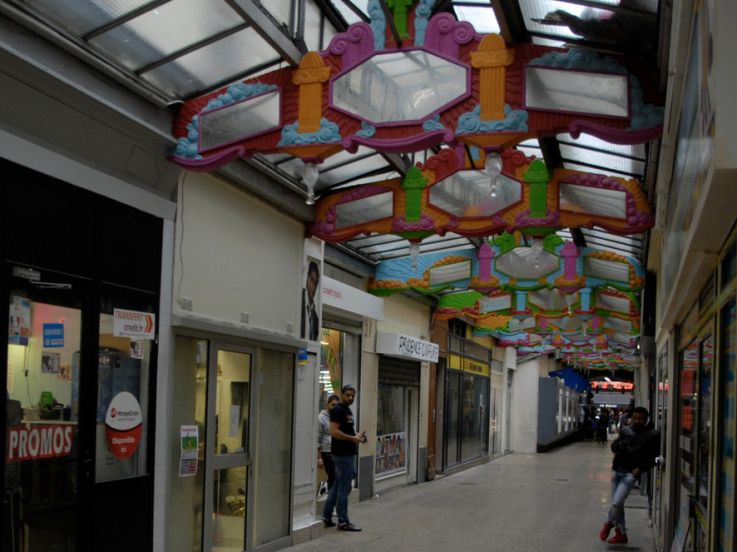
The Passage des Princes, a covered passage that was completely razed... only to be rebuilt.

A stone's throw from the Grands Boulevards, the Passage des Princes has a rather tumultuous history. Opened in 1860, it was completely demolished in 1985 and rebuilt ten years later; this covered passage in the 2nd arrondissement is also regarded as the last of its kind to be erected in Paris in the 19th century.
Guide des plus beaux passages couverts de ParisGuide des plus beaux passages couverts de ParisGuide des plus beaux passages couverts de ParisGuide des plus beaux passages couverts de Paris

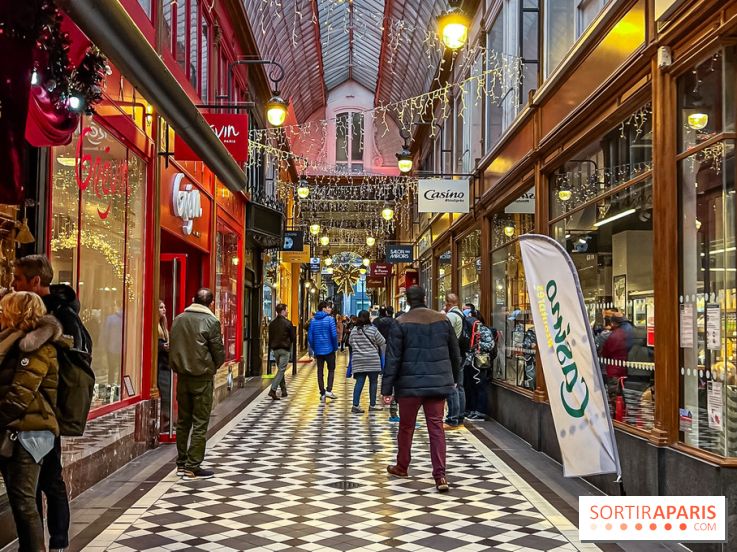
The Passage Choiseul, one of Paris's longest covered passages

Under its long glass roof, the Passage Choiseul stretches nearly 200 meters through Paris’s 2nd arrondissement. Opened in 1827, this shopping arcade has welcomed writers, publishers, fashion designers, and theatergoers from the nearby venues.

Le Passage du Bourg-l'AbbéLe Passage du Bourg-l'AbbéLe Passage du Bourg-l'AbbéLe Passage du Bourg-l'Abbé

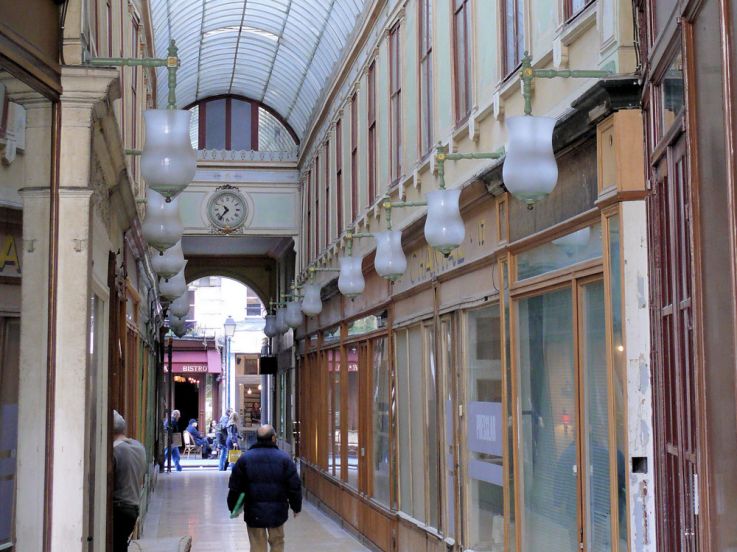
The Bourg-l'Abbé Passage, a covered arcade saved from Paris's transformations

A stone’s throw from the Passage du Grand-Cerf, the Passage du Bourg-l’Abbé has become more discreet. This covered arcade in Paris’s 2nd arrondissement, built in 1828, now stretches only 47 meters. Behind its monumental entrance lie a glass roof, ancient decorations and two imposing caryatids laden with symbols.
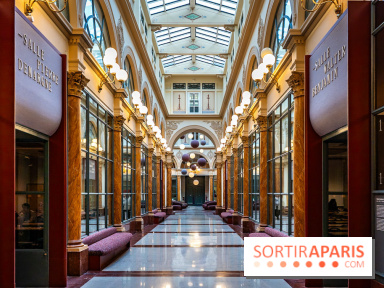
Le Passage des Deux-PavillonsLe Passage des Deux-PavillonsLe Passage des Deux-PavillonsLe Passage des Deux-Pavillons

Passage des Deux-Pavillons, Paris’s smallest covered passage.

Just a few metres from the Palais-Royal, a covered Parisian passage winds its way between two streets in the 1st arrondissement. Measuring a mere 33 metres, the Passage des Deux-Pavillons dates back to 1820 and still preserves decor inspired by its famed neighbour, the Galerie Vivienne.
Le Passage du PradoLe Passage du PradoLe Passage du PradoLe Passage du Prado

The Passage du Prado, a covered arcade that predates the French Revolution

In the 10th arrondissement of Paris, the Passage du Prado hardly resembles the elegant galleries of the Palais-Royal. Created in 1785, this historic passage waited until 1925 to gain its Art Deco glass roof. With its right-angled layout, its rotunda and its colors, it conceals a history dating back over two centuries.
La Galerie de la MadeleineLa Galerie de la MadeleineLa Galerie de la MadeleineLa Galerie de la Madeleine

The Madeleine Gallery, a covered passage hidden behind the Church of La Madeleine

Just steps from the Madeleine Church in Paris’s 8th arrondissement, a 19th-century gallery slips quietly under the radar. Built in 1845, the Galerie de la Madeleine preserves its glass roof, its caryatids, and its elegant storefronts across a mere 53 meters.
La Galerie Colbert, le passage couvert parisien, voisin de la Galerie VivienneLa Galerie Colbert, le passage couvert parisien, voisin de la Galerie VivienneLa Galerie Colbert, le passage couvert parisien, voisin de la Galerie VivienneLa Galerie Colbert, le passage couvert parisien, voisin de la Galerie Vivienne

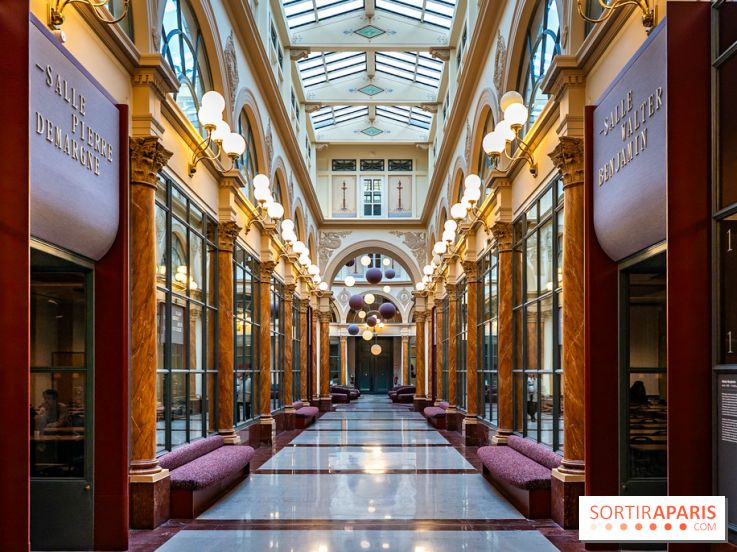
Are you familiar with this little-known covered passage that’s getting a major facelift, located near the Galerie Vivienne?

In Paris’s 2nd arrondissement, the Galerie Colbert has just completed a three-year restoration project spanning from 2022 to 2025. Join us as we revisit this cultural jewel and delve into the fascinating story behind its unique heritage.
Passage JouffroyPassage JouffroyPassage JouffroyPassage Jouffroy

Did you know? Passage Jouffroy hides a gold ingot and Paris's first fast-food restaurant!

The Passage Jouffroy, located between the Grands Boulevards and rue de la Grange-Batelière, is a place rich in surprises and historical anecdotes. Built in 1846, it is famous for its metal architecture and glass roof, which have inspired many other Parisian passages. This emblematic site is home to unique boutiques and an unusual story revolving around a mysterious gold ingot that caused a sensation in the 19th century. To get there, you can enter either from Boulevard Montmartre at the Musée Grévin, or from Rue de la Grange-Batelière, each entrance offering a different perspective on this space steeped in history.
La Galerie Vivienne, le passage couvert le plus charmant de Paris - photosLa Galerie Vivienne, le passage couvert le plus charmant de Paris - photosLa Galerie Vivienne, le passage couvert le plus charmant de Paris - photosLa Galerie Vivienne, le passage couvert le plus charmant de Paris - photos

Did you know? The Galerie Vivienne, Paris's most charming covered passageway, is built on a former cemetery.

Discover the Galerie Vivienne, a historic gem in the heart of Paris, open since 1826 and listed as a historic monument. It's a must-see in Paris, especially when it rains.
Galerie Vero-Dodat - passage couvert 1er arrondissement de Paris - photosGalerie Vero-Dodat - passage couvert 1er arrondissement de Paris - photosGalerie Vero-Dodat - passage couvert 1er arrondissement de Paris - photosGalerie Vero-Dodat - passage couvert 1er arrondissement de Paris - photos

The Galerie Véro-Dodat, a little-known covered passage with the charm of Paris 1826

Discover the Galerie Véro-Dodat in Paris, a jewel of the XIXᵉ century, one of the most beautiful yet little-known covered passageways, nestled between rue Jean-Jacques Rousseau and rue du Bouloi. We tell you all about its history and what you can find there...
Passage couvert Paris - Passage du CairePassage couvert Paris - Passage du CairePassage couvert Paris - Passage du CairePassage couvert Paris - Passage du Caire

Did you know? The Passage du Caire is the oldest passageway in Paris. Discover its history.

The little-known Passage du Caire, located in the popular rue Saint-Denis district, offers a journey back in time. Built in 1798, this historic Paris landmark has retained a certain austerity, but is well worth a visit for its incredible history. We tell you all about it!