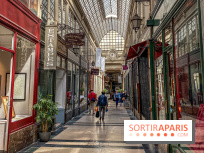
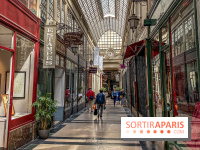
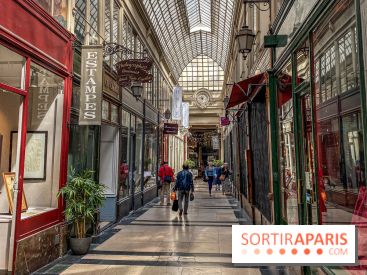
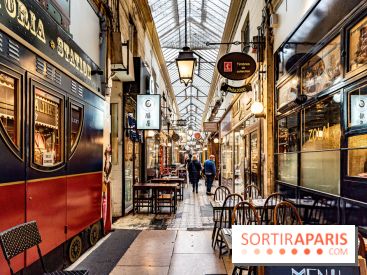
Take the stroll as far as Strasbourg-Saint-Denis to stumble upon one of the most singular passages couverts in Paris. The Passage du Prado connects 18 boulevard Saint-Denis to 12 rue du Faubourg-Saint-Denis, spanning about 120 meters in length and 4 meters wide.
Its history begins in 1785, four years before the French Revolution. It then bore the name Passage du Bois-de-Boulogne, in reference to a popular ball held in the area. A notable peculiarity: unlike the covered passages that would flourish in Paris in the 19th century, this one was open-air.
Its layout is no less unusual. The two arms of the passage form a right angle, joined by a rotunda that was already in place at the start of the 19th century — it appears notably on a plan drawn up in 1808. The site gradually opens to shops and activities, including a Mont‑de‑Piété agent.
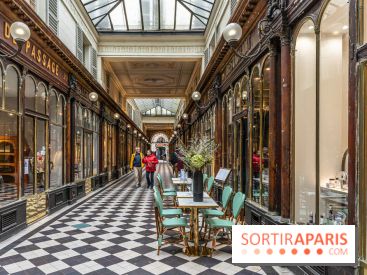
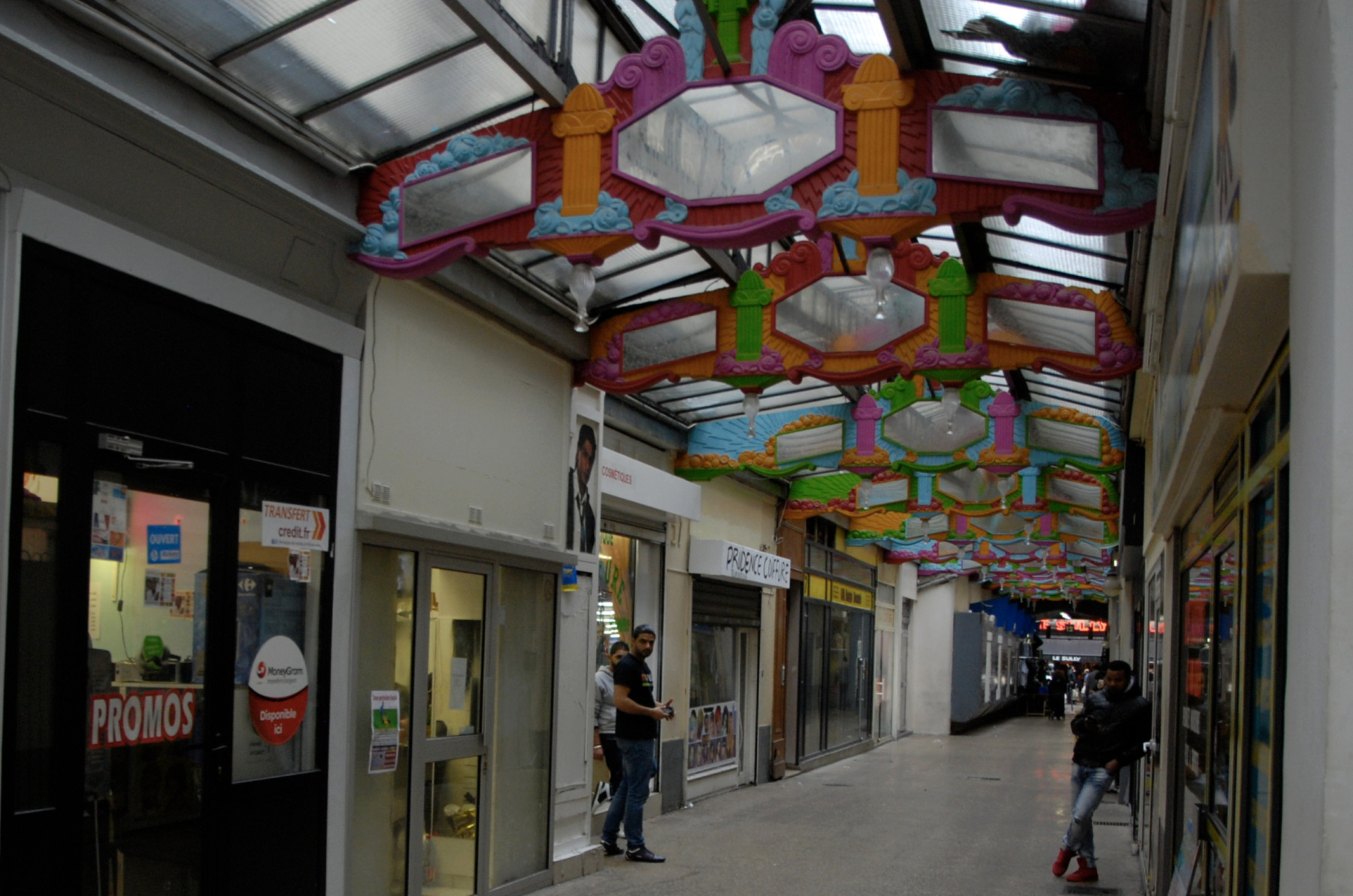
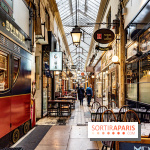
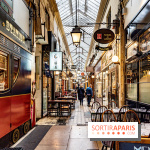
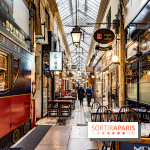
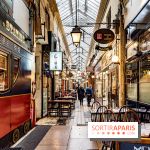
Yet it is not until 1925, 140 years after its creation, that the Passage du Prado truly becomes a covered passage. A metal-framed glass roof is installed, accompanied by characteristic period decor. Its horseshoe arches and plaster ornaments depicting flowers, fruits and columns recall the vocabulary of Art Deco, then very much in vogue with the International Exposition of Modern Decorative and Industrial Arts held in Paris that same year. It is therefore the most recent of Paris's covered passages... despite its notably ancient origins!
The name "Passage du Prado" arrives a few years later, around 1930, in reference to the famous Madrid museum. The gallery then enjoys a more prosperous period and notably welcomes many hatters. But its appearance evolves throughout the 20th century, reflecting the Faubourg-Saint-Denis district that surrounds it.
An extensive renovation was finally undertaken in 2012. Pipes, electricity, the glass roof, structures and flooring were overhauled. The floor, notably, is laid with polished asphalt embedded with shards of glass, while the mise en lumière and the color choices are entrusted to the artist Yann Kersalé. The Art Deco elements then take on much brighter hues, conceived to reflect the cosmopolitan character of the neighborhood.
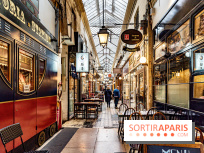
Today, the Passage du Prado still bears a distinctly different character from the Galerie Vivienne or the Passage Jouffroy. Hair salons, small shops and other businesses line its glass-roofed promenade, while its rotonda and its décor des années 1920 recall its remarkable evolution. A route born under Louis XVI, turned into a covered passage in the Années folles, voilà un raccourci de près de 2 siècles d'histoire parisienne en seulement 120 mètres!
Discover Paris' most beautiful covered passageways
Maybe you didn't know it, but Paris is home to many covered passageways. Discover the 12 most beautiful covered passageways in Paris! [Read more]
Location
Prado Passage
16 Boulevard Saint Denis
75010 Paris 10
Route planner


















 Discover Paris' most beautiful covered passageways