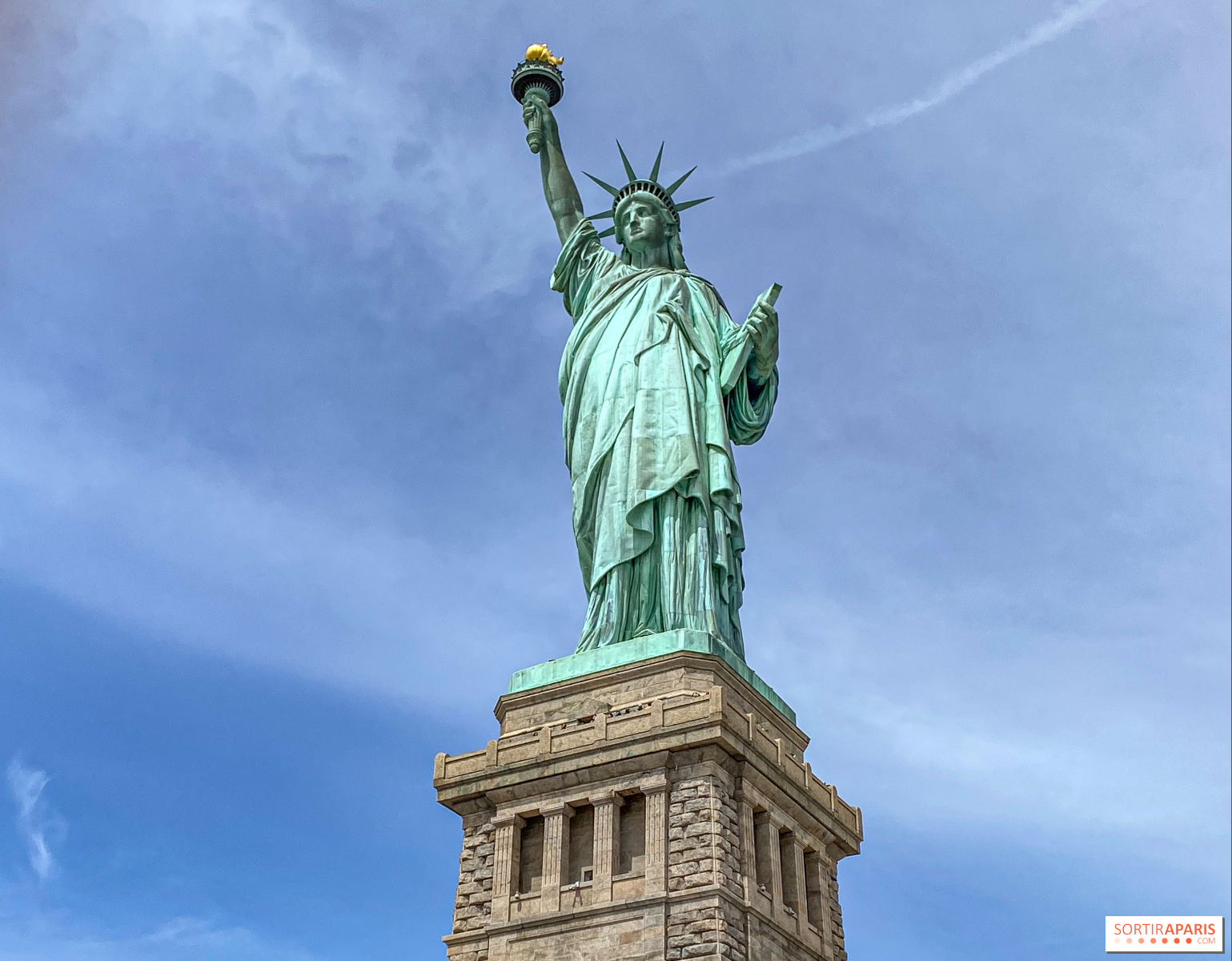
Who would have thought that one of the symbols of New York was born in Paris, in the 17th arrondissement? The Statue of Liberty, inaugurated in New York in October 1886 asLiberty Enlightening the World , was born far from American shores. This emblematic monument, designed by French sculptor Auguste Bartholdi, was first erected in a district of Paris's 17th arrondissement, at 25 rue de Chazelles, before moving to Liberty Island. Behind this work lies a little-known story, rooted in the French capital, between diplomacy, craftsmanship and industrial prowess.
The project was launched in 1866 by Édouard de Laboulaye, a French jurist and politician, who wanted to give the United States a monument celebrating Franco-American friendship and the independence they had won in 1776. He entrusted the task to a young sculptor from Alsace, Frédéric Auguste Bartholdi. But the project was put on hold when the Franco-Prussian war broke out in 1870, and Alsace was lost. It was not until 1873, under the impetus of President Adolphe Thiers, that the statue was relaunched.
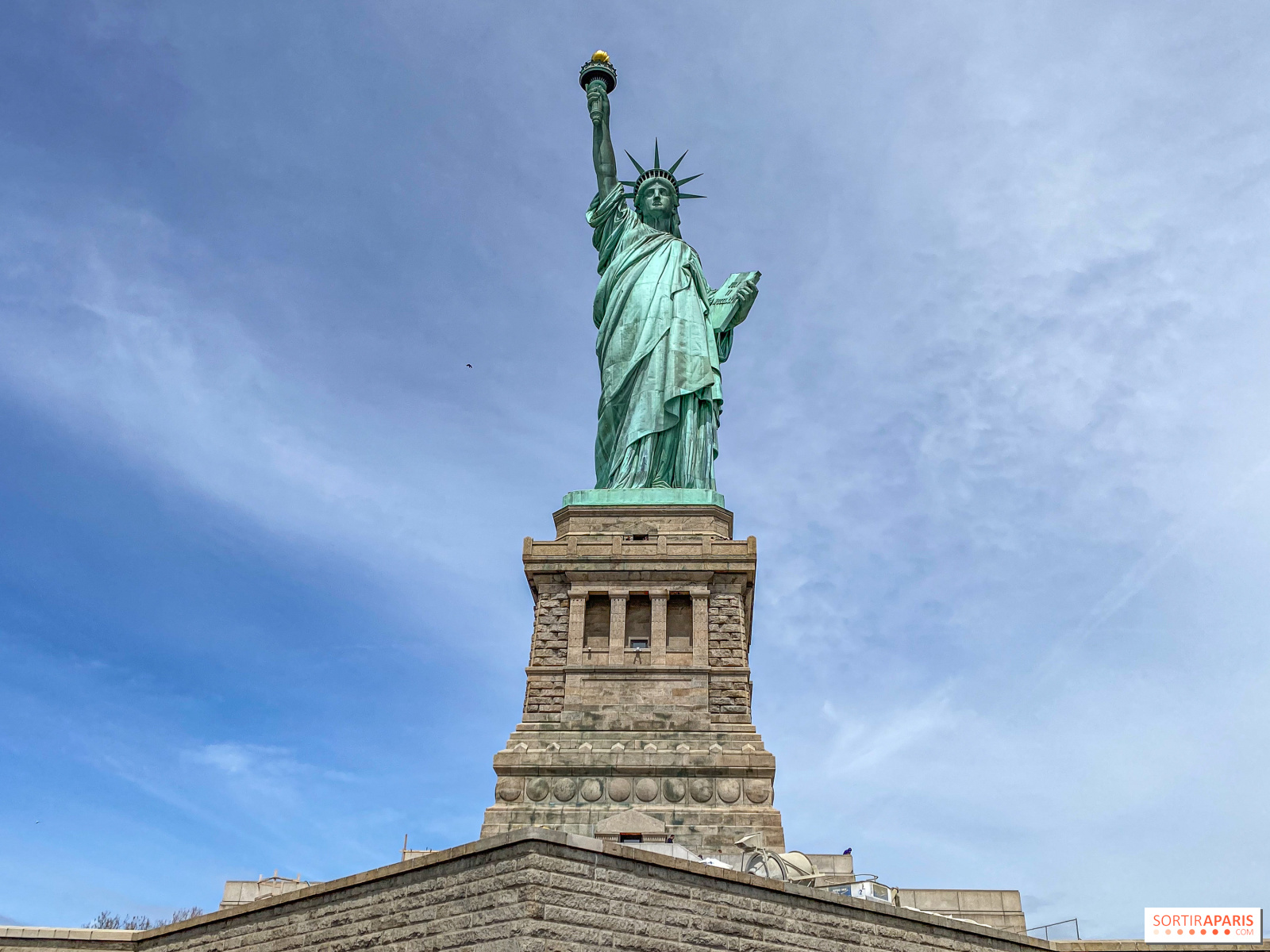
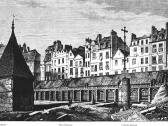
The construction site was set up in the Plaine-Monceau district, on land belonging to Gaget-Gauthier et Cie. It was here that Bartholdi gradually assembled his copper colossus, in collaboration with the architect Eugène Viollet-le-Duc and then, after the latter's death, with Gustave Eiffel, who designed an internal metal frame independent of the cladding. The chosen technique, repoussé, involves cold-molding copper sheets on wooden molds.
Over the months, the statue took shape, arousing the curiosity of Parisians. In the 1880s, it rose above the roofs of the neighborhood, briefly becoming the tallest monument in Paris. Pay-what-you-can tours of the studio were organized, and the press reported on this strange construction site, which intrigued as much as it fascinated.
In July 1884, the Statue of Liberty was completed. It was then dismantled into 350 pieces, transported to the Gare Saint-Lazare, then to the port of Le Havre via Rouen, before crossing the Atlantic. She arrived at her destination in June 1885, and was reassembled on her pedestal on Liberty Island. It was inaugurated on October 28, 1886 by Bartholdi himself, who unveiled the statue by removing the veil that had covered its face.
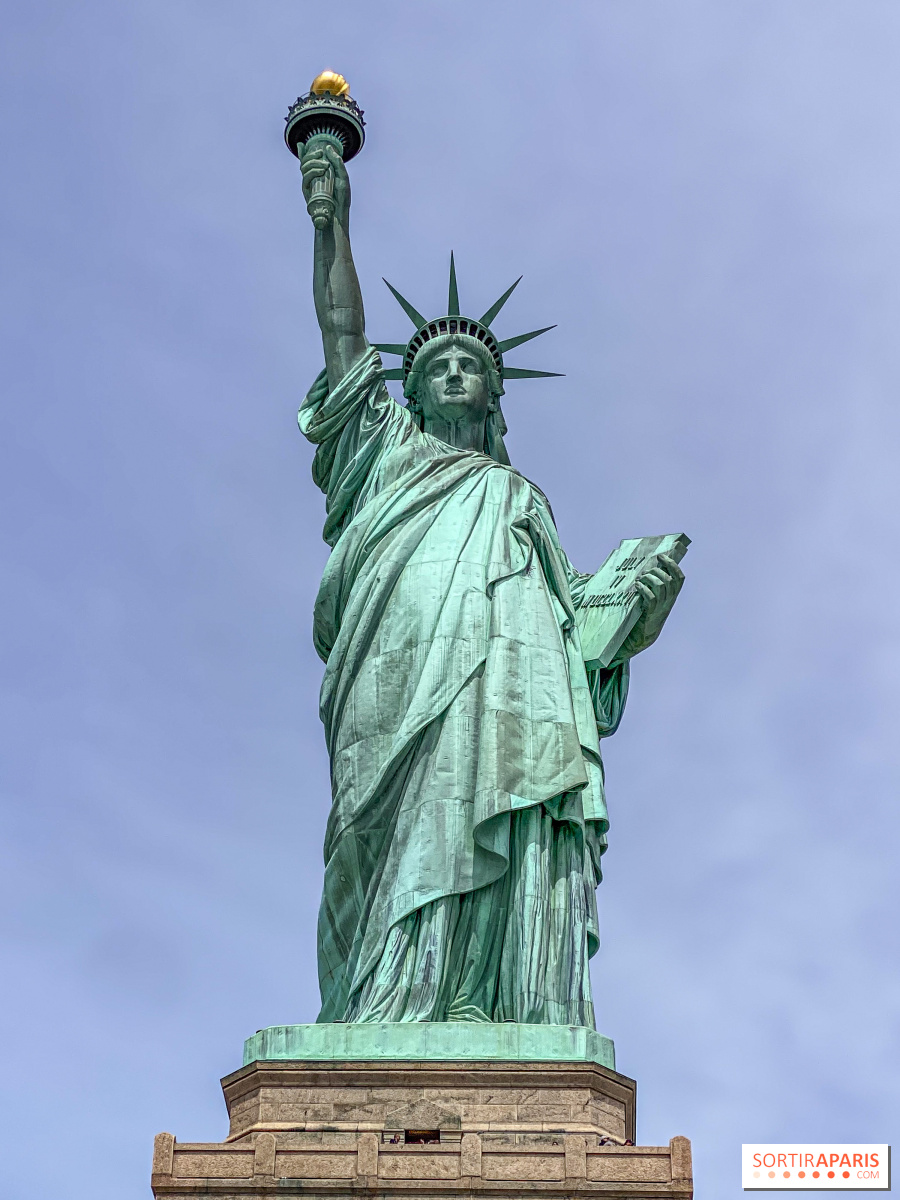
The statue, 46 meters high (93 meters with its base), welcomed millions of immigrants and now tourists in the following decades. It remains one of the most powerful symbols of New York City and the ideals of freedom.
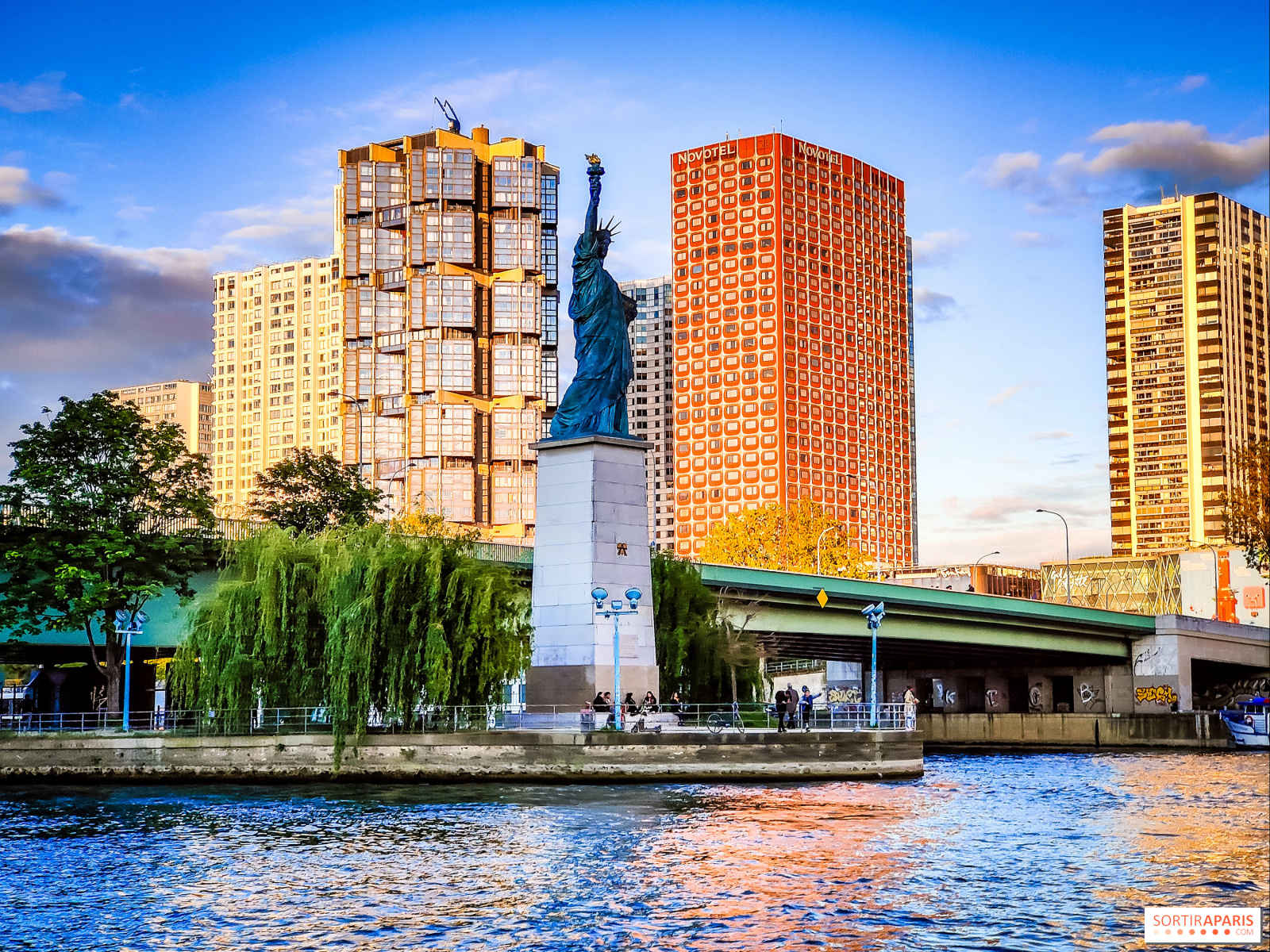
Three replicas of the Statue of Liberty can be seen in Paris. The largest, 11.5 meters high, has stood on theIle aux Cygnes since 1889. It was donated to Parisians by French citizens living in the United States. Originally oriented towards the Élysée Palace, it was turned to face west in 1937, in accordance with Bartholdi's wishes.
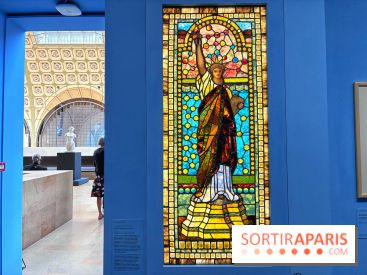
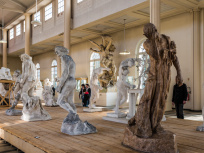
A second replica, donated by Bartholdi himself in 1900, is now in the Musée d'Orsay. It replaced a first copy that had been installed in the Jardin du Luxembourg. A third version, a copy of the latter, has been on view again in the same garden since 2012.
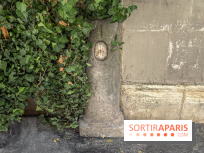
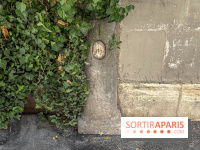
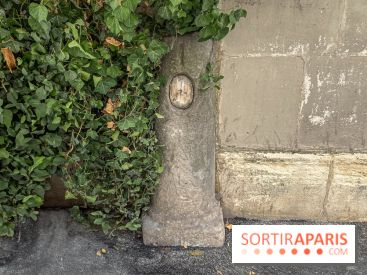
Today, few passers-by would suspect that one of the world's most famous statues was erected just a stone's throw from Parc Monceau. A discreet commemorative plaque and a "History of Paris" sign recall that 25 rue de Chazelles was once the scene of an extraordinary construction project. A painting by Dragaud in the Musée Carnavalet also bears witness to this.
Finally, there's an anecdote surrounding this project. The foundryman Gaget, who founded Gaget-Gauthier, is said to have exported miniatures of the statue to the United States. The name engraved on the pedestals, mispronounced by the Americans, is said to have inspired the word... " gadget ". This linguistic invention is just one of the many traces left by this little-known story of Parisian heritage.
This page may contain AI-assisted elements, more information here.