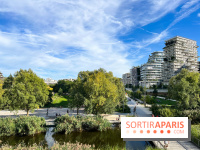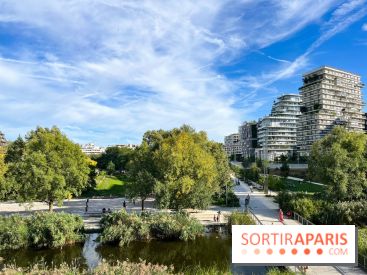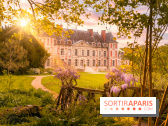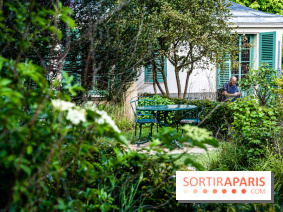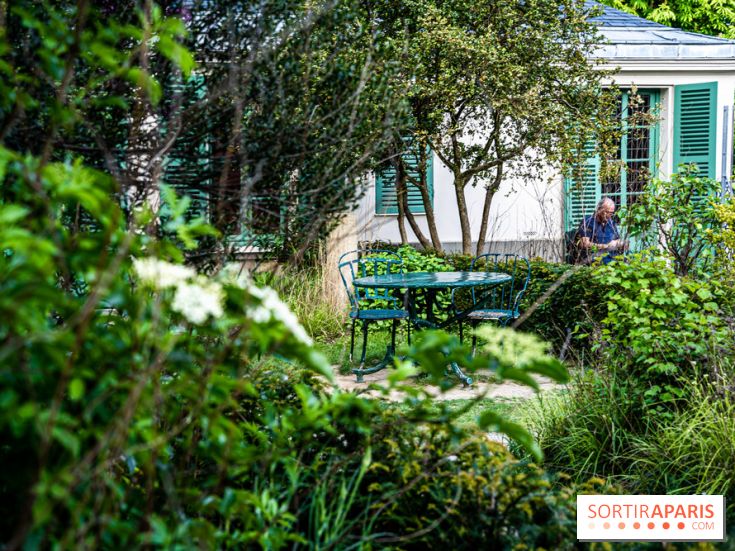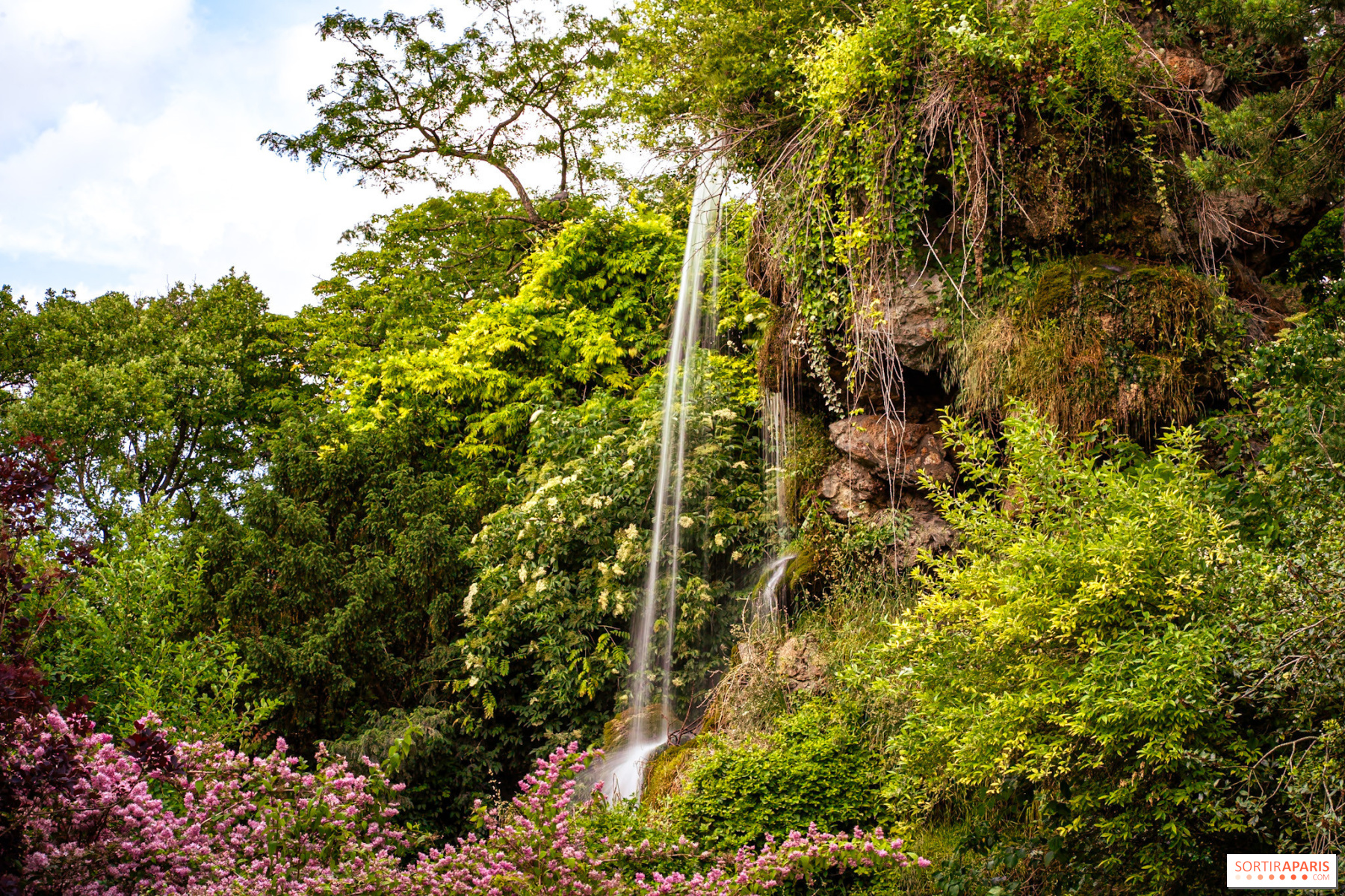
Located to the west of Paris, in the 16th arrondissement, the Bois de Boulogne is now a must-visit green space, sprawling across 846 hectares of lush greenery. Yet, behind its cycling paths and tranquil lakes lies a royal history dating back over twenty centuries. This vast green lung, beloved by Parisians today, was long before a private hunting ground for France’s monarchs.
Everything begins with the ancient Rouvray Forest, a vast stretch of woodland that once stretched far beyond the boundaries we know today. It covered areas now known as the forests of Montmorency, Saint-Germain-en-Laye, Chaville, and Meudon. Its name derives from the oak trees called rouvres, a smaller variety of the common oak that once populated this land. According to the City of Paris, it was King Dagobert of the Franks—who reigned from 629 to 639—who came here to hunt bear, deer, and all kinds of game amid these oaks.

As for the name "Boulogne," it actually arrived much later. Around 1315, King Philip the Fair built a small chapel there after making a pilgrimage to Boulogne-sur-Mer, and the surrounding woods naturally adopted the name. It's an etymological detail that few visitors consider when strolling through the park's paths today.

Over the centuries, the forest evolves into a highly sought-after royal estate. According to Wikipedia, King Philip II Augustus purchased most of the woodland from the monks of Saint-Denis to establish it as a royal hunting reserve on the monarch's land. During the reign of Francis I, a castle was even built there — the famous Château de Madrid — transforming the site into a true hub of courtly festivities. The hunting grounds were later enclosed by a wall under Henry II and Henry III, featuring eight gates to better safeguard this royal privilege from prying eyes.
It is also within these same woods that a humorous anecdote is worth sharing. During the reign of Henry III, fierce animals were kept imprisoned within the Château de Madrid, where they were made to fight bulls for the entertainment of the king. The story takes a amusing turn: one night, the king dreamt that these creatures were threatening to devour him, so the animals were killed and replaced by packs of small dogs, according to archived records from the National Library of France on Gallica.

During the Hundred Years' War, the forest served as a hideout for bandits before officially being designated as a royal hunting reserve in the 16th century. It is also within this setting that the Montgolfier brothers first launched their hot air balloon — a surprising chapter in the story of a hunting forest.
The transition from royal domain to public space was far from smooth. The woodland remained partially closed for a time, allowing Louis XVI to hold hunting parties before eventually opening it fully to the public. The Revolution, followed by the Napoleonic Wars, left deep scars: enemy troops occupied and partially ravaged the forest as they encamped there during the French campaign.
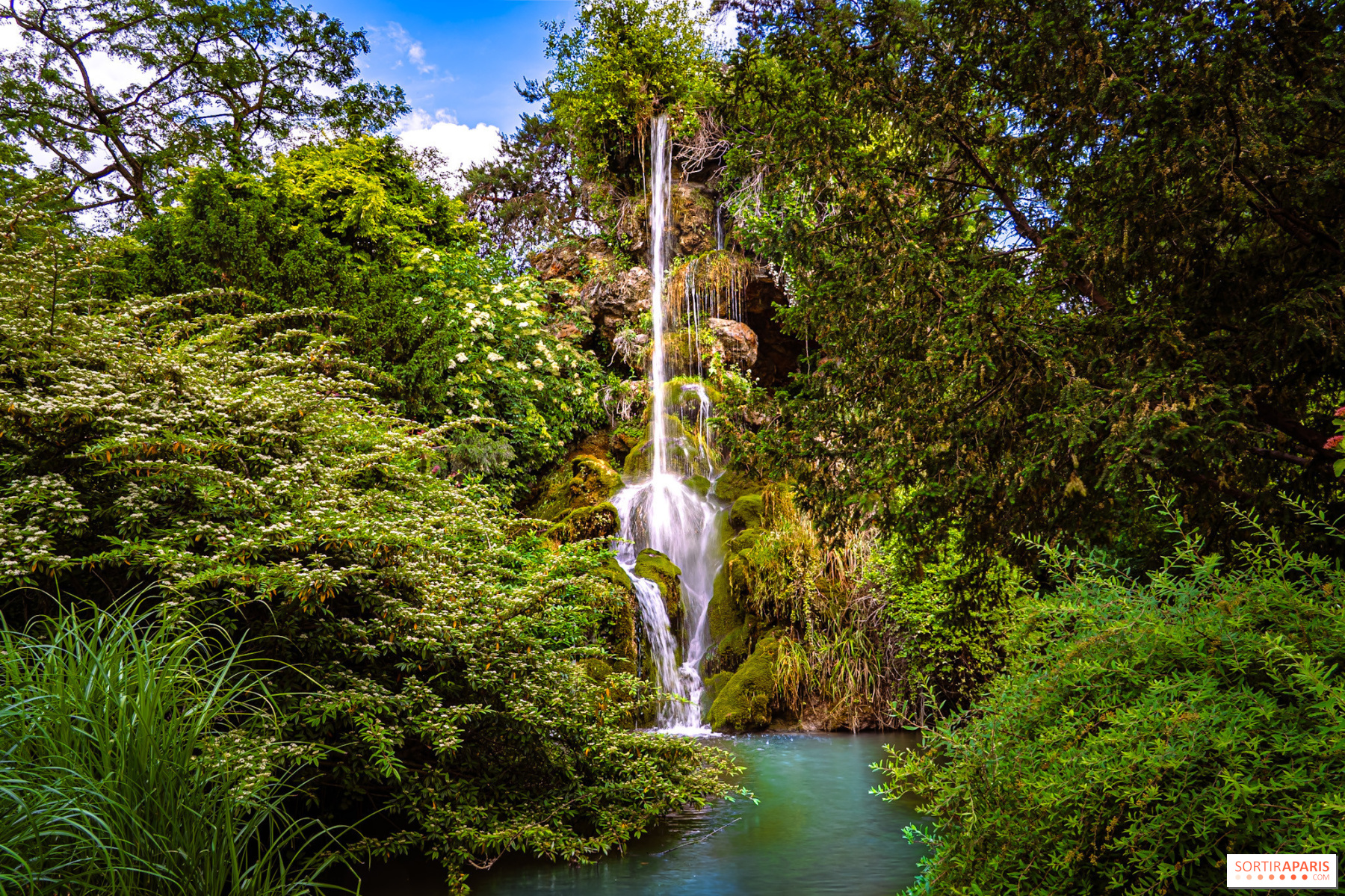
It is ultimately under Napoleon III that woodlands enter their modern era. The emperor drew inspiration from the English landscape parks he encountered during his exile in London: over four hundred thousand trees were planted, and lakes and rivers were excavated. Landscape architect Adolphe Alphand completely redesigned the area, and it was during this period that the Grand Cascade was also conceived. Designed in 1856 by engineer Eugène Belgrand, this 12-meter artificial waterfall is complemented by an elegant pavilion that originally served as a hunting lodge for Napoleon III. One can easily picture the emperor resting there after a hunt, before the site took on an even more indulgent destiny.
The history of La Grande Cascade stands out as one of Paris’s most remarkable reconversions. Once a hunting lodge of Napoleon III, the building was transformed into an elegant restaurant for the 1900 Universal Exposition, boasting a dazzling architecture that blends Empire, Belle Époque, and Art Nouveau styles. Its glass roof, topped with an impressive green metal marquee attributed to Gustave Eiffel, now makes it one of the most iconic features of the Bois de Boulogne. Since 1965, this establishment has proudly held a Michelin star and has remained under the dedicated stewardship of the Menut family for three generations, fiercely safeguarding this extraordinary heritage.
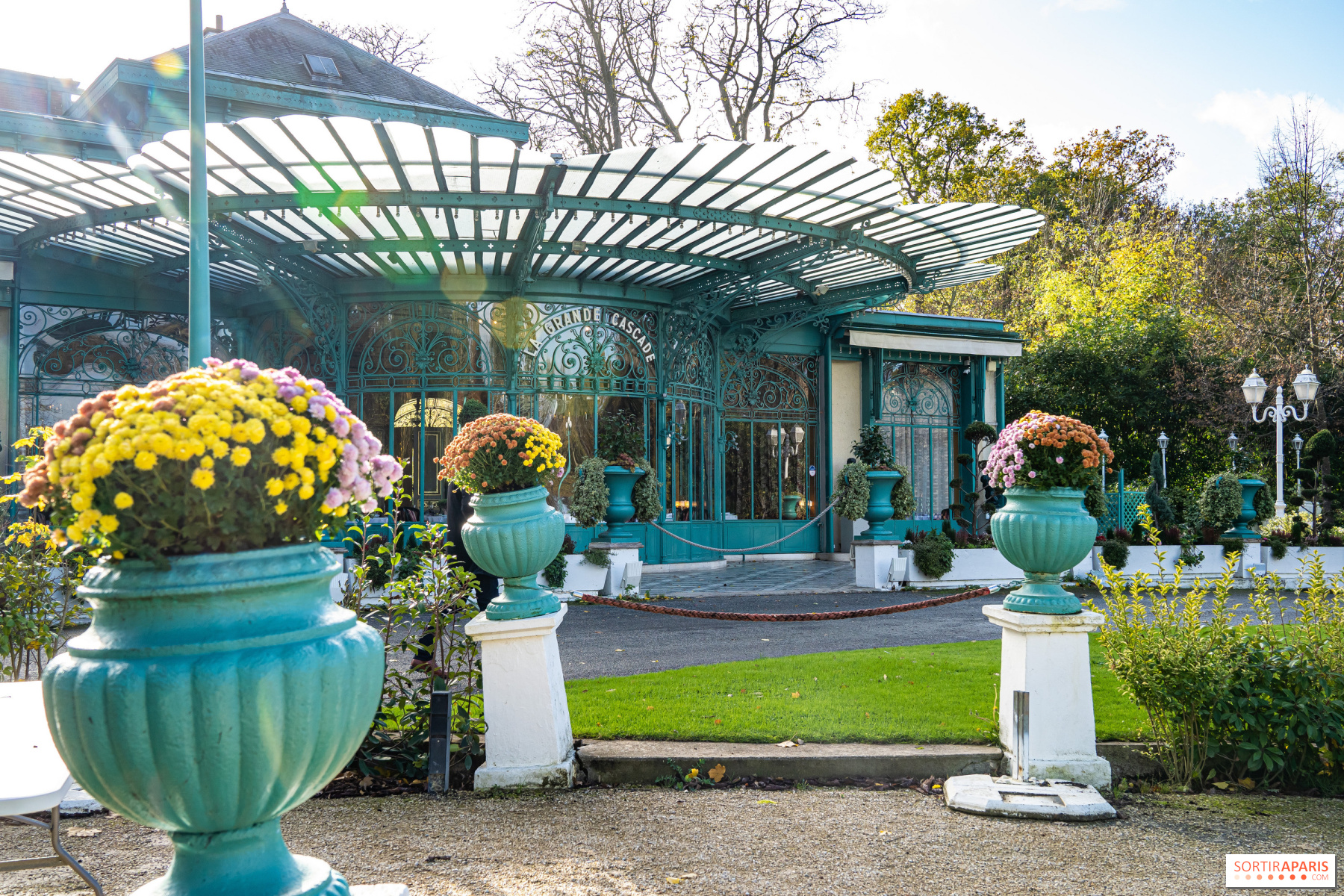
In the kitchen, Chef Frédéric Robert—a seasoned chef with stints at Bernard Pacaud and Alain Senderens—whips up classic, seasonal French dishes. His signature creation is the macaronis with celery root, foie gras, and black truffle. A culinary stop worth remembering for a different kind of outing, detailed in The Michelin Guide.
A literary anecdote to end on a note: it was after a stroll through the Bois de Boulogne that young Marcel Proust, only 9 years old, experienced his first asthma attack. The future author of In Search of Lost Time would carry a special connection to this place, rich with memories, for the rest of his life.

Today, the Bois de Boulogne attracts millions of visitors, who come to stroll, cycle, paddle on the Lower Lake, or explore the Bagatelle Park and the Jardin d'Acclimatation. It's hard to imagine, wandering beneath the oaks, that these very trees have witnessed centuries of kings, grand processions, and hunting parties.

This page may contain AI-assisted elements, more information here.
Location
Bois de Boulogne
Bois de Boulogne
75116 Paris 16
Route planner
Access
Metro line 10 station "Porte d'Auteuil" or line 9 "Ranelgah".