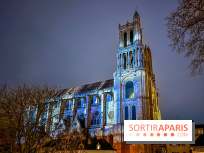
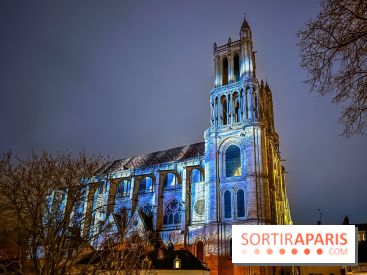
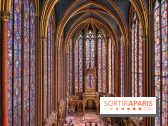
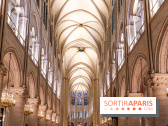
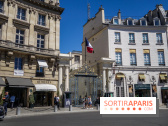
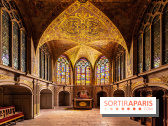
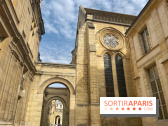
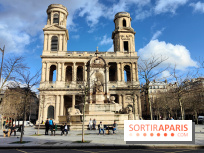
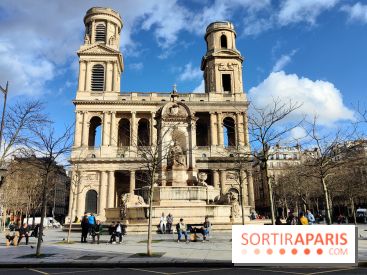
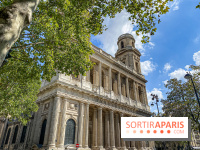
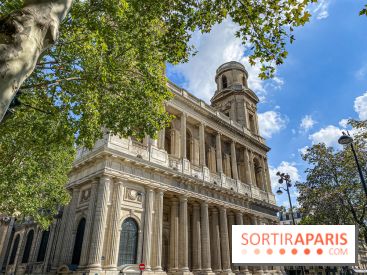
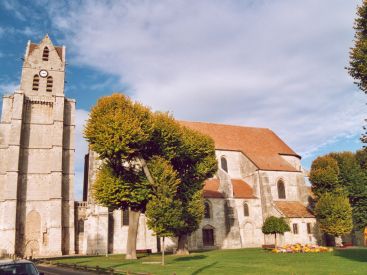
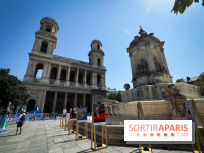
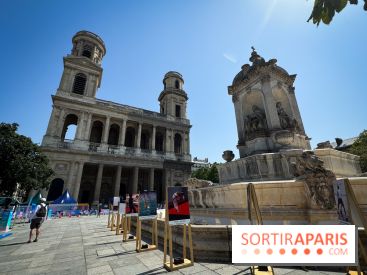
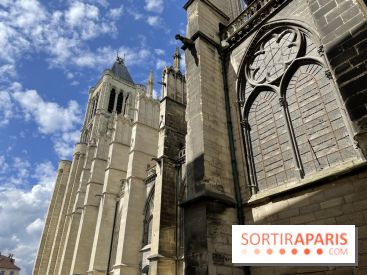
Visiting Saint-Sulpice Church is anything but a burden. This stunning church offers its own unique glimpse into the history of Paris. Towering over Place Saint-Sulpice, it nearly steals the spotlight from Notre-Dame Cathedral. Built over the remains of a 12th-century church, the current structure didn't rise overnight. Its construction took more than two centuries — from the laying of the first stone in 1646 by Anne of Austria to its completion in 1870.
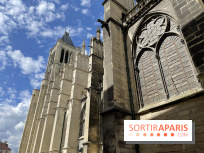
The causes: the events of La Fronde, a severe lack of financial resources, and disagreements among the architects. Clear signs of these long years of toil are the various architectural styles seen in the building, drawing inspiration at times from Jesuit art, and at other times from classical style.
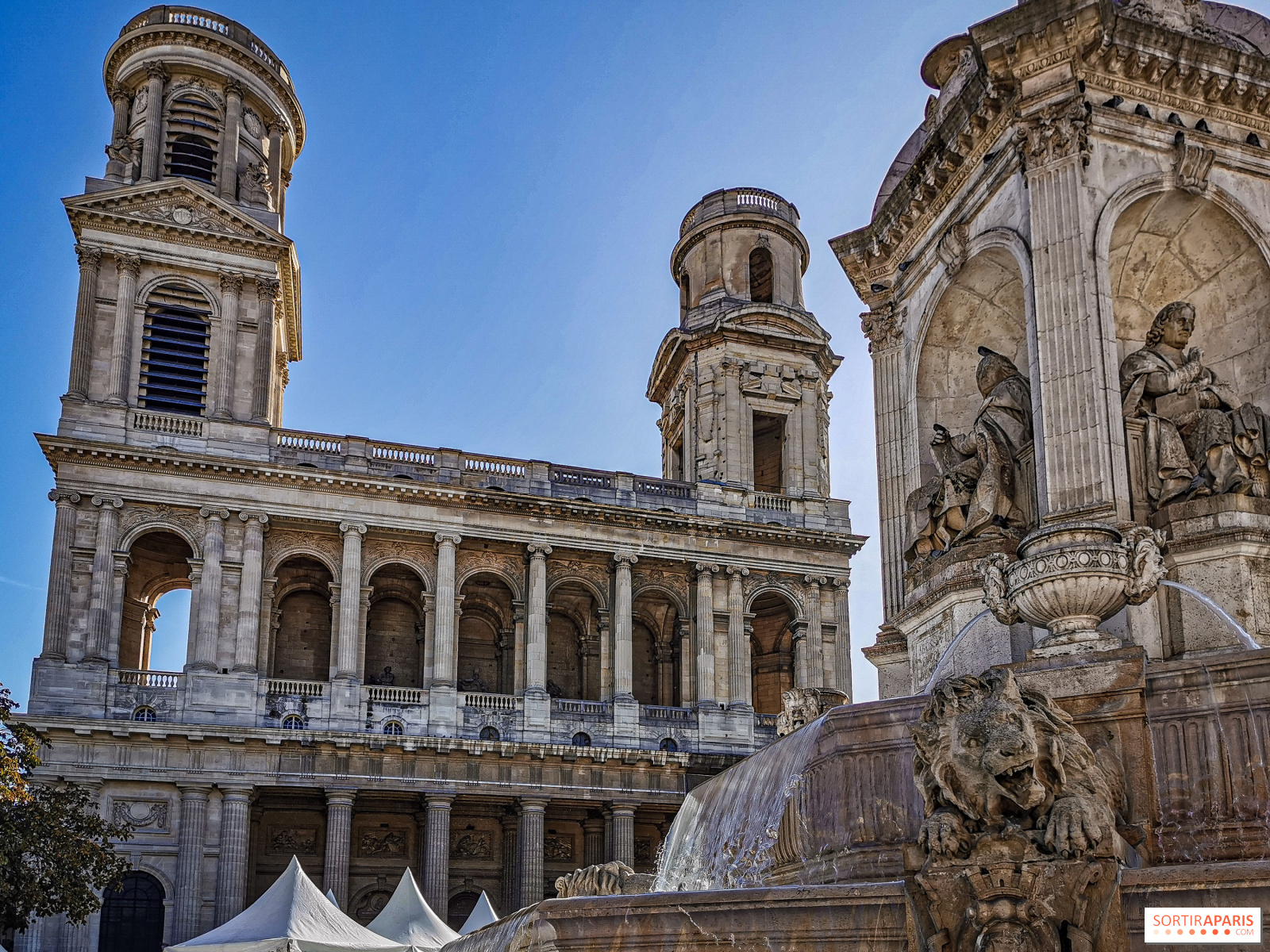
Its original arcaded façade, designed by the Florentine Servandoni, and its two 70-metre-high towers, taller than those of Notre-Dame-de-Paris, are fascinating. Speaking of the towers, you'll note that the right-hand tower was left unfinished during the French Revolution. It was in this church that Victor Hugo and Adèle Foucher were married in 1822.
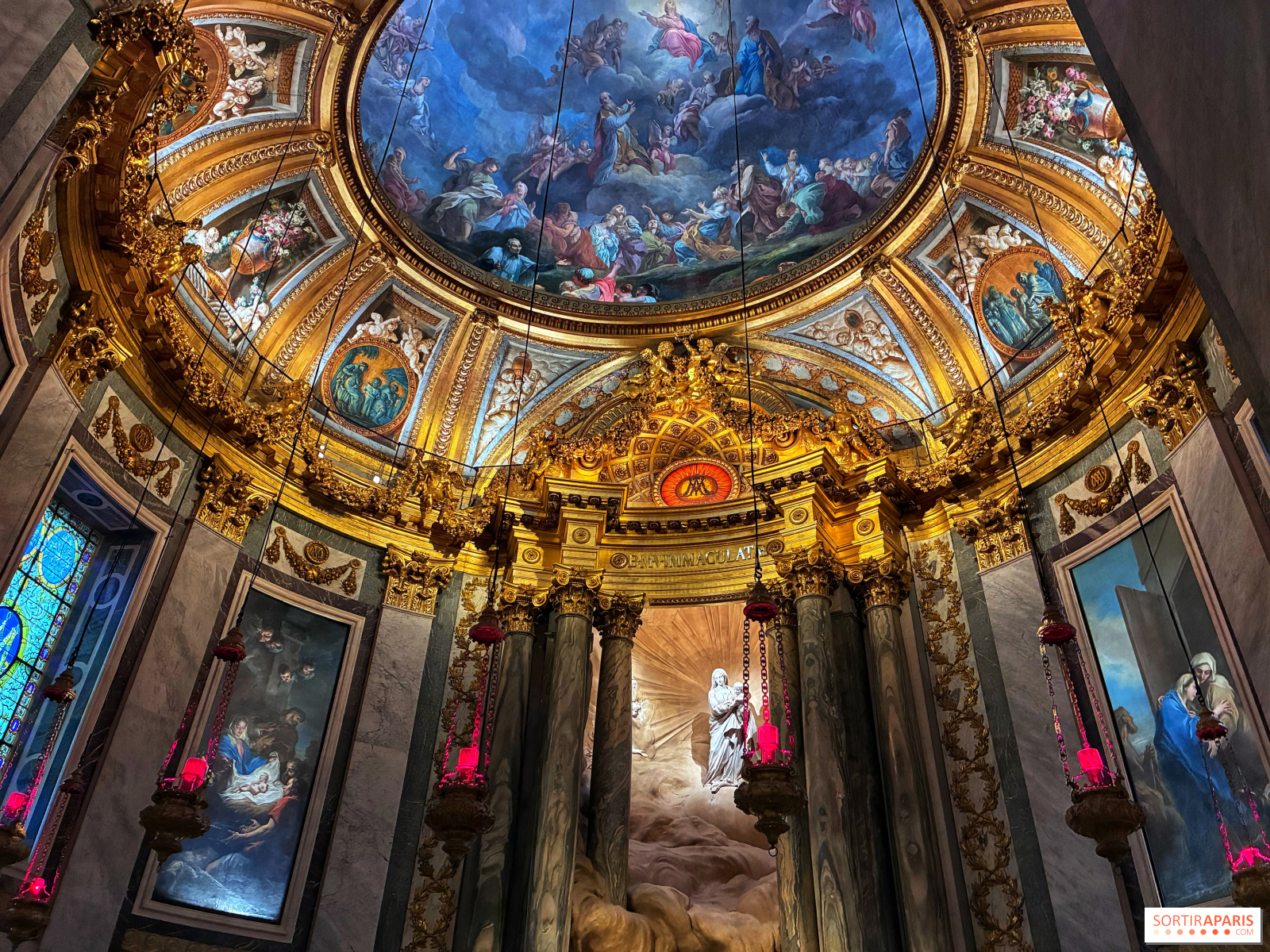
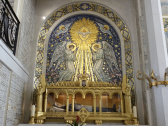
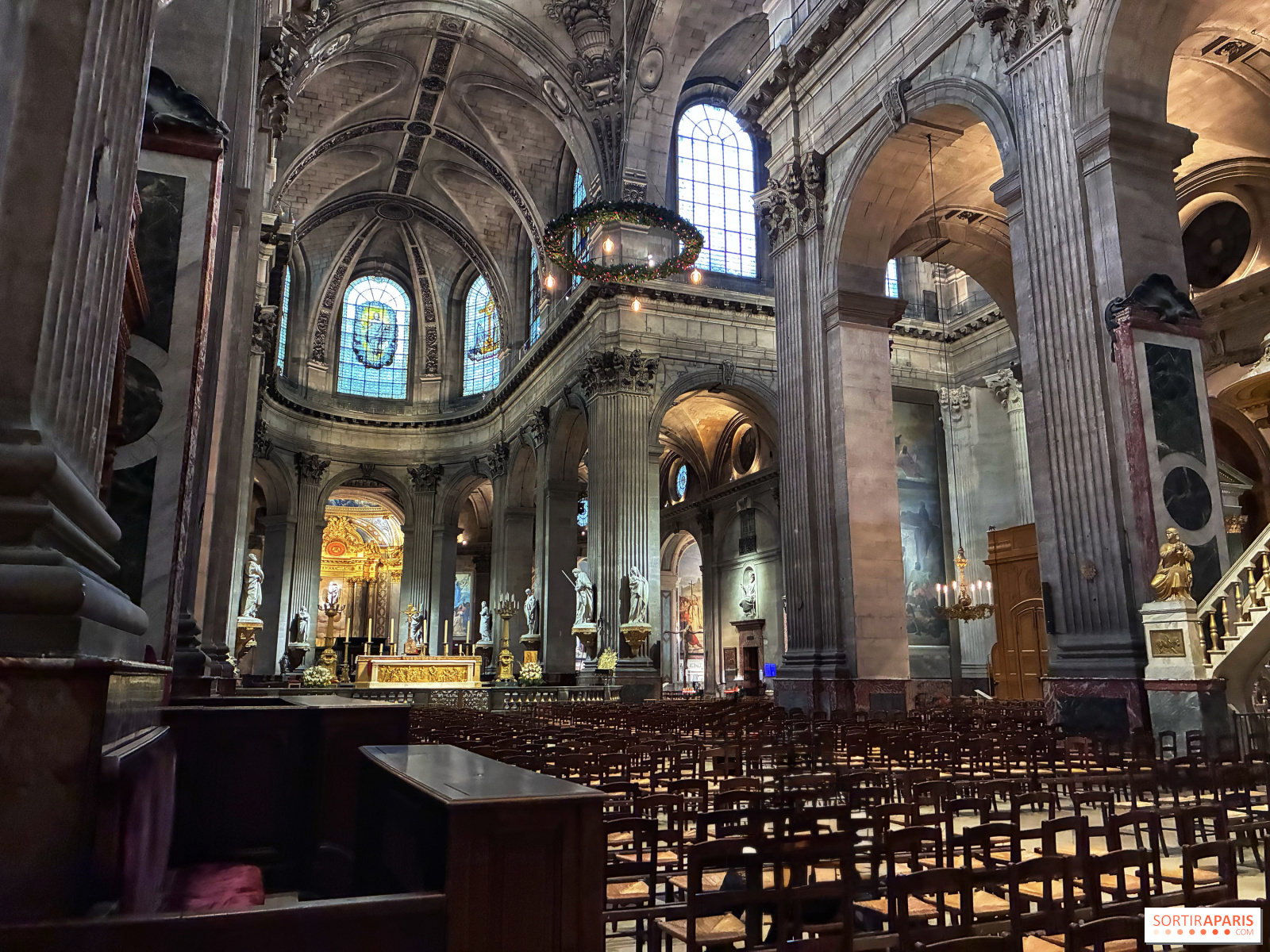
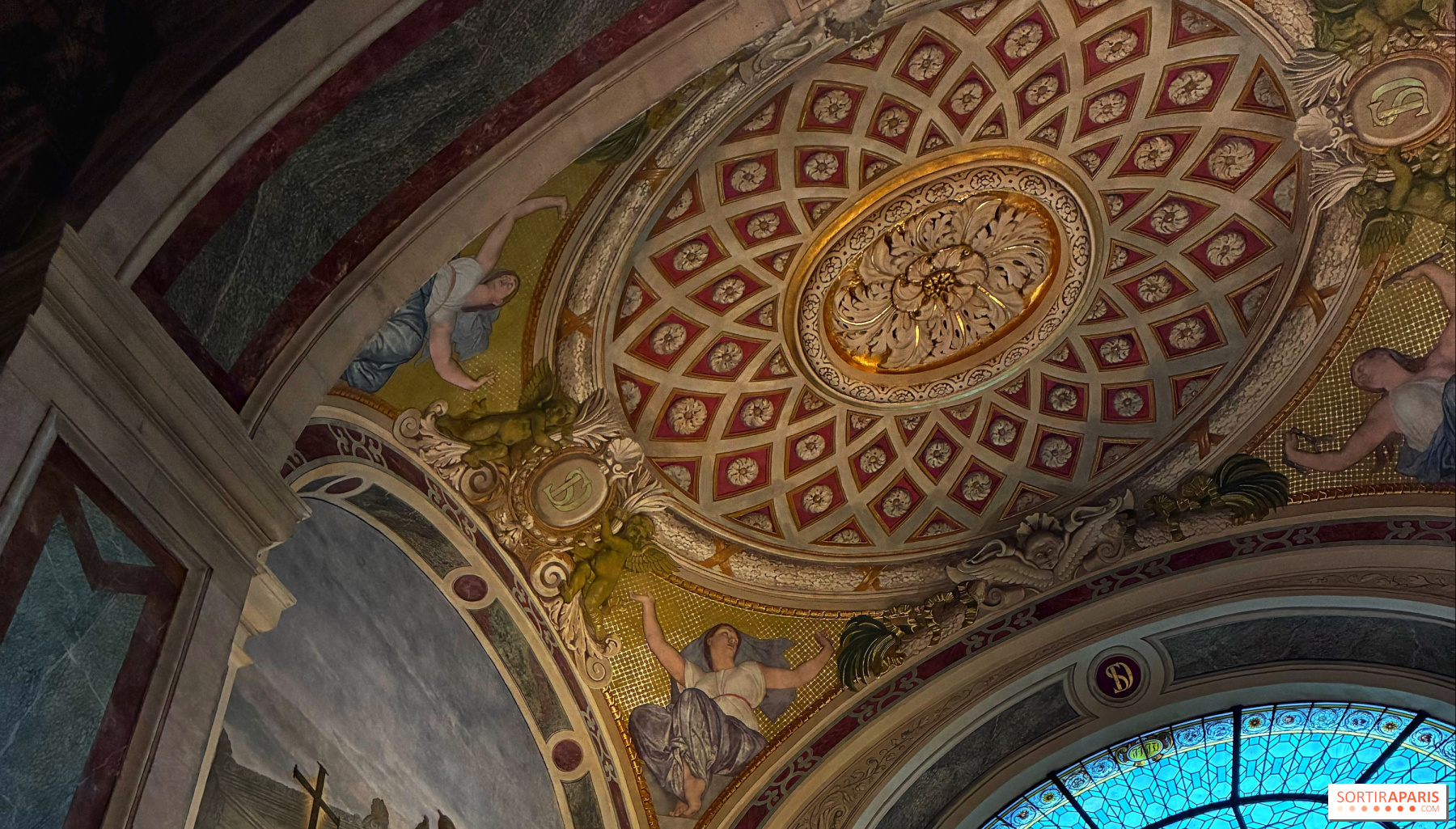
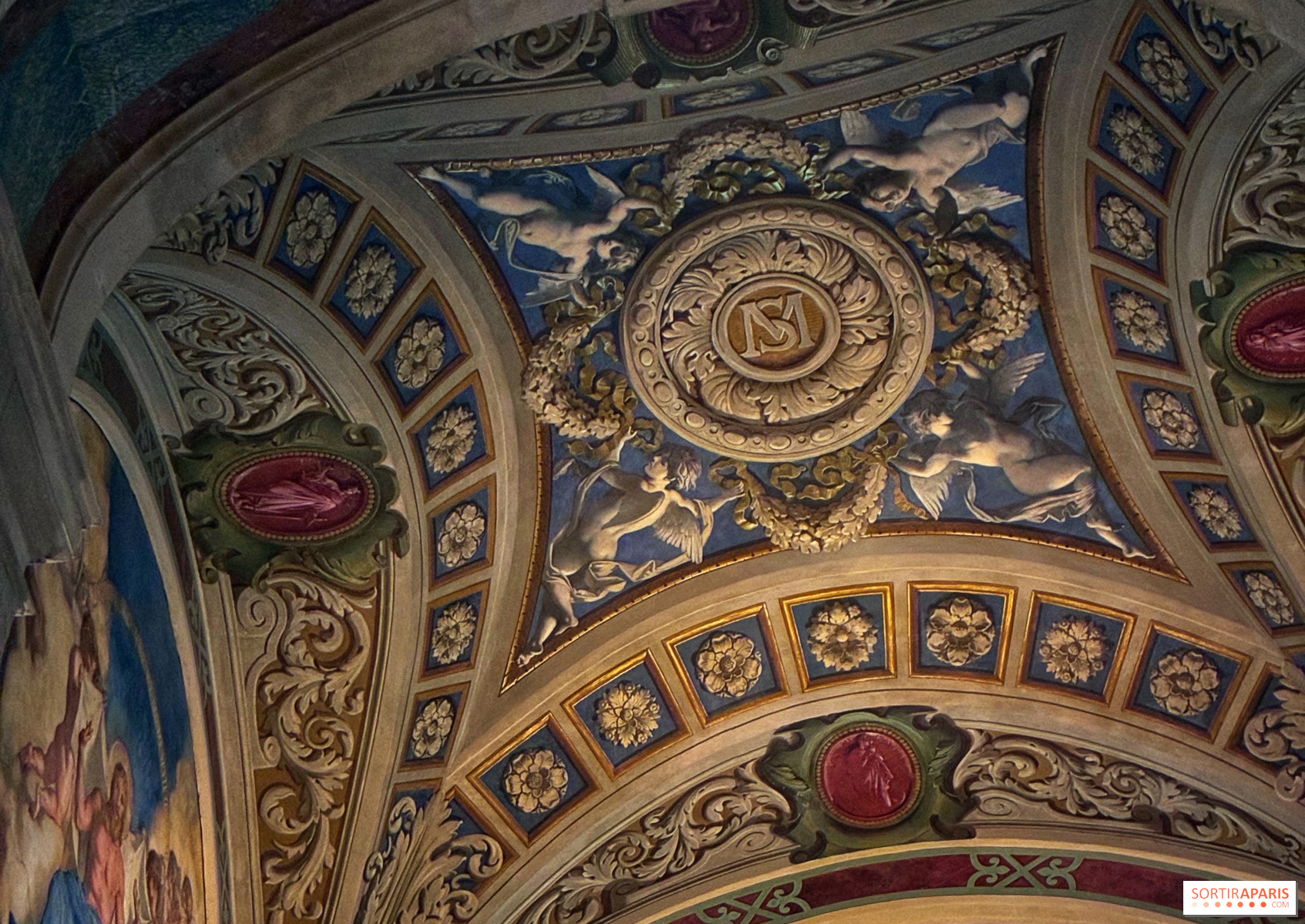
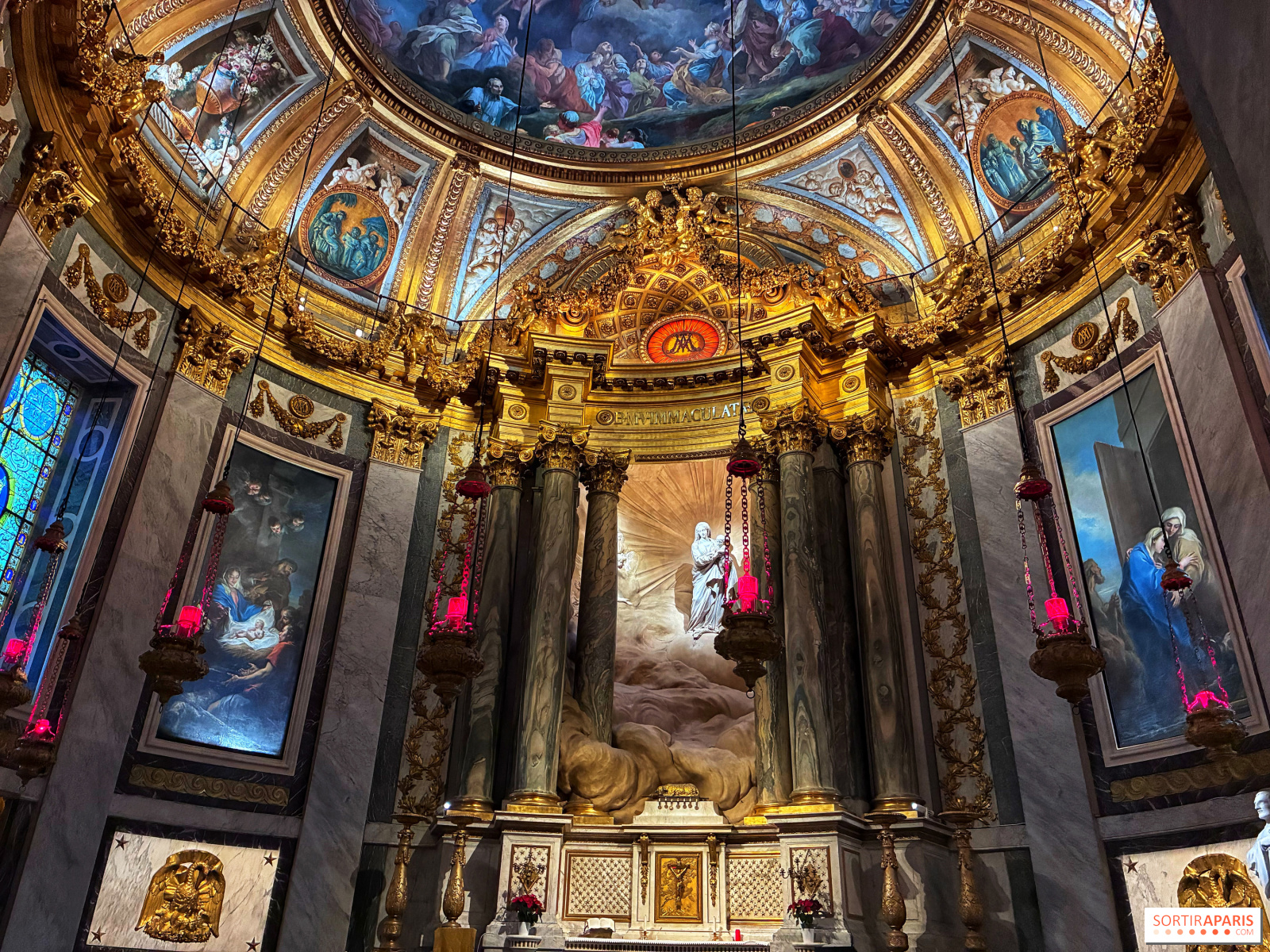
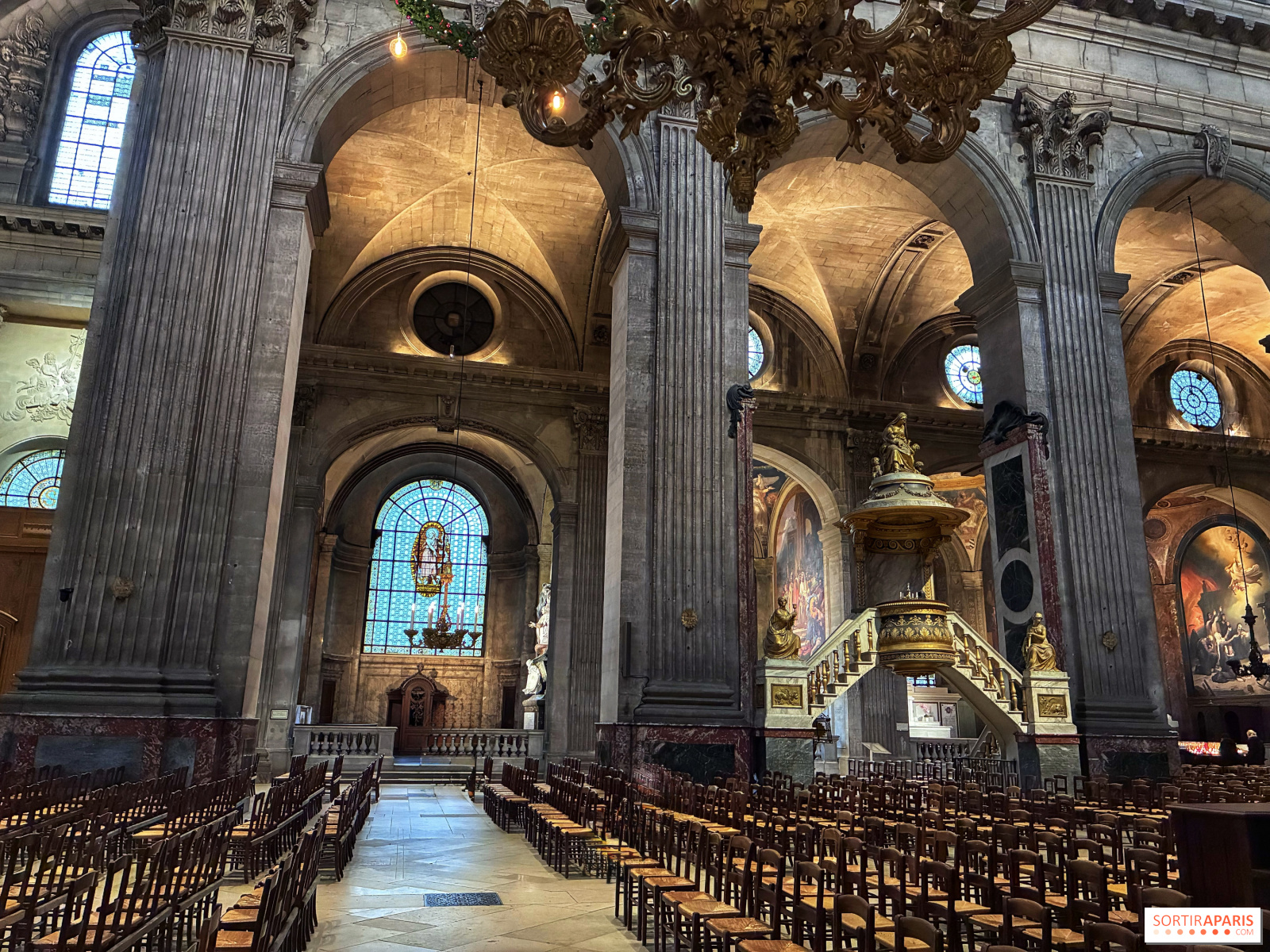
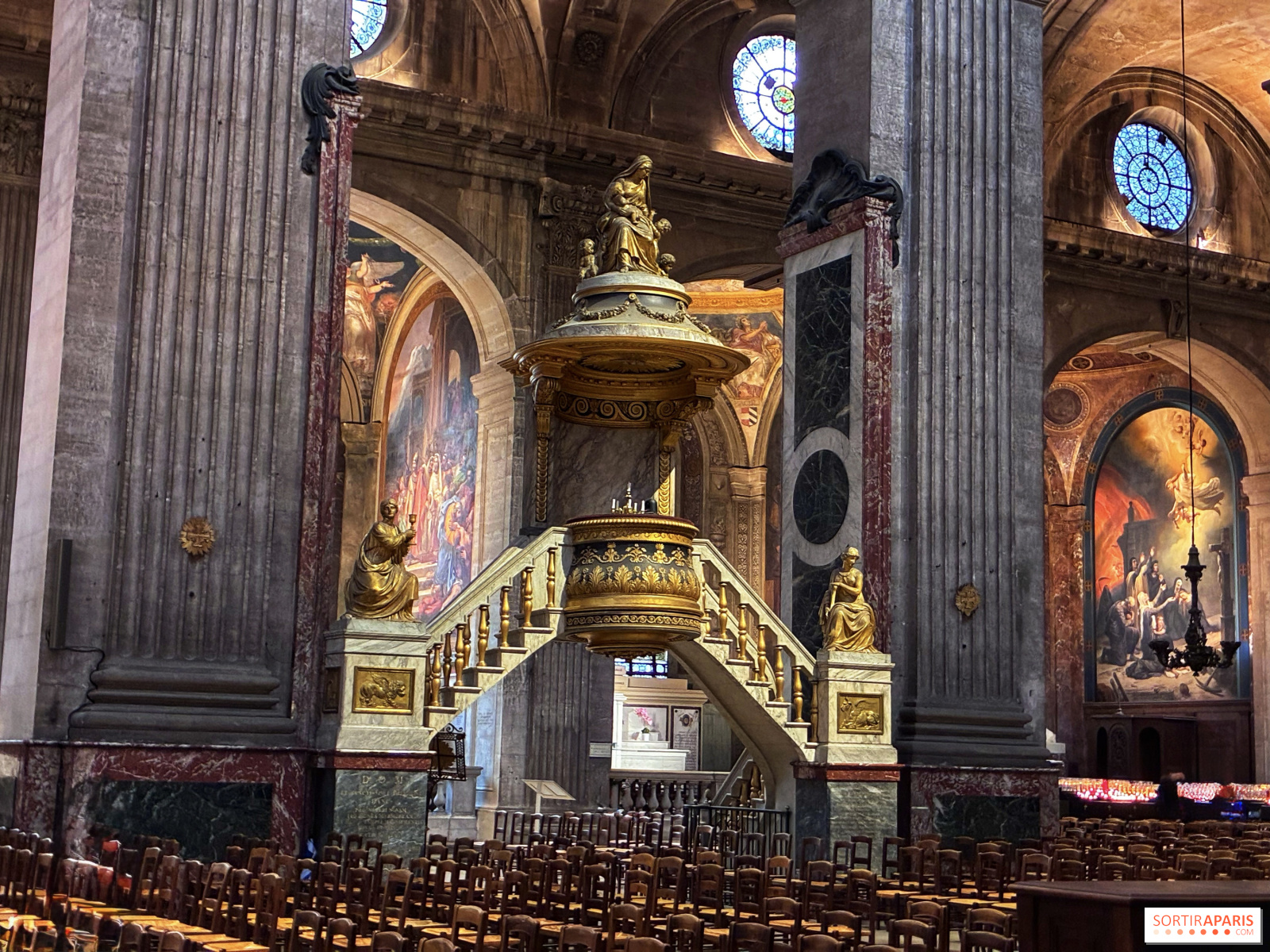
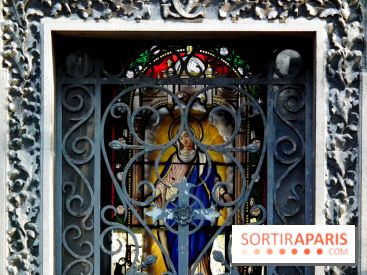
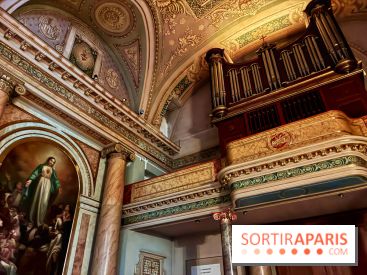
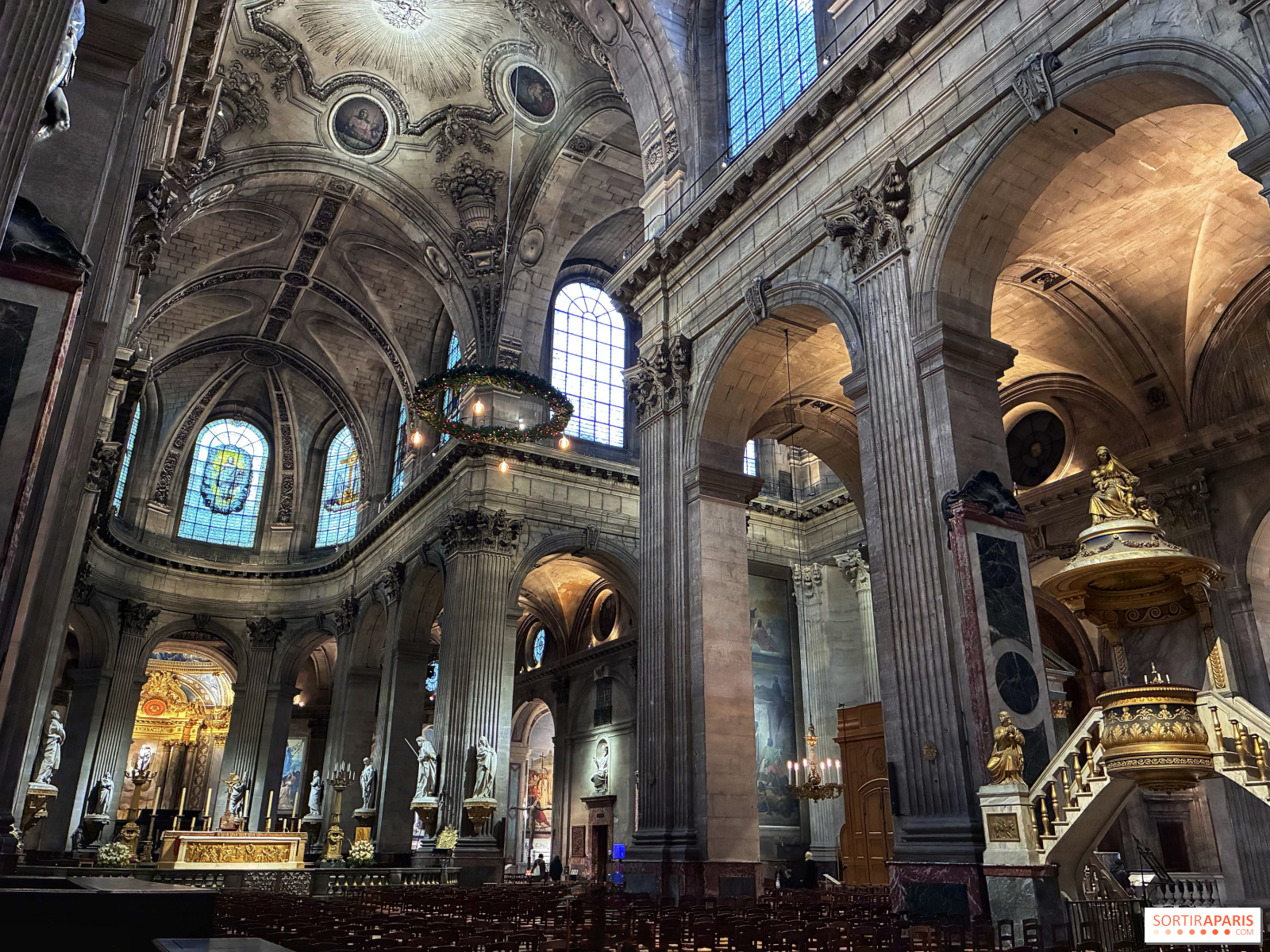
Not to be missed during your visit to theEglise Saint-Sulpice: the Chapelle de la Vierge, a little rococo marvel, the statue of the Virgin and Child crushing the Serpent and the supports for two holy water fonts sculpted by Jean-Baptiste Pigalle, the two statues by Bouchardon, the three paintings by Eugène Delacroix in the Chapelle des Saints Anges, the impressive marble pulpit, Louis Visconti's beautiful fountain outside the building and the gnomon, the brass wire representing the meridian line, featured in Dan Brown's best-selling novel The Da Vinci Code.
Please note that it's been over 4 years since our last visit, so the place and experience may have changed.
Location
Saint-Sulpice Church
2 Rue Palatine
75006 Paris 6
Route planner
Accessibility info
Prices
Free
Official website
www.paris.catholique.fr