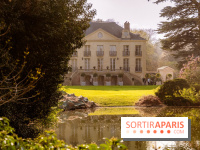
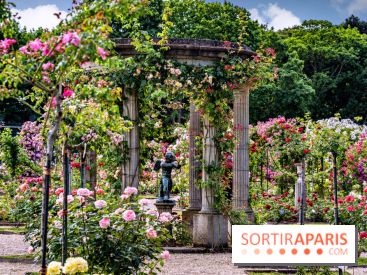
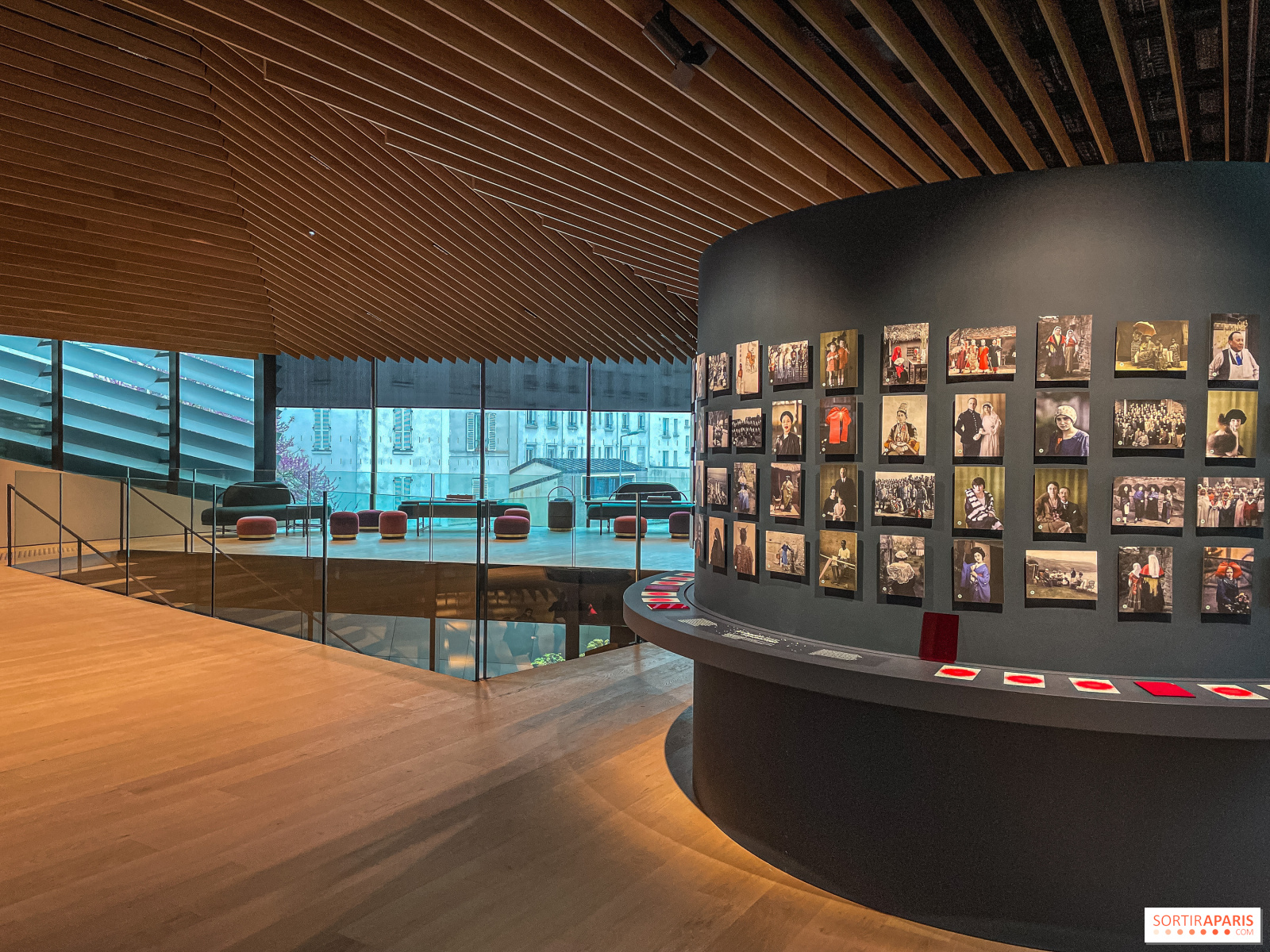
The recently renovatedMusée Albert Kahn is well worth a visit in the Hauts-de-Seine region. In this spot that takes us on a journey, we also find a sublime park to the delight of garden lovers.
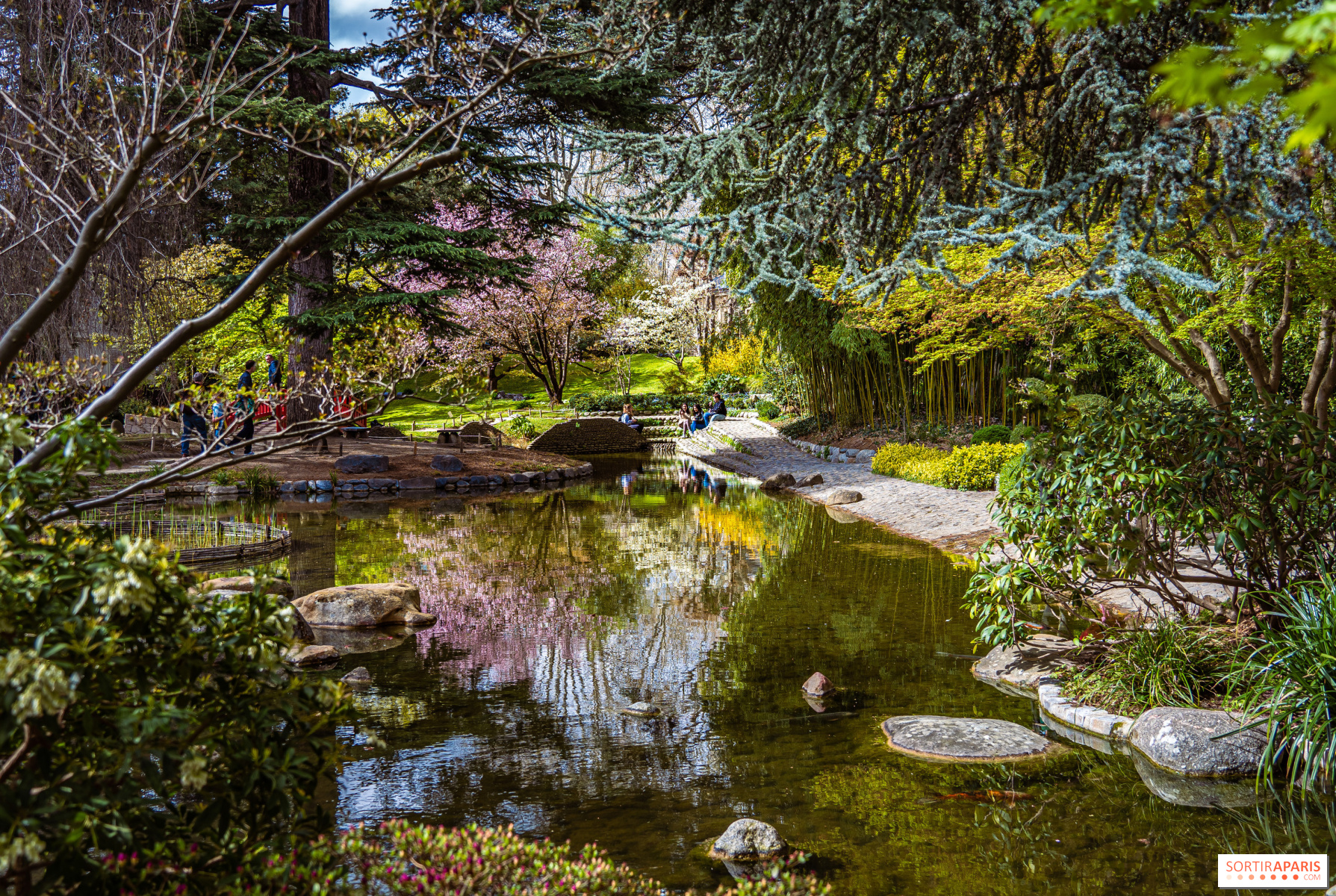
We're off to Boulogne-Billancourt, just outside Paris, to discover this unique green space, classified as a Historic Monument at the end of 2015, which transports us into different worlds.
Albert Kahn moved to Boulogne sur Seine in 1893. Initially a tenant in his private mansion, he fell in love with the place and became its owner two years later. An avid gardener, he gradually acquired the surrounding plots. In 1910, he ended up with twenty plots covering a total area of 4 hectares.
From 1895 to 1920, Abraham Kahn (real name), the famous philanthropic banker, decided to create a garden composed of scenes. A great pacifist at heart, he imagined a garden where different cultures would mingle, convinced that knowledge of others would contribute to peace. In this way, his images and gardens enabled the elite of the time to discover the value and richness of cultural diversity.
The result is a personal map of his travels and discoveries. We're off to discover 7 landscapes in dialogue with each other. On the program of discoveries:
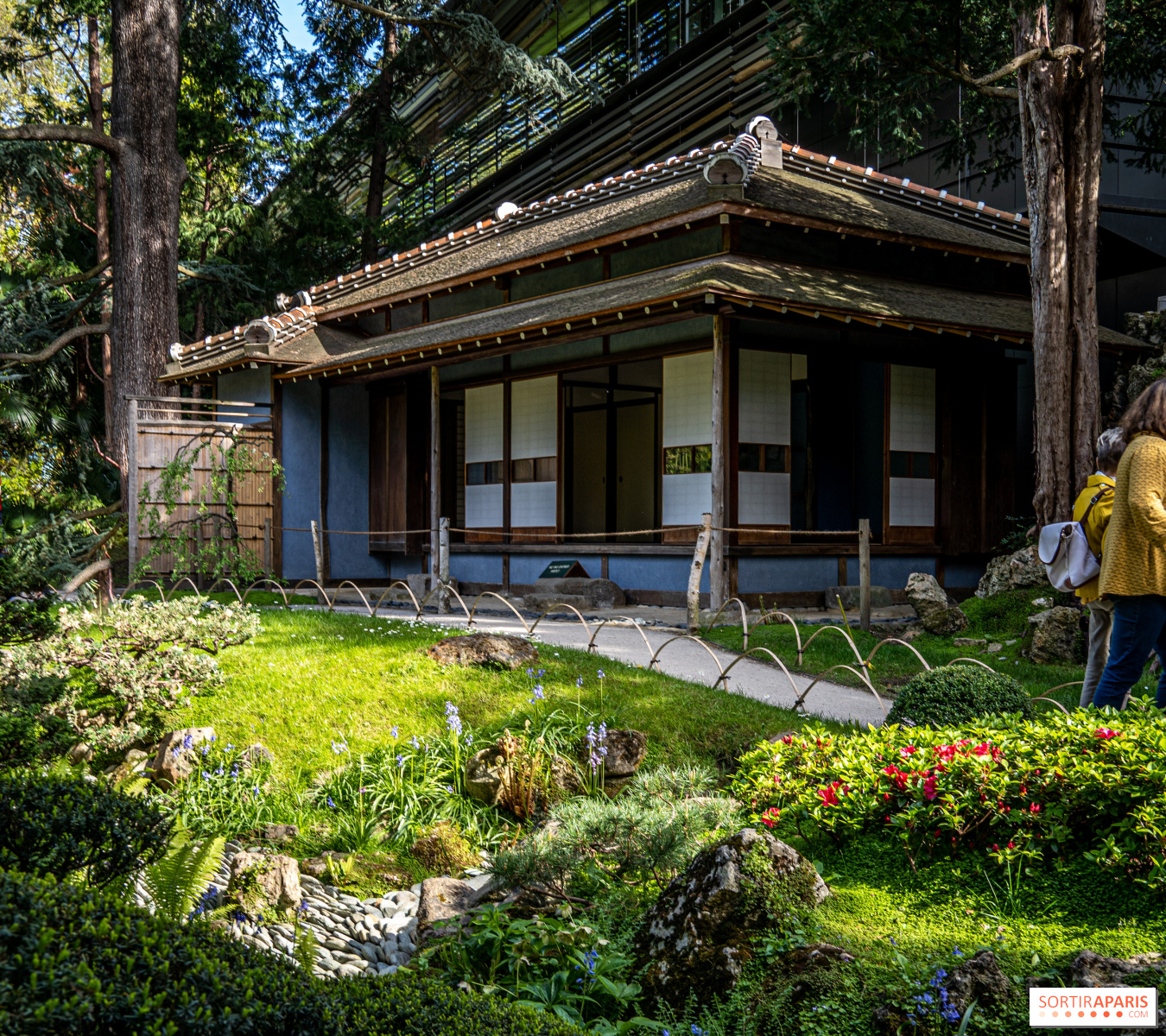
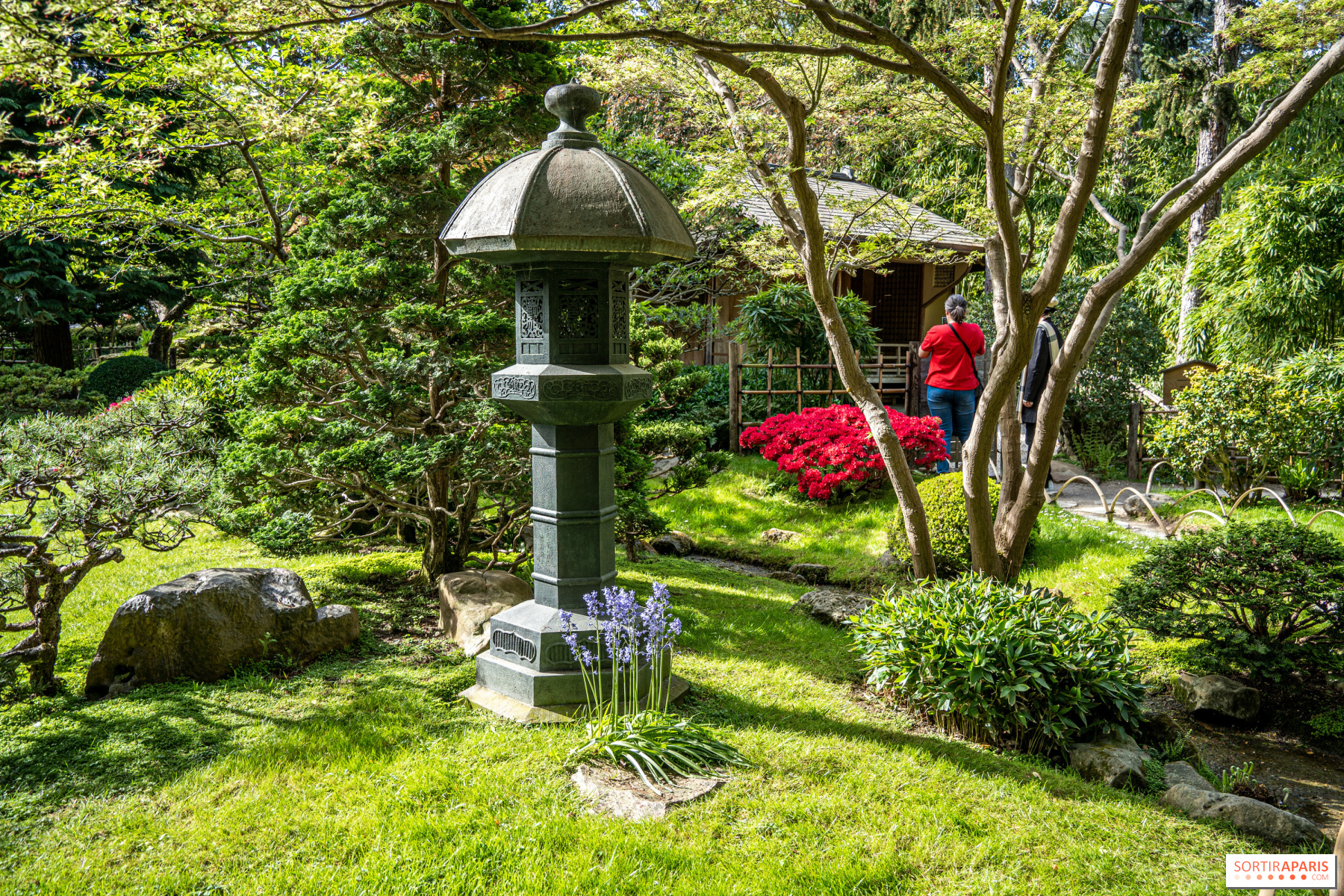
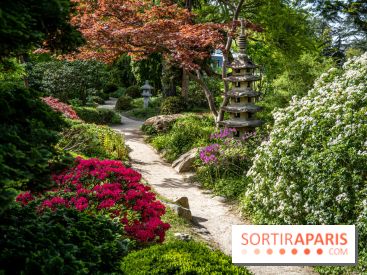
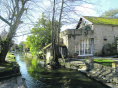
The Japanese village was created following a trip to Japan in the late 19th century. Albert Kahn commissioned Japanese artists to design the layout and plantings. We discover a traditional teahouse and 2 traditional dwellings transported from Japan. You'll be seduced by this harmonious, colorful, almost confidential space, where every element has its place.
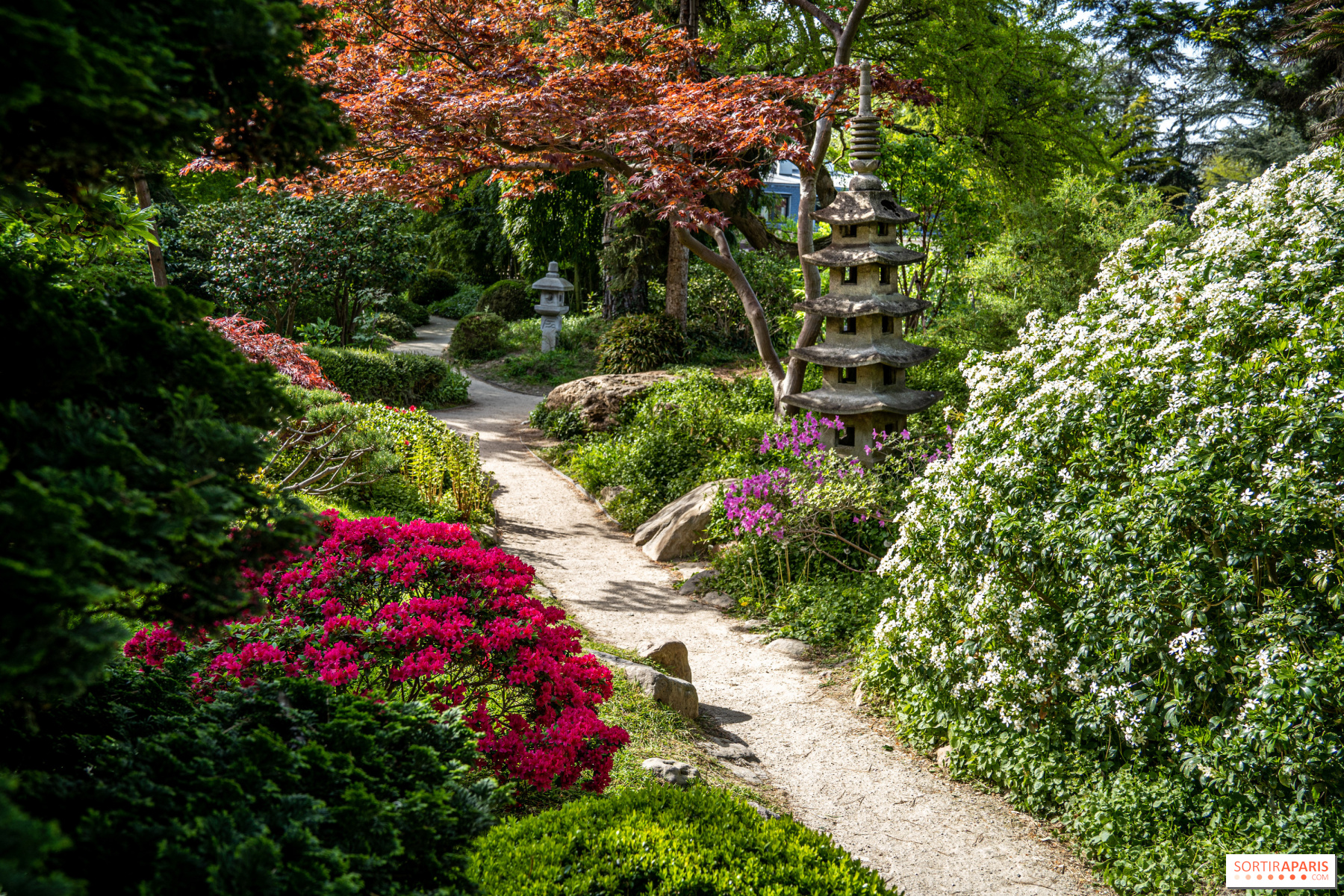
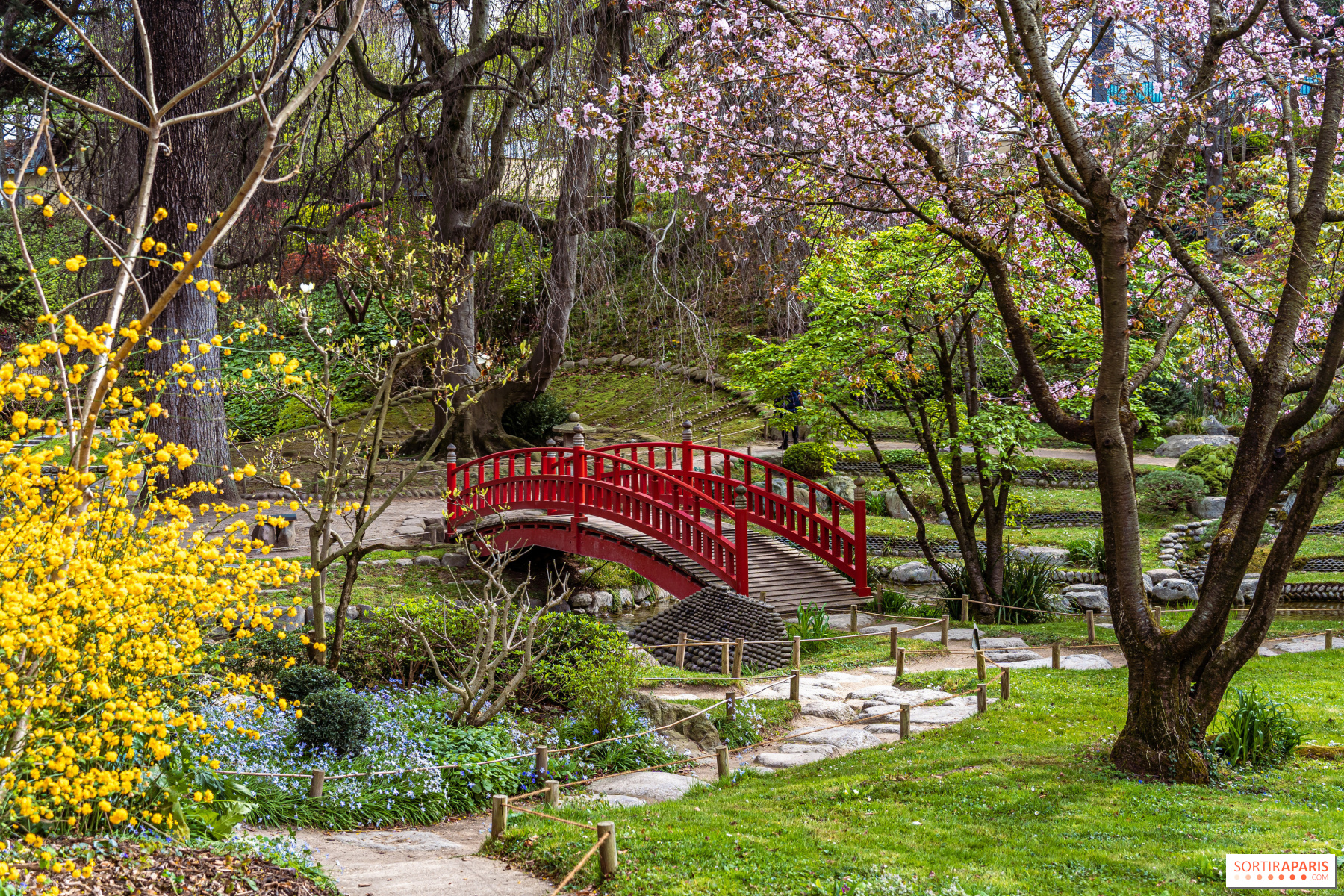
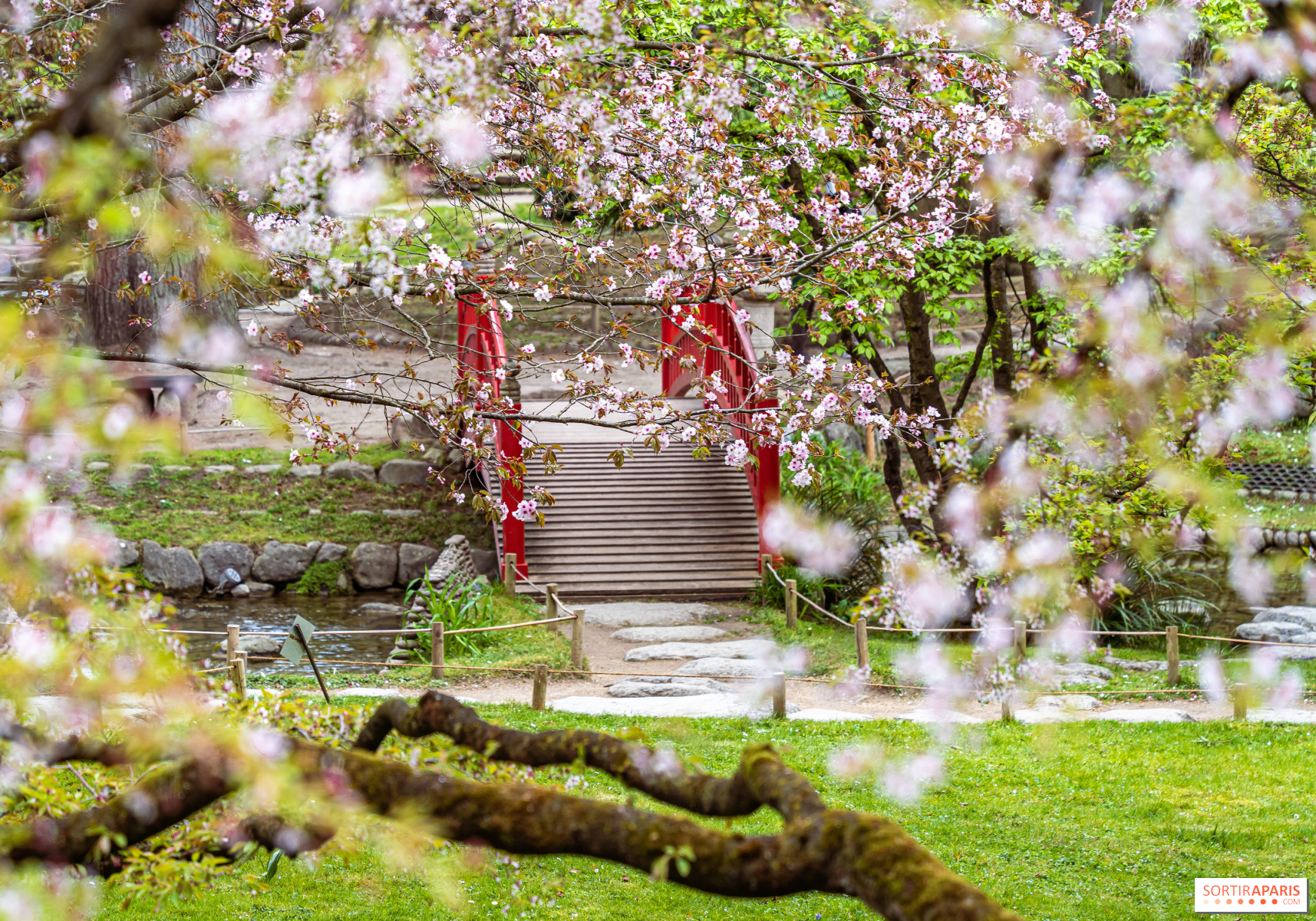
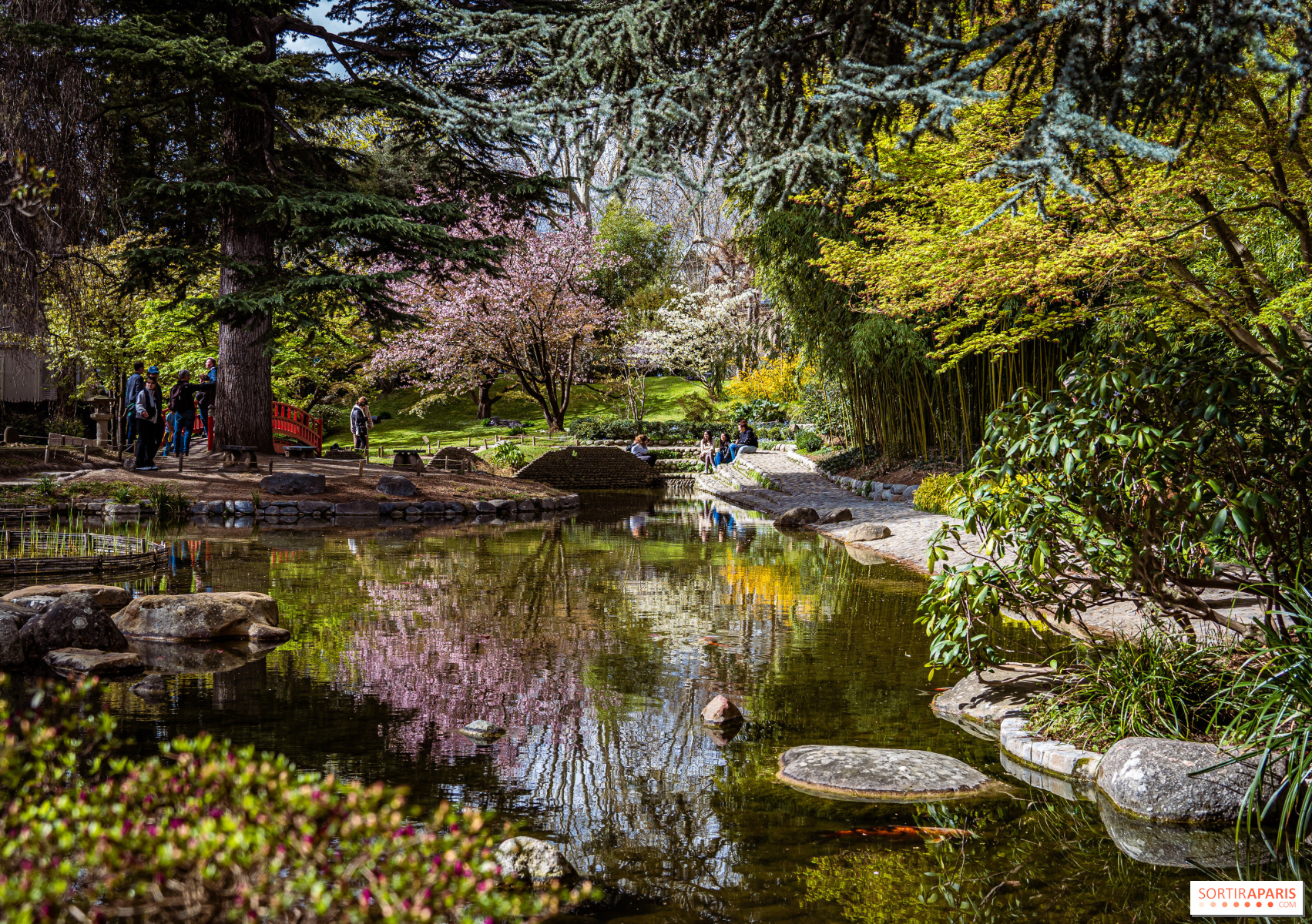
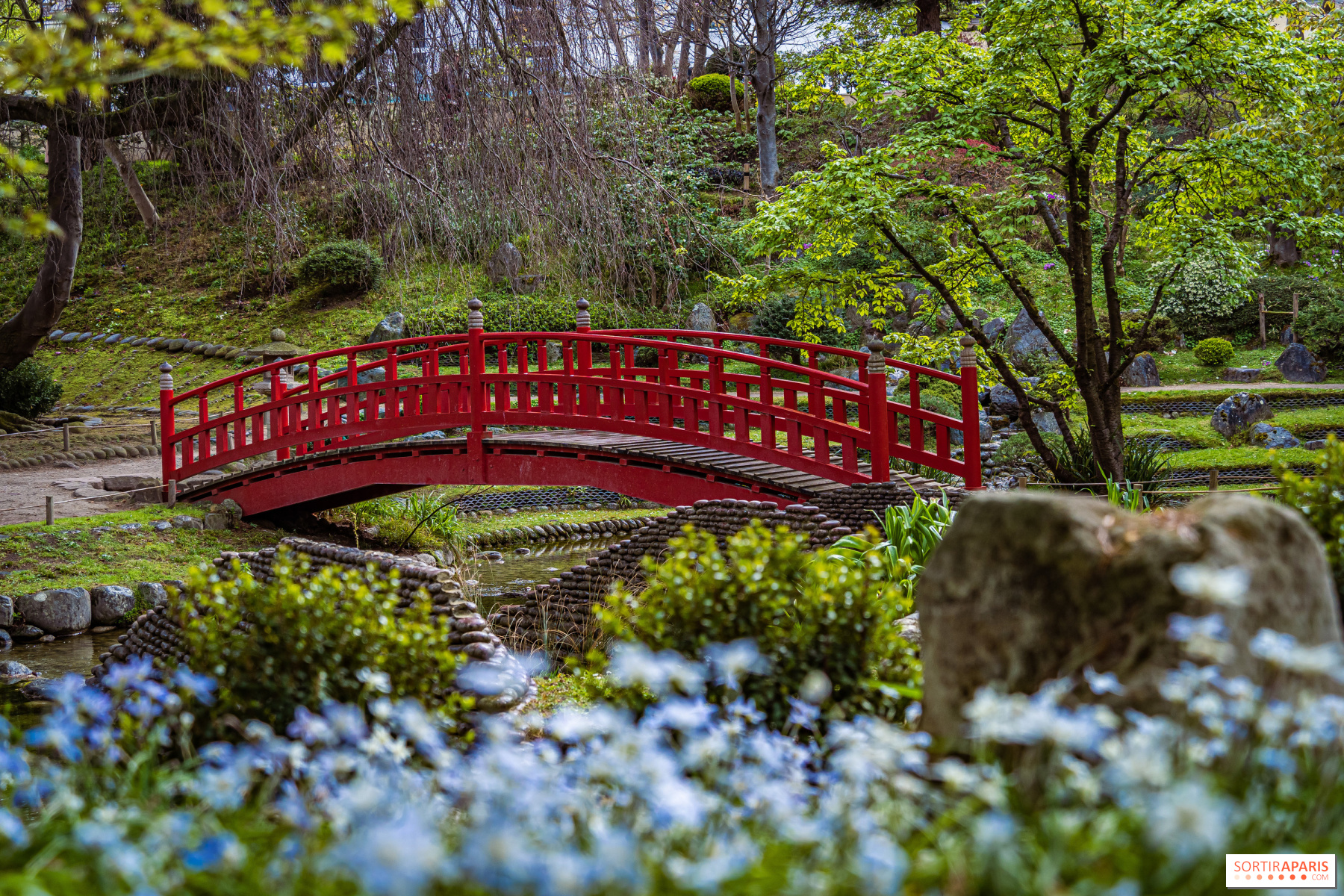
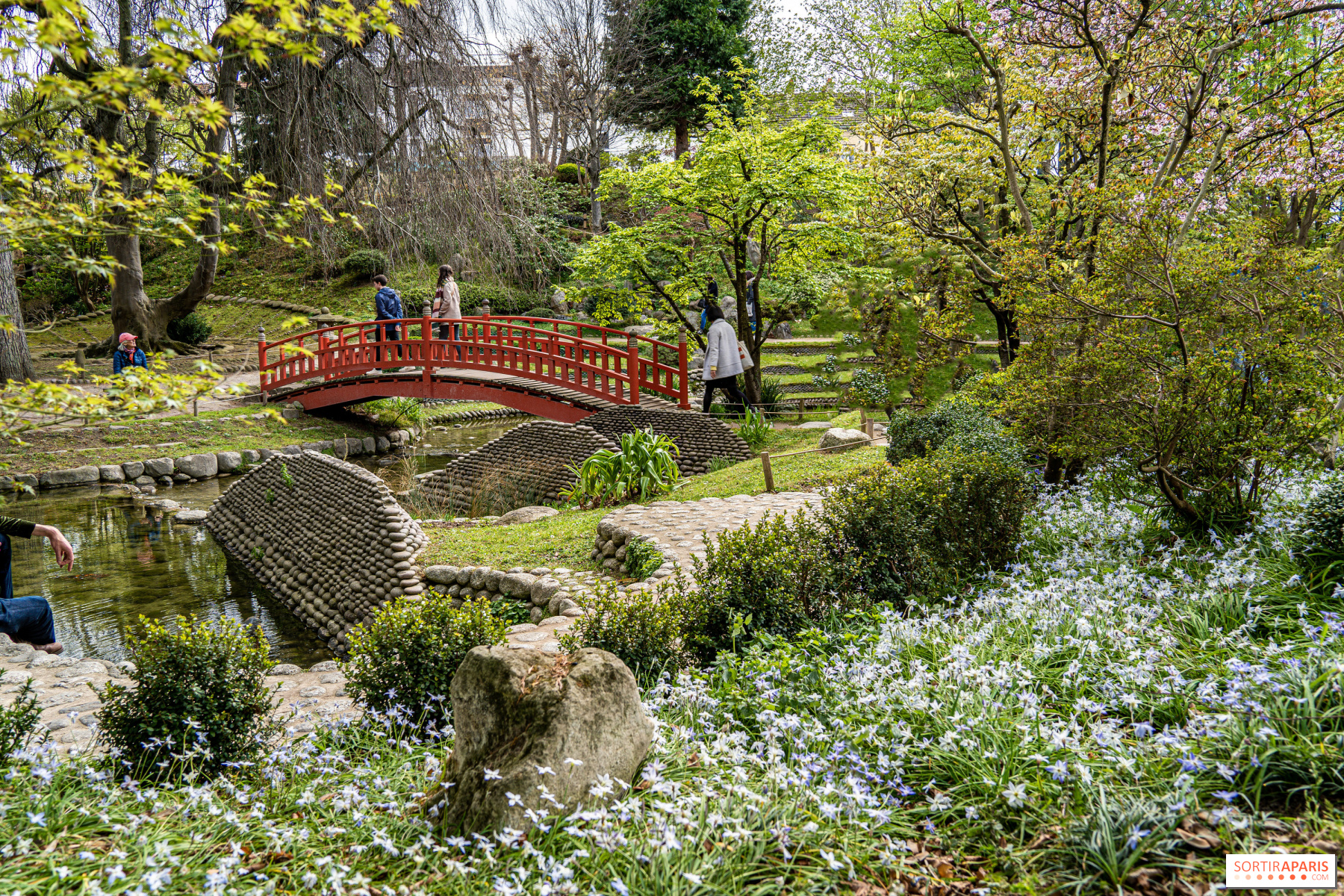
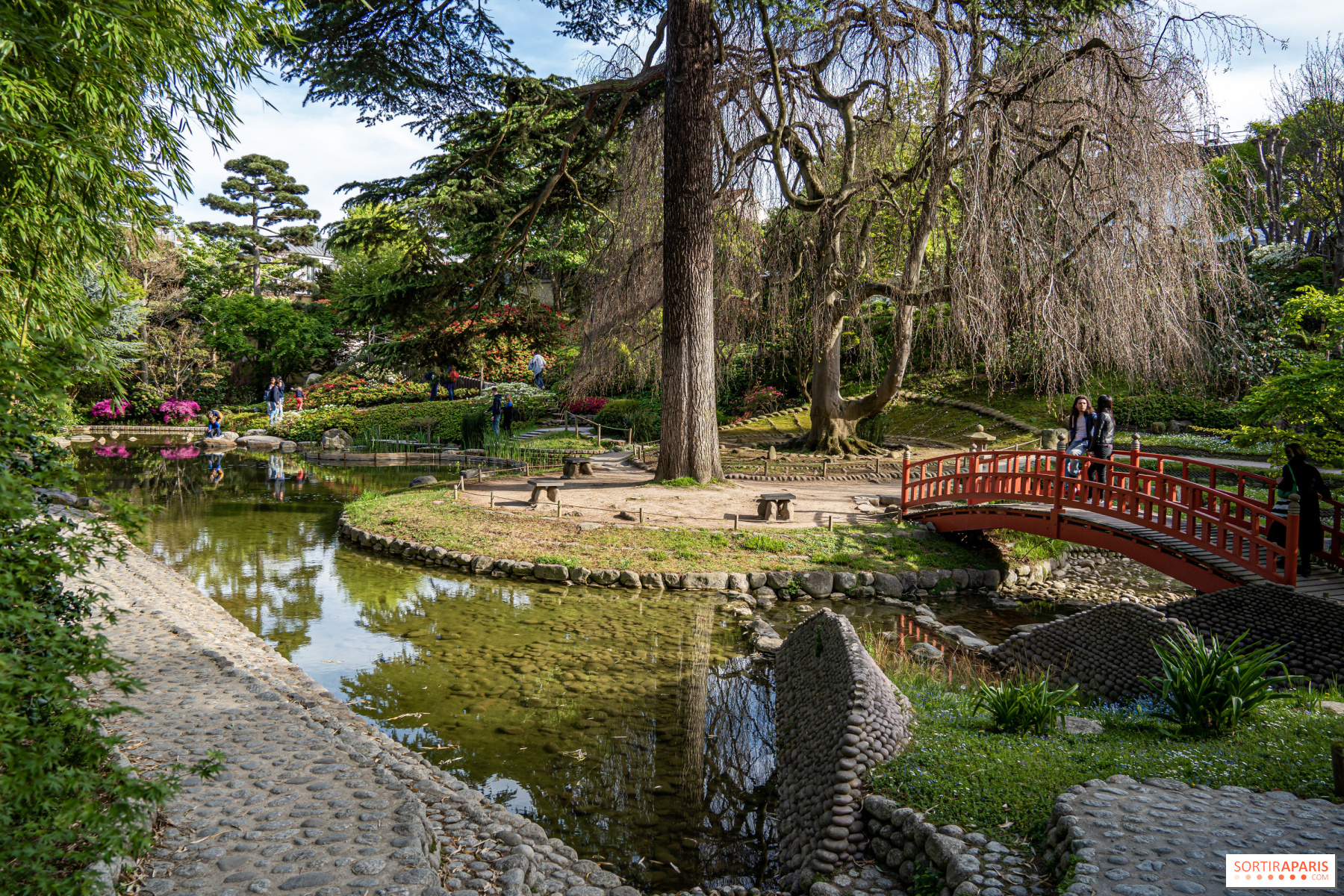
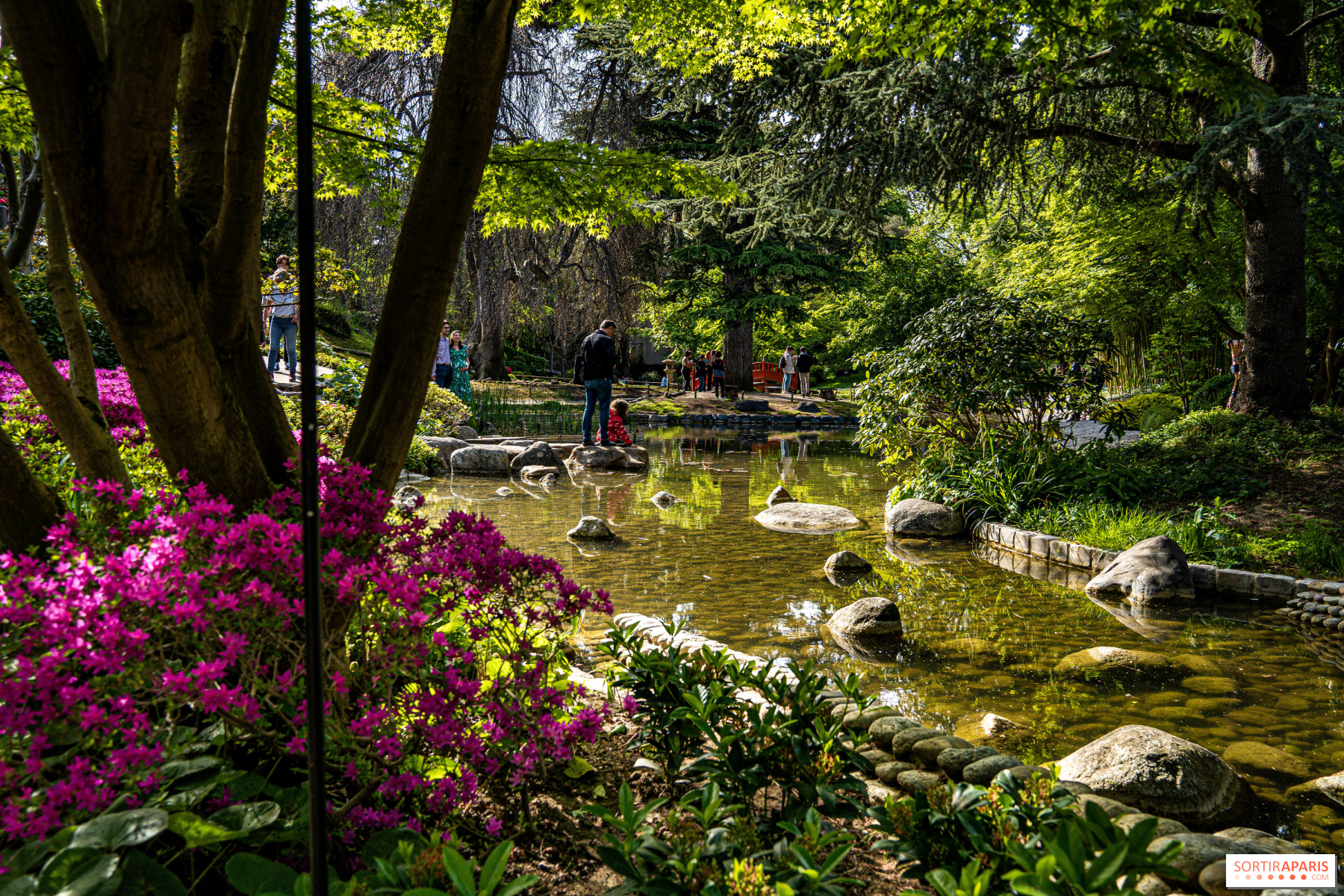
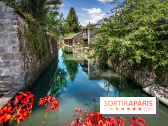
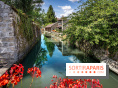
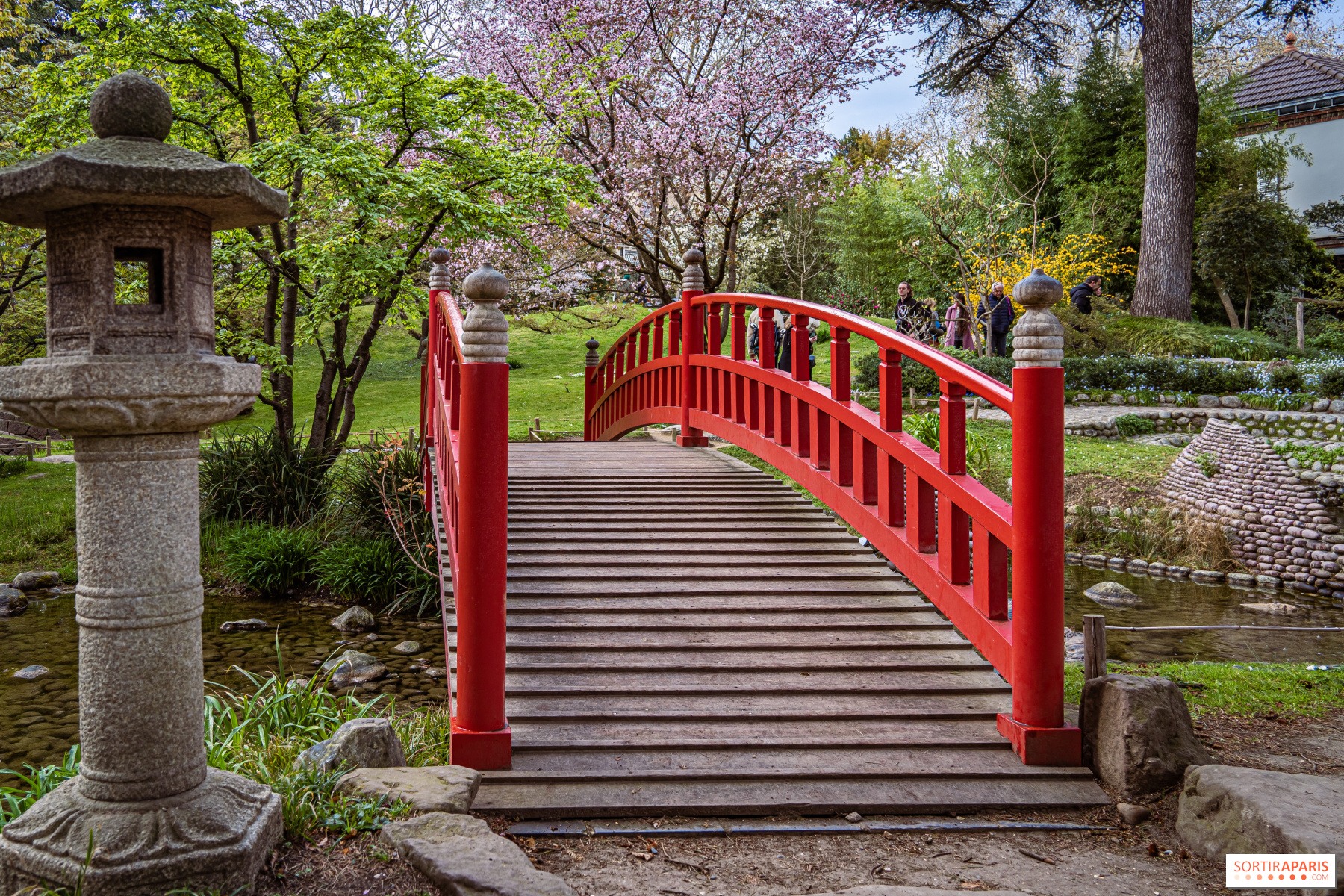
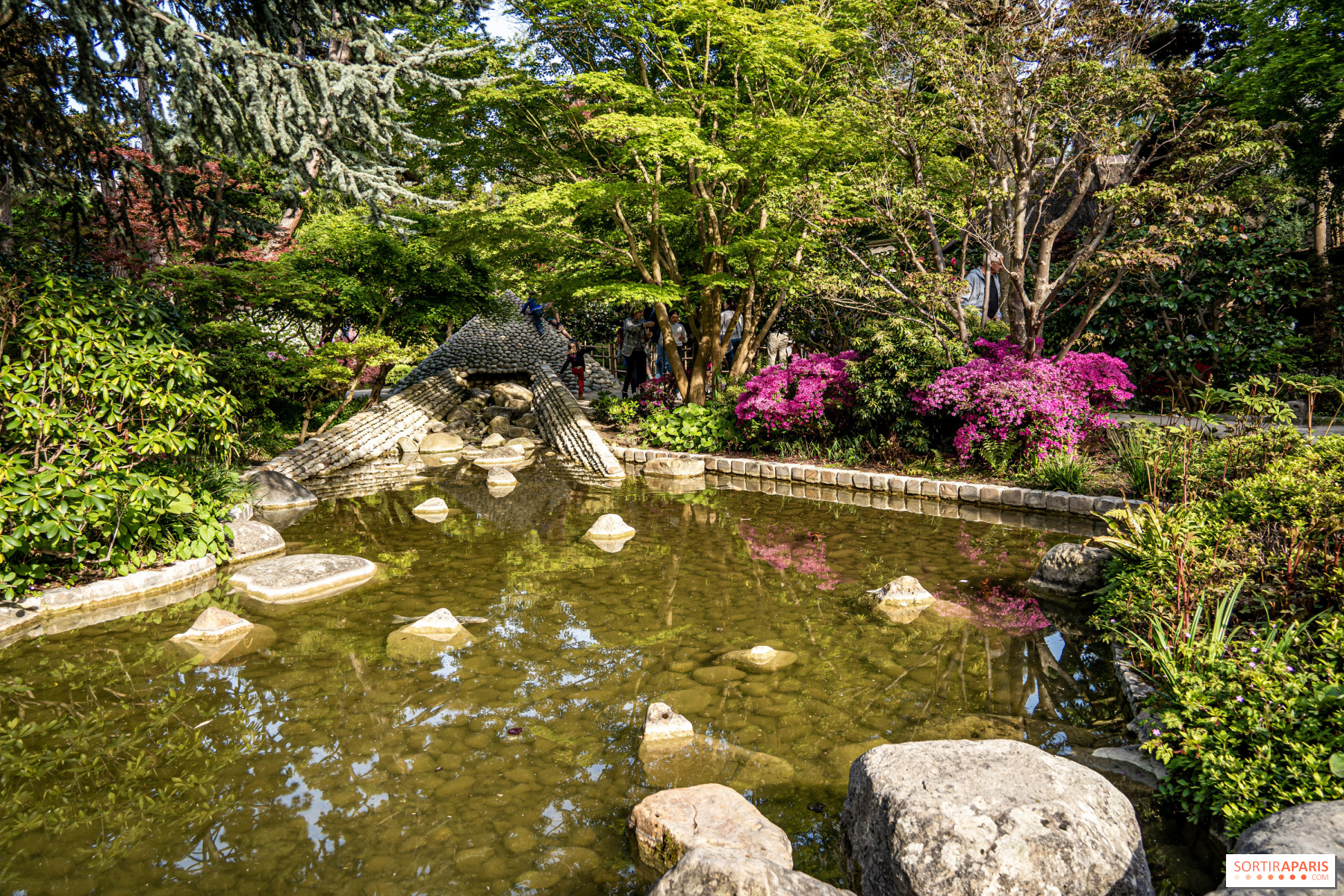
Then on to the Contemporary Japanese Garden, a tribute to the life and work of Albert Kahn, created in the 1990s by landscape architect Fumiaki Takano. The red bridge is an obvious eye-catcher, and you'll be seduced by the colors of the flowers and the pond where colorful carp zigzag. The path of the water through the garden symbolizes the life of Albert Kahn.
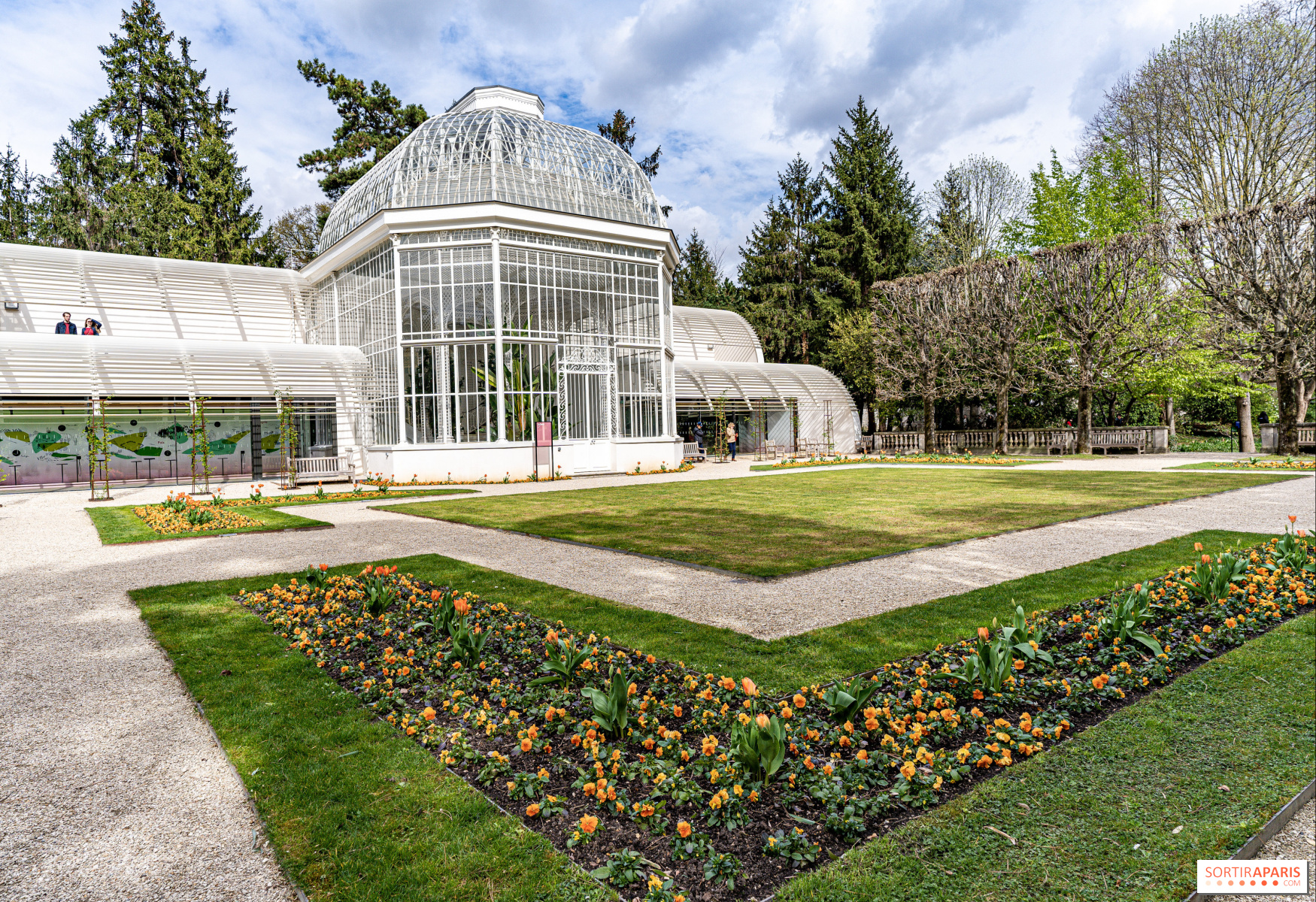
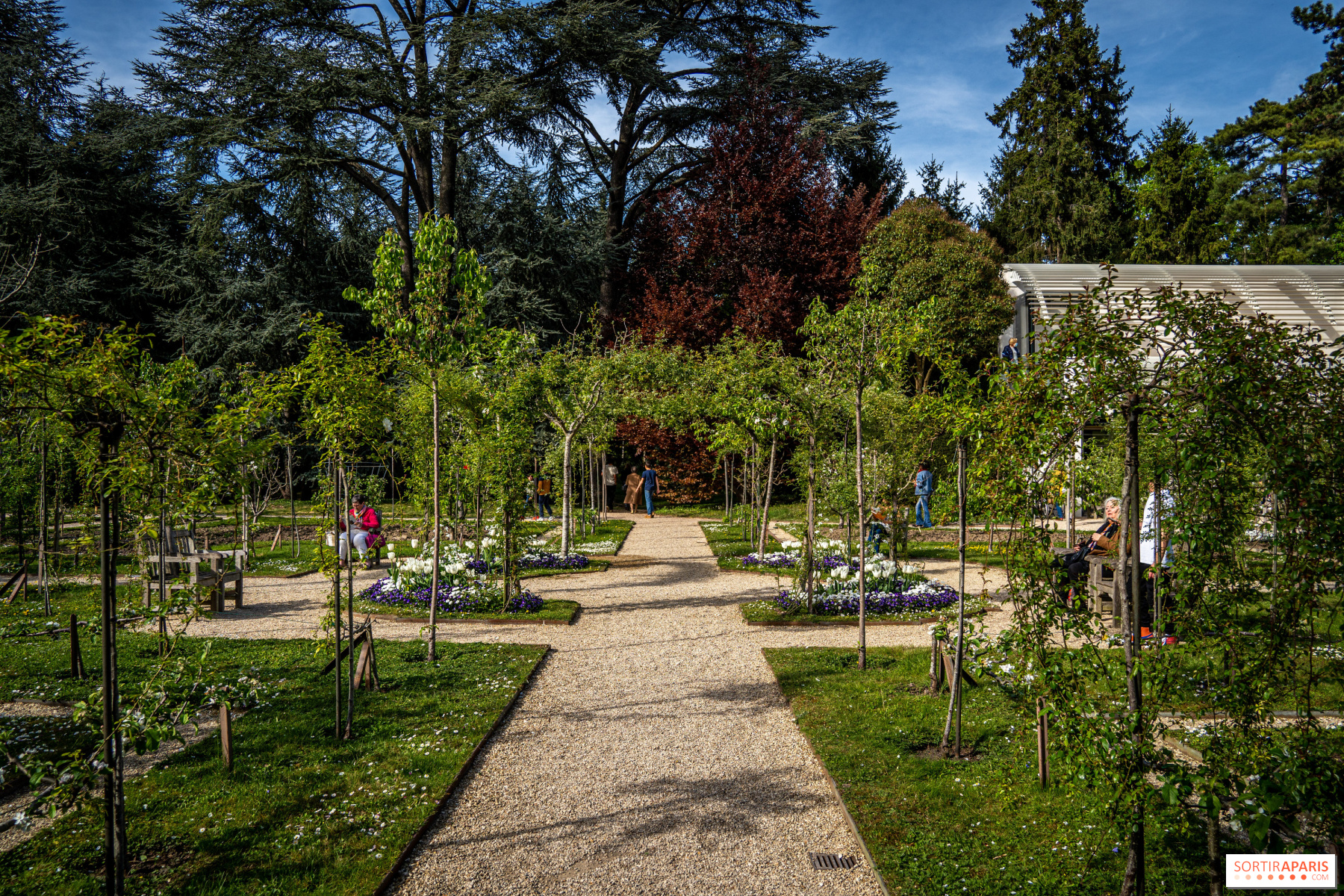
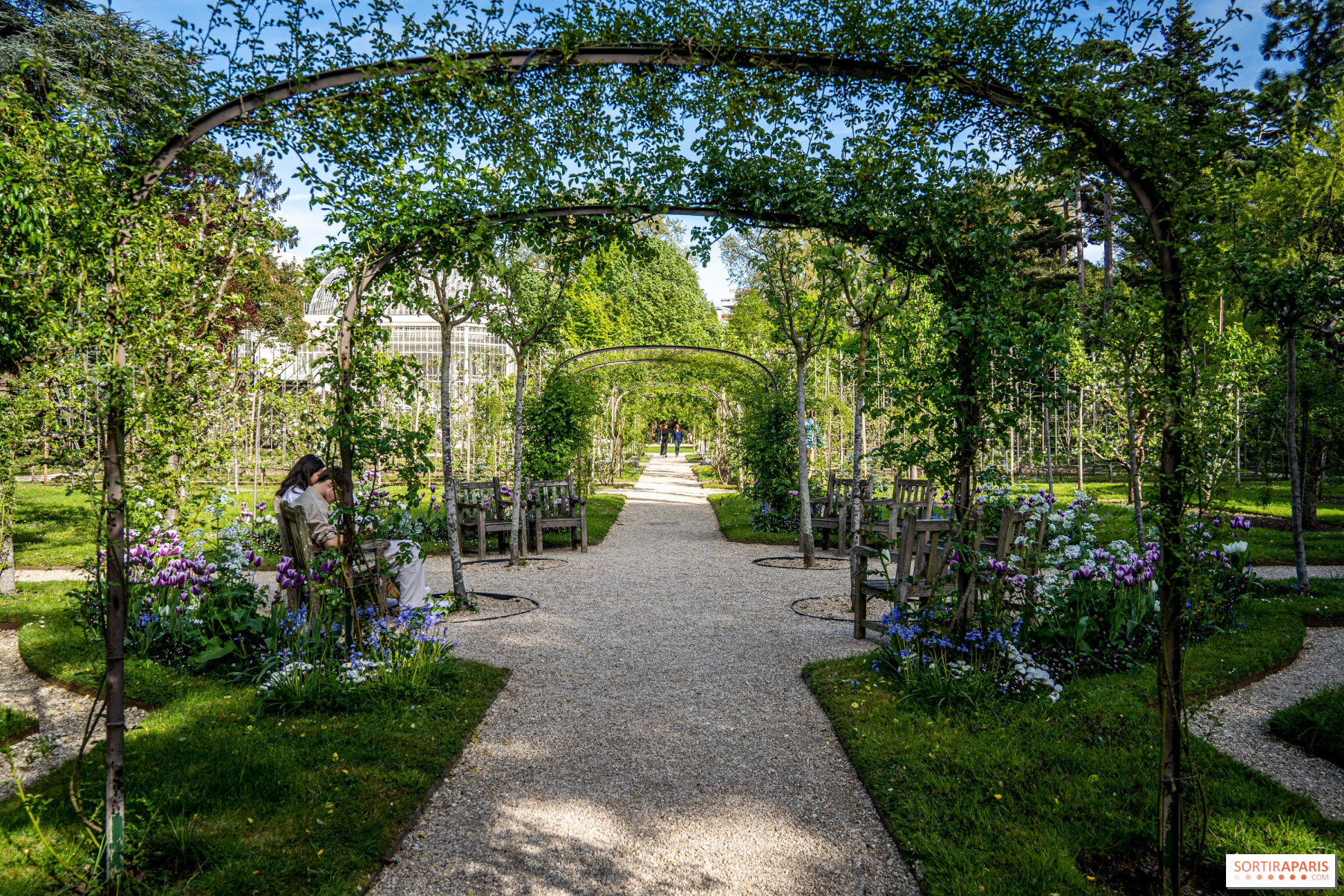
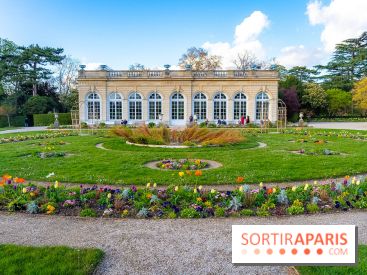
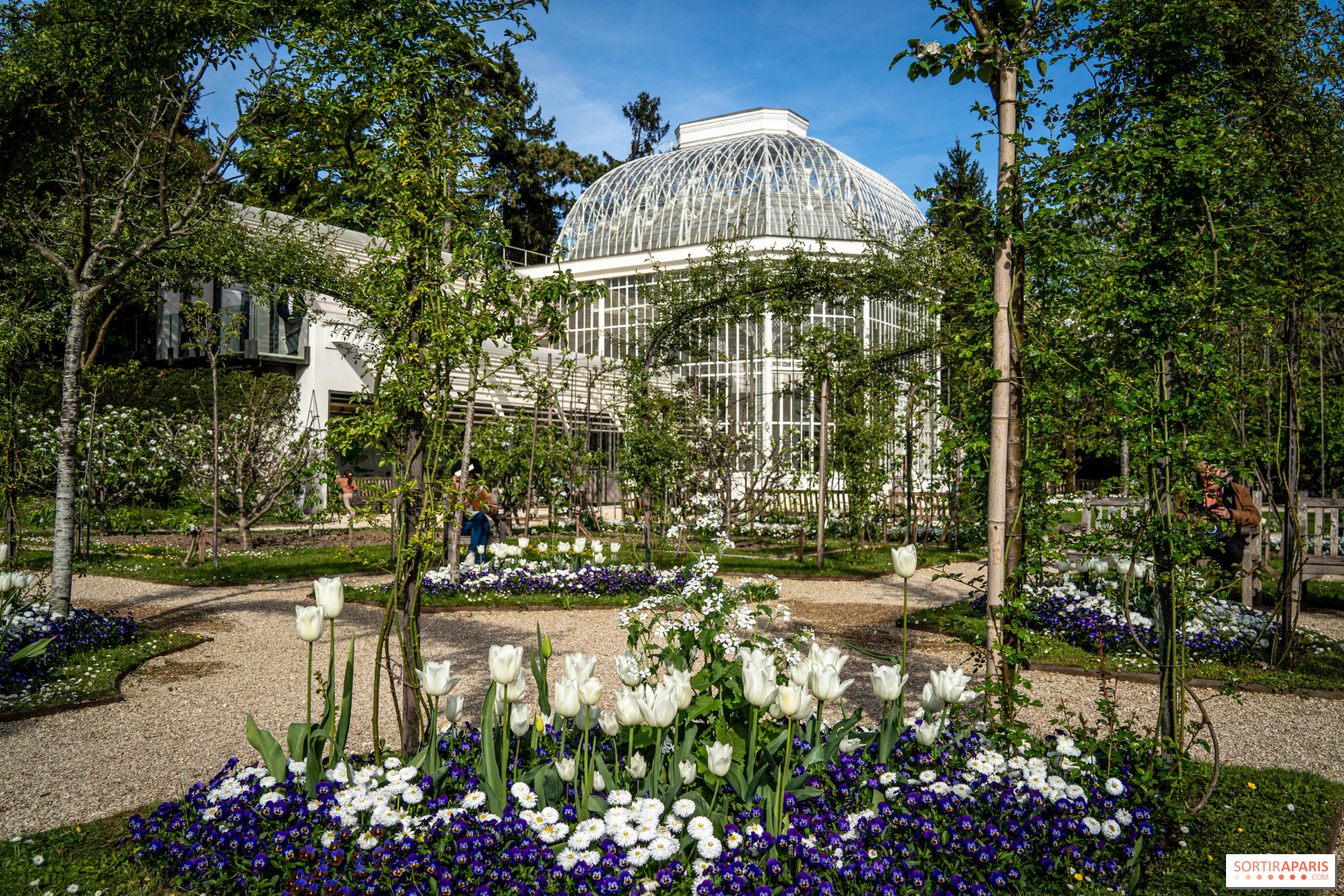
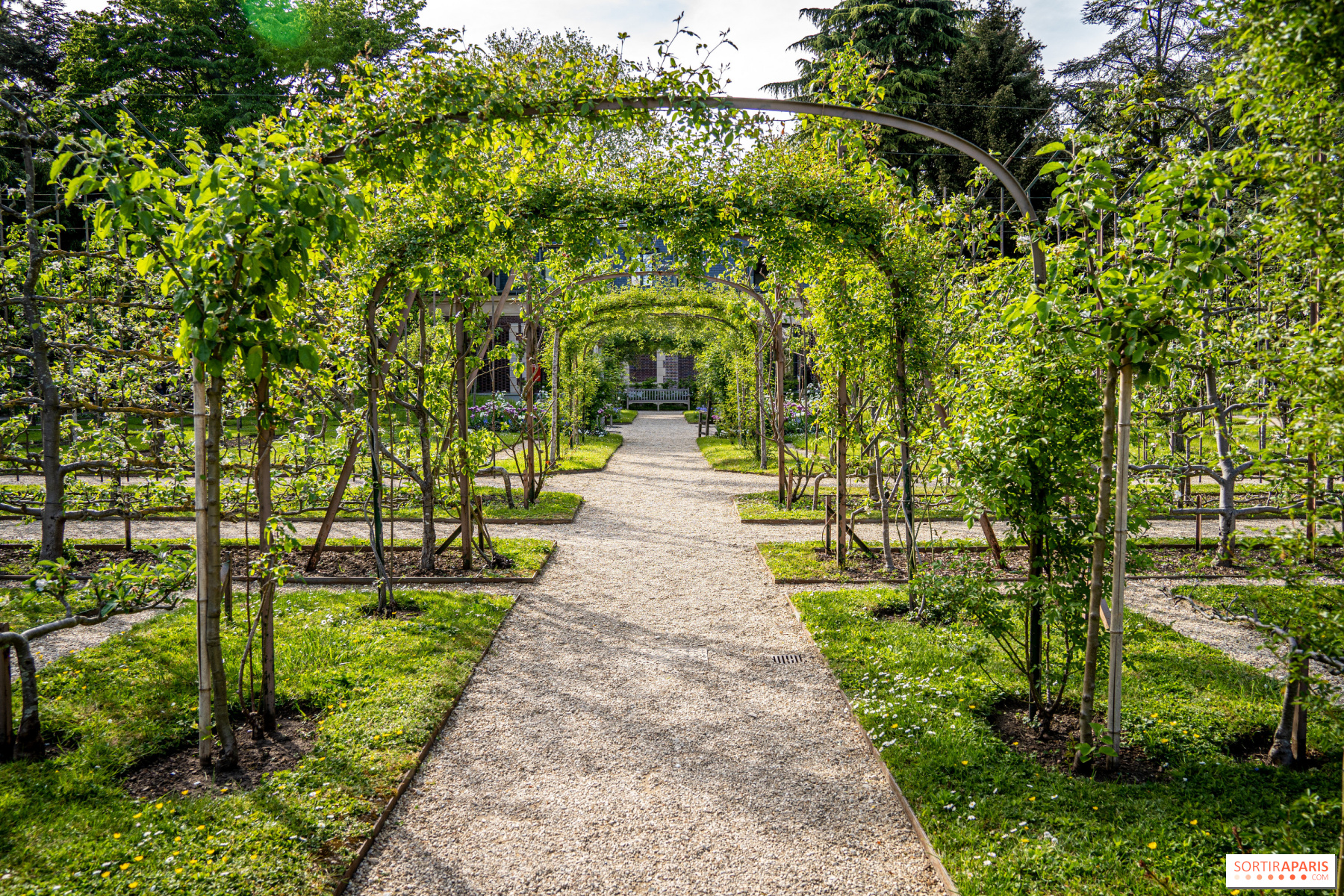
We then move on to the French garden. We discover 3 geometric blocks, typical of French gardens, in front of a large greenhouse still under construction. Roses, fruit trees, herbaceous beds and flowerbeds form the backdrop. It is bordered by two rows of lime and chestnut trees, accentuating the regularity of its design. The ornamental greenhouse, a magnificent piece of late 19th-century ironwork, serves as a winter garden.
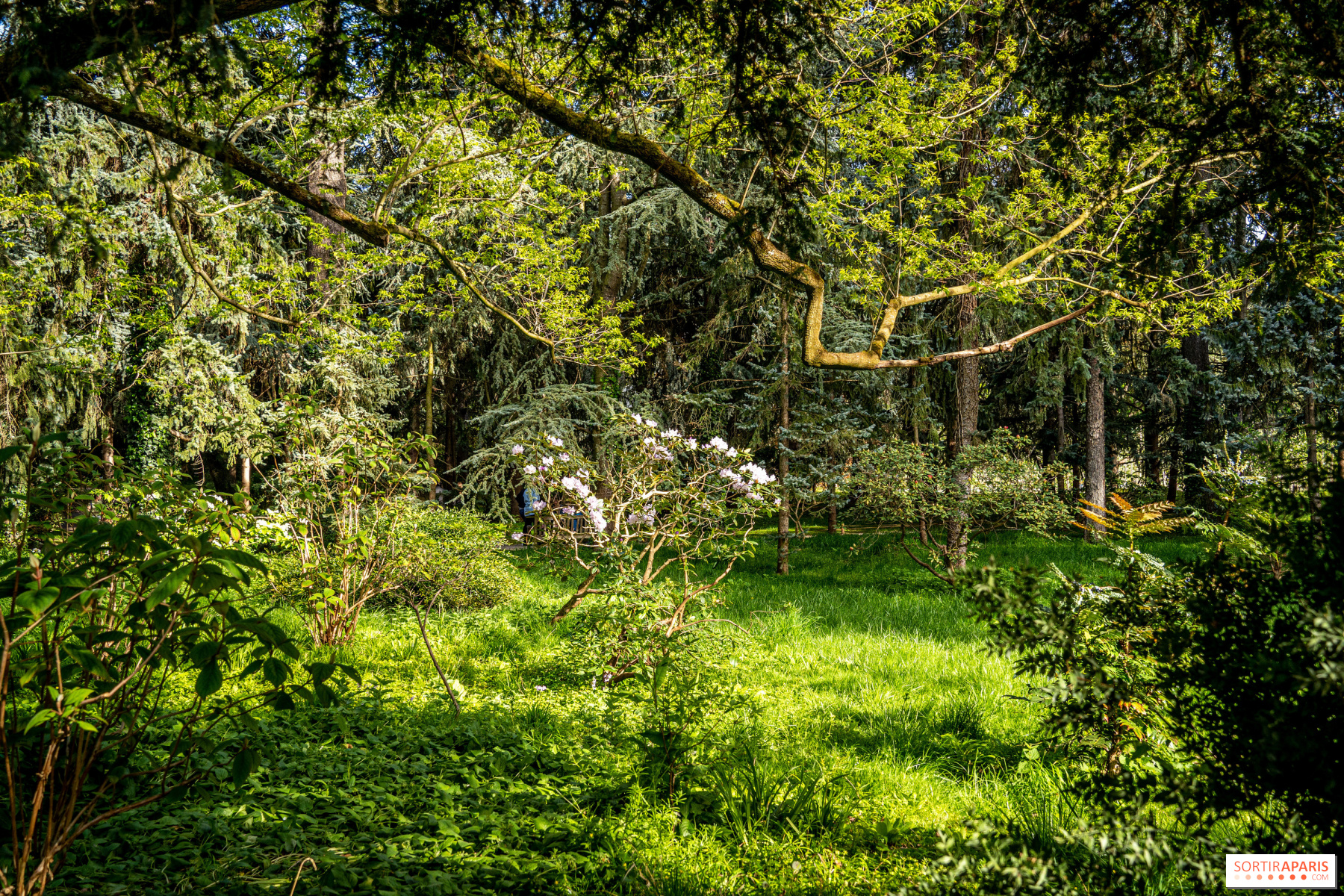
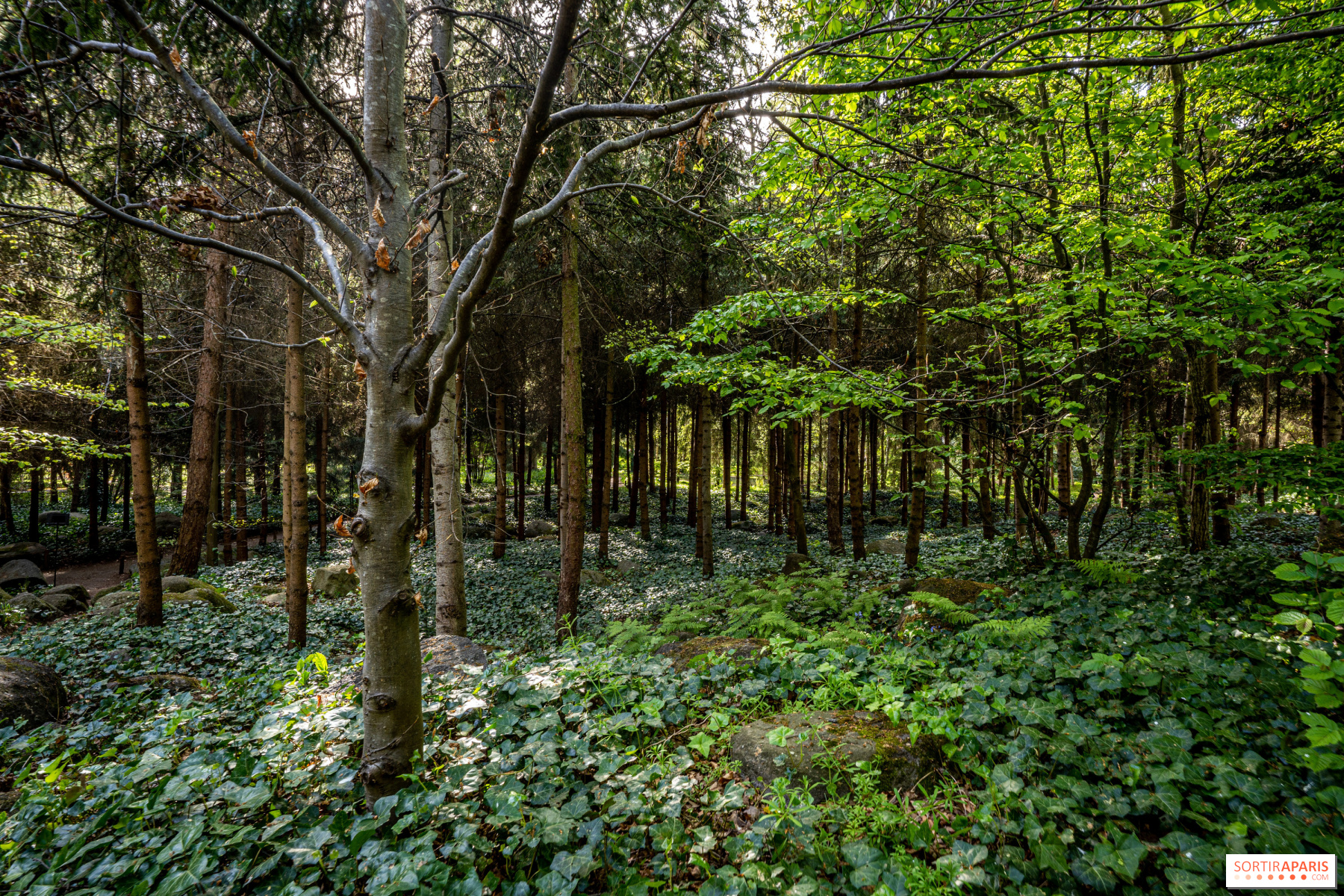
We then enter the large forest, which takes us from the Vosges to the meadow, where we discover birch, cedar and other wild plants. The meadow, with its multitude of wild plants, was inspired by a movement that emerged in England at the end of the 19th century, marking the quest for unfettered nature.
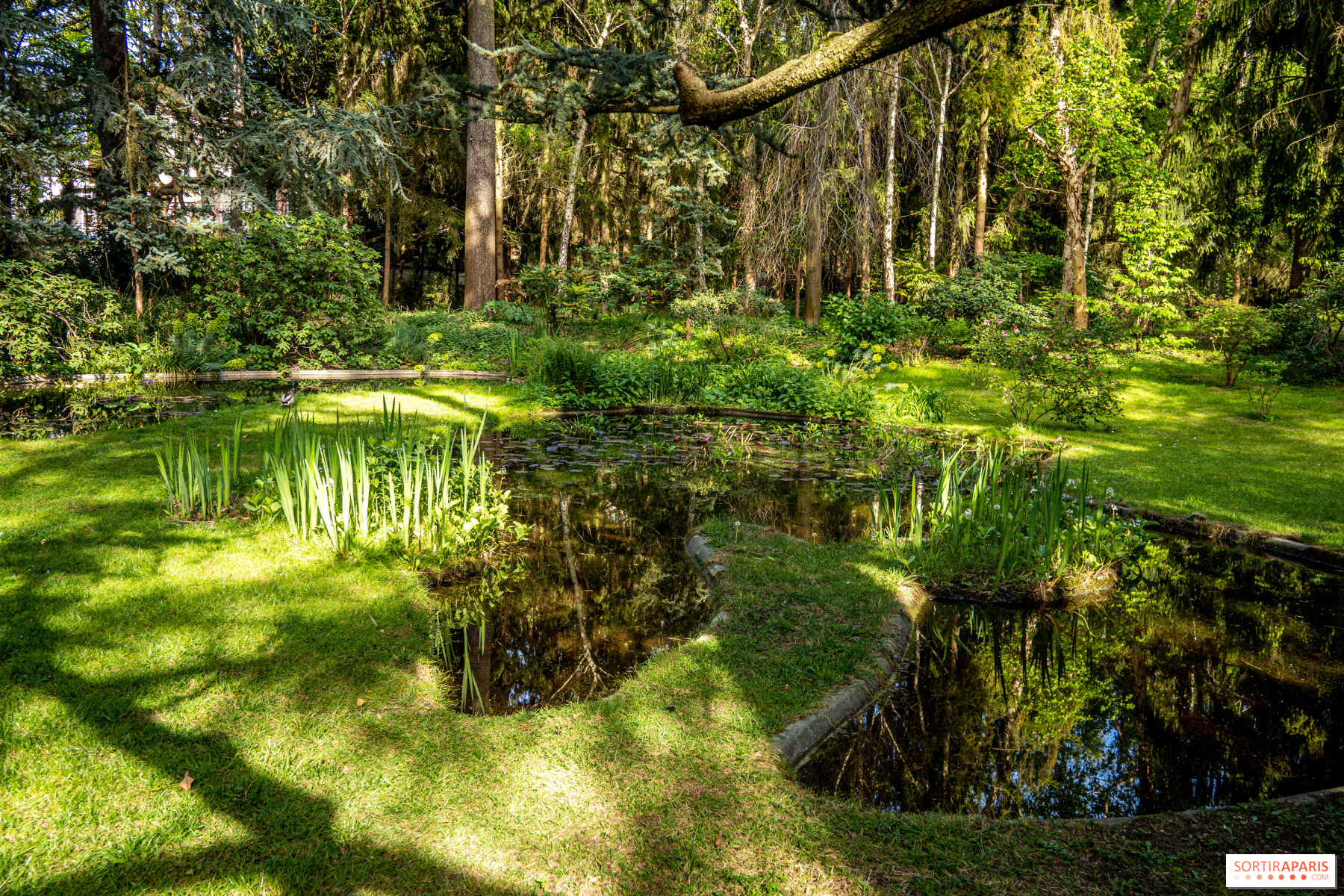
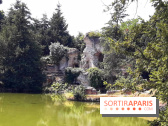
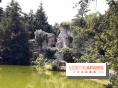
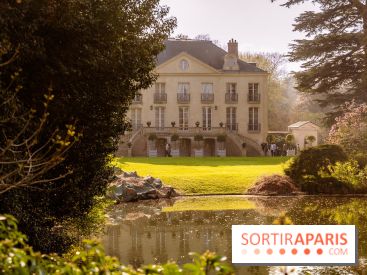
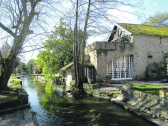
We end with the English garden, characterized by a sense of letting go of nature. This bucolic space features a flower lawn, rockery, pond and waterfall.
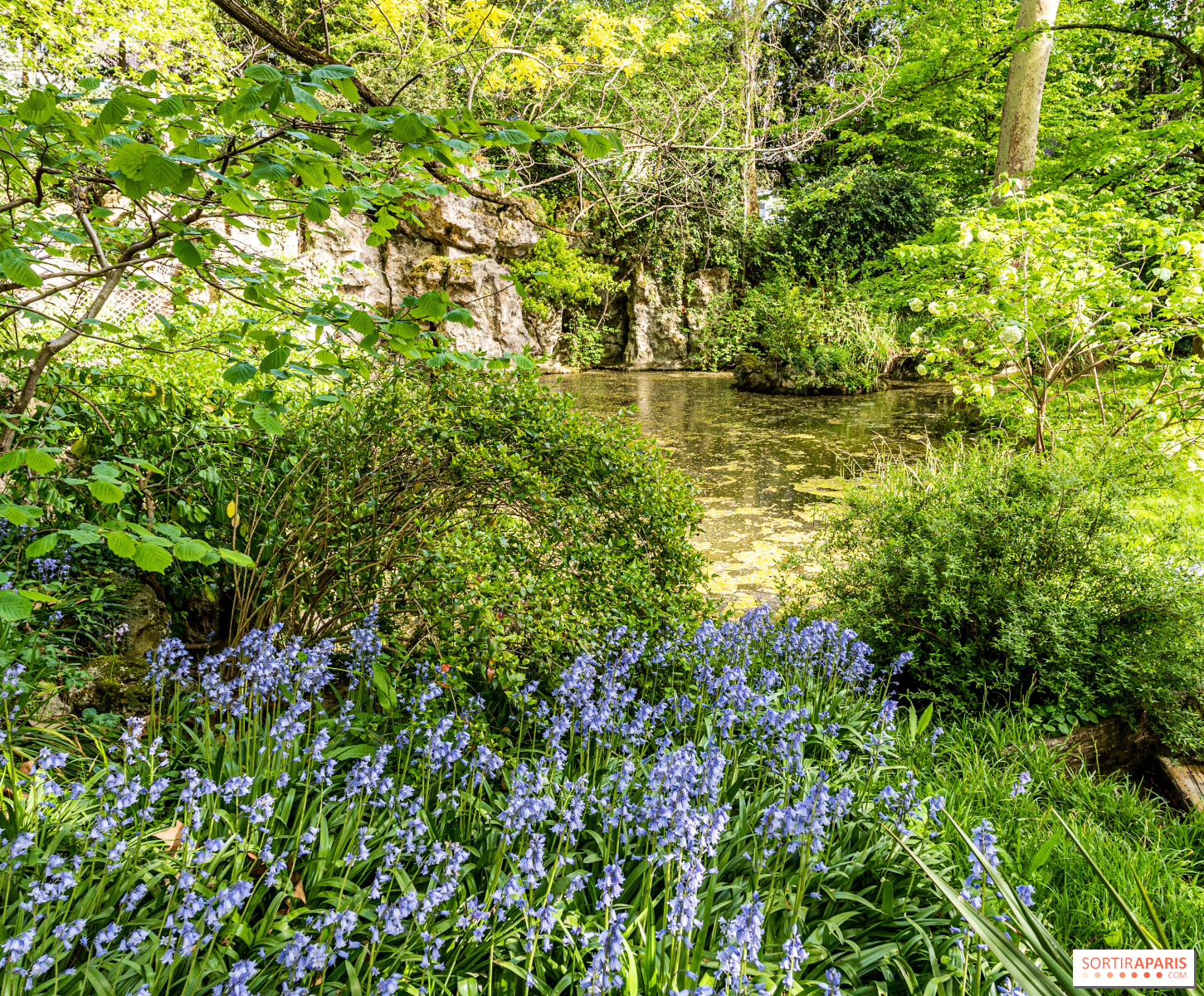
In short, if you feel like going green, creating a sublime park and garden while traveling through different places and cultures, this is a walk that's well worth the detour.
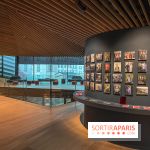 Musée départemental Albert-Kahn: the travel and photography collection
Head to the Albert-Kahn Museum to discover its newly renovated spaces. An opportunity to discover the new setting in which the philanthropist's collections are exhibited. [Read more]
Please note that it's been over 4 years since our last visit, so the place and experience may have changed.
Dates and Opening Time
Next days
Tuesday:
from 11:00 a.m. to 06:00 p.m.
Wednesday:
from 11:00 a.m. to 06:00 p.m.
Thursday:
from 11:00 a.m. to 06:00 p.m.
Friday:
from 11:00 a.m. to 06:00 p.m.
Saturday:
from 11:00 a.m. to 06:00 p.m.
Sunday:
from 11:00 a.m. to 06:00 p.m.
Location
Albert-Kahn Museum
2 Rue du Port
92100 Boulogne Billancourt
Route planner
Prices
Moins de 26 ans, Pass Culture, demandeurs d'emploi: Free
Tarif réduit: €6
Plein tarif: €9
Official website
albert-kahn.hauts-de-seine.fr
More information
The museum is open Tuesday to Sunday (closed Mondays), 11am to 6pm (October to March), 11am to 7pm (April to September). Closed May 1st, December 25th and January 1st to 14th.