What if a film shot almost a century ago made you rethink the way you look at Africa? The Musée Albert-Kahn invites you to discover theexhibition Bénin, aller-retour, from October 14, 2025 to June 14, 2026. The exhibition is based on a unique mission undertaken by Archives de la Planète in Dahomey in 1930 by Father Francis Aupiais and filmmaker Frédéric Gadmer. This unique incursion into sub-Saharan Africa documents traditional religious rituals, royal ceremonies and the effects of evangelization in a colonial context. The project questions the European view of African cultures, while highlighting the complexity and richness of Benin's heritage.
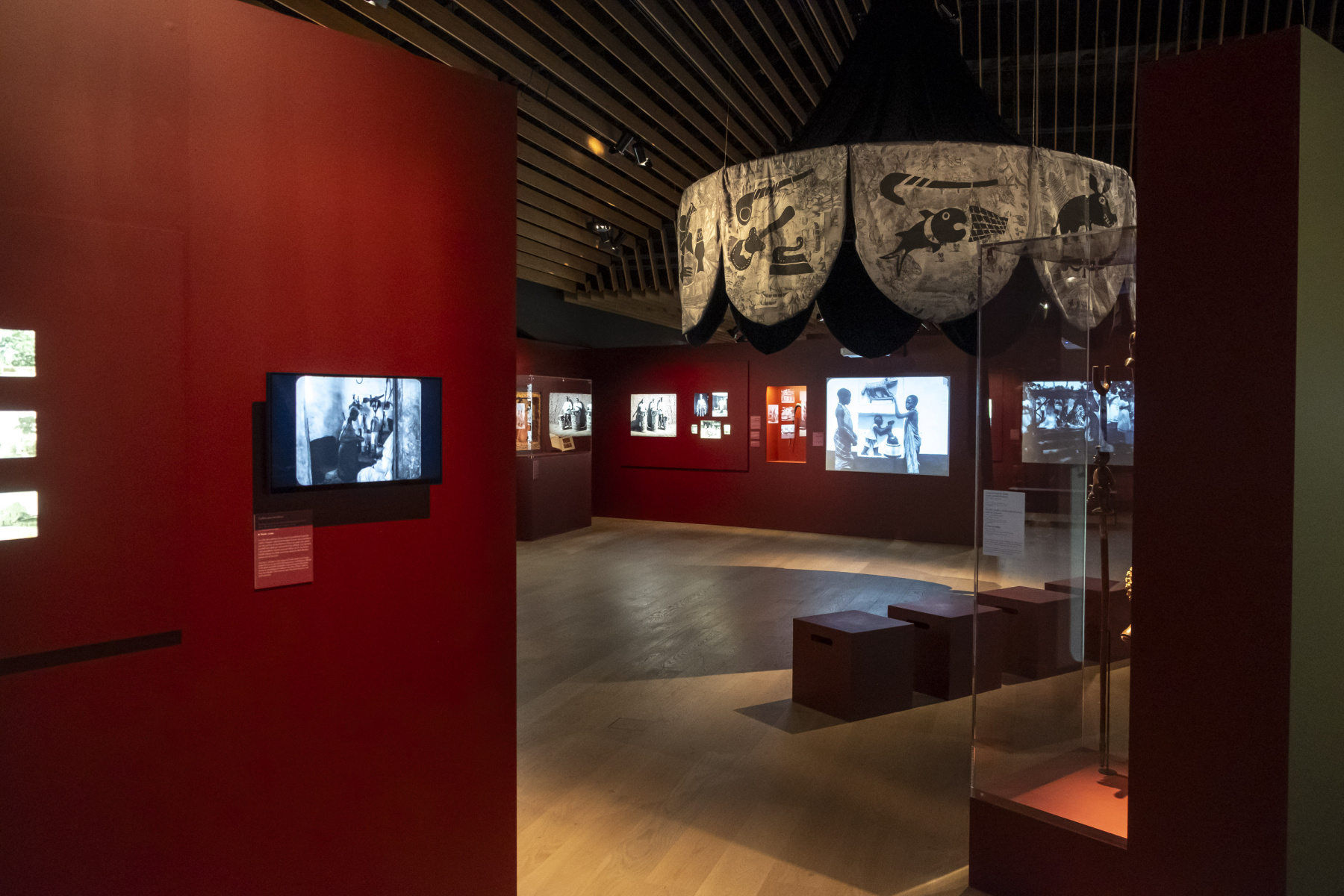
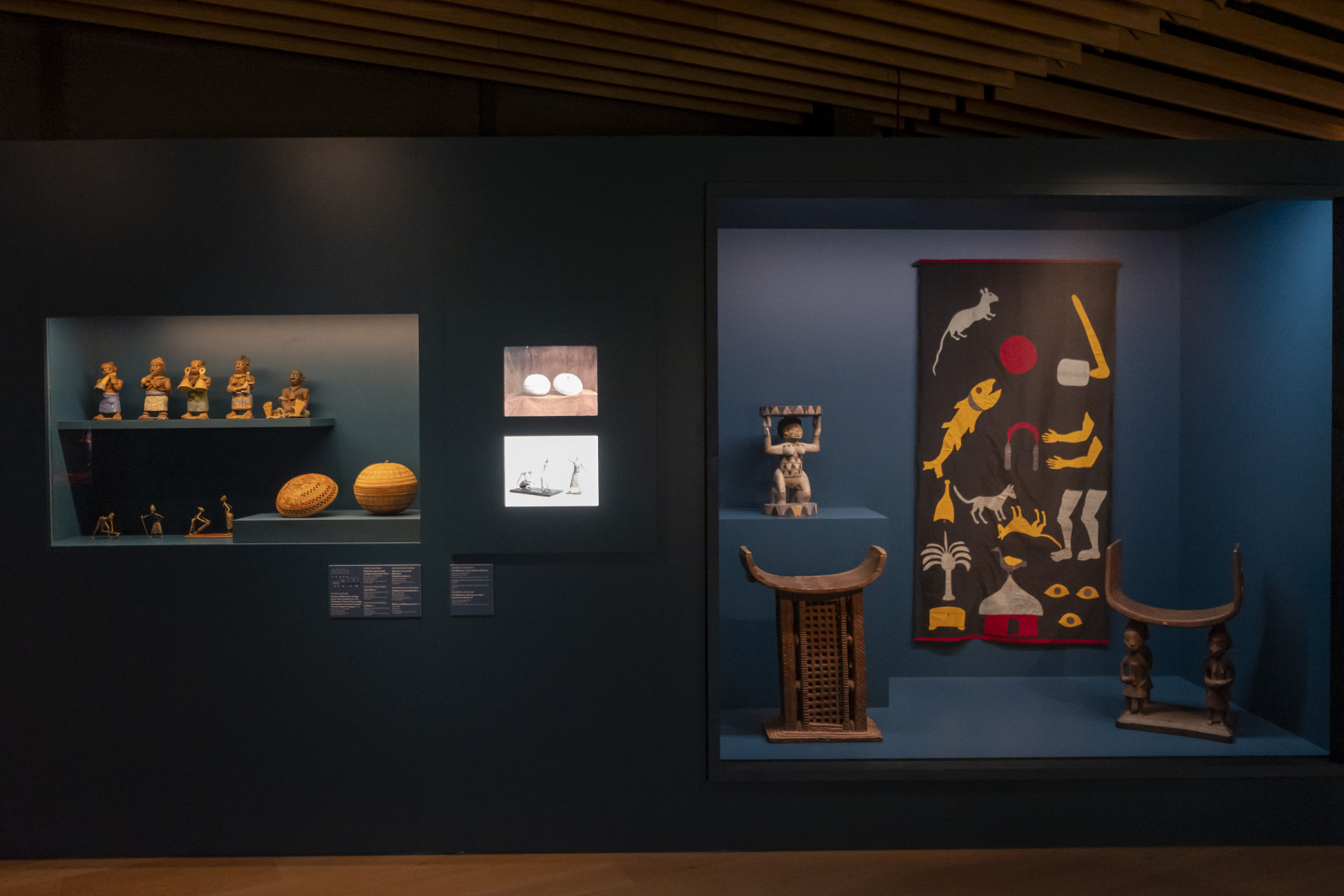
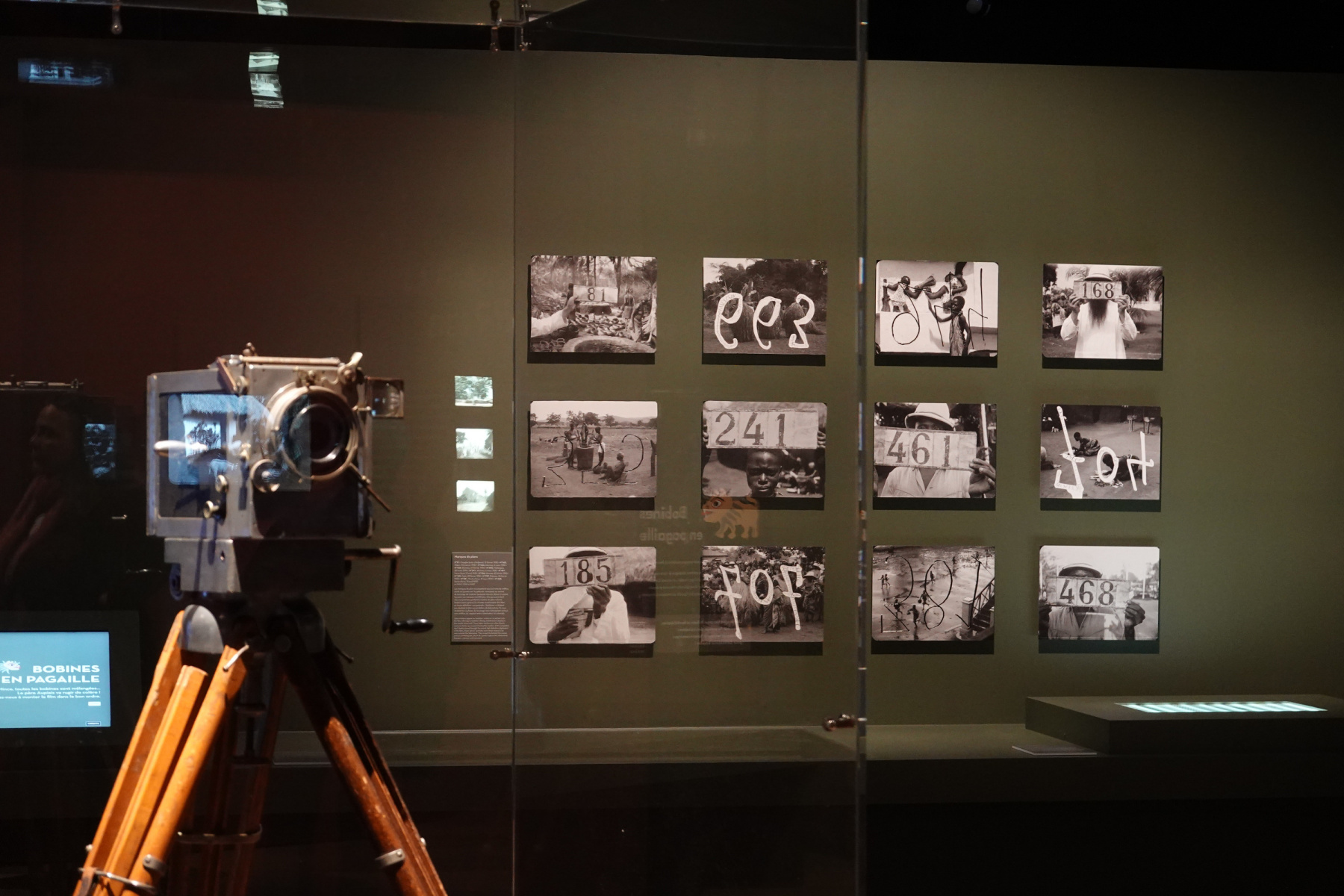
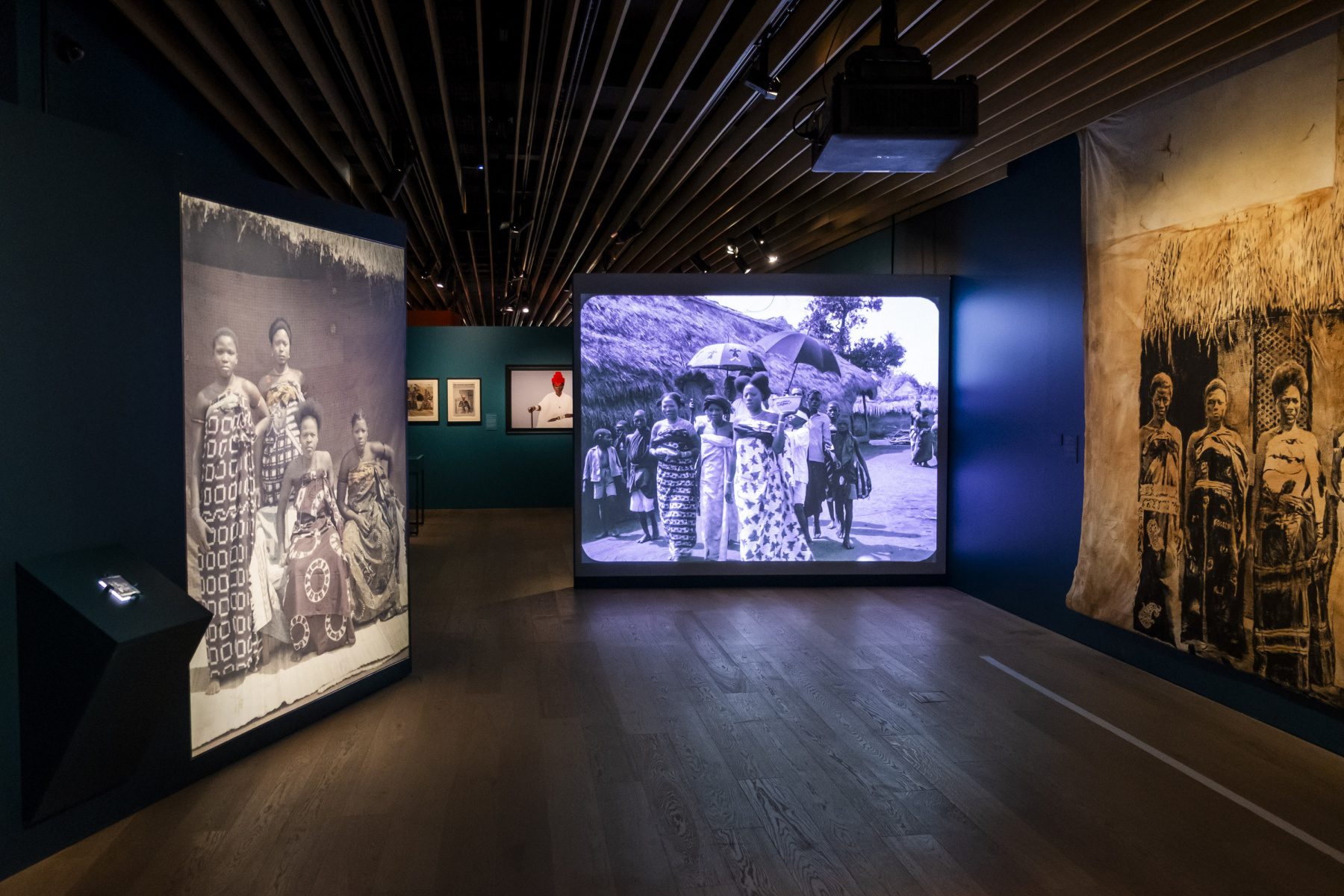
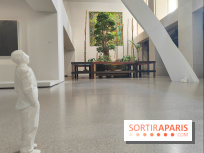
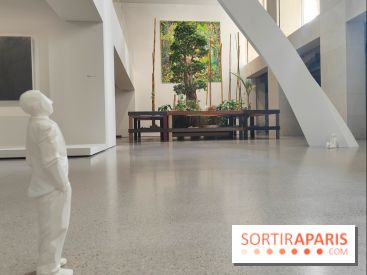
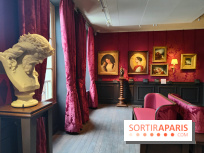
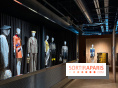
The tour is distinguished by the exceptional quality of the films, restored in 4K and projected in large format, and by a contemporary, sober and fluid scenography that envelops you in an atmosphere that is both documentary and introspective. The sensory and intellectual experience is enriched by the presence of ritual objects on loan from the musée du quai Branly - Jacques Chirac, illustrating the animated images and establishing their cultural roots.
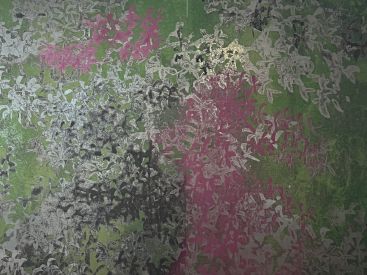
Behind this four-month mission was an atypical man of the cloth: Francis Aupiais, a fervent advocate of the recognition of African cultures. He convinced Albert Kahn to support his project of visual exploration, carried out by Frédéric Gadmer, cameraman at the Archives. Together, they captured 1,102 autochromes and 140 rolls of film, creating an unprecedented portrait of Dahomey at the time. This work constitutes one of the first filmic corpuses of French ethnography, predating even the famous Dakar-Djibouti mission.
Throughout the exhibition, the public is invited to follow in the footsteps of this expedition, to understand its motivations and to perceive the tensions that animated it: evangelization and objective observation, fascination and the desire to preserve. The story opens with the colonial and religious context, then unfolds around three main themes: manifestations of power, royal funeral ceremonies and vodún rites, studied by Francis Aupiais with a respectful eye for a spirituality perceived as a true way of thinking.
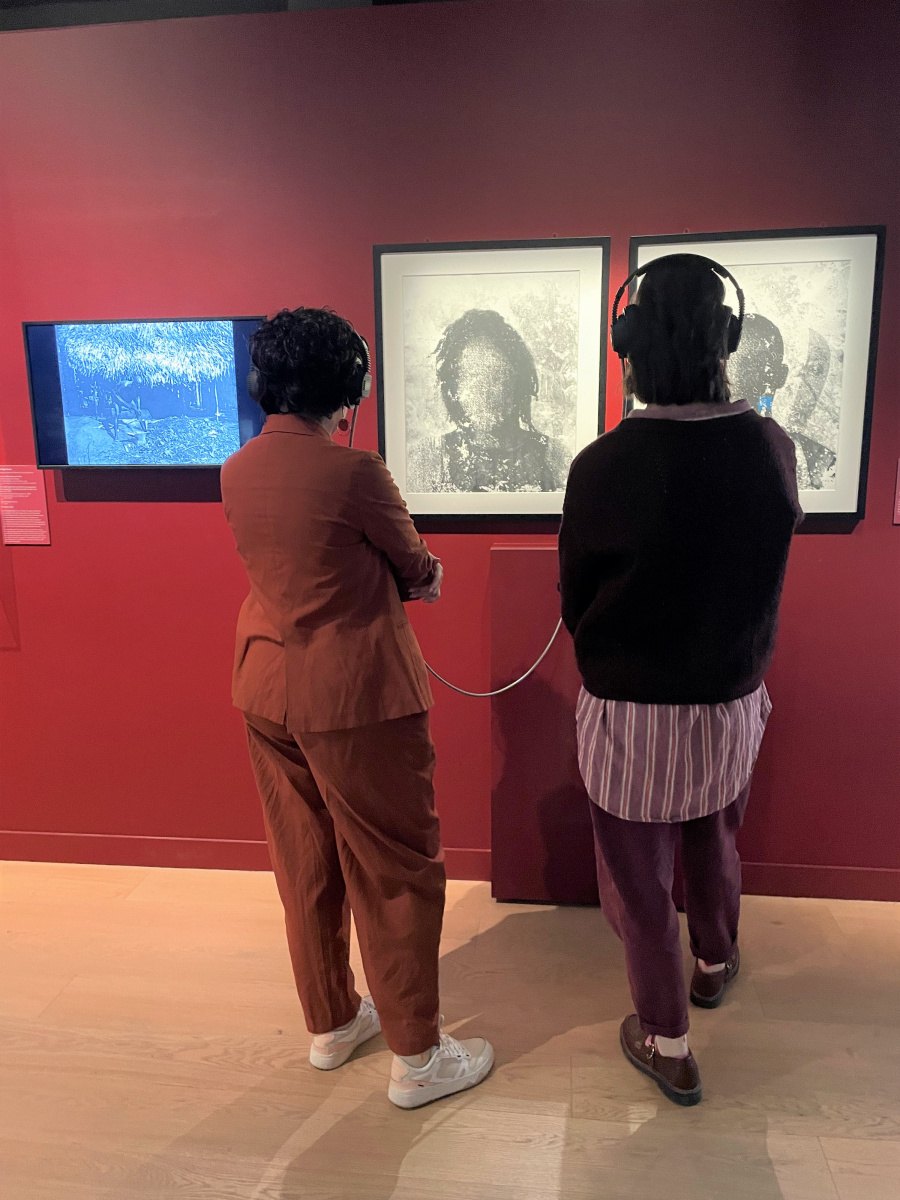
Benin, aller-retour goes beyond historical testimony to weave sensitive links with the present. Contemporary African artists - Ishola Akpo, Thulani Chauke, Sènami Donoumassou and Roméo Mivekannin - have been invited to reinterpret the images of 1930 through creations combining installation, performance, photography and painting. These works act as critical counterpoints, offering a decentered and updated rereading of colonial history and the representation of African peoples.
The tour ends with a reflection on the posterity of these images: their dissemination at the time via Francis Aupiais' lectures, their instrumentalization at the 1931Colonial Exhibition, but also their reactivation by today's artistic institutions, such as the Centre for the Less Good Idea in Johannesburg. A section also highlights the technical conditions under which the films were made, and the role of mise-en-scène in shaping the ethnographic gaze.
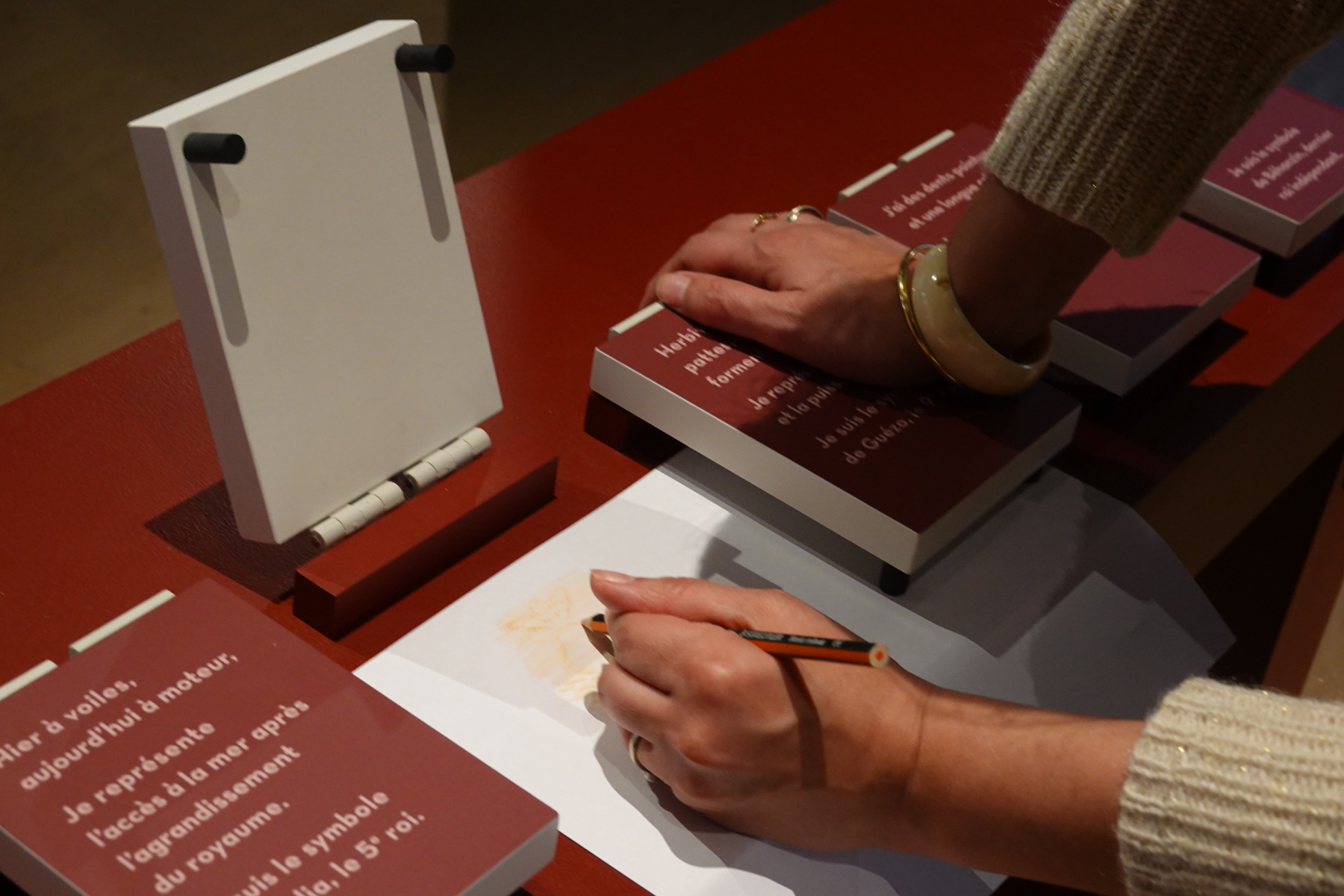
The Musée départemental Albert-Kahn continues its commitment to accessibility with an educational tour for families, designed at "children's level". The major themes are explored using manipulative devices and playful aids, perfect for an intergenerational visit. Whether you're a history buff, curious to discover the beginnings of ethnographic cinema, or looking for a moment of sharing with family and friends, this exhibition is for you.
Why not let yourself be guided by these century-old images, which tell more than just the story of a country, but of a way of seeing, transmitting and questioning the world?
This page may contain AI-assisted elements, more information here.
Dates and Opening Time
From October 14, 2025 to June 14, 2026
Location
Albert-Kahn Museum
2 Rue du Port
92100 Boulogne Billancourt
Route planner
Official website
albert-kahn.hauts-de-seine.fr
More information
Open Tuesday to Sunday, 11am to 6pm.