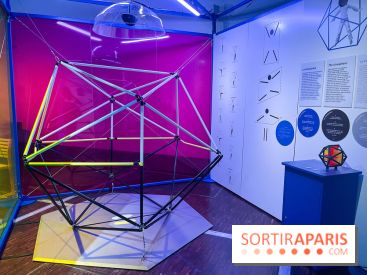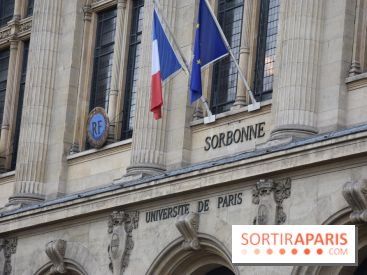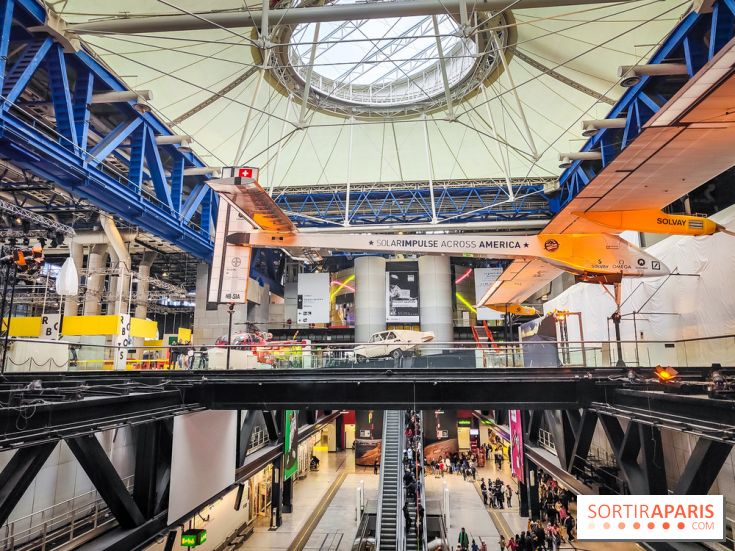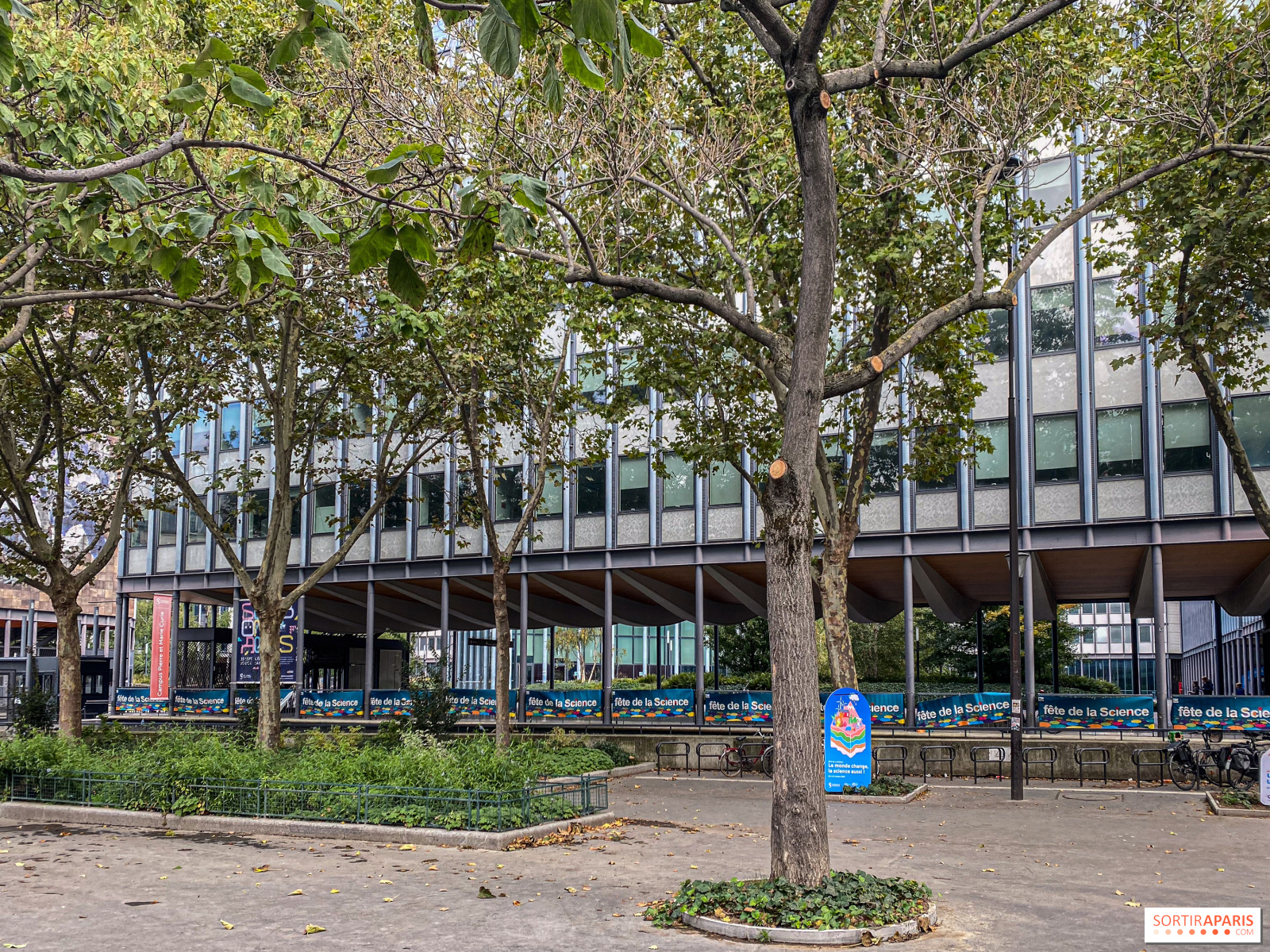
Fête de la Science 2025 at Sorbonne Université, Pierre et Marie Curie - Jussieu campus

Published by Laurent de Sortiraparis, Graziella de Sortiraparis, Margot de Sortiraparis · Photos by Laurent de Sortiraparis · Updated on August 12, 2025 at 05:28 p.m. · Published on September 14, 2015 at 04:00 p.m.
For the Fête de la Science, Sorbonne Université invites Parisians, Ile-de-France residents and curious tourists to the Jussieu campus (UPMC) to meet science professionals on October 11 and 12, 2025 at the Village des Sciences (and beforehand for certain events). On the program: conferences, events and other unique experiences...

On the occasion of the Fête de la Science, researchers from Sorbonne Université's Pierre et Marie Curie campus in Jussieu invite you to the Village des Sciences to meet the curious and answer all your questions, on October 11 and 12, 2025. It's an opportunity for everyone to meet the people involved in science from Sorbonne Université's three faculties.

A "catalyst for curiosity and knowledge", this unique encounter between the scientific community and the general public is the ideal opportunity to discover and understand the world around us with greater reason. All of this on a campus that places particular emphasis on scientific subjects, helping to create the big names of tomorrow. The aim of this Science Village?To "promote the scientific issues of its community around the challenges of tomorrow", such as ecology, renewable energies, medicine and so on.
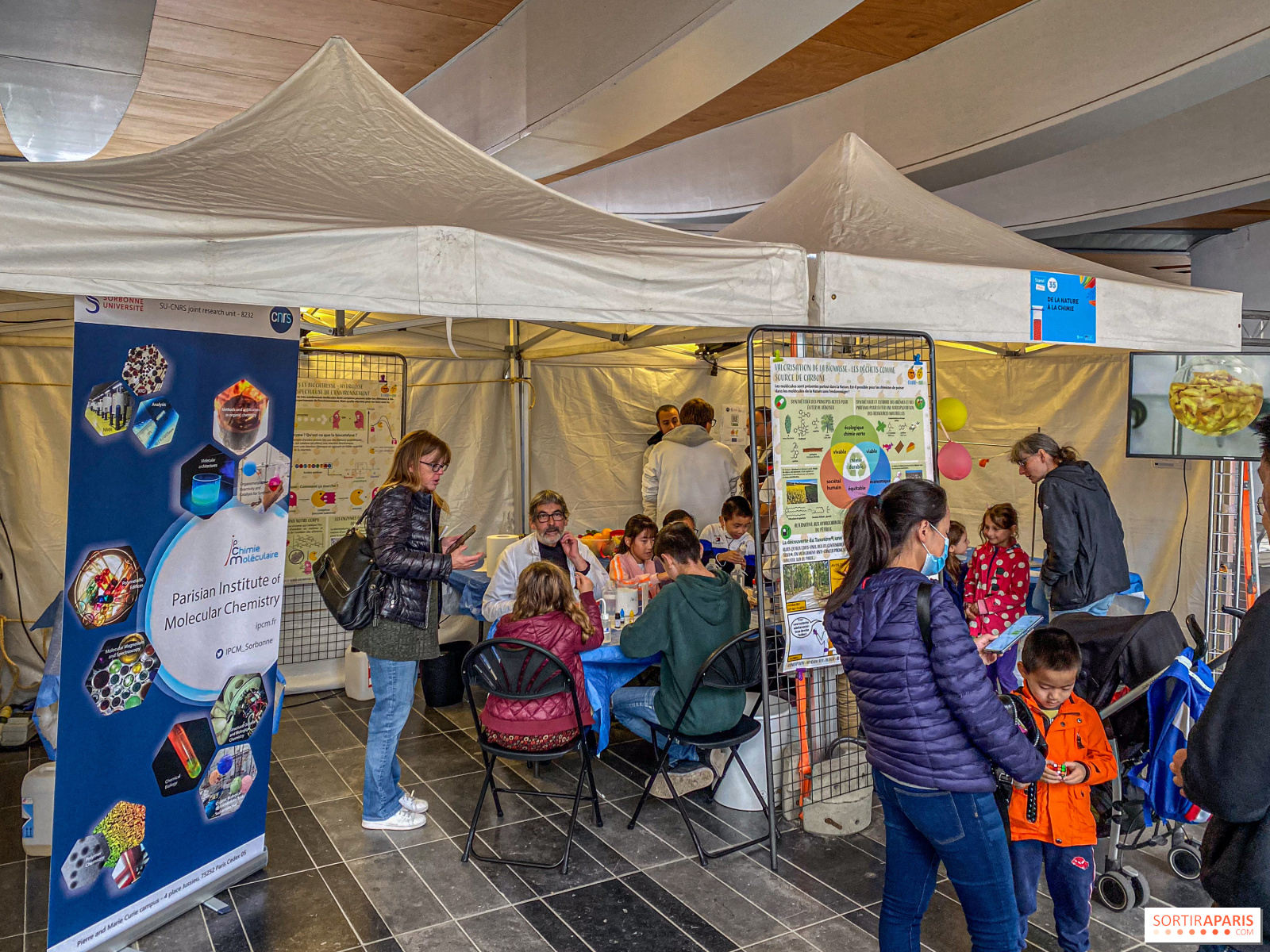
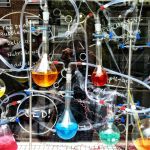
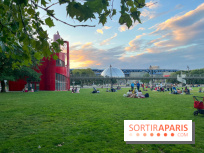
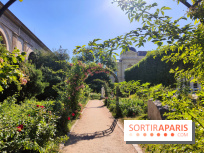
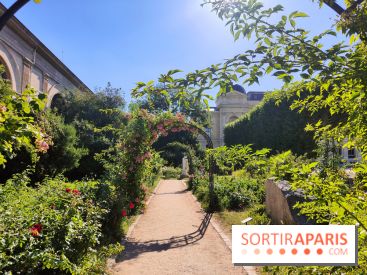
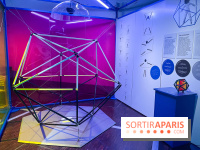
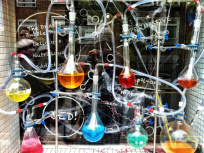
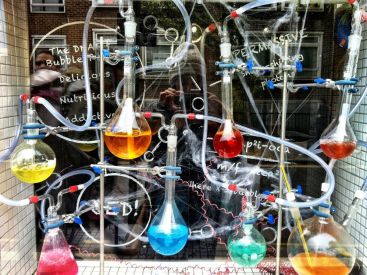
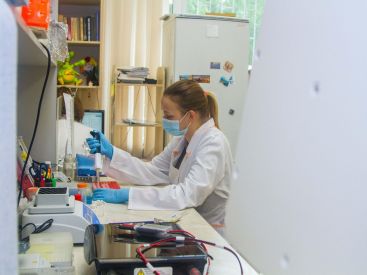
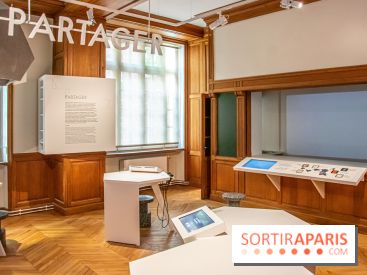
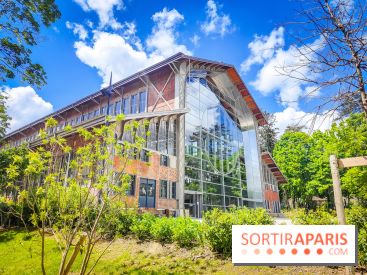
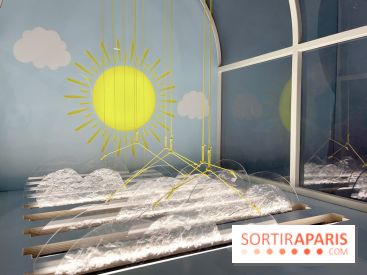
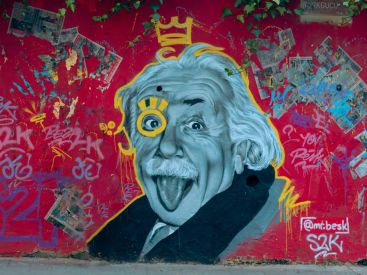
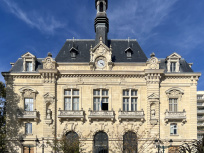
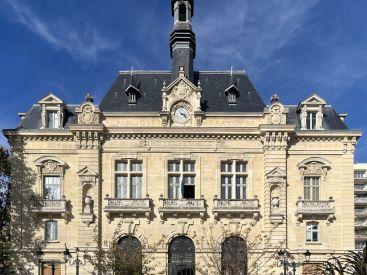
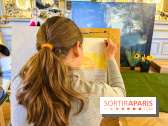
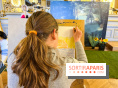
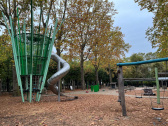
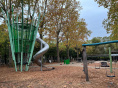
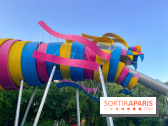
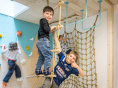
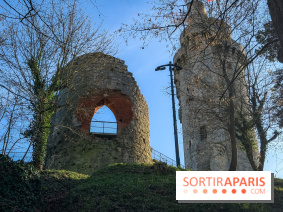
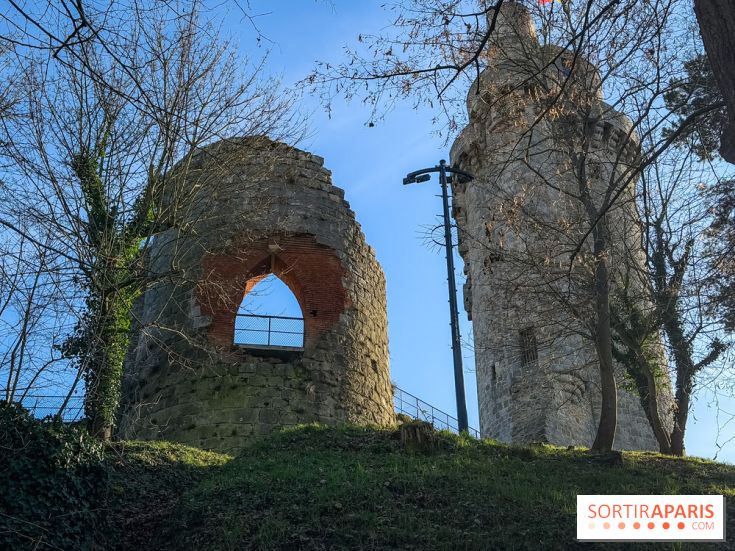
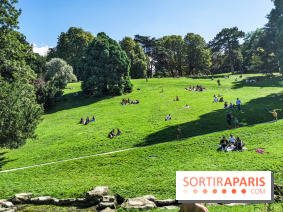
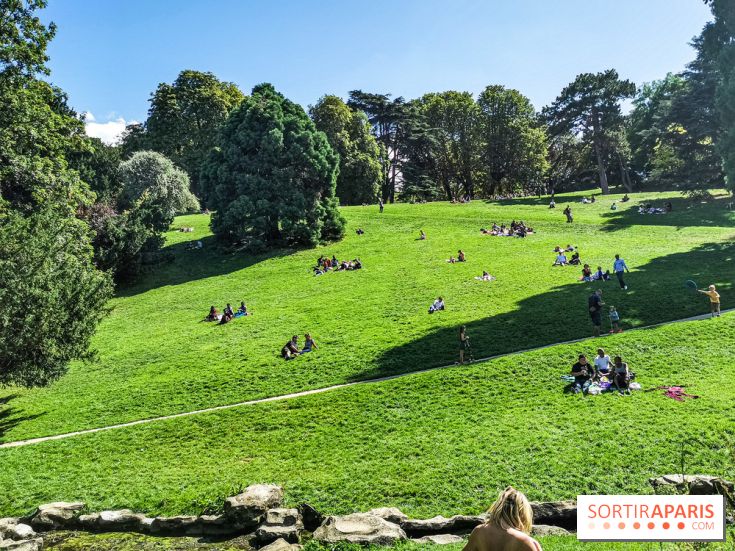
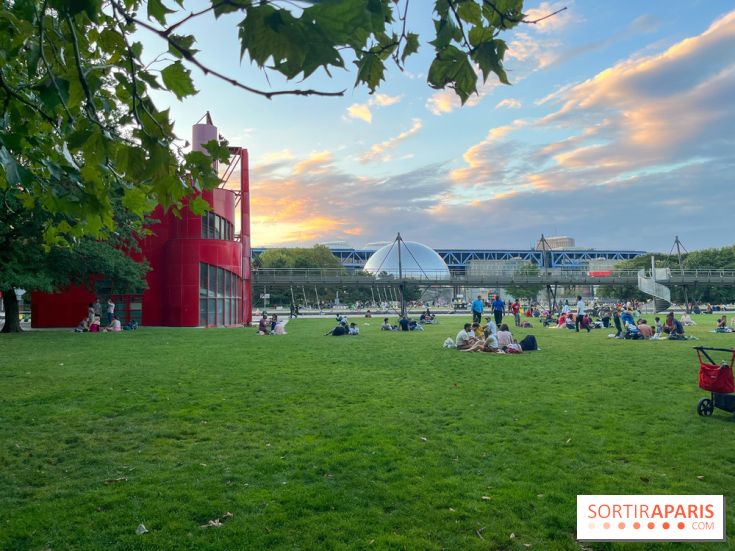
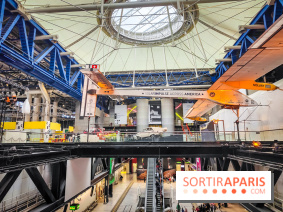
Fête de la Science 2025 à Sorbonne Université, campus Pierre et Marie Curie - JussieuFête de la Science 2025 à Sorbonne Université, campus Pierre et Marie Curie - JussieuFête de la Science 2025 à Sorbonne Université, campus Pierre et Marie Curie - JussieuFête de la Science 2025 à Sorbonne Université, campus Pierre et Marie Curie - Jussieu

During the weekend, the event traditionally hosts stands for experimentation, reflection and exchange on current science. The event also features laboratory tours, debates and lectures. Students, pupils, families and the curious... Everyone is welcome!

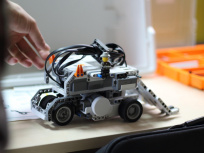
Fête de la Science 2022 à Paris et en Ile-de-FranceFête de la Science 2022 à Paris et en Ile-de-FranceFête de la Science 2022 à Paris et en Ile-de-FranceFête de la Science 2022 à Paris et en Ile-de-France Fête de la Science 2025 in Paris and Ile-de-France: the program of free events
The Fête de la Science is back from October 3 to 13, 2025 for its 34th edition! The idea? A week dedicated to scientific culture, with numerous free events all over France. Experiments, shows, open houses, visits and a host of workshops, open to all and adapted to children, await you in the four corners of Paris and the Île-de-France region! [Read more]

The Fête de la Science 2025 program on the UPMC campus:

Information to come

  • Microorganisms at the CFPB
    07 - 11 october


    Discover the composition of DNA and learn about the sequencing technique.
    We invite you to observe the microorganisms present at the CFPB and discover how their genomes are of interest to science. Microalgae Mushrooms Yeasts Bacteria

    And learn about the sequencing technique in a fun workshop where you can manipulate DNA components and decipher genetic codes!


  • Discovering the senses
    07 - 11 october


    Come and put your senses to the test!
    We invite you to play with your senses: smell, hear, see, touch! Come and play with us in our Workshops!
    At the CFPB, our biology laboratory, we'll be measuring some of the body's reflexes: breathing, myotatic reflexes and respiration. We'll introduce you to ExAO through a participatory Workshop!


  • Conference: The birth of regional cuisines and the affirmation of a specific taste
    08 - 08 october

    Between the Middle Ages and the present day, tastes in Europe have evolved considerably, as have the ways in which sweet and savory foods are shared at the table. Recipe books (=receptories) bear witness to these developments, and help us to understand how taste developed in Europe, and more specifically, in 14th-century Italy.


  • Conference: Expressing and translating taste: words, metaphors and the (in)translatable
    08 - 08 october

    Taste is first and foremost a sensation that's not always easy to describe in words. Often, we use images (metaphors) to try to express what we feel, beyond the five primary flavors (sweet, salty, acid, bitter, umami), but always with the feeling of being in the approximation, the inaccuracy. Secondly, it's even more difficult to translate the words and images of taste into a foreign language. How do you express taste? How do you translate it into a language other than your own?


  • Cold and fire are fun!
    08 - 10 october


    In two 2-hour workshops, a series of short, fun experiments will arouse children's curiosity and raise their awareness of the natural phenomena that surround us. From cloud formation to fireworks, these phenomena can easily be explained in a fun way. A number of experiments involving fire and cold will enable children to discover :
    The colors of fireworks
    The "magic" cold
    How to make elephant toothpaste
    Combustion
    All things cold


  • Conference: A taste of the possible
    08 - 08 october

    Some foods do not immediately have a specific taste. Their taste reveals itself after a certain amount of chewing, allowing us to imagine all the possible flavors before being able to attribute a more precise taste to them. Smell is sometimes what conditions the taste we imaginatively project onto these foods.


  • Conference: The links between olfaction and taste
    08 - 08 october

    Taste and smell are not separate senses, but interconnected. Pleasant smells whet our appetites even before we've tasted the food, while those we consider unpleasant prevent us from imagining that the flavors will be good. What factors explain these links between smell and taste?


  • Lecture: Physiology and neurobiology of taste
    08 - 08 october

    Of the five senses, taste is the one that is activated by receptors or sensors to detect and identify the many stimuli that are flavors. There are currently five primary tastes (sweet, salty, sour, bitter, umami), which can be combined to form more elaborate taste sensations. Certain diseases alter taste, and help us to understand that the tastes we perceive are not a stable, fixed reality.


  • Creative workshop: create a zine about climate change!
    october 09 - 09

    Zines (personalized brochures) are an excellent way of sharing information on exciting topics. With prepared material (texts, graphics, drawings), students will be guided by climatologists in selecting and organizing information on climate change, helping them to create their own zine.


  • Weightless materials
    October 09 - 10

    You'll be able to observe crystal growth, foam and liquid crystal experiments carried out on Earth or in microgravity on the International Space Station or in parabolic flights.


  • Green Science
    october 09 - 11


    Vert La Science offers a series of fun and educational experiments to bring science to life, especially for children.
    The volcano experiment simulates an eruption thanks to a reaction between vinegar and baking soda. Depending on the presence or absence of a plug, an effusive or explosive eruption can be observed, illustrating real-life volcanic mechanisms. This demonstration is accompanied by explanations of plate tectonics, the formation of volcanoes and their impact on the environment.
    The liquid nitrogen experiment shows the effects of extreme temperatures: everyday objects immersed in this liquid at -196°C become brittle, offering a spectacular moment while introducing the notions of change of state and material properties.
    The Memory game introduces the mechanisms of memory. Two groups test their visual memory with different modalities, observing the effects of presentation on memorization and introducing the concepts of working memory and episodic memory.
    The simplified Mastermind is used to illustrate logical and scientific reasoning processes. Participants have to guess a combination based on partial clues, showing how we build hypotheses and adjust our strategy on the basis of errors.
    Finally, a color-blindness test allows visitors to discover how color-blind people perceive colors. Using a computer program, images are modified to simulate different types of visual impairment.
    Each activity is accompanied by teaching aids and adapted to different ages, to make science accessible and engaging.


  • Plankton, are you there? Discover the incredible biodiversity of plankton
    october 09 - 09

    After a general introduction to marine plankton (its diversity, its role in the oceans, the methods used to study it, the impact of climate change on it), you'll investigate in teams (of ~ 4 students) in several mini-workshops to collect clues and find out which plankton you are, before presenting it to the class!


  • SAFIR, the journey of a particle
    October 09 - 10

    SAFIR is an analytical tool: it probes the structure and composition of solids from the first atomic layer down to a few micrometers in depth. In this way, it is able to identify, count and locate atoms accurately and precisely.
    This research is useful, for example, in optimizing materials and structures for microelectronic devices (chips, optoelectronics, quantum computers).
    Among gas pedals, SAFIR stands out for its exceptional energy stability, its location in a condensed matter physics laboratory, its accessibility, ease and flexibility of use, and finally its openness to other disciplines: materials science, electro-chemistry, geology, planetology, archaeology.
    The team in charge of the gas pedal offers you a guided tour with the following program: General presentation of SAFIR Visit and talk on some basic elements of physics Starting up the gas pedal and analysis

    It is advisable to combine the visit to the gas pedal with a guided tour of particle physics.


  • Groundwater flow, how does it work? - The water cycle
    October 09 - 10

    The METIS laboratory uses model experiments to show how aquifers function in the underground environment (variations in the piezometric level of the water table, interactions between surface water and groundwater, and the effects of any contamination of groundwater from the surface).


  • The climate: how does it work?
    October 10 - 10

    Researchers and doctoral students at IPSL (Institut Pierre-Simon Laplace) use experiments to explain the impact of physical phenomena on climate: the water and carbon cycles, ocean circulation, melting ice... You'll discover how these processes influence the climate, how they modify it and how to limit these modifications.


  • Ecocinafest'Degust
    October 10 - 12

    A voyage of discovery around Hispanic cuisine through time and space. Each Hispanic dish has a story to tell, taking us on a journey through the different cultures (Arab, Jewish, Amerindian, African) that have intertwined to give Hispanic cuisine its distinctive taste and unique flavors. Join us for an immersive culinary experience, with tastings of cold dishes typical of Iberian cuisine, featuring recipes such as empanadas, gazpacho, croquetas, tortilla, jamón serrano, pulpo a la gallega, pan con tomate and more.
    This workshop will be offered in priority to classes in the European Spanish section, Bachibach or Spanish LV1.


  • From Minitel to TikTok - Journey to the center of the web
    October 10 - 12

    A fun, intergenerational workshop to discover the evolution of information technologies, from Minitel to digital social networks. A visual and audio dive into the history of the Internet, for the nostalgic or the digitally illiterate.


  • Ecocinafest'Foto
    October 10 - 12

    This photo exhibition presents the history of food products introduced to Europe in the 16th century: tomatoes, cocoa, peppers, potatoes, pineapples, avocados, peanuts, squash, pumpkins, beans and more. Discover the history, semantics and uses of certain foods, as well as the dietary practices associated with them.


  • Ecocinafest'Conf-Quizz
    October 10 - 12

    A series of mini-conferences co-hosted by Master's students, lecturers and chefs specializing in Iberian cuisine and food products from America that were introduced to Europe via Spain. The aim is to retrace the history of these foods and the routes they took from America, as well as the history of designations from Amerindian languages to Romance languages. Participate in a "weight tombola" with prizes containing typical Iberian products!
    This workshop will be offered in priority to classes in the European Spanish section, Bachibach or Spanish LV1.


  • Crystals: from formation to use
    October 10 - 10

    This event offers CM1 and CM2 pupils the chance to experiment, observe and discover! Three simultaneous workshops: "What is a crystal? building crystals " How does matter change? experimentally go through solid, liquid and gaseous states "Minerals in paint": how do we obtain colors from mineral powders to make paint? Demonstration of pigment manufacture, coloring of color charts


  • ExoMars: off to the red planet
    October 10 - 10

    The European Space Agency wants to send a rover called Rosalind Franklin to Mars to search for potential traces of past or present life. How does such an ambitious mission unfold over the years? What scientific instruments are on board? Will we ever reach the surface of the Red Planet and unlock its secrets? Come and discover the ExoMars space mission, presented by participating scientists, through a game of goose.


  • How does the climate work? ...the atmosphere
    October 11 - 12


    At the LMD-IPSL (Laboratoire de Météorologie Dynamique - Institut Pierre-Simon Laplace), scientists will be presenting fun experiments to help you understand how clouds form, why the sky is blue, why clouds are grey when seen from the ground but white when seen from the air... We'll also be talking about some of the big issues: climate modelling, predictions for the future, IPCC reports...


  • Environment goose game
    October 11 - 11

    The aim is to raise awareness of the challenges of environmental and societal transition. The game is accessible to adults and children (aged 13 and over). The number of squares and the level of difficulty of the questions can vary according to the participants. Malus and tokens make the activity even more fun. All you need to play is a recycled pawn and a dice.


  • Materials at the crossroads of disciplines
    October 11 - 11

    Scientists take you on a tour of the laboratory, with meetings and visits to facilities based on two themes: Materials and the Environment, Materials and Heritage, and Materials and Biology.


  • Mineral garden
    October 10 - 11

    Intelligent photoluminescent materials developed in the laboratory. These materials are used to chemically modify surfaces. These intelligent materials are known to modify the hydrophilicity of surfaces and coat them. The mechanism of their action is intelligent in itself.


  • Using intelligent materials to control pollution.
    October 10 - 11

    Glycolipids, a class of natural biosurfactants, are promising smart materials for pollution control, particularly in marine environments. Produced by certain bacteria or yeasts, these compounds are biodegradable, non-toxic and effective at low concentrations. Thanks to their surface-active properties, glycolipids can emulsify hydrocarbons and facilitate their degradation, making it possible to clean up areas polluted by oil or other organic contaminants. They are relatively easy to produce in the laboratory from renewable resources, making them a sustainable and environmentally-friendly solution for pollution control.


  • Intelligent materials for demonstrating sea urchin defense mechanisms, using colors and spines.
    October 10 - 11

    Sea urchins have different colorations on their spines. Other marine organisms are also known to possess different colorations. These colorations are intelligent materials and are closely linked to the organism's defense mechanism. The idea is to demonstrate different color experiments.


  • Discover the kidney, a fabulous organ!
    October 11 - 12


    The kidney ensures the proper functioning of our body by ridding the blood of waste and excess elements. It's an indispensable organ! Unfortunately, kidney disease is not uncommon. We'll explain why, and you'll learn how to detect them using color techniques.


  • Discovering the Saint-Antoine Research Center
    October 11 - 12

    Driven by their desire to share and popularize their research work, the researchers at the Centre de Recherche Saint-Antoine are coming to meet you to present their discoveries and let you handle them!
    Get ready to put on your gloves and gown!


  • Top Aero: beyond the sky begins the adventure
    October 10 - 12


    The Fête de la Science welcomes Top Aero, a student association with a passion for aeronautics and space, to give you a hands-on experience of aerospace. At our stand, immerse yourself in this universe through interactive demonstrations and discover real experimental rockets, designed by students, that have already taken off: C'Space 2025 - Launch MC-4 🚀 - YouTube. And Top Aero doesn't stop at rockets: we're also developing drones and a vertical-landing lander.
    Take the controls of a flight simulator, test your knowledge with a fun quiz, and watch 3D printing in action to manufacture innovative parts. Top Aero members, budding young engineers, will share their feedback on these daring projects and the challenges they've overcome. Be inspired by their infectious passion and boundless creativity.


  • Two infinities conference at the LPNHE
    October 11 - 11

    The LPNHE is an experimental physics laboratory studying the physics of the two infinities, from particle physics to cosmology. The main vocation of the laboratory is the study of the elementary constituents of matter, with experiments located in major laboratories such as CERN, the study of cosmic rays and the study of dark matter and dark energy in the context of major astronomical observatories.
    Two LPNHE researchers will introduce you to the laboratory's activities through two lectures:
    - Les jeux pour la médiation scientifique et les options pour la recherche participative, Bertrand Laforge, professor at Sorbonne University (3pm-4pm)
    - Les premières lumières de l'observatoire Vera C. Rubin au Chili, Pierre Astier, director of research at CNRS (4pm-5pm)


  • Delos and its stones
    September 17 - October 13

    Discover the origin of the stones used in the construction of one of the largest temples dedicated to Apollo around 100 BC.


  • Magnetic Resonance in all its forms
    07 - 12 october


    Sorbonne Université and CNRS open the doors to the Paris-Centre Nuclear Magnetic Resonance (NMR) Platform. The platform is equipped with 9 NMR spectrometers coupled to intense magnetic fields: up to 300,000 times stronger than the Earth's magnetic field. Such intense fields can only be obtained using superconducting materials maintained at -269°C using cryogenic fluids. This is a sophisticated and ultra-powerful analysis tool, on an atomic scale. It can be used to study small or large molecules, as well as materials, whether crystallized or disordered, in all states: liquid, solid or gas. This method covers a wide spectrum of fields: chemistry, biology, physics, ...., but it is also used in industrial environments or for other types of applications, including medical imaging (MRI) and fraud control. A tour of the platform will be offered, followed by a brief introduction to this analysis method. Secondly, interactive demonstrations on everyday products will illustrate the performance of this analysis tool.
    The event will take place in Tower 32-33 on Sorbonne University's Pierre et Marie Curie campus. Find us on the Platform website: http://rmn.sorbonne-universite.fr


  • Intelligences at Sorbonne University
    07 - 12 october

    Schoolchildren are welcome from October 7 to 10, and the weekend is open to the general public. The 2025 edition of "Intelligence(s)" offers a tour of the Pierre et Marie Curie campus, the Cordeliers research center, the Pitié-Salpêtrière campus, the Saint-Antoine research center and the Maison Poincaré.
    On the program: workshops, laboratory visits, stands, games and exhibitions. Over 350 scientists from the humanities, health, science and engineering will be on hand!


  • When nature's intelligence reveals itself under our microscopes!
    07 - 10 october


    Nature is full of adaptive strategies! Take a microscopic look at how our samples feed, resist water stress and repair their connections. Then immerse yourself in the world of cells using 3D visualization software. An immersive exploration into the heart of life!


  • Physics of two infinities at the LPNHE
    October 09 - 12

    The LPNHE is an experimental physics laboratory studying the physics of the two infinities, from particle physics to cosmology. The main vocation of the laboratory is the study of the elementary constituents of matter, with experiments located in major laboratories such as CERN, the study of cosmic rays and the study of dark matter and dark energy in the context of major astronomical observatories.
    Members of the laboratory will welcome you with a variety of events, including a stand in the Village des Sciences, guided tours of the laboratory, workshops for schoolchildren and a series of lectures.


  • Molecules in the universe for high school students
    October 10 - 10

    When molecules interact with light, they are modified. We can then study the properties of these molecules on many scales, from the Earth's atmosphere to the interstellar medium. Come and take part in workshops on cold and air quality, and discover the astrophysics and atmospheric science research activities at the MONARIS laboratory (de la Molécule aux Nano-Objets : Réactivité, Interactions et Spectroscopies)!
    School level: second to BTS; maximum 30 students


  • Discovering the human brain
    October 11 - 12


    Immerse yourself in the fascinating world of the human brain! Thanks to models and anatomical sections, discover in an interactive way how neurons, memory, emotions and behaviors work. A fun way to understand the major functions of the brain, accessible to all ages.


  • Elixirs of Notre-Dame
    October 11–11


    As a prelude to a long art-science project from 2025 to 2027, centered around the Notre-Dame re
    , Tangible's archaeographers invite you on a journey combining arts in public space and science.
    Accompanied by two bryologists and a hydrogeologist, the Tangible artistic team
    invites you to travel up the Seine, with your nose in the moss and your eyes on the water. We
    will travel with them across different scales of time and space, carried by
    plastic installations inspired by the micro-worlds of mosses and lichens, as well as
    by choreographies that echo the depth of underground waters.


  • Discovering modular synthesis
    October 11 - 12

    Discover how technology is transforming music in this fun, scientific workshop at the Fête de la Science. By manipulating original synthesizers and devices, you'll be able to create astonishing sounds, while exploring the principles of acoustics and electronics. This workshop offers a fascinating plunge into the world of digital music, where mathematics and the science of sound meet to give birth to unique compositions. Whether you're a novice or an enthusiast, come and experience music in a new way!


  • Discovering the geology collections
    October 11-11

     
    The petrology collections mainly consist of rocks collected during French research between the late 19th and early 20th centuries. These samples, collected by scientists from the Sorbonne and holders of the chair of geology, or originating from deposits that are now inaccessible, are of great heritage interest.


  • Brain, sexuality and violence: what science tells us
    October 11 - 11

     
    This lecture explores how the brain orchestrates both sexuality and sexual violence, integrating desire, pleasure, and sociocultural factors. Based on recent research, it examines the profiles of aggressors, the effects on victims, and advocates for a more peaceful society through the dissemination of knowledge.
    Location: Barre Cassan, Building C, 4th floor, room C404 


  • Mineral metamorphoses: what stones tell us
    October 7–11

    Mountains, cliffs, rocks, gravel, stalactites, fossils, buildings, and sculptures—the mineral world presents itself to us in many forms. As part of the Year of Geosciences, the Sorbonne University Mineral Collection invites you to explore the metamorphosis of rocks and minerals from the depths of the Earth to their transformation by humans. You will discover emblematic, surprising, aesthetic, or more modest objects, all representative of mineral metamorphoses.


  • Tour or workshop based on the collections
    October 7–10

    The mineral collection offers tours and workshops tailored to your needs, either focusing on the collections (history, formation, colors, shapes, rarities, etc.) or on the temporary exhibition Mineral Metamorphoses: What Stones Tell Us.
    Storytelling tours and game tours are available for children aged 5 and up.


  • The smallest unit of life: The cell
    October 7–10

     
    The cell is the smallest building block of all living things. To study it, we cultivate it as if we were gardening and examine it with a magnifying glass like detectives. Uncovering its mysteries is our passion! This allows us to better understand how cells function to form a living being. We look forward to seeing you!


  • Scavenger hunt - Funny animals!
    October 7–10

    Discovery tour of the mineral collection in the form of a treasure hunt for ages 6 and up.
    Try to find the funny animals hiding in the collections...


  • Workshop - Volcanic!
    October 7–11

    In connection with the exhibition Mineral Metamorphoses: What Stones Tell Us, the Mineral Collection invites you to try your hand at a few explosive experiments!


  • Visit the exhibition Mineral Metamorphoses: What Stones Tell Us
    October 7–11

    Mountains, cliffs, rocks, gravel, stalactites, fossils, buildings, and sculptures—the mineral world presents itself to us in many forms. As part of the Year of Geosciences, the Sorbonne University Mineral Collection invites you to explore the metamorphosis of rocks and minerals from the depths of the Earth to their transformation by humans. You will discover emblematic, surprising, aesthetic, or more modest objects, all representative of mineral metamorphoses.


  • Speed-meeting with young researchers
    October 9–10

    Sorbonne University's thematic institutes offer high school students in the Île-de-France region a direct immersion into scientific life and research at the university. All in just ten minutes flat.
    Our high school students have only a vague and partial view of university life and academic research. They cannot imagine the richness of research, the multitude of pathways in their studies, or the different careers that the university offers. To inform them, reassure them, and spark their interest, our six institutes organize short meetings between your senior class and our doctoral students. Our various disciplinary fields will enable us to offer your students six different paths and six different areas of research that only university can provide in six meetings.
    Young researchers from the scientific communities of the IMAT (Institute of Materials Science), OPUS (Heritage Observatory), QICS (Quantum Information Center Sorbonne), SCAI (Sorbonne Center for Artificial Intelligence), Ocean, and Collegium Musicæ who will welcome high school juniors and seniors to a speed meeting to discuss their scientific and academic backgrounds and their research topics: materials, heritage, quantum information, artificial intelligence, the ocean, and music.
     
    The institutes support interdisciplinary and innovative research: the scientists who develop these projects often have rich and original backgrounds, at the crossroads of several disciplines.

    In short:
    - a class divided into groups of 5/6 students (from 11th to 12th grade)
    - 6 young researchers
    - 10 minutes of discussion per researcher
    - 1.5 hours of speed-meeting
    - discovery of interdisciplinary backgrounds in science and the humanities and social sciences (archaeology, chemistry, art history, computer science, mathematics, physics, music, geography, etc.)
     
    Slots for reservations:
    - 9:00-10:30 a.m.
    - 11:00 a.m.-12:30 p.m.
    - 1:00-2:30 p.m.
    - 3:00-4:30 p.m.

    Information and contact details for the institutes:
     
    IMAT - emmanuel.sautjeau@sorbonne-universite.fr
    OPUS - frederique.andry-cazin@sorbonne-universite.fr
    QICS - khamsa.habouchi@sorbonne-universite.fr
    Institut de l’Océan - marie-line.sauvee@sorbonne-universite.fr
    Collegium Musicæ - nancy.hachem.1@sorbonne-université.fr
    SCAI - Rakhee Patel: rakhee.patel@sorbonne-universite.fr, Julien.Roudil@sorbonne-universite.fr


  • Discover living things, from bacteria to ecosystems
    October 10-12

    Through games, quizzes, microscope observations, and sensory experiences, come and smell, handle, observe, and understand surprising microorganisms, insects with keen senses of smell, pollinators essential to our health, the ingenious structure of plants, and the complex interactions that connect all these beings. An invitation to discover the intelligence of living things... and to awaken your own!


  • RPG of an ethical debate
    October 10-12

    Each participant is assigned a role and given a small card providing access to a certain amount of information from different sources depending on the role. Build a reasoned discussion between different participants and the different points of view they represent. The debate will be monitored and supplemented by a member of the association, who will provide new information during the debate.


  • Speed battle: Brain VS AI!
    October 10–12

    Explain in simple terms the difference between a response generated by a human and one generated by Artificial Intelligence.


  • All connected by the hive mind!
    October 10-12

    Ask what differentiates us as humans from other animals in terms of our brains. Compare the size, number of cells, functions, etc. of the human brain with those of ants, bees, and termites. Then ask a student to do the T-test. When they are ready, show the video of the test and define the hive mind. Then move on to the different methods of communication used by ants, bees, and termites, comparing them to human behavior to show the differences and similarities. Ask the group to define intelligence based on this. Make it clear that intelligence is defined from an anthropocentric perspective.


  • Games stand
    October 10–12

    Board games will be available for the public to play. Volunteers will be on hand to run the games tables and advise participants.


  • Fun conferences
    October 10–12

    Students from Sorbonne University offer short presentations on scientific concepts related to their studies, using games as examples to make them accessible to a wider audience.


  • Quantum exploration: behind the scenes at the Kastler Brossel Laboratory!
    October 10-12

    The Kastler Brossel Laboratory is one of the major players in the field of quantum physics. Its topics cover many aspects, from fundamental tests of quantum theory to applications. For Science Day, we invite you to come and visit our laboratories. Four topics will be covered: What is light? How can gravitational waves be detected? How far can matter be cooled? High-precision measurements in quantum physics
    For each of these topics, a researcher will give a presentation followed by a tour of their laboratory. A tour of the laboratory's mechanical workshop will also be offered.


  • The Potions Academy
    October 10–12

     
    Open house at the Potions Academy! Come meet our students and concoct colorful potions, luminous elixirs, and shape-shifting potions. Many secrets lie hidden behind these liquids. Will you be able to uncover them? Only your mind and intelligence can help you...


  • Personal assistance: technology at the service of the body and the senses
    October 10–12

     
    When technology takes care of us!
    At our booth, discover five ingenious projects that rethink everyday assistance. Health, independence, mobility: science at the service of everyone.
    Breathe freely, without breaking the bank
    An active respiratory protection visor that is lightweight, easy to produce, and affordable. A little gem of ingenuity to protect yourself... without getting in the way.
    What if we could walk without constraints?
    Imagine a crutch that helps you move forward while freeing up your hand and forearm. It's more than just support, it's freedom regained.
    Seeing with your back is possible!
    Thanks to a tactile jacket connected to a camera, blind people can sense their environment through directional vibrations in their back. A new form of perception.
    Carry without getting tired
    A passive exoskeleton that helps lift loads without a motor or battery. Simple, effective, and straight out of the very near future.
    Touch the untouchable
    Our haptic plate recreates tactile sensations. A promising technology for rehabilitation, gaming, or virtual reality.


  • Environment: ecological transition, science takes action
    October 10-12

     
    Welcome to the future of useful science! Come and discover five innovations that are changing the game for the environment, agriculture, and our daily lives.
    On the menu at our booth:
    Leeks against fungi!
    Yes, you read that right! A natural antifungal solution based on leek extract to protect crops without polluting.
    Insects that clean up!
    Using pheromones, we guide springtails (small soil insects) to gather together and devour harmful fungi. Natural and effective!
    Water under close surveillance
    Discover our automated systems capable of analyzing water quality in real time. Technology that serves the health of our rivers and our taps.
    GPS for the energy transition
    Are you a local authority or a business? Our software helps you make the right choices to reduce your environmental footprint.
    Zooplankton holds no more secrets
    Thanks to an automatic counting system, we can track these tiny aquatic creatures that are essential to biodiversity. Fascinating and visual!


  • Intelligence: from the past to the future
    October 10–12

    Take part in our 3D printing workshop on writing gestures: a unique experience where we bring ancient writing movements back to life through innovation. 


  • A headset that reads your mind!
    October 10-12

    Demonstrate how an electroencephalogram (EEG) works. Test an EEG headset and view brain waves on a screen. Demonstrate how an EEG can be used to control objects (e.g., a simple cursor, a virtual ball, etc.).


  • Let's recreate the brain!
    October 10-12

    Make the different areas of the brain necessary to perform X or Y action accountable.


  • Let's not plankton around!
    October 10-12

     
    Because sometimes we only scratch the surface of things, we overlook certain fundamental topics, such as plankton! A fundamental pillar of aquatic ecosystems, this wriggling underwater life is still sometimes poorly understood. Ready to dive in?
    Through three games of skill, discover the role of plankton, the threats to its ecosystem, and possible alternatives for a future that respects life.


  • What if it were you? Defending science in the face of threats to democracy
    October 10-10

    We offer an interactive activity to understand how researchers respond to threats against science and academic freedom. Through testimonials from researchers and a role-playing game, participants will be invited to discover the effects of anti-science rhetoric, fake news, and pressure from political forces hostile to science. The objective is twofold: to raise awareness of these concrete issues and to reflect together on the possible consequences and different ways of responding to these attacks.


  • Let's Invent Our Low-Carbon Lives
    October 10-10

    Do you want to help limit global warming? Want to know how much, by when, and how to reduce your greenhouse gas emissions? Take part in the "Inventing Our Low-Carbon Lives" workshop! This kit was developed by the Nos Vies Bas Carbone association. It describes and quantifies the rapid, large-scale actions needed to preserve viable climatic conditions.


  • Microbes and Humans
    October 10-12

     
    Come and discover the world of microbes.
    The medical research teams at the Center for Immunology and Infectious Diseases in Paris (Cimi-Paris) welcome you to several interactive workshops.
    Microscope observations of bacteria, fungi, and parasites, mosquito breeding, practical work, exhibitions, and games.
    Workshops for all ages, divided into four independent and complementary modules.
    The world of microbes: discovering viruses, fungi, and bacteria, observations under a microscope, agar culture
    Mosquitoes and parasites: their life cycle, observations under a microscope
    The body's defenses: Exhibition on vaccination and scientific game "Clash anticorps" (Cimi©) ·         
    Practical work: DNA extraction, pH measurement, chromatography, blood groups


  • Cultures specific to animals?
    October 10–12

    Ask students, "What is considered unique to humans compared to other animals?" Demonstrate that some animals have what could be considered social functions within a group. Explain in detail how cetaceans receive and produce this information. Finish by asking for a definition of intelligence. Then challenge this definition.


  • Neuroplasticity: what if we took a four-pronged approach?
    October 10-12

    Show the importance of accumulating experiences, which will create more connections between neurons, etc. Encourage young people to confront new things/ideas/experiences/difficulties in order to improve their cognitive performance. Explain how brain plasticity enables recovery after a stroke.


  • Light and atoms
    October 10-12

    Understanding the interaction between atoms and light and exploiting it for technological applications is one of the essential aspects of quantum physics. It is at the heart of the research carried out at the Kastler Brossel Laboratory. Several demonstration experiments will be presented: The open-heart laser Rubidium optical resonance Interference with photons Laser radar


  • From magnetism to superconductivity
    October 10–12

    Magnetism can seem very mysterious! Fun experiments using permanent magnets and electrical circuits, or a superconducting train, will show why some materials stick to the fridge and others don't, the links between superconductivity and magnetism, and how to create a magnetic field and "see" magnetization.


  • Health: innovative therapies to improve the health of tomorrow
    October 10-12


    Explore the healthcare of tomorrow! At our booth, immerse yourself in innovative projects that combine science, technology, and healthcare to address the major challenges of our time:
    Live better thanks to science
    Revolutionary therapeutic solutions are being developed to combat obesity, allergies, and anorexia. These projects aim to restore the body's balance and mental well-being through patient-specific approaches.
    Detect earlier, treat better
    Thanks to artificial intelligence, researchers are working on the automatic detection of polyps during colonoscopies, a giant leap forward in the prevention of colorectal cancer.
    We are also developing tools for the early diagnosis of Charcot's disease (ALS), so that action can be taken before the most serious symptoms appear.
    Monitoring vital signs in real time
    Our technologies enable the rapid and reliable detection of respiratory distress, a crucial issue for emergency services and at-risk patients.


  • Is it AI or the brain?
    October 10-12

    Was this decision made by AI or a human? Is this an AI-generated image or a real MRI scan? Can the brain do that? Can AI do that too? Was this text written by AI or a human? Lots of questions like these to assess participants' ability to spot AI.


  • Empathetic AI?
    October 10–12

    Understanding the limits of AI. Challenging AI programs by making different facial expressions. Highlighting the importance of human sensitivity in certain areas of science, if not all.


  • DIMenSciences
    October 10–12

    What do tangible and intangible heritage, eco-friendly materials, neuroscience, health, and biotechnology have in common? The Major Research and Innovation Domains (DIM) of the Ile-de-France region open the doors to their scientific worlds. On the program: meetings and discussions with researchers, experiments, and games!

    DIM MaTerRE (Friday, Saturday, Sunday)
    Discover research into eco-responsible materials and the challenges involved, discuss the issues, and put your senses and memory to the test with three games!
    DIM OneHealth 2.0 (Friday, Saturday)
    What if your health also depended on that of animals and the planet? Immerse yourself in the fascinating world of One Health and collaborative research!
    DIM ITAC (Friday, Saturday)
    Discover how immunotherapies and recent, more targeted treatments work.
    DIM BioConvS (Saturday)
    Immerse yourself in the industry of the future with pioneering synthetic biology projects in the application of microorganisms for health and agri-food.
    DIM PAMIR (Saturday, Sunday)
    Handle ancient materials, discover their composition, play, experiment... and let yourself be surprised by their stories!
    DIM C-BRAINS (Sunday)
    Come and discover the differences between the artificial neural networks used for AI and the neural networks of the human brain.


  • Introduction to exposomics: recognizing contaminants in everyday matrices
    October 10-10

     
    Exposure to artificial molecules is constant in the 21st century. This workshop aims to help participants understand what they are, where they are, and how to identify them. Another part of the workshop involves using a mass spectrum of an everyday matrix (food, air, etc.) to identify which molecules are present.


  • HEART DISEASE: FROM GENETICS TO NUTRITION
    October 10-12

     
    In the lobby of the Atrium building on the Pierre and Marie Curie campus, come observe the heart and understand its diseases.
    We will explain our research on acquired and hereditary heart diseases, the biology of the heart, and the links between the heart and nutrition.
    We invite you to discover how your heart works, how diseases develop, and how to take care of it by creating appropriate menus.
    Come touch, observe, and open a real heart and explore it in virtual reality.
    Learn the rules of hereditary trait transmission in a fun way and expand your knowledge of nutrition.
    As a bonus, come prepare your own DNA!


  • Is AI in healthcare saving women?
    October 10-12

    Ask high school students to place a magnet on the A3 poster (which shows the internal anatomy of a female human) where they think science has neglected its studies on women. Reveal the hidden figures and provide a QR code link for further information. Ask participants whether they would trust AI or a doctor more to give a diagnosis, knowing that AI uses the data mentioned above. Reveal how AI is enabling earlier detection of breast cancer and heart attacks in women.


  • From Félix Teynard's Photographed Atlas to AI: Chemistry at the Heart of the Image
    October 10–11

    An interdisciplinary study of monuments and landscapes along the banks of the Nile awaits you.
    The workshop offers two interrelated activities:
    -Become an Egyptologist by observing exceptional calotypes preserved at the Sorbonne (early forms of photography).
    -Become a chemist by creating your own cyanotype to take home (a 19th-century photographic print).


  • SATT Lutech: immersion in innovation
    October 10-12

     
    SATT LUTECH acts as a link between researchers and the business world.
    Its role is to help transform discoveries made in public laboratories into concrete innovations that are useful to society. SATT LUTECH brings researchers' ideas to life, whatever the field, so that they become innovative solutions in our daily lives.


  • Games about the Matilda Effect and equality
    October 10–10

     
    Come and discover inspiring female scientists and learn more about the Matilda effect through our games: Bad Bitches Only (inspired by Time's Up), Who is she? (inspired by Who's Who?), Heroines (mime, quiz, etc.), and Pioneers of Astronomy (based on Timeline). Equality awareness and fun guaranteed.  


  • Glasses to explore the effects of alcohol and cannabis
    October 10–10

    Using simulation glasses, we will reproduce the effects of alcohol and cannabis on perception and brain function. Based on this immersive experience, discussion and debate with researchers will help us understand the harmful effects of alcohol and cannabis on the brain.


  • Science and Video Games
    October 11-12

     
    Discover a wide range of video games created by the national consortium Ikigai - Games for Citizens.
    Ikigai.games aims to make learning fun and effective through a variety of original game mechanics developed by multidisciplinary teams. 
    Ikigai Games for Citizens brings together universities, grandes écoles, research laboratories, associations, and video game professionals. Together, we are developing a new generation of educational video games, designed by teachers for teachers and students, but also for culture, scientific mediation, popular education, participatory science... and above all for your enjoyment.


  • AI in the eye of the storm
    October 11-12

    A cyclone has been detected by the IPSL's artificial intelligence (AI), but a technical bug is preventing scientists from accessing this information. With family or friends, take part in various workshops to understand this phenomenon and gather clues. Will you be able to determine the cyclone's position and predict its movements before it's too late?


  • Mathematics rally for the general public
    October 11-11

    The math rally is open to everyone aged 7 to 99 and consists of three stands presenting different aspects of mathematics. These stands are renewed each year and are all accompanied by hands-on activities to make the math questions more concrete.


  • Science and commitment: when scientists take action!
    October 11-11

    This round table will attempt to answer the questions that arise for scientists when they decide to step outside their primary role to intervene in public issues.
    With the participation of: Pierre-Luc Bardet, biologist, lecturer at Sorbonne University, Institut de Biologie Paris-Seine. He is administrator of the association "Sciences Citoyennes" (Citizen Sciences). Léa Griton-Noël, astrophysicist, lecturer at Sorbonne University, Laboratory for Space Studies and Instrumentation in Astrophysics. She is involved in promoting the place of women in science. Gloria Origgi, philosopher, director of research at the CNRS, Institut Jean Nicod, EHESS. She is the author of "La vérité est une question politique" (Truth is a political question). Robert Vautard, climatologist, director of research at the CNRS, director of the Institut Pierre-Simon Laplace. He is a member of the IPCC.


  • Meet the Collegium Musicæ
    October 11–12

    An institute that brings together musicians, researchers, and teacher-researchers around creation, research, conservation, and musical practice.
    Thanks to all this expertise and the dozen or so institutions it brings together, the Collegium Musicæ offers a cross-disciplinary approach to classical, popular, and traditional music.
    Unique in its kind, this institute aims to carry out projects that address social issues.
    Come and meet the members of the Collegium and learn about their research through posters, demonstrations, and accounts of their daily scientific lives.


  • Company: raising awareness of road violence
    October 11-12

     
    The road differently – Experience a new way of preventing dangers
    At our stand, discover three creative and powerful experiences resulting from the collaboration between ENSCI and the Antoine Alléno Foundation. Three ways of talking about road safety differently, with design, emotion... and impact!
    Connected driving, safe driving
    What if your phone helped you drive better? This app motivates you to adopt good driving habits through rewards and challenges. Fun, positive, and above all useful!
    Emotions behind the wheel matter!
    Stressed? Tired? Distracted? This app analyzes your emotional state in real time using sensors and alerts you if you are not in a fit state to drive safely. A caring co-pilot dedicated to your safety.
    An accident... seen from the inside
    Put on a headset and step into the story. This immersive experience plunges you into an accident caused by alcohol. A powerful emotional shock to help you understand, feel... and never take risks behind the wheel again.
    Design, technology, and prevention: come and experience road safety in a whole new way!


  • Science for women: discovering careers in science
    October 11-12

    At the SciencesForGirls stand, test your knowledge with a card game about women who have made their mark in science. Meet our mentors, women scientists who are here to share their inspiring stories. Games about scientific careers and discussions with our volunteers await you, helping to break down stereotypes and encourage young girls to pursue careers in science.


  • African song and polyrhythm around the harp
    October 11–12

    This workshop offers an introduction to ethnomusicology, a discipline that aims to understand, analyze, and theorize so-called "non-Western" music, whether oral or scholarly tradition. After a brief introduction to its objectives, participants will be invited to experience hands-on learning of a song and polyrhythm from an African musical context.


  • Introduction to computer science
    October 11-12

    Introduction to Programming
    All levels
    As the world becomes increasingly connected, it seems obvious that young people should be introduced to the workings of the electronic devices that surround them at an earlier age. In this activity, ALIAS offers introductory programming exercises that can be adapted for all audiences. The exercises aim to teach the basics of Python through fun activities.
    Programming in Scratch for younger audiences.

    Noughts and Crosses
    All levels
    We play a few games of Noughts and Crosses with the children, then explain to them that there are strategies for never losing! To prove this, we use an algorithm that we code to put these strategies into practice so that we never lose a single game.

    Turing Test
    All levels
    The Turing Test is a thought experiment proposed by Alan Turing, the grandfather of computer science, in 1950. It consists of putting a human in a blind verbal confrontation with a computer and another human being, and then having them guess which of the two subjects is the human. We will explain the history and importance of this test in the development of artificial intelligence, then we will have the students take the test using open source AI with increasing difficulty according to their abilities.

    Logic exercises
    All levels
    Exercises consisting of transcribing sentences from mathematical language into French,
    adaptable to multiple media and varying levels of difficulty.

    Cryptology exercises
    All levels
    Exercises consisting of decrypting sentences using different patterns and techniques used in the world of cybersecurity.

    Introduction to AI biases and flaws
    All levels
    A series of exercises designed to present in a fun way the biases and flaws that can be found today in generative Artificial Intelligence.

    Introduction to Large Language Models
    All levels
    The world is increasingly using AI without really knowing how it works, so it's important to learn about all the mechanisms of LLM and their impacts. In this activity, ALIAS offers an introduction to how AI works, suitable for all audiences. 

    Introduction to Cybersecurity
    All levels
    Exercises consisting of discovering common attack and defense mechanisms.


  • Discover robotics!
    October 11-11

    The Institute for Intelligent Systems and Robotics (ISIR) is opening its doors to the general public! Come and discover the research activities carried out at ISIR and explore the world of robotics and its new technologies.
    Description of the activity
    ISIR is opening its doors to showcase its research activities. ISIR researchers will present their promising research through demonstrations and mini-conferences. The laboratory focuses on machine autonomy and their ability to interact with humans. The research applications address major societal issues: health, the industry of the future, and personal services.


  • Light/matter: revealing the mysteries of quantum physics
    October 11-12

     
    What is quantum physics? How does it work? The QuanTiP research network in the Paris region invites you to meet, play, and experiment with doctoral students and researchers to understand the inner workings of quantum technologies. Experimental manipulations and collaborative games will be on the agenda!


  • Molecules in the universe
    October 11-12

    When molecules interact with light, they are modified. We can then study the properties of these molecules on many scales, from the Earth's atmosphere to the interstellar medium. You will discover some of the research activities carried out at the MONARIS Laboratory, with a presentation of various physics and chemistry experiments.


  • ClimaTicTac
    October 11-12

    The ClimaTicTac game allows you to develop a strategy to deal with the dangers threatening the planet. It's up to you to act collectively based on climate hazards and the levers of action at your disposal. But will the mounting disasters leave you enough time? Come and play ClimaTicTac with friends or family. This game has been awarded the CNRS scientific mediation medal.


  • IArcheo: excavate, scan, marvel!
    October 12-12

    Plemo 3D, PRETROP, and young researchers invite you to experience an archaeological journey full of surprises. Immerse yourself in new excavation pits that will take you on a journey to the Americas and experiment with 3D modeling using photogrammetry of the remains you have discovered!
    This year, discover three aspects of the profession:
    •    The main stages of an excavation
    • Applications of artificial intelligence in archaeology
    • 3D modeling of remains using photogrammetry

    Reservations can be made directly at the stand on the day.


Practical information

Dates and Opening Time
From October 11, 2025 to October 12, 2025

× Approximate opening times: to confirm opening times, please contact the establishment.

    Location

    Place Jussieu
    75005 Paris 5

    Route planner

    Access
    Metro line 7 "Jussieu" station

    Prices
    Free

    Official website
    dain.admp6.jussieu.fr

    Comments
    Refine your search
    Refine your search
    Refine your search
    Refine your search